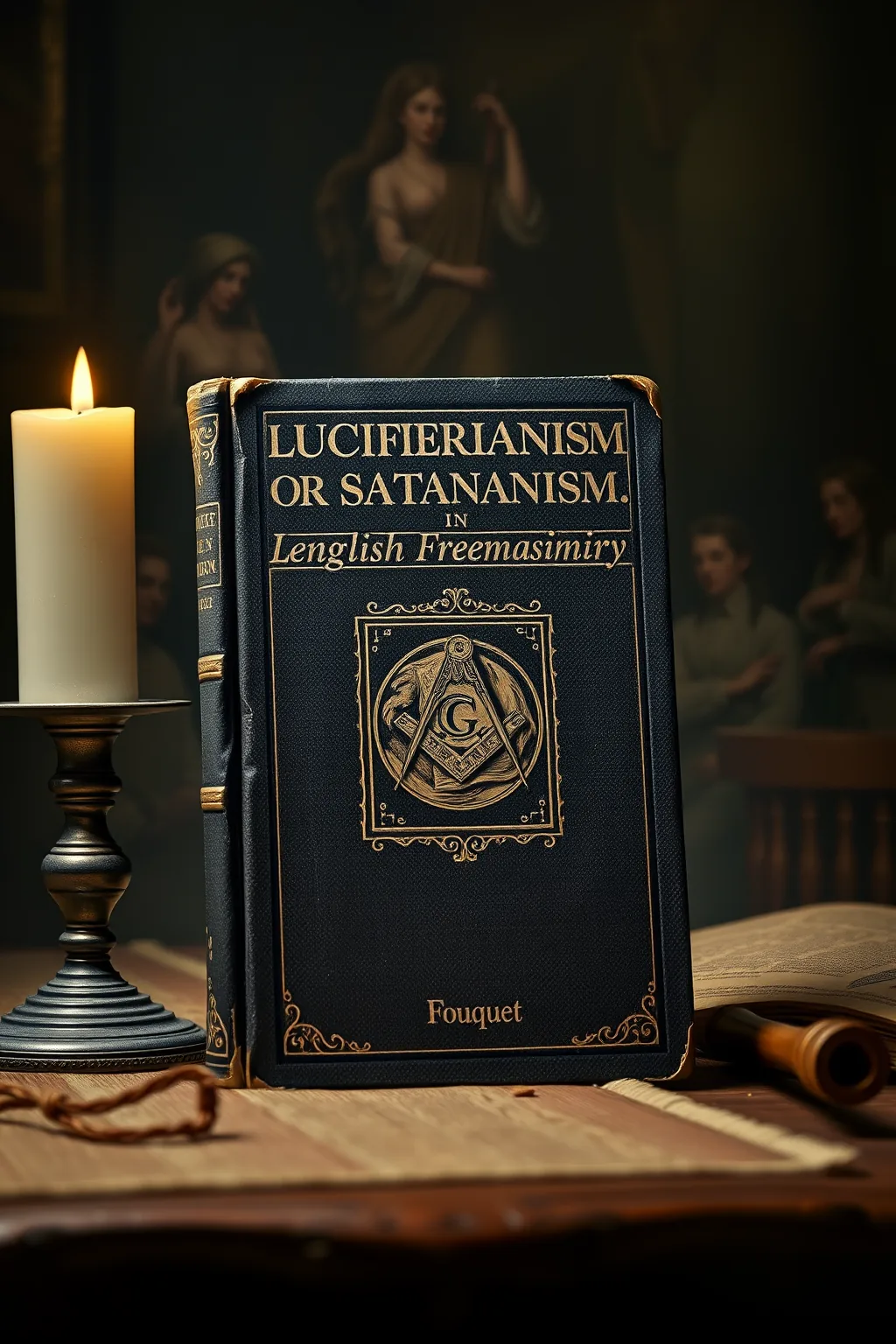
Fouquet L Luciferianism Or Satanism In English Freemasonry 1898 Pt 2
 80
80

Fouquet L Luciferianism Or Satanism In English Freemasonry 1898 Pt 2


Fouquet L's "Luciferianism Or Satanism In English Freemasonry 1898 Pt 2" is a fascinating and thought-provoking exploration of the occult and esoteric elements within English Freemasonry. The book is meticulously researched and presents a compelling narrative that weaves together historical facts, symbolic interpretations, and esoteric insights. For modern esoteric seekers, this text offers a wealth of information that can deepen their understanding of the hidden traditions and beliefs that have shaped Freemasonry. The author's detailed analysis of Luciferianism and Satanism within the context of Freemasonry is particularly enlightening, providing a fresh perspective on a subject that is often shrouded in mystery and misinformation. The book is well-written and engaging, making it accessible to both academic researchers and general readers interested in the occult. Overall, this is a must-read for anyone seeking to uncover the esoteric secrets of Freemasonry. Rating:
📝 Description
80
Published in 1898, this second part of 'Fouquet L Luciferianism Or Satanism In English Freemasonry' examines occult themes within the Masonic tradition.
This volume, the second part of a work on Luciferianism and Satanism in English Freemasonry, was published in 1898. It addresses occult symbolism and rituals that have been a source of fascination for those interested in mysticism and scholarship. The text aims to illuminate the philosophical weight of Luciferian and Satanic aspects as they appear within Masonic practices. It is suited for individuals interested in the hidden aspects of secret societies and the symbolic meanings associated with concepts of light and darkness.
The book approaches the subject matter with a focus on the specific historical context of English Freemasonry in the late 19th century. It does not shy away from the more controversial interpretations of Masonic symbolism, connecting them to broader currents within Western esotericism. The author, whose identity remains unknown, presents an argument concerning the presence and significance of these elements within the fraternity's rites and teachings. The work invites contemplation on how such themes may have shaped or been perceived within the Masonic lodges of the era.
This text emerges from the late 19th-century European milieu, a period rich with esoteric revival and speculation on secret societies. It engages with the broader discourse surrounding Freemasonry's occult dimensions, a topic explored by figures like Eliphas Levi and later by occult historians. The book's focus on Luciferian and Satanic elements within this specific context places it within the study of Western esotericism, particularly its intersection with fraternal orders and their symbolic language. It reflects a scholarly interest in deciphering hidden meanings and historical interpretations of rituals.
💡 Why Read This Book?
Reading "Luciferianism Or Satanism In English Freemasonry 1898 Pt 2" today offers a unique opportunity to delve into the hidden histories and esoteric traditions of one of the world's most enigmatic secret societies. This book provides valuable insights into the occult and mystical aspects of Freemasonry, helping readers understand the deeper meanings behind its rituals and symbols. Whether you are a historian, an esoteric seeker, or simply curious about the mysteries of Freemasonry, this text will enrich your knowledge and broaden your perspectives.
⭐ Reader Reviews
Honest opinions from readers who have explored this book.
❓ Frequently Asked Questions
What is the main focus of "Luciferianism Or Satanism In English Freemasonry 1898 Pt 2"?
The main focus of this book is the exploration of Luciferianism and Satanism within the context of English Freemasonry, delving into the esoteric and occult beliefs that have influenced this secret society.
Who should read this book?
This book is ideal for historians, esoteric seekers, and anyone interested in the hidden histories of secret societies and the occult. It provides a deep dive into the mystical and controversial aspects of Freemasonry.
Is this book suitable for beginners in esoteric studies?
While the book is meticulously researched and detailed, it may be more suited to those with some prior knowledge of esoteric studies or Freemasonry. Beginners might find it challenging but rewarding.
🔮 Key Themes & Symbolism
Luciferian Symbolism
The book explores the symbolic significance of Lucifer within Freemasonry, examining the duality of light and darkness. It examines how Lucifer is portrayed as a bringer of enlightenment and a figure of rebellion, challenging traditional religious narratives.
Secret Societies
Fouquet's work provides an in-depth look into the rituals and practices of English Freemasonry, uncovering the hidden knowledge that has long been guarded by secret societies. The text reveals the intricate web of symbolism and initiation rites that define these mystical orders.
Occult Philosophy
The philosophical underpinnings of occult practices within Freemasonry are thoroughly examined. The book discusses the esoteric beliefs that drive the rituals and the spiritual quest for hidden truths, making it a valuable resource for occult scholars and practitioners.
💡 Key Ideas
Editorial paraphrase of the work's core concepts — not direct quotes.
The path to enlightenment often lies in the shadows.
This quote underscores the duality of light and darkness, suggesting that true understanding can be found in the exploration of both.
Symbolism is the language of the initiates.
This line highlights the importance of symbols in conveying hidden knowledge to those who are initiated into the mysteries.
The serpent is a symbol of rebirth and transformation.
This quote emphasizes the esoteric meaning of the serpent, a common symbol in occult traditions representing renewal and spiritual evolution.
Rituals are the keys that unlock the doors of perception.
This passage underscores the transformative power of rituals in occult practices, suggesting they open the mind to deeper spiritual realities.
The veil of secrecy protects the sacred.
This quote explains the necessity of secrecy in preserving the sanctity of esoteric knowledge, keeping it from being profaned by the uninitiated.
🌙 Esoteric Significance
Tradition
This book belongs to the Hermetic tradition, which emphasizes the pursuit of hidden knowledge and the exploration of the divine within. It draws on Gnostic and Kabbalistic elements to provide a comprehensive view of the occult dimensions of Freemasonry.
Symbolism
Key symbols include the serpent, representing rebirth and transformation, and the pentagram, symbolizing the microcosm and the macrocosm. These symbols are integral to the rituals and beliefs of Freemasonry, conveying deep esoteric truths to the initiated.
Modern Relevance
Today, this text remains relevant for modern practitioners of the occult, providing insights into the hidden symbolism and rituals of Freemasonry. It is a valuable resource for those seeking to understand the mystical underpinnings of secret societies and their enduring influence on spiritual traditions.
👥 Who Should Read This Book
Beginners may find this text challenging due to its dense esoteric content, but it is an invaluable resource for scholars of secret societies and occult practitioners. Spiritual seekers interested in the hidden dimensions of Freemasonry will find rich material for contemplation and study. Practitioners of the occult will appreciate the depth of research and the esoteric insights offered.
📜 Historical Context
Published in 1898, 'Fouquet L Luciferianism Or Satanism In English Freemasonry' emerged during a time of great interest in the occult and secret societies. The late 19th century saw a resurgence of mystical and esoteric studies, with figures like Madame Blavatsky and Aleister Crowley gaining prominence. This book contributed to the discourse by shedding light on the shadowy aspects of Freemasonry, influencing subsequent generations of occult scholars and practitioners.
📔 Journal Prompts
Reflect on the significance of Luciferian symbolism in Freemasonry. How does it challenge traditional religious narratives?
Consider the role of rituals in occult practices. How do they facilitate spiritual transformation?
Explore the concept of hidden knowledge. Why is secrecy important in preserving esoteric truths?
Think about the duality of light and darkness in spiritual traditions. How does this duality manifest in Freemasonry?
Ponder the use of symbols in conveying esoteric knowledge. What symbols resonate with you personally?
🗂️ Glossary
Luciferianism
The belief in Lucifer as a bringer of enlightenment and a figure of rebellion, often associated with occult and mystical traditions.
Satanism
A philosophical and spiritual path that venerates Satan as a symbol of rebellion and personal empowerment.
Freemasonry
A fraternal organization that traces its origins to the stonemason guilds of the Middle Ages, known for its rituals and symbolism.
Occult
The study of hidden or mysterious knowledge, often associated with the supernatural and esoteric practices.
Esoteric
Knowledge that is intended for a small group of people with special knowledge or interests, often involving mystical or occult themes.
This book appears in 2 collections
🔮 Readers Also Liked
Browse all →








From the “Secret Societies” Collection
View all →
More Free Freemasonry & Secret Societies Books
View all →