Gift of Prophecy

 78
78

Gift of Prophecy
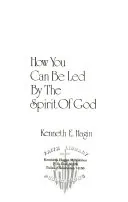
Kenneth E. Hagin’s "Gift of Prophecy" offers a direct, no-nonsense approach to a spiritual gift that often generates as much confusion as inspiration. Hagin, a central architect of the Word of Faith movement, writes with the authority of one who has extensively ministered these gifts. His exposition of 1 Corinthians 14, a critical chapter for understanding prophecy in practice, is clear and accessible. A notable strength is the emphasis on discerning the authenticity of prophetic words, a vital safeguard against misinterpretation or manipulation. However, the work's singular focus on Hagin's specific theological framework, while consistent, may feel restrictive to readers from diverse theological backgrounds. The concept of receiving direct, actionable divine instruction, as explored in passages discussing specific guidance, presents a powerful, if at times controversial, proposition.
Ultimately, "Gift of Prophecy" serves as a practical manual for those within Hagin's theological orbit seeking to engage with this charismatic endowment.
📝 Description
78
Kenneth E. Hagin's 1980 book, 'Gift of Prophecy,' details how the spiritual gift of prophecy operates.
Kenneth E. Hagin's 1980 book, 'Gift of Prophecy,' addresses the operation and biblical basis of the spiritual gift of prophecy. Hagin, a central figure in the Word of Faith movement, presents prophecy as a direct line of divine communication for guidance and encouragement. The book distinguishes true prophetic messages from other spiritual or psychological influences. It is written for Christians who believe in the continuation of spiritual gifts and seek to understand or exercise prophecy. Pastors, leaders, and students of theology will find its practical and theological insights valuable, as will those interested in the history of Pentecostal thought and Hagin's specific teachings.
This work appeared during a period of heightened interest in spiritual gifts, fueled by the Charismatic Renewal movement of the 1960s and 70s. Hagin's contribution offered a structured theological explanation and practical advice, setting it apart from different views on spiritual gifts. His extensive writing and ministry established his significant influence within these circles.
Within Pentecostal and Charismatic traditions, the gift of prophecy is understood as a manifestation of the Holy Spirit. This book aligns with the belief in the continuation of such spiritual gifts, which are seen as direct channels for divine revelation. Hagin's work places prophecy within a framework of biblical interpretation common to these movements, emphasizing its role in the life of the contemporary believer for instruction and encouragement. It reflects a specific theological understanding of spiritual empowerment and direct divine interaction.
💡 Why Read This Book?
• Gain a practical framework for understanding and discerning prophetic utterances, a key element Hagin details through biblical interpretation and practical counsel. • Explore the specific theological underpinnings of the Word of Faith movement's view on spiritual gifts, as articulated by Kenneth E. Hagin in this 1980 publication. • Learn Hagin's methodology for testing prophetic words against scripture, a crucial skill for anyone interested in divine communication as presented in the book.
⭐ Reader Reviews
Honest opinions from readers who have explored this book.
❓ Frequently Asked Questions
What is Kenneth E. Hagin's primary argument regarding the gift of prophecy?
Hagin argues that the gift of prophecy is available to all believers, not just a select few, and serves as a direct channel for God's voice to provide guidance and encouragement.
How does "Gift of Prophecy" relate to the broader Charismatic Renewal movement?
Published in 1980, the book arrived during the height of the Charismatic Renewal, offering systematic teachings that helped shape and legitimize the practice of spiritual gifts, including prophecy, within many circles.
What biblical passages are central to Hagin's discussion of prophecy?
Hagin frequently references 1 Corinthians 14, which addresses the proper use and order of spiritual gifts in public worship, and also draws from Old Testament prophetic accounts.
What is the "Word of Faith" movement, and how does this book fit in?
The Word of Faith movement, of which Hagin was a leading figure, emphasizes the power of positive confession and the availability of divine blessings. "Gift of Prophecy" is a core text illustrating their belief in ongoing, active spiritual gifts.
Are there specific methods recommended for discerning prophetic messages?
Yes, Hagin provides guidelines for testing prophetic words, primarily by comparing them to the Bible and assessing their fruit, ensuring they align with God's character and Word.
When was "Gift of Prophecy" originally published?
Kenneth E. Hagin's "Gift of Prophecy" was first published in 1980, positioning it as a significant contribution to the theological discourse of the late 20th-century Charismatic movement.
🔮 Key Themes & Symbolism
Divine Communication Channels
The work posits prophecy as a direct, ongoing method for God to communicate with humanity, distinct from written scripture but always subservient to it. Hagin details how God can speak through visions, dreams, and direct impressions, emphasizing that these are not archaic practices but active means of divine engagement. The book guides readers to cultivate sensitivity to these divine promptings, distinguishing them from mere human thought or imagination. This theme is central to understanding Hagin's view of a dynamic, interactive relationship between God and believers.
Discernment of Spiritual Gifts
A significant portion of "Gift of Prophecy" is dedicated to the critical practice of discerning the authenticity of prophetic messages. Hagin stresses that not all spiritual manifestations are divine and provides criteria for evaluation, primarily centering on the message's alignment with biblical truth and its resulting spiritual fruit. This theme addresses the potential for error or deception, offering believers tools to navigate spiritual experiences with wisdom and biblical grounding. It underscores the importance of spiritual maturity in receiving and acting upon prophecy.
The Five-Fold Ministry Structure
Hagin situates the gift of prophecy within the broader context of the five-fold ministry gifts outlined in Ephesians 4:11 (apostles, prophets, evangelists, pastors, teachers). While emphasizing prophecy as a gift accessible to all believers, the book also acknowledges the specific role of prophets within this ministry structure. This theme highlights the hierarchical and functional understanding of spiritual gifts within the church, as interpreted by Hagin and the Word of Faith movement, contributing to a comprehensive view of church leadership and operation.
Practical Application of Prophecy
Beyond theological discussion, "Gift of Prophecy" offers practical advice on how believers can recognize, cultivate, and utilize the gift of prophecy in their lives and ministries. Hagin encourages boldness tempered with wisdom, illustrating with personal anecdotes and biblical examples. The focus is on prophecy serving the church for edification, exhortation, and comfort, as described in 1 Corinthians 14. This theme makes the book a functional guide for those seeking to actively engage with this spiritual dynamic in their daily walk.
💬 Memorable Quotes
Direct passages from the work, attributed to the author.
“You must learn to distinguish God's voice from your own thoughts.”
— This highlights a central challenge Hagin addresses: the subjective nature of spiritual impressions. The quote points to the need for discernment and spiritual discipline to accurately identify divine communication amidst internal mental chatter.
“Prophecy should always line up with the Word of God.”
— This principle serves as the ultimate test for any prophetic utterance discussed by Hagin. It anchors the practice of prophecy firmly within biblical authority, acting as a safeguard against teachings or messages that contradict scripture.
“The gifts of the Spirit are not automatic; they require activation.”
— Hagin suggests that while gifts are divinely given, they need to be stirred up and exercised by the believer. This implies an active role for the individual in developing and utilizing their spiritual capacities.
“Discernment is crucial for protecting the body of Christ.”
— This emphasizes the communal aspect of spiritual gifts. Hagin frames discernment not just as a personal skill but as a vital ministry to safeguard the church from error and false teachings that could harm its members.
💡 Key Ideas
Editorial paraphrase of the work's core concepts — not direct quotes.
The prophetic gift is for edification, exhortation, and comfort.
This summarizes the intended purpose of prophecy according to Hagin, drawing directly from 1 Corinthians 14:3. It frames prophecy not as a tool for mere prediction, but as a means to build up, encourage, and console the community of faith.
🌙 Esoteric Significance
Tradition
While rooted in Pentecostal Christianity, Hagin's teachings on prophecy engage with broader esoteric concepts of direct divine revelation and spiritual intuition. Within the Christian esoteric tradition, which seeks inner, mystical experience alongside orthodox doctrine, Hagin’s work offers a practical, experiential approach to accessing divine guidance. It aligns with traditions that emphasize ongoing prophetic utterance, such as certain streams within Gnosticism or even earlier prophetic movements, though Hagin firmly anchors his practice within biblical literalism and Pentecostal theology, distinguishing it from more purely mystical or philosophical systems.
Symbolism
The primary symbolic motif is the 'voice of God,' representing direct, authoritative communication. Light, often associated with divine revelation and illumination, serves as a subtle symbol of understanding and clarity in discerning prophetic messages. The concept of 'spiritual gifts' itself functions symbolically, representing the tangible presence and active engagement of the Holy Spirit within the lives of believers, enabling them to participate in supernatural realities.
Modern Relevance
Hagin's work continues to be highly relevant in contemporary Charismatic and Pentecostal circles, influencing churches and ministries globally. Thinkers and practitioners within these movements frequently cite his teachings on spiritual gifts, including prophecy. His emphasis on practical application and discernment remains a reference for many who seek to understand and operate in charismatic phenomena, impacting modern worship styles, church structures, and individual spiritual formation practices within these traditions.
👥 Who Should Read This Book
• Believers interested in understanding the biblical basis and practical operation of spiritual gifts, particularly prophecy, within a Pentecostal framework. • Students of 20th-century American religious history and the development of the Charismatic and Word of Faith movements, seeking primary source material. • Individuals seeking guidance on discerning spiritual messages and cultivating sensitivity to divine communication, as outlined by a prominent figure in the field.
📜 Historical Context
Kenneth E. Hagin's "Gift of Prophecy," published in 1980, emerged from the vibrant and often contentious range of the post-World War II Charismatic Renewal. This movement, sparked by the earlier Pentecostal movement originating from the Azusa Street Revival (1906-1915), saw a resurgence of interest in spiritual gifts like speaking in tongues, healing, and prophecy across various denominations. Hagin, a key figure in the burgeoning Word of Faith movement, provided systematic theological backing and practical instruction for these phenomena. His teachings often contrasted with more conservative evangelical views that leaned towards cessationism, the belief that certain spiritual gifts ceased with the apostles. Hagin's prolific writing and extensive ministry laid groundwork that directly influenced a generation of charismatic leaders and thinkers, making his books essential texts for understanding this specific stream of 20th-century American evangelicalism.
📔 Journal Prompts
The concept of 'discernment' in relation to prophetic words.
Identifying a personal thought versus a divine impression.
Reflecting on the scriptural basis for prophecy.
How the gift of prophecy can edify the church.
Evaluating a past spiritual impression using biblical alignment.
🗂️ Glossary
Prophecy
In Hagin's context, a direct utterance from God to His people, typically for encouragement, exhortation, or comfort, distinct from predictive fortune-telling.
Spiritual Gifts
Supernatural abilities empowered by the Holy Spirit, given to believers for the building up of the church, as described in the New Testament epistles.
Discernment
The spiritual ability to distinguish between truth and error, or between divine and non-divine spiritual manifestations.
Word of Faith
A movement within Protestant Christianity emphasizing the power of positive confession and the belief in the availability of divine healing and prosperity.
Five-Fold Ministry
Referring to the five ministry offices mentioned in Ephesians 4:11: apostle, prophet, evangelist, pastor, and teacher, seen as foundational for church equipping.
Edification
The act of building up, strengthening, or encouraging spiritually; a primary purpose of prophecy according to 1 Corinthians 14.
Exhortation
To strongly encourage, advise, or urge; another key function of prophetic utterance as described in the New Testament.
🔮 Readers Also Liked
Browse all →









More by Kenneth E. Hagin
All books →

More Free Occult Philosophy Books
View all →