Eclipse

 83
83

Eclipse
Stephenie Meyer's Eclipse, released in 2016, continues the Twilight saga with a familiar focus on Bella Swan's romantic entanglements and the supernatural conflicts surrounding her. The novel's primary strength lies in its relentless pacing, particularly in the latter half where the narrative builds towards a climactic confrontation. Meyer excels at portraying Bella's internal turmoil and her deep-seated affection for Edward, a dynamic that has long defined the series. However, the book struggles with character development beyond its core trio, often relegating supporting figures to predictable archetypes. The exploration of the territorial dispute between vampires and werewolves, while central to the plot, feels somewhat underdeveloped, serving more as a backdrop for romantic drama than a fully realized socio-political conflict within the supernatural world. A passage detailing Bella's internal debate over her future, weighing mortality against immortality, highlights the novel's thematic core but also its limitations in offering truly novel philosophical insights. Ultimately, Eclipse delivers a satisfying continuation for devoted fans, though it offers little new ground for those outside its established audience.
📝 Description
83
Stephenie Meyer's 2016 novel Eclipse continues the Twilight saga with a focus on difficult choices and external threats.
Eclipse, published in 2016, follows Bella Swan as she navigates complex relationships and a looming danger. The narrative centers on Bella's emotional conflicts and the external forces that threaten her and her loved ones. Meyer's writing emphasizes the internal struggles of the characters, set against a backdrop of supernatural events and difficult decisions. The book delves into the consequences of loyalty and sacrifice as the characters confront their deepest fears. It continues the story arc of the central figures, presenting them with moral dilemmas and the repercussions of their power.
This installment appeals to existing fans of the Twilight series who wish to see the story unfold further. It also may interest readers of contemporary fantasy that combines romance with darker, more complex themes. Those who enjoy character-focused narratives that explore ethical quandaries and the impact of choices will find compelling elements. The novel's engagement with themes of predetermined fate versus free will offers further points of consideration for readers drawn to philosophical questions within fiction.
Published in 2016, Eclipse arrives within a tradition of young adult literature that reinterprets classic supernatural figures for modern romantic narratives. The Twilight Saga, beginning in 2005, became a significant cultural force, influencing how vampires and werewolves were depicted for a new generation. Meyer's work built upon this established popularity, offering a specific blend of intense romantic relationships and supernatural conflict. The series' continued success indicates a sustained reader interest in these themes, particularly how familiar mythological beings are used to explore human emotions and moral quandaries.
💡 Why Read This Book?
• Understand the thematic exploration of sacrifice and choice as presented in the confrontation between the Quileute pack and the newborn vampire army, offering a specific fictional context for these universal concepts. • Experience the detailed portrayal of Bella Swan's internal conflict regarding her impending transformation and the choices she makes, providing a unique character study within the paranormal romance genre. • Analyze the dynamics of loyalty and betrayal within the vampire covens and the werewolf pack, as depicted in the events leading up to the confrontation in Seattle, illustrating complex intergroup relations.
⭐ Reader Reviews
Honest opinions from readers who have explored this book.
❓ Frequently Asked Questions
When was Stephenie Meyer's Eclipse originally published?
Stephenie Meyer's Eclipse was first published in 2016, marking a significant entry in the Twilight series. This publication date places it within a later phase of the series' lifespan, after considerable reader anticipation had been built.
What is the central conflict in Eclipse by Stephenie Meyer?
The central conflict in Eclipse involves a series of mysterious killings in Seattle orchestrated by Victoria, who has created an army of newborn vampires to seek revenge on Edward Cullen. This external threat forces an uneasy alliance between the Quileute werewolves and the Olympic coven of vampires.
Who are the main characters featured prominently in Eclipse?
The main characters prominently featured in Eclipse are Bella Swan, Edward Cullen, and Jacob Black. Their complex love triangle and the decisions they make in the face of danger are central to the novel's plot and character arcs.
Does Eclipse explore themes beyond romance?
Yes, Eclipse explores themes beyond romance, including sacrifice, loyalty, the consequences of choices, and the struggle between primal instincts and control. The looming threat of Victoria's newborn army necessitates difficult decisions and alliances.
What is the significance of the newborn army in Eclipse?
The newborn army in Eclipse is significant because it represents an unprecedented threat to the Olympic coven and the Quileute pack. These vampires are more dangerous due to their lack of control and heightened aggression, forcing an unusual alliance to combat them.
How does Eclipse fit into the overall Twilight Saga timeline?
Eclipse is the third novel in the Twilight Saga, published after *Twilight* (2005) and *New Moon* (2006), and before *Breaking Dawn* (2008). It bridges the narrative gap, intensifying the romantic and supernatural conflicts leading to the series' conclusion.
🔮 Key Themes & Symbolism
Duality and Choice
Eclipse frequently confronts characters with stark choices that highlight their dual natures. Bella grapples with her human existence versus her desired immortal future with Edward. The novel explores how these choices shape identity and destiny, particularly when faced with external pressures like Victoria's vengeful pursuit. The Quileute and Olympic covens, representing different supernatural factions, must also choose between their ingrained animosities and the necessity of a temporary alliance, underscoring the theme that identity is not solely defined by inherent traits but by the decisions made under duress.
Sacrifice and Protection
The narrative is steeped in the concept of sacrifice, driven by the desire to protect loved ones. Edward's constant vigilance and willingness to put himself in harm's way for Bella, and Bella's own readiness to face danger or alter her life fundamentally for Edward, exemplify this. The alliance formed between the vampires and werewolves, though strained, is a form of collective sacrifice, pooling their strengths and enduring their animosity for a common goal: survival against the newborn army. This theme extends to the potential sacrifices required by the vampire lifestyle itself.
Nature of Power and Control
The power dynamics within Eclipse are explored through both supernatural abilities and personal agency. The newborn vampires, characterized by their raw power and lack of control, serve as a foil to the more established, disciplined characters like Edward and the Olympic coven. The werewolves' transformations are depicted as a struggle for control over primal instincts. Bella's own burgeoning power and her desire for it, juxtaposed with her fear of its implications, highlight the complex relationship between power, responsibility, and self-mastery within the series.
The Supernatural as Metaphor
Beyond the surface-level paranormal romance, the supernatural elements in Eclipse function as metaphors for real-world struggles. The vampire's eternal life and thirst can represent addiction or overwhelming desire, while the werewolf's transformation can symbolize uncontrollable rage or the animalistic side of human nature. The constant threat of exposure and conflict between supernatural beings and the human world reflects societal anxieties and the challenges of integrating the 'other.' The narrative uses these tropes to examine human emotions and relationships in heightened circumstances.
💬 Memorable Quotes
Direct passages from the work, attributed to the author.
“The moment I saw Jacob, I knew I couldn't live without him.”
— This statement, though often associated with Edward's feelings for Bella, can be interpreted in the context of Bella's own complex emotional landscape. It speaks to the profound, life-altering connections characters form, suggesting that certain relationships become as essential as life itself.
“We are not the same. You are much stronger than I am.”
— This interpretation of a sentiment expressed within the book highlights the perceived differences in strength and resilience between characters. It can refer to emotional fortitude, physical prowess, or the capacity for sacrifice, often used to acknowledge another's unique capabilities.
“He smelled like the sea and the forest and the rain.”
— This sensory description emphasizes the primal, elemental nature of a character, likely Jacob Black. It connects him to the natural world, suggesting a wildness and untamed quality that contrasts with the more controlled or artificial existence of other characters.
💡 Key Ideas
Editorial paraphrase of the work's core concepts — not direct quotes.
I'd never known that so much life could be contained in death.
This line captures Bella's perspective on her impending transformation. It suggests that the cessation of her human life paradoxically leads to a richer, more intense existence as a vampire, highlighting the complex allure of immortality and power.
I don't want to be a pawn. I want to be a player.
This quote reflects Bella's desire for agency and control over her destiny. It underscores her frustration with being a passive object of conflict and her yearning to actively participate in shaping her future, particularly concerning her relationship with Edward and her transformation.
🌙 Esoteric Significance
Tradition
While *Eclipse* does not explicitly align with a specific esoteric tradition like Hermeticism or Gnosticism, it draws upon archetypal themes found across many mystical paths. The focus on profound, life-altering choices, the concept of sacrifice for a greater good or beloved, and the exploration of identity transformation echo Gnostic ideas of shedding the old self for a new, often spiritualized, existence. The inherent dangers and allure of the vampire's immortal state can be seen as a secularized allegory for seeking forbidden knowledge or power, a recurring theme in occult traditions. The work engages with a modern interpretation of the Faustian bargain, where eternal life comes at a significant cost.
Symbolism
The primary symbolic element is the 'newborn army,' representing uncontrolled primal energy and the destructive potential of unchecked power or desire. These vampires, lacking the discipline of older ones, embody chaos. The blood itself, central to vampire lore, symbolizes life force, vitality, and the ultimate price of power or immortality. Bella's internal struggle between her human life and her desired vampire existence symbolizes the alchemical process of transformation and the shedding of the base self (lead) to achieve a higher state (gold), albeit with significant peril. The fractured moon on the cover often signifies lunar cycles, intuition, and the hidden or subconscious.
Modern Relevance
Contemporary readers and writers continue to engage with *Eclipse*'s themes through the lens of modern psychological and sociological concerns. The exploration of consent, agency, and the complexities of toxic relationships, often debated in discussions surrounding the *Twilight* series, remains relevant. The novel's depiction of intense emotional bonds and the sacrifices made within them speaks to ongoing discussions in self-help and relationship literature about codependency and healthy boundaries. Furthermore, the enduring popularity of vampire and supernatural lore in media suggests a continued fascination with themes of immortality, power, and the 'other,' making *Eclipse* a point of reference in popular culture's ongoing engagement with these archetypal concepts.
👥 Who Should Read This Book
• Established fans of the *Twilight Saga* seeking to continue Bella Swan's narrative and explore the escalating conflicts and romantic tensions. • Readers of contemporary paranormal romance interested in narratives featuring complex love triangles and supernatural elements, specifically vampires and werewolves. • Individuals who appreciate character-driven stories that focus on themes of choice, sacrifice, and the consequences of power within a fantastical setting.
📜 Historical Context
Published in 2016, Stephenie Meyer's *Eclipse* arrived during a mature phase of the young adult paranormal romance boom, a genre significantly shaped by her own *Twilight* series, which began in 2005. The cultural field of 2016 was saturated with fantasy and supernatural narratives, a trend *Twilight* itself had helped popularize, leading to a proliferation of similar themes in literature and film. Meyer's work stood within this context, building upon the established lore and character dynamics of the previous books, *Twilight* and *New Moon*. While not facing the initial shock of introducing a novel concept, *Eclipse* contended with reader expectations for continued romantic tension and escalating supernatural threats. The series' reception was largely bifurcated: immense commercial success and dedicated fan followings contrasted with critical analyses that often focused on its romantic tropes and perceived simplicity, a discourse mirrored by critics of contemporary authors like Cassandra Clare, who also explored YA fantasy with romantic elements.
📔 Journal Prompts
Bella's choice between Edward and Jacob, and the implications for her identity.
The sacrifices made by the Olympic coven and the Quileute pack against the newborn army.
Reflecting on the allure and danger of unchecked power, as embodied by Victoria's creation.
Analyzing the concept of 'life in death' presented by Bella's potential transformation.
The dynamic between control and instinct in the actions of vampires and werewolves.
🗂️ Glossary
Newborn Vampire
A vampire recently turned, possessing immense, volatile power but lacking the control and experience of older vampires. They are often driven by primal urges and are highly dangerous.
Quileute Pack
The group of shape-shifters from the Quileute tribe who transform into wolves. They are protectors of their land and people, often in conflict with vampires.
Olympic Coven
The coven of vampires to which Edward Cullen belongs, residing in Forks, Washington. They are known for their self-control and adherence to specific ethical codes.
Imprinting
A phenomenon specific to the Quileute shape-shifters where they find their soulmate. It's an intense, immediate, and unshakeable connection, overriding all other desires.
Victoria
A nomadic vampire seeking revenge against Edward Cullen for the death of her mate, James. In Eclipse, she orchestrates the creation of a newborn vampire army.
Volturi
The ancient and powerful vampire coven that acts as the governing body of the vampire world, enforcing laws and maintaining secrecy.
Shape-shifter
A term used for the Quileute warriors who can transform into wolves. Their abilities are tied to their Quileute heritage and act as a defense mechanism.
🔮 Readers Also Liked
Browse all →









More by Stephenie Meyer
All books →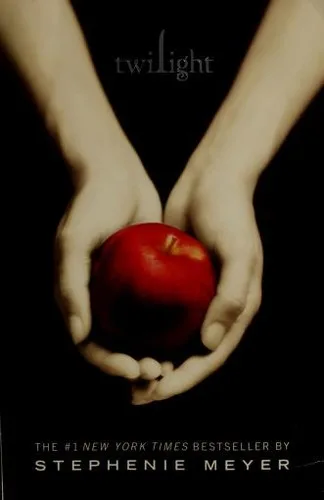





More Free Occult Philosophy Books
View all →