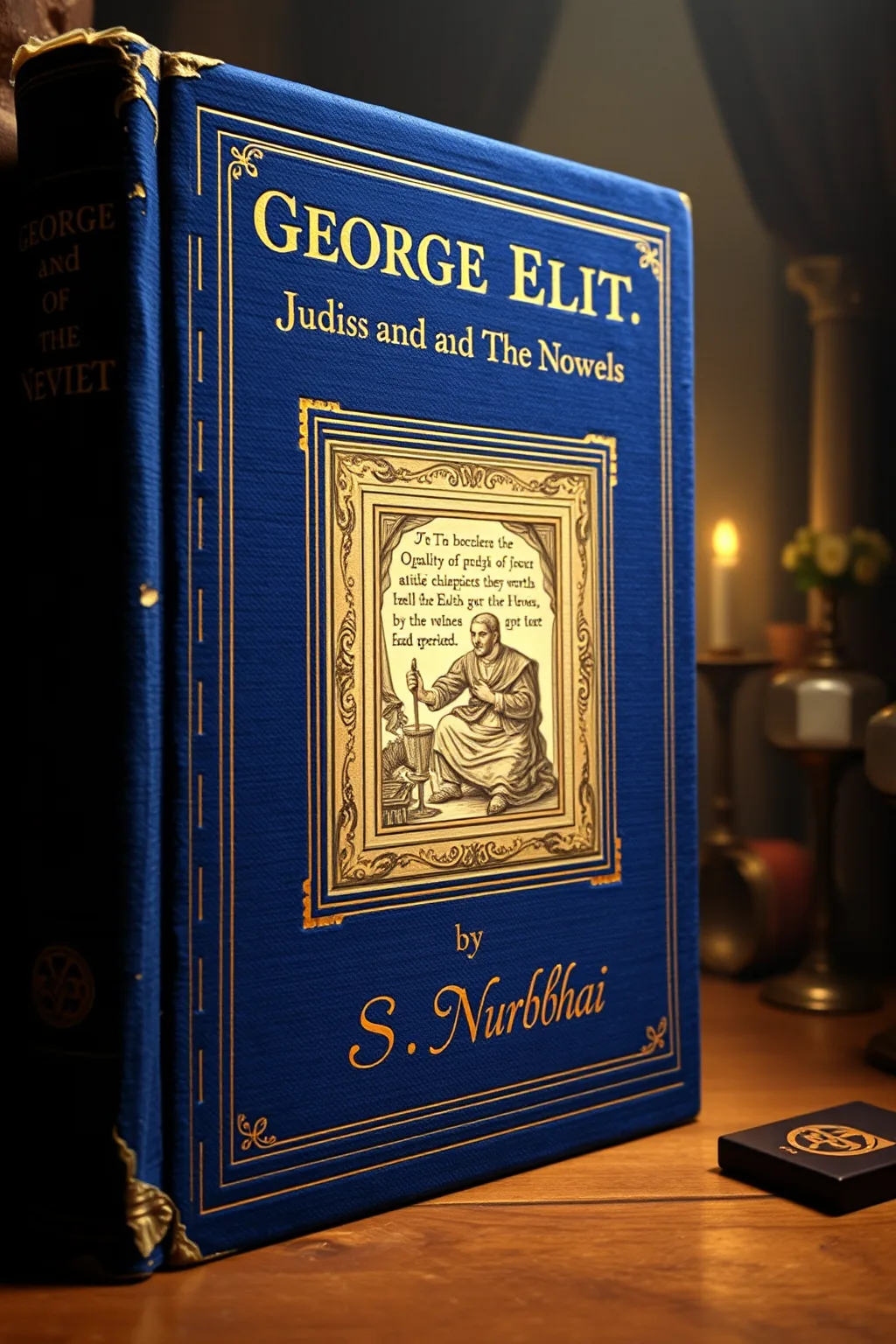
George Eliot, Judaism and the Novels
 61
61

George Eliot, Judaism and the Novels

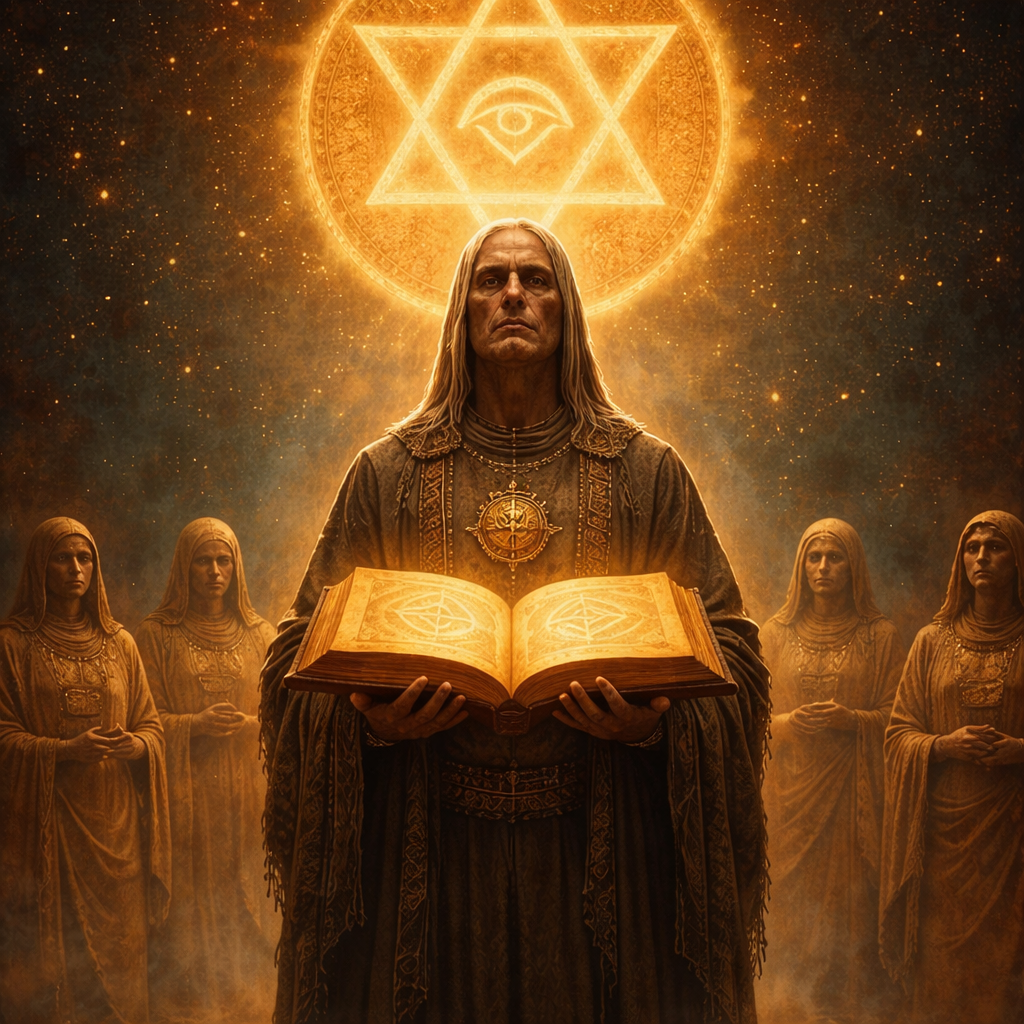

S. Nurbhai's "George Eliot, Judaism and the Novels" is a revelation for those who perceive the veiled connections between profound literature and esoteric traditions. Nurbhai meticulously excavates the Kabbalistic substrata of Eliot's oeuvre, demonstrating an astute understanding of both the literary and mystical. The author's insights into the symbolic resonance of Eliot's characters and plotlines, when viewed through the prism of Jewish mysticism, are both scholarly and deeply engaging. This work is indispensable for anyone interested in the intersection of literature, philosophy, and the occult, offering a richly rewarding experience for the serious student.
📝 Description
61
S. Nurbhai's 2018 study examines George Eliot's novels through the lens of Kabbalah.
This book investigates the presence of Kabbalistic ideas within the fiction of George Eliot. Nurbhai focuses on how concepts derived from Jewish mysticism appear in Eliot's narratives and character development. The study details specific elements like divine emanation, cosmic structure, and the pursuit of spiritual understanding as reflected in her writing.
Nurbhai analyzes the symbolic language, numerical connections, and Gematria found in Eliot's prose. This approach aims to illuminate her treatment of consciousness, destiny, and the divine presence. The work offers a new way to read Eliot's novels, suggesting they function as metaphysical explorations with lasting philosophical weight. It is intended for readers interested in literature, Kabbalah, or esoteric thought.
This book situates George Eliot's literary output within the broader tradition of esoteric thought, specifically focusing on Kabbalah, a system of Jewish mysticism. Kabbalah, with its complex cosmology, symbolic language, and numerological interpretations (like Gematria), has long been a source of inspiration for thinkers and artists seeking deeper spiritual and metaphysical understanding. Nurbhai's work connects these ancient traditions to a prominent Victorian novelist, demonstrating how esoteric concepts can inform secular literature and vice versa, bridging the gap between mystical traditions and modern literary analysis.
💡 Why Read This Book?
Uncover the hidden mystical architecture within George Eliot's novels. "George Eliot, Judaism and the Novels" by S. Nurbhai offers a unique exploration of Kabbalistic symbolism and Jewish esoteric thought embedded in classic literature. Ideal for seekers of hidden knowledge, literary scholars, and practitioners of mysticism, this book unlocks deeper layers of meaning and spiritual insight within familiar texts.
⭐ Reader Reviews
Honest opinions from readers who have explored this book.
❓ Frequently Asked Questions
What is Kabbalah?
Kabbalah is a mystical tradition within Judaism that seeks to understand the divine nature of God and the creation of the universe through symbolic interpretation of the Torah and other sacred texts.
Does this book suggest George Eliot was a practicing Kabbalist?
The book explores how Eliot's writings may reflect an awareness of and engagement with Kabbalistic concepts and symbolism, rather than asserting her direct practice of the tradition.
What specific novels are analyzed?
The study primarily focuses on Eliot's most significant works, examining how themes of spiritual quest, hidden truths, and divine presence manifest across her literary output.
Is prior knowledge of Kabbalah required to read this book?
While prior knowledge of Kabbalah can enhance understanding, S. Nurbhai provides sufficient context and explanation to make the book accessible to those new to the subject.
What kind of symbolism is discussed?
The book delves into various forms of symbolism, including numerology, gematria, tree of life imagery, and the allegorical representation of divine attributes and cosmic processes.
🔮 Key Themes & Symbolism
The Kabbalistic Framework in Eliot's Narratives
This theme investigates how the structure and thematic development of George Eliot's novels can be understood through the lens of Kabbalistic cosmology. Nurbhai explores the concept of divine emanation (Sefirot) as a parallel to the unfolding of characters' destinies and the moral complexities they face. The inherent interconnectedness of all things, a core part of Kabbalistic thought, is shown to mirror Eliot's own intricate plotting and her exploration of social and ethical relationships. This section provides a map of the hidden spiritual architecture underlying Eliot's seemingly secular narratives, revealing a profound engagement with ideas of divine order and human striving.
Symbolism of Hidden Knowledge and Illumination
Exploring the esoteric heart of Eliot's prose, this theme examines the pervasive presence of symbolism related to hidden knowledge, revelation, and spiritual illumination. Nurbhai uncovers how Eliot employs motifs of darkness and light, secrecy and unveiling, to represent the journey of the soul towards understanding. The act of reading itself becomes a metaphor for spiritual seeking, with characters often grappling with obscured truths or pursuing a deeper, often mystical, understanding of reality. This analysis highlights how Eliot's works resonate with the Kabbalistic quest for gnosis and the unveiling of divine mysteries.
The Ethical and Spiritual Dimensions of Judaism in Literature
Beyond mere cultural depiction, this theme illuminates the ethical and spiritual principles of Judaism that permeate George Eliot's literary world. S. Nurbhai argues that Eliot's characters often embody a profound sense of moral responsibility, compassion, and the pursuit of justice, reflecting core Jewish values. The book explores how themes of covenant, divine providence, and the importance of community resonate within her narratives, suggesting a deep, albeit perhaps subconscious, assimilation of these profound spiritual concepts. This section positions Eliot's novels as significant contributions to literature that grapples with the spiritual and ethical implications of Jewish thought.
💬 Memorable Quotes
Direct passages from the work, attributed to the author.
“The Sefirot find echo in the soul's ascent.”
— This implies a connection between the ten divine emanations (Sefirot) in Kabbalah and the spiritual journey or evolution of the human soul as depicted in Eliot's characters.
“Gematria whispers secrets through character names.”
— This points to the use of numerical values assigned to Hebrew letters (Gematria) as a method of interpretation, suggesting these hidden numerical relationships might be present in the names of Eliot's characters.
“Eliot's world is a Tikkun Olam in literary form.”
— This suggests that Eliot's novels, through their exploration of morality and social justice, reflect the Kabbalistic concept of 'repairing the world' (Tikkun Olam).
“Seekers find the Tree of Life in her verdant narratives.”
— This metaphor suggests that readers searching for spiritual insight will discover profound truths and symbolic representations of the Kabbalistic Tree of Life within the rich and detailed settings of Eliot's stories.
💡 Key Ideas
Editorial paraphrase of the work's core concepts — not direct quotes.
Within the tie of Eliot's prose, unseen threads of Kabbalistic wisdom are spun.
This quote suggests that the author has discovered a hidden layer of meaning, specifically Kabbalistic teachings, that are not immediately apparent but are fundamentally integrated into the fabric of George Eliot's writing.
🌙 Esoteric Significance
Tradition
This work primarily illuminates the esoteric significance of Kabbalah, the mystical tradition within Judaism. It explores how Kabbalistic concepts such as the Sefirot (divine emanations), the nature of the Ein Sof (the Infinite), and the process of creation and redemption are subtly embedded within literary narratives. The book connects these ideas to the human experience of consciousness, morality, and the pursuit of spiritual understanding, revealing Kabbalah not just as a theological system but as a framework for comprehending existence itself.
Symbolism
The book deciphers the body of symbolism present in George Eliot's novels through a Kabbalistic lens. Key symbols include the Tree of Life, representing the divine emanations and pathways of creation; numerology and Gematria, used for uncovering hidden meanings in names and words; and motifs of light and darkness, signifying spiritual illumination and ignorance. The analysis reveals how these symbols function to convey profound metaphysical truths about human nature, divine presence, and the interconnectedness of all reality within Eliot’s fictional worlds.
Modern Relevance
The modern relevance of this study lies in its ability to re-contextualize classic literature for contemporary readers seeking deeper meaning. In an age often characterized by spiritual searching and a desire for authentic connection, understanding the esoteric underpinnings of influential works like George Eliot's offers clear insights. The book demonstrates that timeless wisdom, particularly from traditions like Kabbalah, can resonate deeply within secular narratives, providing a framework for personal growth, ethical reflection, and a more profound appreciation of the spiritual dimensions of human life.
👥 Who Should Read This Book
This useful study is crafted for a diverse readership. **Literary Scholars** will find a novel critical lens for analyzing George Eliot's oeuvre, uncovering layers of meaning previously overlooked. **Students of Kabbalah and Jewish Mysticism** will appreciate the practical application of their studies to a celebrated literary figure, seeing how esoteric concepts manifest in narrative. **Seekers of Esoteric Knowledge** will discover a fascinating intersection of literature and spirituality, offering a gateway to understanding hidden wisdom. **Practitioners of Mysticism** can draw inspiration from the symbolic language and philosophical depth, enriching their own contemplative practices. It is a rich resource for anyone intrigued by the profound connections between art, spirituality, and the human condition.
📜 Historical Context
The Victorian era, in which George Eliot wrote, was a period of immense intellectual and social upheaval. It was a time when traditional religious beliefs were being challenged by scientific advancements and new philosophical currents. Simultaneously, there was a growing fascination with ancient wisdom traditions, including Jewish mysticism, among certain intellectual circles in the West. Scholars and esotericists were beginning to translate and study Kabbalistic texts, leading to their gradual introduction into broader discourse. Eliot, known for her intellectual curiosity and engagement with diverse philosophical ideas, likely encountered these burgeoning interests, consciously or unconsciously tying elements of this rich spiritual heritage into her deeply introspective and ethically charged novels. Her work thus stands as a unique bridge between the burgeoning secularism of the age and the enduring power of ancient esoteric thought.
📔 Journal Prompts
How does the concept of 'divine emanation' (Sefirot) resonate with the development of a specific character in Eliot's novels?
Identify and analyze a recurring symbol in Eliot's work that you believe carries Kabbalistic significance. What might it represent?
Consider the idea of 'Tikkun Olam' (repairing the world). How do Eliot's characters contribute to or hinder this process in their fictional communities?
Explore the theme of 'hidden knowledge' in Eliot's narratives. How is this knowledge pursued, revealed, or obscured, and what are its consequences?
Reflect on the potential for Gematria or numerology to illuminate character motivations or plot points in George Eliot's novels. What numerical patterns might be significant?
🗂️ Glossary
Kabbalah
An esoteric tradition within Judaism that explores the mystical dimensions of God and creation through symbolic interpretation of sacred texts, aiming to achieve direct experience of the divine.
Sefirot
The ten divine emanations or attributes through which God reveals himself and creates the universe, forming the Kabbalistic Tree of Life.
Gematria
A method of interpreting Hebrew scriptures by assigning numerical values to Hebrew letters and then analyzing the numerical equivalencies of words and phrases.
Ein Sof
The Kabbalistic term for God in His absolute, unknowable, and infinite essence, preceding all manifestation and creation.
Tikkun Olam
A Hebrew phrase meaning 'repair of the world,' referring to the Jewish concept of humanity's role in mending the brokenness of creation and restoring divine harmony.
This book appears in 1 collection
🔮 Readers Also Liked
Browse all →






From the “Kabbalah” Collection
View all →







More Free Kabbalah & Jewish Mysticism Books
View all →