Fruits basket
 84
84

Fruits basket
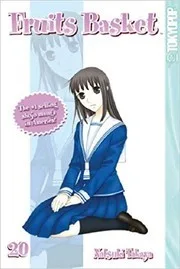
Natsuki Takaya’s Fruits Basket begins with a premise that seems lighthearted – a girl discovers a family cursed to turn into zodiac animals. However, the series quickly evolves into a profound exploration of generational trauma and the arduous process of healing. The character of Tohru Honda, while occasionally bordering on saintly, serves as a vital anchor, her unwavering empathy acting as a balm on the deep wounds of the Sohma family. The depiction of Akito Sohma, the family patriarch and catalyst for much of the emotional turmoil, is particularly nuanced, portraying a figure trapped by his own perceived divinity and the family's patriarchal traditions. A notable limitation is the pacing in certain arcs, which can feel drawn out as Tohru attempts to reach every tormented soul. Yet, the ultimate message of acceptance and the possibility of breaking cycles of abuse makes it a significant work. Fruits Basket successfully uses its fantastical premise to dissect the human condition with remarkable sincerity.
📝 Description
84
Serialized in 1998, Natsuki Takaya's Fruits Basket blends supernatural elements with deep psychological exploration.
Fruits Basket, a manga series by Natsuki Takaya, began serialization in 1998. While appearing as a shojo romance, the story centers on Tohru Honda, an orphan who encounters the secluded Sohma family. She learns their secret: they are cursed to transform into animals of the Chinese zodiac when hugged by someone of the opposite sex. This revelation initiates a complex drama focusing on the characters' emotional struggles and familial burdens.
The narrative examines how a hereditary curse, tied to the Chinese zodiac, affects the Sohma family physically and psychologically. This affliction leads to isolation and perpetuates cycles of abuse and emotional neglect. Tohru Honda's presence and her unconditional kindness act as a catalyst for the Sohmas. Her empathy encourages them to confront their inherited trauma and begin to break free from the curse's literal and metaphorical hold.
This work suits readers who enjoy narratives that combine everyday life with fantastical elements to explore emotional healing and the effects of trauma. It appeals to those interested in character development where relationships are key to resolving internal conflicts. Those seeking pure fantasy action may find the emphasis on emotional processing less appealing.
The Sohma family's curse, rooted in the Chinese zodiac, functions as a metaphor for inherited psychological burdens and the cyclical nature of trauma. This curse's manifestation, tied to physical transformation upon contact, can be seen as an externalization of internal emotional states and interpersonal dynamics. Tohru's role as an empathetic outsider who helps break these cycles aligns with narratives exploring the power of unconditional acceptance and emotional honesty to overcome deeply ingrained patterns, a common theme in spiritual and psychological traditions that examine ancestral influence and personal liberation.
💡 Why Read This Book?
• Understand the esoteric nature of the Chinese zodiac animals as more than just a calendar system, but as symbolic representations of familial bonds and inherited burdens within the Sohma family. • Experience Tohru Honda's unique approach to emotional healing, observing how her unconditional empathy acts as a catalyst for breaking cycles of abuse rooted in the Sohma family's history. • Examine the psychological impact of curses and familial expectations, particularly through the character of Akito Sohma and his struggles with patriarchal authority and isolation.
⭐ Reader Reviews
Honest opinions from readers who have explored this book.
❓ Frequently Asked Questions
When was Fruits Basket first published in Japan?
Fruits Basket by Natsuki Takaya was first published in Japan in July 1998 in *Hana to Yume* magazine, marking its debut in the shojo manga scene.
What is the core supernatural element of Fruits Basket?
The central supernatural element is the Sohma family's curse, where members transform into the 12 animals of the Chinese zodiac when hugged by someone of the opposite sex.
How does Tohru Honda influence the Sohma family?
Tohru Honda, an orphan, influences the Sohma family through her persistent empathy and kindness, encouraging them to confront their past traumas and the emotional burdens of their curse.
Is Fruits Basket considered a fantasy or a drama?
Fruits Basket is often categorized as shojo manga, blending elements of fantasy with intense psychological drama, focusing on character relationships and emotional development.
What does the Sohma family curse represent thematically?
The curse thematically represents inherited trauma, familial obligation, and the struggle for individual freedom within oppressive family structures, particularly patriarchal ones.
Who is the primary antagonist in Fruits Basket?
While many characters struggle with internal demons, Akito Sohma, the head of the family, often acts as the primary antagonistic force due to his possessiveness and the emotional control he exerts.
🔮 Key Themes & Symbolism
The Zodiac Curse
The curse binding the Sohma family to the Chinese zodiac animals is more than a fantastical ailment; it's a metaphor for inherited trauma and the inescapable weight of familial legacy. Each transformation represents a facet of the curse's psychological hold, isolating individuals and perpetuating cycles of abuse and emotional stagnation. The work explores how this curse manifests not just physically but also through deep-seated fears and behavioral patterns, making liberation a spiritual and emotional endeavor rather than merely a magical one.
Empathy as Liberation
Tohru Honda's character embodies radical empathy. Her unconditional acceptance and kindness toward the Sohma family members, despite their flaws and the secrets they harbor, serve as a powerful force for change. This theme suggests that true healing comes not from judgment or forced confession, but from genuine understanding and the courage to connect. Her presence challenges the Sohmas' isolation, demonstrating that vulnerability and shared emotional space are crucial for breaking free from self-imposed and inherited prisons.
Breaking Familial Cycles
Fruits Basket meticulously details the destructive patterns within the Sohma family, passed down through generations. The narrative functions as an allegory for confronting and dismantling oppressive family structures and the trauma they engender. Akito Sohma's role as the 'god' of the family highlights the dangers of absolute patriarchal authority and the isolation it breeds. The story offers a hopeful perspective on the possibility of individuals within a family system choosing to forge new paths, redefine relationships, and heal collective wounds.
Identity and Belonging
The zodiac curse profoundly impacts the Sohmas' sense of self, often blurring the lines between their human identity and their animalistic transformations. This struggle for a cohesive identity is central to their character arcs. The desire for belonging, to be accepted for who they truly are beyond the curse's influence, drives many of their actions. Tohru’s quest to provide a sense of home and acceptance for all the Sohmas underscores the fundamental human need for connection and validation.
💬 Memorable Quotes
Direct passages from the work, attributed to the author.
“I will never forgive anyone who hurts my mother!”
— This declaration, often attributed to Tohru Honda, expresses her fierce protectiveness and unwavering moral compass, particularly concerning the memory of her deceased mother, Kyoko. It highlights her core motivation and the deep wellspring of her strength.
“People are often like that. They do things that hurt others, but they don't realize it.”
— This observation speaks to the pervasive nature of unintentional harm within relationships, a central theme in Fruits Basket. It suggests that characters, like the Sohmas, often act out of their own pain without fully comprehending the impact on others.
“The world is full of things that hurt. But it's also full of things that are good.”
— This sentiment, reflecting Tohru's optimistic outlook, serves as a narrative thesis. It acknowledges the presence of suffering and abuse within the story while championing the enduring power of kindness, hope, and positive experiences.
“I am not a god. I am not divine. I am just a human being.”
— Spoken by Akito Sohma, this realization marks a key moment of self-awareness and a departure from his self-imposed role as the family's infallible leader. It signifies the beginning of his journey toward acknowledging his own humanity and flaws.
💡 Key Ideas
Editorial paraphrase of the work's core concepts — not direct quotes.
There are bonds that are not visible but are stronger than any chain.
This quote underscores the importance of emotional and spiritual connections over physical or enforced ties. It speaks to the power of love, understanding, and shared experience in creating unbreakable bonds between characters.
🌙 Esoteric Significance
Tradition
While not directly aligned with a single established esoteric lineage like Hermeticism or Kabbalah, Fruits Basket draws heavily on archetypal symbolism found in Eastern philosophies, particularly the Chinese zodiac. The cyclical nature of the zodiac and its association with specific personality traits and destinies echoes concepts of karma and interconnectedness. The narrative's focus on spiritual malaise and the search for inner peace also aligns with Buddhist principles of overcoming suffering through understanding and compassion.
Symbolism
The twelve animals of the Chinese zodiac are central symbols, representing not only individual personalities but also the rigid structures and predetermined roles imposed by the Sohma family's patriarchal system. Akito Sohma, as the 'god' of the family, embodies the oppressive force of tradition and divine right. Tohru Honda, conversely, represents unconditional love and the breaking of these imposed structures, acting as a catalyst for individual liberation. The cat, ostracized from the original zodiac cycle, symbolizes alienation and the search for belonging.
Modern Relevance
The themes of inherited trauma, the impact of emotional abuse, and the necessity of empathetic connection continue to resonate strongly in contemporary society. Modern therapeutic practices often focus on breaking intergenerational cycles of harm, a concept vividly illustrated through the Sohma family's struggles. The series' nuanced portrayal of mental health challenges and the power of human connection offers a valuable lens for understanding personal growth and the complexities of familial relationships in the 21st century.
👥 Who Should Read This Book
• Students of comparative mythology and folklore: Those interested in how ancient symbols, like the Chinese zodiac, can be reinterpreted to explore modern psychological and social issues. • Readers seeking character-driven narratives: Individuals who value in-depth character development and appreciate stories where emotional journeys are paramount, particularly those involving themes of healing and resilience. • Aspiring counselors or those interested in psychology: Readers looking for fictional explorations of familial dysfunction, trauma recovery, and the dynamics of empathy in interpersonal relationships will find ample material.
📜 Historical Context
Natsuki Takaya's Fruits Basket began serialization in the Japanese magazine *Hana to Yume* in 1998, a period marked by a growing maturity in the shojo manga genre. While manga like Rumiko Takahashi's *Inuyasha* (begun 1996) offered action-adventure, Takaya's work distinguished itself by focusing intensely on psychological realism and the exploration of deep-seated trauma within a familial context. The late 1990s saw an increasing cultural awareness in Japan surrounding mental health and the impact of abuse, themes Takaya addressed with remarkable nuance for a series aimed at a young female demographic. The series gained immense popularity, leading to a widely successful anime adaptation in 2001. Its reception highlighted a demand for narratives that tackled complex emotional issues beneath a seemingly lighthearted, fantastical surface, diverging from more simplistic romantic or comedic fare common in earlier shojo works.
📔 Journal Prompts
The Sohma family curse and its manifestation in specific characters like Kyo and Yuki.
Tohru Honda's philosophy of empathy and its impact on confronting deep-seated trauma.
Akito Sohma's role as the 'god' of the family and the concept of patriarchal authority.
The symbolism of the zodiac animals and their connection to individual identity within the Sohma clan.
Kyoko Honda's influence on Tohru and the concept of maternal protection.
🗂️ Glossary
Chinese Zodiac Curse
A hereditary affliction within the Sohma family, causing members to transform into one of the twelve animals of the Chinese zodiac when embraced by someone of the opposite sex or under emotional distress.
Tohru Honda
The protagonist, an orphaned high school girl whose innate kindness and empathy become a catalyst for healing the Sohma family's deep-seated emotional wounds.
Sohma Family
A wealthy and influential family bound by the zodiac curse, characterized by internal conflict, abuse, and isolation stemming from their unique affliction.
Akito Sohma
The head of the Sohma family, who believes himself to be divine and exerts significant emotional control over the cursed family members.
Kyo Sohma
A cursed Sohma family member who transforms into the cat, often portrayed as volatile and struggling with his identity and the curse's limitations.
Yuki Sohma
Another cursed Sohma, who transforms into the rat. He is often depicted as gentle and popular but harbors his own deep-seated insecurities and trauma.
Shojo Manga
A category of Japanese comics and graphic novels specifically targeted at a young female audience, often featuring romance, drama, and character-focused narratives.
🔮 Readers Also Liked
Browse all →







More by 高屋奈月
All books →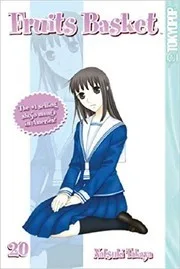





More Free Astrology & Cosmology Books
View all →



![[Medical and astrological texts : in English].](/img/thumb/medical-and-astrological-texts-in-english.webp)