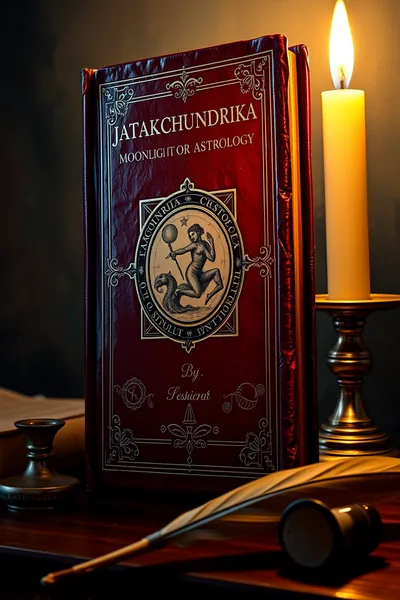
Fruits basket

 71
71

Fruits basket
Natsuki Takaya's Fruits Basket presents an ambitious blend of magical realism and profound psychological exploration. The core conceit, the zodiac curse afflicting the Sohma family, is masterfully employed not just as a plot device but as a potent metaphor for generational trauma and the burden of expectation. Tohru Honda's unwavering optimism, while sometimes bordering on saccharine, acts as a necessary counterpoint to the pervasive darkness within the Sohma clan. A particularly striking element is the nuanced portrayal of Akito Sohma, whose tyrannical presence is gradually revealed to stem from his own deep-seated insecurities and isolation. However, the sheer volume of characters and their intertwined traumas can occasionally lead to narrative sprawl, with certain arcs feeling less developed than others. The series' commitment to depicting the arduous process of healing, rather than offering quick fixes, is its greatest strength. Ultimately, Fruits Basket offers a compelling, if sometimes emotionally taxing, examination of what it means to be free from one's burdens.
📝 Description
71
Natsuki Takaya's manga, serialized from 1998, uses the Chinese zodiac curse to explore human connection.
Fruits Basket, a manga by Natsuki Takaya that began in 1998, tells the story of Tohru Honda, an orphan who finds herself living with the Sohma family. She learns their secret: they are cursed to transform into animals of the Chinese zodiac when hugged or under extreme stress. This fantastical element serves as a framework for examining deep psychological themes.
The series delves into the complexities of trauma, the need for acceptance, and the search for a place to belong. Tohru's interactions with the Sohmas reveal their individual struggles and the weight of familial expectations. The narrative addresses mental health, the impact of dysfunctional families, and the long process of healing from past hurts.
While often seen as shojo manga, Fruits Basket's focus on character development and emotional resonance gives it a broader appeal. It is a story that champions empathy and understanding, showing how these qualities can help individuals cope with pain and societal pressures.
The narrative is built around the Chinese zodiac cycle, a significant element in many East Asian cosmological traditions. This system, which assigns animal archetypes to years, becomes a literal curse for the Sohma family, forcing transformations under specific conditions. The book uses this astrological framework to symbolize inherited burdens, emotional repression, and the struggle to break free from cyclical patterns of suffering. It connects the external, celestial order of the zodiac to the internal, psychological landscape of its characters.
💡 Why Read This Book?
• Gain insight into the symbolic weight of the Chinese Zodiac, as Natsuki Takaya uses each animal's characteristics to represent distinct psychological burdens and familial roles. • Experience a narrative that champions radical empathy through Tohru Honda's character, illustrating how genuine understanding can begin to dismantle deeply ingrained cycles of abuse and neglect. • Understand the concept of inherited trauma, as the Sohma family's curse serves as a powerful allegory for how past suffering can manifest and impact future generations.
⭐ Reader Reviews
Honest opinions from readers who have explored this book.
❓ Frequently Asked Questions
What is the origin of the Sohma family's curse in Fruits Basket?
The curse originates from a legend involving the Zodiac gods. The Sohma family members are possessed by the spirits of the Chinese zodiac animals, transforming when embraced by someone of the opposite sex or under extreme emotional distress.
When was Fruits Basket first published?
The manga series Fruits Basket by Natsuki Takaya was first published in Japan in July 1998.
How many zodiac animals are involved in the Sohma family curse?
There are twelve zodiac animals (Rat, Ox, Tiger, Rabbit, Dragon, Snake, Horse, Goat, Monkey, Rooster, Dog, Boar) plus the cat, who was excluded from the original legend, making thirteen cursed individuals in the Sohma family.
What is the significance of the Sohma family's cat?
The character Kyo Sohma is cursed by the cat, who was excluded from the official Zodiac banquet in the legend. This exclusion symbolizes his status as an outsider and his constant struggle for acceptance within the family.
Does Fruits Basket explore mental health themes?
Yes, the series extensively explores themes of depression, anxiety, self-harm, and the impact of childhood trauma, offering a nuanced look at the characters' psychological struggles.
Is there a connection between the manga and the anime adaptations?
Yes, there is a 2001 anime adaptation and a more recent, complete adaptation that began in 2019. The 2019 series covers the entire manga storyline, unlike the original.
🔮 Key Themes & Symbolism
The Zodiac Curse as Metaphor
The central conceit of the Sohma family's curse, where members transform into Chinese zodiac animals, serves as a profound metaphor for inherited trauma and the weight of familial expectations. Each animal's transformation is tied to specific emotional triggers and physical intimacy, illustrating how deeply ingrained psychological burdens can manifest. This supernatural element allows Takaya to explore themes of identity, societal pressure, and the struggle for liberation from ancestral suffering in a uniquely compelling manner, making the fantastical premise a vehicle for deep humanistic exploration.
Empathy and Acceptance
Tohru Honda embodies radical empathy, her unwavering kindness acting as a catalyst for change within the fractured Sohma family. Her ability to see past the curse and the characters' often harsh exteriors to their inner pain is central to the narrative's healing arc. The story suggests that genuine acceptance, not of the curse itself but of the suffering it represents, is crucial for breaking free from its cycle. This theme underscores the power of compassion in overcoming isolation and fostering connection, even in the most challenging circumstances.
Cycles of Abuse and Healing
Fruits Basket unflinchingly depicts the long-lasting effects of emotional and psychological abuse, particularly within the patriarchal structure of the Sohma family. Characters grapple with abandonment, neglect, and manipulation, showcasing how these experiences create deep emotional scars. The narrative follows their arduous journey toward healing, emphasizing that recovery is not linear but involves confronting painful truths, seeking support, and ultimately reclaiming agency over one's life and emotional well-being.
Identity vs. Destiny
The Sohma family members are often defined by their zodiac curse and the role it dictates within the family hierarchy. The conflict between their imposed destiny and their individual desires for selfhood is a recurring motif. Characters like Kyo and Yuki struggle to reconcile their cursed existence with their personal aspirations and sense of self. The series explores the idea that true freedom comes not from escaping one's circumstances entirely, but from understanding and integrating them into a unique, authentic identity.
💬 Memorable Quotes
Direct passages from the work, attributed to the author.
“I won't run away anymore.”
— This declaration, often made by characters facing their deepest fears or traumas, signifies a turning point in their personal journeys. It represents the active decision to confront internal struggles rather than succumb to them, marking the beginning of self-acceptance and healing.
“Don't blame yourself. You can't blame yourself.”
— This sentiment is frequently offered by Tohru to the Sohma family members, encouraging them to release the burden of guilt and self-recrimination. It highlights the narrative's core message that characters are often victims of circumstance and familial toxicity, not inherently flawed individuals.
“A person who can't even love themselves... can't make anyone else happy.”
— This poignant statement emphasizes the importance of self-love as a prerequisite for healthy relationships. It suggests that until characters can accept and value themselves, their attempts to connect with others are often undermined by their own insecurities and unresolved issues.
“Even if I can't see you, I know you're there. I can feel you.”
— This speaks to the enduring bonds of connection, even in the face of separation or misunderstanding. It represents the intuitive understanding and emotional ties that persist between characters, suggesting that true relationships transcend physical presence.
💡 Key Ideas
Editorial paraphrase of the work's core concepts — not direct quotes.
Why are you looking at me like that? I'm not human.
Spoken by characters grappling with their cursed forms, this quote underscores their feelings of alienation and dehumanization. It reflects the deep psychological impact of the curse, where their animalistic transformations lead them to question their own humanity and worth.
🌙 Esoteric Significance
Tradition
While not explicitly tied to a single esoteric lineage, Fruits Basket draws heavily on the symbolism and cyclical nature inherent in Eastern philosophies, particularly the Chinese Zodiac. Its exploration of curses, inherited burdens, and spiritual transformation aligns with concepts found in various folk magical traditions and psychological archetypes explored in depth psychology. The narrative can be viewed through a lens of karmic cycles and the quest for spiritual liberation from earthly afflictions, common threads in many metaphysical systems.
Symbolism
The primary symbolism revolves around the twelve animals of the Chinese Zodiac and the cat. Each animal represents specific personality traits and archetypes, which are then magnified and distorted by the curse, symbolizing the characters' internal struggles and societal roles. The curse itself symbolizes inherited trauma and the inescapable weight of family history. Tohru Honda, often associated with the 'unconditional love' archetype, acts as a purifying force, seeking to break these cycles through empathy and acceptance.
Modern Relevance
In contemporary discussions around mental health and healing, Fruits Basket remains highly relevant. Its nuanced portrayal of trauma survivors, codependency, and the process of seeking and offering support speaks to modern readers. Therapists and counselors sometimes reference the series for its accessible depiction of complex psychological issues. Furthermore, its themes of breaking free from toxic family dynamics and finding personal identity continue to be explored in contemporary literature and media, demonstrating the enduring power of Takaya's narrative.
👥 Who Should Read This Book
• Readers interested in psychological narratives: Those who appreciate stories that study the complexities of the human psyche, particularly exploring trauma, healing, and emotional resilience. • Fans of magical realism: Individuals who enjoy narratives that blend fantastical elements with grounded emotional and social commentary, offering a unique perspective on real-world issues. • Students of symbolism and folklore: Readers seeking to explore the detailed symbolism of the Chinese Zodiac and its application in character development and thematic exploration within a compelling fictional context.
📜 Historical Context
Fruits Basket, launched in 1998 by Natsuki Takaya, arrived during a fertile period for shojo manga, a genre that was increasingly pushing narrative boundaries. While often placed alongside works like CLAMP's Cardcaptor Sakura for its magical elements and young female protagonist, Fruits Basket distinguished itself with a more mature exploration of psychological trauma and familial dysfunction. The series' serialization ran through 2006, a decade that saw significant growth in manga's international appeal, and its subsequent 2001 anime adaptation further amplified its reach. Unlike lighter fare, Takaya's narrative grappled with themes of abuse, depression, and existential angst, which was relatively uncommon for mainstream shojo at the time. This willingness to engage with darker subject matter, while maintaining a core message of hope, positioned it as a significant work that contributed to the evolving range of Japanese comics, demonstrating a capacity for profound emotional depth within the genre.
📔 Journal Prompts
The Sohma family's curse and its manifestation.
Tohru Honda's capacity for empathy and acceptance.
The cycle of abuse within the Sohma family.
Characters' struggles with identity versus destiny.
Moments of self-liberation and healing.
🗂️ Glossary
The Curse
The supernatural affliction affecting the Sohma family, causing them to transform into Chinese zodiac animals when embraced by someone of the opposite sex or under intense emotional strain. It represents inherited trauma and familial burdens.
Zodiac Animals
The thirteen animals (12 zodiac plus the cat) whose spirits are bound to members of the Sohma family. Each animal embodies specific traits that influence the cursed individual's personality and relationships.
Tohru Honda
The protagonist, an orphan who becomes entangled with the Sohma family. Her unwavering kindness and empathy serve as a catalyst for healing and breaking the curse's hold.
Akito Sohma
The head of the Sohma family and the primary antagonist for much of the series. His tyrannical nature stems from deep-seated insecurity and a desperate need for control over his cursed family.
Kyo Sohma
A key character cursed by the cat. He is volatile and struggles with feelings of inferiority and rejection due to his exclusion from the main zodiac legend.
Yuki Sohma
Another central character cursed by the rat. Often called the 'Prince' for his popularity, he grapples with isolation and the desire for genuine connection.
Shigure Sohma
An eccentric author cursed by the dog. He often acts as a mediator and observer, though his motives can be complex and self-serving.
🔮 Readers Also Liked
Browse all →







More by 高屋奈月
All books →





More Free Astrology & Cosmology Books
View all →