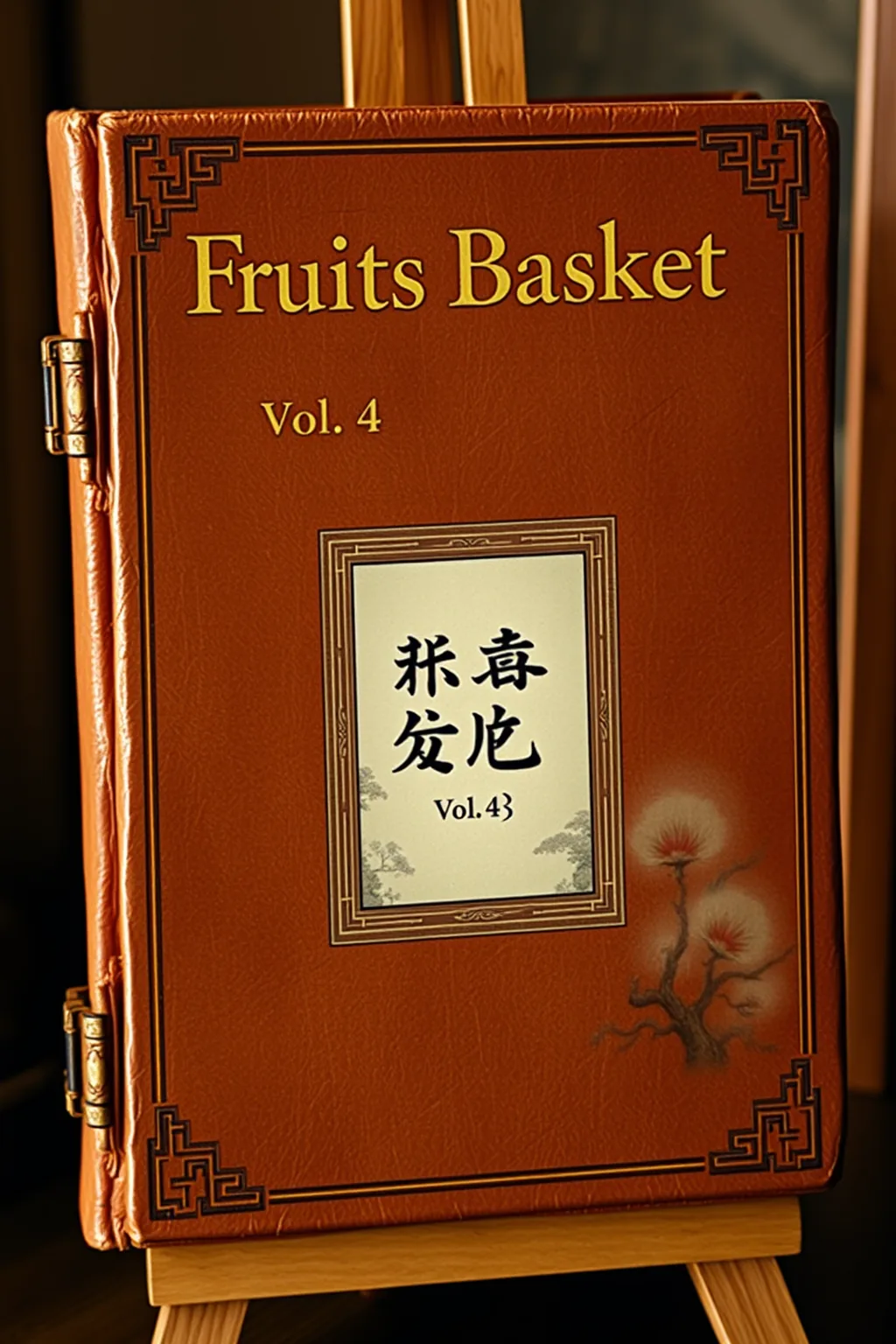
Fruits Basket, Vol. 4
 70
70

Fruits Basket, Vol. 4



Balthazar Finch (Senior Critic, Occult Philosophy) — 'Fruits Basket, Vol. 4' transcends its manga origins to offer a surprisingly rich exploration of esoteric principles. Takaya’s nuanced portrayal of the Sohma curse, linked to the venerable Chinese Zodiac, serves as a potent allegory for inherited trauma and the struggle for self-liberation. The narrative deftly unpacks themes of cyclical destiny and the transformative power of genuine connection, echoing alchemical processes of transmutation. Readers seeking a blend of profound storytelling and subtle spiritual inquiry will find this volume a compelling, emotionally resonant experience. Its strength lies in making complex metaphysical concepts accessible through relatable characters and heartfelt interactions.
📝 Description
70
In Fruits Basket, Vol. 4, Natsuki Takaya continues Tohru Honda's encounters with the Sohma family's zodiacal curse.
Volume 4 of Natsuki Takaya's Fruits Basket follows Tohru Honda as she continues to interact with the cursed Sohma family. Tohru's persistent kindness begins to affect the individuals bound by the curse, which causes them to transform into animals of the Chinese zodiac when hugged by someone of the opposite sex. This installment focuses on the emotional weight carried by the family members, revealing the origins and effects of their spiritual affliction. The narrative examines the characters' internal struggles with their inherited burdens and their relationships with each other. Takaya uses the zodiacal spirits to represent deep seated emotional states and familial trauma. As Tohru learns more about their predicament, she also grapples with her own past and the possibility of genuine connection.
The story unfolds through Tohru's interactions, highlighting her empathy as a catalyst for change within the isolated Sohma household. The volume touches on themes of acceptance and the difficult process of breaking free from long standing patterns. Each character's zodiacal animal becomes a metaphor for their personality and the specific challenges they face. The narrative explores how these external manifestations reflect internal emotional landscapes and the complex dynamics of familial obligation. It is a story about finding one's place and the strength required to confront inherited curses.
This volume situates itself within a tradition that uses folkloric elements to explore psychological and spiritual themes. The Chinese Zodiac, a system deeply embedded in East Asian cultures, serves as a symbolic framework. Its association with personality traits, destiny, and cyclical patterns offers a lens through which to examine the characters' inherited burdens and their struggle for liberation. The curse itself functions as a metaphor for inescapable familial patterns and karmic entanglements, suggesting that understanding these forces is the first step toward transformation. The narrative hints at a belief in interconnectedness, where individual emotional states can influence external circumstances and personal bonds can begin to unravel deep seated spiritual afflictions.
💡 Why Read This Book?
Embark on a mystical journey where the ancient wisdom of the Chinese Zodiac guides profound personal growth. This volume offers seekers an accessible gateway to understanding destiny, karma, and the transformative power of empathy. Scholars of symbolism and mythology will appreciate the intricate allegorical layers. Ideal for those who believe in the interconnectedness of all things and the inherent magic within human relationships.
⭐ Reader Reviews
Honest opinions from readers who have explored this book.
❓ Frequently Asked Questions
What is the core esoteric concept explored in Vol. 4?
The core esoteric concept is the manifestation of ancestral curses and inherited burdens through the Chinese Zodiac, illustrating how these ancient bonds influence personal freedom and the path to liberation and self-acceptance.
How does the Chinese Zodiac function as a mystical element?
The Chinese Zodiac in 'Fruits Basket' acts as a potent symbolic system, with each animal spirit representing primal energies, psychological archetypes, and karmic cycles that bind the Sohma family, influencing their transformations and interactions.
What is the significance of Tohru Honda's role?
Tohru Honda serves as an empathic anchor, her unwavering kindness and acceptance acting as a catalyst for healing and breaking down the emotional barriers imposed by the family's curse, embodying the transformative power of unconditional love.
Are there hidden meanings in the character transformations?
Yes, the transformations are deeply symbolic, representing suppressed emotions, primal instincts, and the struggle to reconcile one's true self with societal or familial expectations, echoing themes of shadow work and integration.
Is this volume suitable for beginners in esoteric studies?
Absolutely. 'Fruits Basket, Vol. 4' provides an accessible and emotionally engaging entry point into themes of destiny, karma, and the symbolic power of ancient traditions, making esoteric concepts relatable and compelling.
🔮 Key Themes & Symbolism
The Binding of the Zodiacal Curse
This volume examines the esoteric nature of the Sohma family's curse, where the spirits of the Chinese Zodiac are bound by an ancient pact. This isn't merely a magical affliction but a profound allegory for inherited generational trauma and the psychological chains that bind individuals to their past. The transformations into animals represent the manifestation of primal instincts and suppressed emotions, forcing characters to confront their deepest selves and the limitations imposed by their lineage. Understanding this curse is key to unlocking the path towards spiritual freedom and self-discovery, mirroring esoteric philosophies on breaking free from karmic cycles and societal conditioning.
Empathy as a Transformative Force
Tohru Honda's unwavering empathy acts as a potent esoteric force, capable of unraveling the deepest emotional knots. Her ability to see beyond the curse and acknowledge the inherent worth of each individual mirrors ancient healing traditions that emphasize compassion and acceptance. This theme explores the alchemical process of emotional transmutation, where understanding and kindness can dissolve long-held resentments and break down the walls of isolation. The narrative suggests that true connection and genuine love possess a sacred power to heal wounds that even powerful magic cannot fully mend, highlighting the spiritual significance of human interaction.
The Symbolism of Transformation and Acceptance
The recurring motif of transformation, both literal and metaphorical, is central to the esoteric underpinnings of 'Fruits Basket, Vol. 4.' Each character's struggle with their zodiacal animal reflects an internal battle between their true nature and the roles they are forced to play. This volume encourages a profound exploration of self-acceptance, urging readers to embrace all facets of their being, including their perceived flaws and vulnerabilities. The journey towards acceptance is depicted as a sacred rite of passage, essential for spiritual growth and for breaking free from the illusion of separation, ultimately leading to a more authentic and harmonious existence.
💬 Memorable Quotes
Direct passages from the work, attributed to the author.
“I will always be with you, no matter what happens.”
— This simple declaration embodies the profound power of unconditional love and steadfast support, a core tenet in many spiritual traditions for overcoming adversity and fostering inner peace.
“If you can't love yourself, how can you love anyone else?”
— A timeless piece of wisdom that carries the esoteric principle of self-mastery as the foundation for genuine external relationships and spiritual enlightenment.
“It's okay to cry. It's okay to be sad.”
— This gentle reminder validates the importance of emotional release and authentic expression, essential for psychological and spiritual healing, mirroring the cathartic elements in ancient healing rituals.
💡 Key Ideas
Editorial paraphrase of the work's core concepts — not direct quotes.
I don't want to be alone anymore.
A raw expression of universal human longing for connection, this quote speaks to the primal need for belonging and the spiritual void created by isolation and fear.
Even if I get lost, I'll find my way back.
This quote signifies resilience, hope, and the inner compass that guides individuals through life's uncertainties, reflecting the spiritual journey of navigating darkness to find light.
🌙 Esoteric Significance
Tradition
The narrative draws heavily from the symbolism and cyclical nature inherent in the Chinese Zodiac, a core component of Taoist philosophy and traditional Chinese cosmology. It also echoes themes found in Gnosticism and other esoteric traditions that explore the concept of inherited burdens, spiritual awakening, and the arduous path towards self-realization and liberation from earthly constraints.
Symbolism
The animal transformations are potent symbols for the manifestation of primal energies, psychological archetypes, and the unconscious mind. The curse itself symbolizes the binding power of karma, ancestral trauma, and societal conditioning. Tohru's light represents unconditional love and acceptance, acting as a spiritual catalyst for healing and breaking these ancient chains, akin to the alchemical process of purification and transformation.
Modern Relevance
In a world grappling with inherited societal issues, psychological complexities, and the search for authentic connection, 'Fruits Basket' offers profound contemporary relevance. It provides an accessible framework for understanding personal struggles through the lens of symbolic archetypes and the power of empathy. The narrative’s exploration of healing generational wounds and embracing vulnerability resonates deeply with modern seekers on paths of self-discovery and emotional well-being.
👥 Who Should Read This Book
This volume is a treasure for those new to esoteric concepts, offering an emotionally engaging introduction to themes of destiny, karma, and the power of empathy. Scholars of mythology and comparative religion will find rich allegorical content in the use of the Chinese Zodiac. Spiritual seekers will appreciate the narrative's exploration of self-acceptance and overcoming inherited burdens. Practitioners of mindfulness and emotional healing will connect with the profound emphasis on compassion and vulnerability as transformative forces.
📜 Historical Context
Published in the early 2000s, 'Fruits Basket' emerged during a period of significant global cultural exchange, where Japanese manga and anime gained widespread international recognition. This era saw a growing fascination with Eastern philosophies and mythologies in the West, making Takaya's blend of the Chinese Zodiac with relatable human drama particularly resonant. The manga tapped into a burgeoning interest in spiritual and emotional depth within popular fiction, moving beyond simple entertainment to explore complex psychological and philosophical themes. The series reflects a broader cultural trend of seeking meaning and connection in a rapidly changing world, offering solace and understanding through narratives that explore the human condition with a unique spiritual sensibility.
📔 Journal Prompts
Reflect on a time you felt bound by external expectations or a past experience. How did you begin to break free?
Consider your own personal archetypes or animalistic tendencies. How do they manifest in your life, and what do they reveal about your inner self?
How has empathy, or the lack thereof, impacted your relationships and personal growth?
What does 'acceptance' truly mean to you, both for yourself and for others?
Explore the concept of 'inherited burdens' from your family or cultural background. What are they, and how might you begin to transmute their influence?
🗂️ Glossary
Chinese Zodiac
An ancient East Asian system that assigns an animal and its reputed characteristics to each year in a repeating 12-year cycle, often used in astrology and cultural lore to predict personality and fortune.
Curse
In a mystical context, an enchantment or supernatural affliction placed upon a person, place, or object, often intended to bring misfortune or control behavior, representing deeper psychological or karmic entanglements.
Archetype
A universal, archaic symbol, image, or theme that derives its meaning from the collective unconscious and is often found in myths, dreams, and literature, representing fundamental human experiences.
Karma
The principle of cause and effect in action and its consequences, often understood as a spiritual law of retribution where one's actions in this life or past lives influence their future destiny.
Empathy
The ability to understand and share the feelings of another, often considered a spiritual gift that facilitates connection, healing, and compassionate action.
This book appears in 2 collections
🔮 Readers Also Liked
Browse all →









More by 高屋奈月
All books →





From the “Astrology” Collection
View all →







More Free Astrology & Cosmology Books
View all →