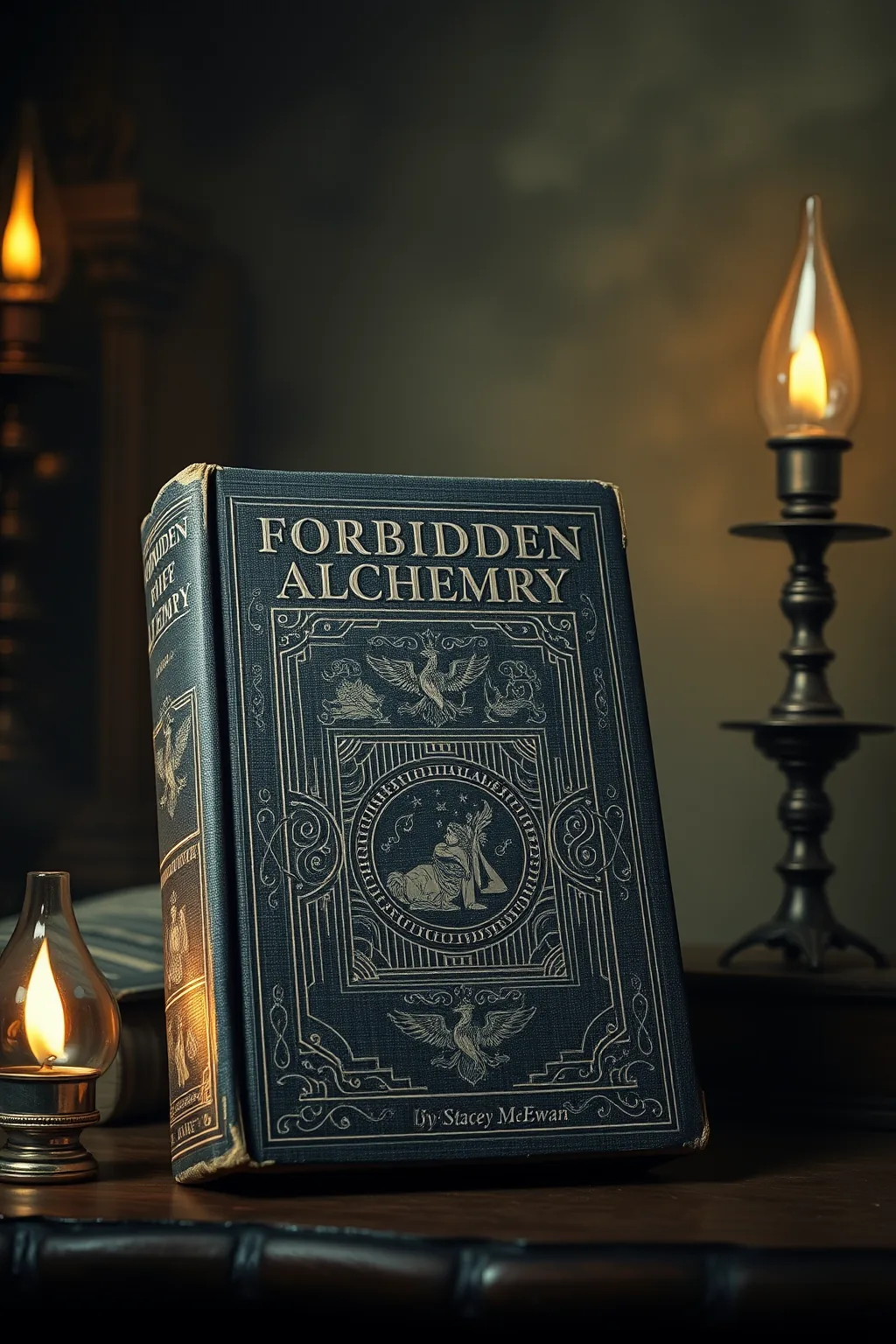
Forbidden Alchemy
 63
63

Forbidden Alchemy

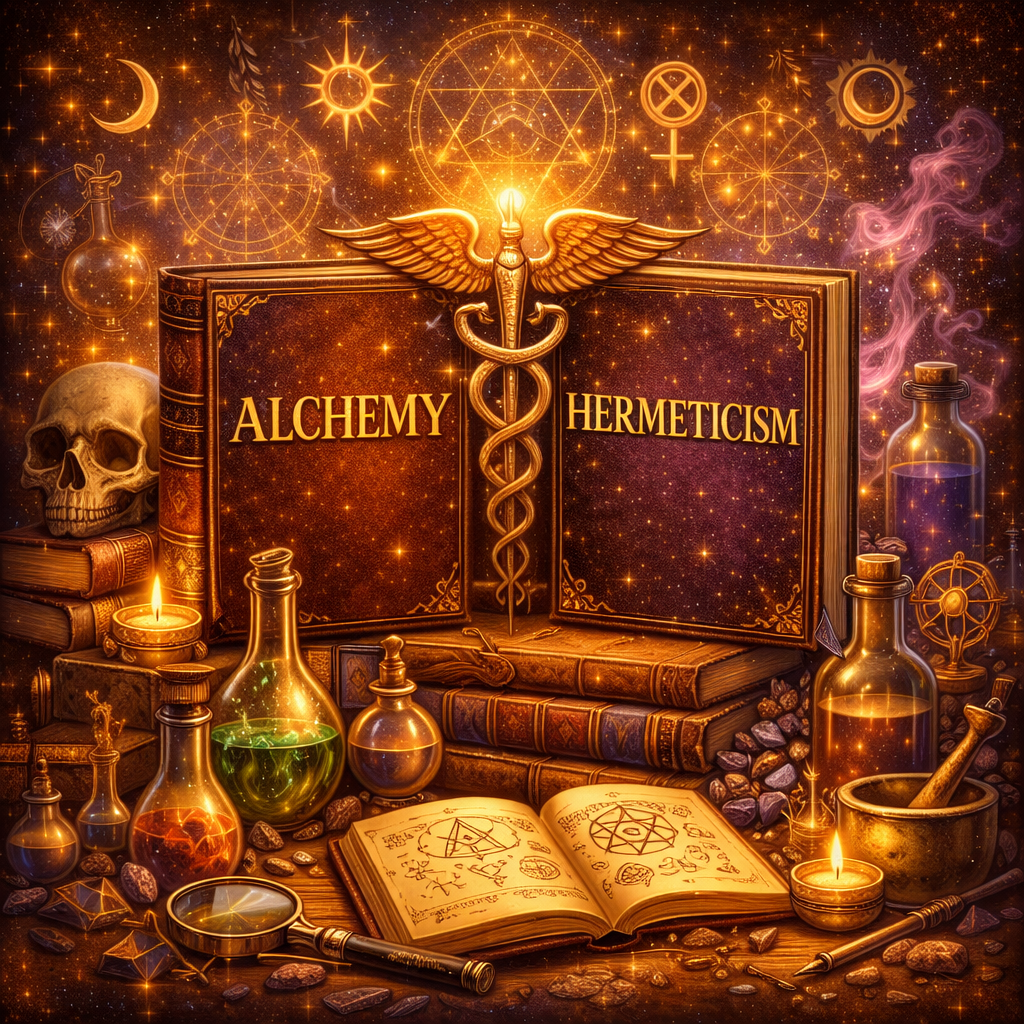

'Forbidden Alchemy' by Stacey McEwan is a masterful exploration of the esoteric arts, offering readers a rare glimpse into the hidden world of alchemy and hermeticism. McEwan's work is both scholarly and accessible, making complex concepts understandable without sacrificing depth. The book's strength lies in its ability to blend historical context with contemporary insights, providing a comprehensive view of alchemy's enduring relevance. For those interested in the mystical and the occult, 'Forbidden Alchemy' is an indispensable resource, rich with esoteric insights and philosophical significance.
📝 Description
63
Stacey McEwan's 'Forbidden Alchemy' examines the symbolism and hidden knowledge within hermetic arts.
This book looks into the symbolic language and veiled concepts of alchemy and hermeticism. McEwan structures the text to reveal concealed information that has long drawn the attention of academics and spiritual practitioners. It presents a detailed account of esoteric ideas, aiming to provide intellectual stimulation alongside spiritual insight. The writing style fosters a sense of discovery, as if ancient lore is being shared directly, guiding the reader toward uncovering veiled realities.
'Forbidden Alchemy' is designed for those wanting to grasp the philosophical foundations of alchemical practice. It covers the hermetic arts in detail, making it a good resource for anyone interested in the mystical and the occult. The book aims to aid both experienced individuals and newcomers on their journey toward greater comprehension and spiritual development. It works to demystify complex ideas, offering a clear path for exploration.
Within the broader field of Western esotericism, 'Forbidden Alchemy' situates itself among works that decode the symbolic language of alchemical traditions. It engages with the hermetic principles that have shaped magical and philosophical thought for centuries. The book connects these historical currents to a modern understanding of esoteric practices, focusing on the transmission of hidden knowledge. It speaks to a lineage of texts that sought to interpret the allegorical narratives of transformation inherent in alchemy.
💡 Why Read This Book?
Why read 'Forbidden Alchemy'? This book is a must-read for seekers of hidden knowledge, scholars of esoteric traditions, and practitioners of the hermetic arts. It offers a deep dive into the symbolism and philosophical underpinnings of alchemy, providing both historical context and modern relevance. Whether you are looking to expand your spiritual horizons or deepen your understanding of the occult, this book is an invaluable guide.
⭐ Reader Reviews
Honest opinions from readers who have explored this book.
❓ Frequently Asked Questions
What is the primary focus of 'Forbidden Alchemy'?
The primary focus of 'Forbidden Alchemy' is the exploration of alchemy and hermeticism, delving into the hidden knowledge and symbolism of these ancient practices.
Who is the intended audience for this book?
The intended audience includes seekers of esoteric knowledge, scholars of occult studies, and practitioners of the hermetic arts.
Does the book provide historical context?
Yes, 'Forbidden Alchemy' offers a rich historical context, exploring the era in which alchemy flourished and its enduring influence.
Are there any modern applications discussed in the book?
The book discusses the modern relevance of alchemy, highlighting how its principles are still applied by contemporary practitioners.
Is 'Forbidden Alchemy' suitable for beginners?
While the book is accessible to beginners, it is also rich enough in content to be valuable to experienced scholars and practitioners.
🔮 Key Themes & Symbolism
The Alchemical Process
The book explores the intricate process of alchemy, exploring the stages of transformation from base materials to the philosopher's stone. This theme is rich in symbolism, representing the spiritual journey of the seeker. McEwan's insights into the alchemical process offer a profound understanding of the hermetic arts and their mystical significance.
Symbolism in Alchemy
Symbolism is a central to 'Forbidden Alchemy,' with McEwan providing detailed interpretations of the symbols used in alchemical texts. These symbols, often cryptic and multilayered, hold deep esoteric meanings that reveal hidden truths about the universe and the self. The book's exploration of symbolism makes it an invaluable resource for those seeking to decipher the codes of the hermetic tradition.
Hermetic Philosophy
The book offers a comprehensive exploration of hermetic philosophy, the underlying principles that guide the practice of alchemy. McEwan's insights into the hermetic worldview provide a framework for understanding the spiritual and philosophical significance of alchemy. This theme is essential for anyone seeking to grasp the deeper meanings of the hermetic arts and their relevance to modern spirituality.
💬 Memorable Quotes
Direct passages from the work, attributed to the author.
“'Symbols are the language of the divine.'”
— McEwan highlights the sacred nature of symbols in alchemy, suggesting that they hold divine wisdom.
“'Alchemy is the art of transmutation, both physical and spiritual.'”
— The quote emphasizes the dual nature of alchemy, encompassing both material and spiritual transformation.
💡 Key Ideas
Editorial paraphrase of the work's core concepts — not direct quotes.
'The journey of alchemy is the journey of the soul.'
This quote underscores the spiritual dimension of alchemy, emphasizing the transformative power of the alchemical process.
'The philosopher's stone is not a physical substance but a state of being.'
This quote reveals the esoteric understanding of the philosopher's stone as a spiritual achievement rather than a material one.
'The seeker's path is one of revelation and discovery.'
This quote captures the journey of the alchemical seeker, highlighting the process of uncovering hidden truths.
🌙 Esoteric Significance
Tradition
Forbidden Alchemy' belongs to the hermetic tradition, which encompasses a wide range of esoteric practices and beliefs. Hermeticism is rooted in the teachings of Hermes Trismegistus, a mythical figure associated with the ancient wisdom of Egypt. This tradition emphasizes the unity of all things and the transformative power of knowledge.
Symbolism
Key symbols in 'Forbidden Alchemy' include the philosopher's stone, the ouroboros, and the alchemical symbols for various elements and processes. These symbols are rich in meaning, representing the stages of spiritual transformation and the quest for hidden knowledge. The book provides detailed interpretations of these symbols, offering insights into their esoteric significance.
Modern Relevance
'Forbidden Alchemy' remains relevant today, as modern practitioners continue to explore the principles of alchemy in their spiritual and personal development. The book's insights into the alchemical process and symbolism are valuable for those seeking to understand the deeper meanings of the hermetic arts and their application in contemporary spirituality.
👥 Who Should Read This Book
Beginners interested in the mystical and occult will find 'Forbidden Alchemy' an accessible introduction to the world of alchemy and hermeticism. Scholars of esoteric studies will appreciate the book's depth and scholarly rigor. Spiritual seekers will be inspired by the useful insights into the spiritual journey of transformation. Practitioners of the hermetic arts will find valuable tools and techniques for their own alchemical work.
📜 Historical Context
Forbidden Alchemy' was written during a time of renewed interest in the occult and esoteric traditions, reflecting the spiritual seeking of the era. The book draws on the long history of alchemy, which dates back to ancient Egypt and flourished during the Middle Ages and Renaissance. Alchemy, with its blend of science, philosophy, and spirituality, was a key influence on the development of modern chemistry and psychology. McEwan's work captures the enduring fascination with alchemy, making it an important contribution to the study of esoteric traditions.
📔 Journal Prompts
Reflect on the stages of the alchemical process and how they might apply to your own spiritual journey.
Explore the symbolism of the philosopher's stone and what it means to you personally.
Consider the role of symbolism in your own life and how it might reveal hidden truths.
Write about the transformative power of knowledge and how it can lead to spiritual growth.
Think about the unity of all things and how this concept can influence your understanding of the world.
🗂️ Glossary
Alchemy
An ancient practice that combines elements of chemistry, philosophy, and spirituality, aiming to transform base materials into the philosopher's stone.
Hermeticism
A tradition of esoteric wisdom attributed to the mythical figure Hermes Trismegistus, emphasizing the unity of all things.
Philosopher's Stone
A legendary substance in alchemy believed to transform base metals into gold and grant immortality, symbolizing spiritual enlightenment.
Ouroboros
A symbol of a serpent or dragon swallowing its own tail, representing the cycle of life, death, and rebirth in alchemy.
Transmutation
The process of transforming one substance into another, both physically and spiritually, a central concept in alchemy.
This book appears in 3 collections
🔮 Readers Also Liked
Browse all →







From the “Hermeticism” Collection
View all →







More Free Alchemy & Hermeticism Books
View all →