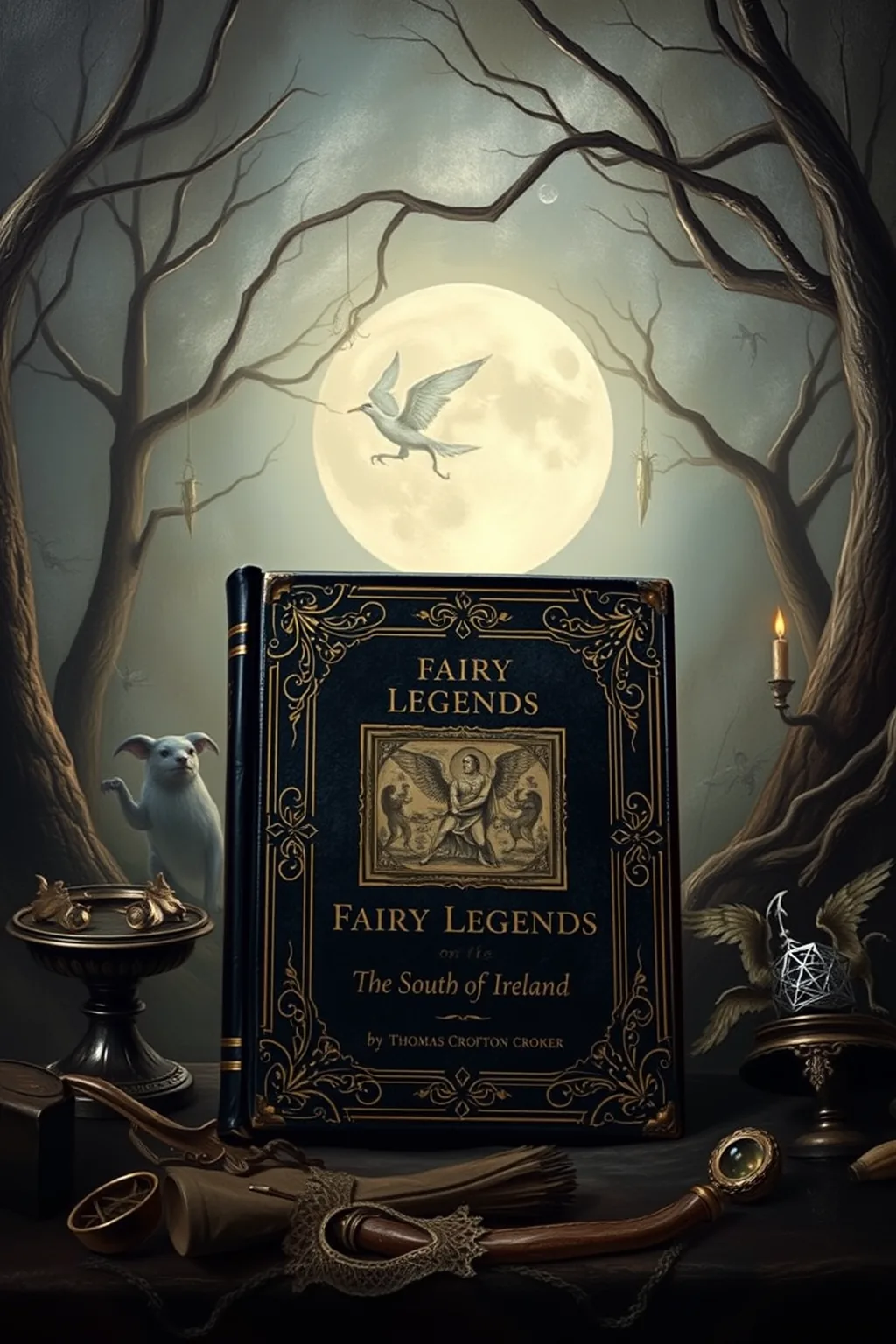
Fairy Legends and Traditions of the South of Ireland
 78
78

Fairy Legends and Traditions of the South of Ireland


Celeste Moreau (Divination & Symbolism Reviewer) — Thomas Crofton Croker's "Fairy Legends and Traditions of the South of Ireland" is a foundational text for anyone delving into Celtic esotericism. Croker's meticulous collection, though refined for wider appeal, retains the potent essence of Irish folk magic. The book offers invaluable insights into ancient belief systems, the symbolic language of nature spirits, and the emotional resonance of ritualistic laments. It’s a vital bridge between raw folklore and esoteric study, illuminating the archetype of the 'Otherworld' and its persistent influence on the human psyche. This work is essential for scholars of comparative mythology, practitioners of folk magic, and seekers yearning for a deeper connection to ancestral wisdom.
📝 Description
78
Thomas Crofton Croker published "Fairy Legends and Traditions of the South of Ireland" in 1825, collecting tales from southern Ireland.
Thomas Crofton Croker's "Fairy Legends and Traditions of the South of Ireland" appeared in 1825. Croker assembled stories gathered from oral traditions in southern Ireland, focusing on the region's fairy lore and superstitions. He aimed to present these tales to an English-speaking readership while retaining their original character.
The book details encounters with various supernatural beings, including sprites and phantoms, and touches upon customs like keening, the traditional Irish lament. Croker's collection captures a worldview where the supernatural was an accepted part of life. It offers insight into the beliefs and anxieties present in rural Irish society during the early 19th century.
This collection fits within the broader interest in folklore and the occult that characterized the Romantic period. As societies modernized, there was a renewed focus on preserving what were seen as older, more 'authentic' beliefs and practices. Croker's work taps into this fascination with the hidden, the magical, and the 'primitive' aspects of culture, viewing them as repositories of a deeper, often forgotten, connection to nature and the unseen world.
✍️ Author
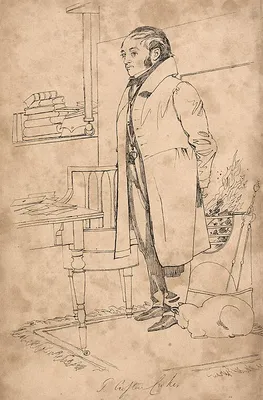
Thomas Crofton Croker
Thomas Crofton Croker (15 January 1798 – 8 August 1854) was an Irish antiquary, best known for his Fairy Legends and Traditions of the South of Ireland (1825–1828), and who also showed considerable interest in Irish song and music. Although Fairy Legends p…
💡 Why Read This Book?
This book is a direct conduit to the vibrant, often perilous, spirit world of ancient Ireland. It offers a rare glimpse into pre-Christian beliefs, magical practices, and the enduring power of folklore. Ideal for seekers of hidden knowledge, students of comparative mythology, and practitioners looking to ground their understanding in authentic, potent traditions. Unlock the secrets whispered by the land itself.
⭐ Reader Reviews
Honest opinions from readers who have explored this book.
❓ Frequently Asked Questions
What is the primary focus of this book?
The book primarily focuses on collecting and presenting the fairy legends, folk tales, superstitions, and keening traditions from the southern regions of Ireland, offering a window into the mystical beliefs and oral heritage of the people.
Who was Thomas Crofton Croker?
Thomas Crofton Croker was an antiquarian and collector of Irish folklore who first published this collection in 1825. His work was instrumental in popularizing Irish rural lore for a wider, Victorian audience.
Are the tales presented exactly as they were told?
Croker significantly shaped and smoothed the raw field material for an English-speaking audience. While the essence of the tales is preserved, they were adapted for readability and broader appeal.
What is 'keening' as mentioned in the description?
Keening refers to the ancient Irish tradition of wailing or lamenting, often performed at funerals. It was a deeply spiritual and emotional expression, often believed to have connections to the spirit world.
Is this book suitable for beginners in folklore studies?
Yes, its lively and readable style makes it an accessible entry point for beginners interested in folklore and mythology, while still offering depth for more seasoned researchers.
🔮 Key Themes & Symbolism
The Faerie Realm and Its Inhabitants
This volume plunges readers into the intricate world of the 'Sídhe' – the faerie folk of Irish lore. It meticulously details their diverse forms, their capricious natures, their hidden dwellings within mounds and ancient sites, and their complex interactions with humanity. Beyond mere fantastical creatures, these tales explore the archetypal forces that govern nature, fertility, and destiny, offering a profound understanding of a worldview where the spiritual and physical realms are inextricably intertwined. The book illuminates the ancient pacts and taboos that governed human engagement with these powerful beings, revealing a deep respect for the unseen energies that shape existence.
Traces of Ancient Irish Spirituality
Fundamentally, , "Fairy Legends and Traditions" serves as a repository for the traces of Ireland's pre-Christian spiritual landscape. The tales are imbued with a sense of animism, where natural elements and landscapes are perceived as imbued with spirit and consciousness. The presence of keening, the ritualistic lament, speaks to a profound connection with the cycles of life and death, and the enduring belief in an afterlife or spirit realm. Croker's work captures the essence of a worldview where magic was not separate from daily life, but an intrinsic, potent force shaping human experience and understanding of the cosmos.
The Power of Oral Tradition and Folklore
This collection stands as a evidence of the enduring power and vitality of oral tradition. Croker's dedication to gathering these narratives from the lips of the people highlights how stories, passed down through generations, serve as living archives of cultural memory, wisdom, and belief. The book demonstrates how folklore acts as a vehicle for transmitting moral lessons, historical accounts, and, crucially, spiritual understanding. By preserving these tales, Croker ensures that the collective consciousness and the mystical insights embedded within Irish culture are not lost to time, offering a rich source for comparative studies and a deeper appreciation of human storytelling's universal appeal.
💬 Memorable Quotes
Direct passages from the work, attributed to the author.
“Superstition is the poetry of the unlearned.”
— This elegant aphorism suggests that superstition, while often dismissed, holds a deep, imaginative quality, serving as a form of artistic expression for those unversed in formal literature.
“The air itself seemed to whisper secrets.”
— This evocative phrase captures the palpable atmosphere of magic and mystery prevalent in the landscapes described, implying an active, sentient spiritual presence.
“The lament was a bridge between worlds.”
— This interpretation highlights the profound spiritual function of keening, suggesting it served as a ritualistic connection between the living and the departed, facilitating passage and remembrance.
💡 Key Ideas
Editorial paraphrase of the work's core concepts — not direct quotes.
The fairies are not always the gentle beings of modern romance.
This quote warns readers against a sanitized perception of fae beings, suggesting their ancient portrayals often involved raw power, danger, and an untamed wildness.
Every shadow held a potential encounter.
This quote emphasizes the pervasive sense of the supernatural in the collected lore, where ordinary spaces were charged with the possibility of encountering otherworldly beings.
🌙 Esoteric Significance
Tradition
This work is deeply rooted in Celtic animism and the esoteric traditions surrounding the Fae. It speaks to a worldview where the natural world is alive with intelligent, often powerful, spirits. The collection offers insights into ancient elemental magic, the significance of sacred sites, and the enduring human fascination with the 'Otherworld.' It provides a foundation for understanding various practitioners of folk magic, nature worship, and those who seek communion with the unseen forces of the natural realm.
Symbolism
The legends are rich with potent symbolism. Fairy mounds represent portals to the Otherworld, while specific plants and animals often carry deep magical significance. Water bodies symbolize transitions and the subconscious, and the moon and stars often dictate magical timings. The act of keening itself symbolizes a profound connection to grief, remembrance, and the spiritual journey of the soul, acting as a liminal rite between life and death.
Modern Relevance
In an age often characterized by disconnection from nature and the spiritual, these legends offer a powerful reminder of the unseen forces that permeate existence. They encourage a re-enchantment with the world, fostering a deeper respect for nature and its inherent mysteries. For contemporary practitioners, the book serves as a valuable resource for understanding archetypal patterns, elemental energies, and the enduring power of storytelling in spiritual practice and personal growth.
👥 Who Should Read This Book
This enchanting volume is a rich source for a diverse readership. **Beginners** will find its accessible narrative style a delightful introduction to the world of folklore and mythology, sparking curiosity about hidden traditions. **Scholars and researchers** of Celtic studies, comparative mythology, and occult history will appreciate its foundational importance and the raw material it presents. **Seekers** yearning for a deeper connection to ancient wisdom, the natural world, and the mystical aspects of life will find profound inspiration. **Practitioners of folk magic and nature-based spirituality** can glean valuable insights into elemental forces, archetypal beings, and the enduring power of ancestral lore.
📜 Historical Context
Published in 1825, "Fairy Legends and Traditions of the South of Ireland" emerged during a period of burgeoning Romanticism and a keen interest in national folklore across Europe. Victorian scholars and writers were increasingly turning to folk traditions as a means of understanding national identity and exploring the 'exotic' within their own cultures. Ireland, with its long history of oral storytelling and distinct cultural heritage, became a focal point for such investigations. Croker's work tapped into this zeitgeist, aiming to present Irish rural lore in a manner that was both authentic and accessible to a broader, often English-dominated, readership. This era saw folklore collections as vital cultural artifacts, preserving what was perceived as ancient, authentic, and often magical knowledge before it was potentially lost to modernization. Croker's contribution was significant in popularizing these tales and cementing their place in the Western literary and occult imagination.
📔 Journal Prompts
Reflect on a time you felt a strong connection to nature; how did it feel, and what unseen presences did you sense?
Consider a local legend or superstition from your own background. What does it reveal about the beliefs of your community?
Imagine encountering a creature from these tales. What would be your first interaction, and what might you learn from it?
How does the concept of the 'Otherworld' resonate with your personal understanding of spirituality or the unseen?
Explore the symbolism of water or earth in the context of your own life and spiritual journey.
🗂️ Glossary
Sídhe (Shee)
A term referring to the mythical inhabitants of the Otherworld in Irish folklore, often depicted as fairies, elves, or supernatural beings residing in mounds or hills.
Keening
An ancient Irish tradition of ritualistic lamentation sung or wailed at funerals, expressing deep sorrow and often believed to facilitate the passage of the soul.
Otherworld
In Celtic mythology, a parallel dimension or spiritual realm inhabited by supernatural beings, often accessed through sacred sites, dreams, or specific rituals.
Púca
A shapeshifting spirit in Irish folklore, often appearing as a horse, goat, or goblin, known for its mischievous or sometimes malevolent nature.
Leprechaun
A solitary fairy in Irish folklore, typically depicted as a small, bearded man who is a cobbler and possesses a hidden pot of gold.
This book appears in 4 collections
🔮 Readers Also Liked
Browse all →






From the “Transcendental Meditation” Collection
View all →





More Free Esoteric History & Biography Books
View all →