Ever After High yearbook

 78
78

Ever After High yearbook
Rebecca Paley’s *Ever After High yearbook* is less a scholarly treatise and more a meticulously crafted piece of fan-service, masquerading as an artifact. Its strength lies in its imaginative dedication to the *Ever After High* universe, presenting a believable, albeit fictional, glimpse into the lives of fairy tale descendants. The yearbook format is a clever device, imbuing the characters and their world with a tangible reality. However, its primary limitation is its insularity; without prior engagement with the franchise, the content offers little intrinsic esoteric value or narrative depth. A particularly effective section is the faculty profiles, which offer wry nods to the original fairy tales while establishing the pedagogical framework for these young heirs. The work succeeds as a companion piece for devotees, but its appeal wanes considerably for the uninitiated seeking broader metaphysical exploration.
📝 Description
78
Rebecca Paley's 2014 *Ever After High yearbook* presents a fictional school's student life.
This book functions as an in-universe document from the *Ever After High* franchise. Published in 2014, it structures its content like a traditional yearbook, featuring student profiles, faculty pages, and event summaries. These elements are all filtered through the lens of a fictional educational institution for the children of fairy tale characters. The premise is that these well-known figures have offspring attending a special academy, and the yearbook captures their formative years. It does not aim for academic study of esoteric traditions but offers a playful, contemporary take on fairy tale narratives.
The *Ever After High yearbook* appeals to fans already familiar with the franchise, particularly its animated series and toy lines. It is designed for those who appreciate the lore and world-building created by Mattel. Beyond direct fandom, it may attract collectors of popular culture ephemera or individuals interested in how modern media reinterprets classic archetypes. The book taps into archetypal narratives, a subject often analyzed symbolically and psychologically.
While not directly engaging with established esoteric traditions, the *Ever After High yearbook* draws on archetypal narratives that have long been subjects of symbolic and psychological analysis. Such analysis, as explored by Carl Jung concerning the collective unconscious, finds resonance in how contemporary media reinterprets classic figures and their descendants. The book's existence is tied to a specific branding and narrative universe, presenting a playful, modern interpretation of foundational story structures rather than a direct exploration of esoteric practices or historical occultism.
💡 Why Read This Book?
• Understand the dynamic between destiny and personal choice as explored through the "Ever After" and "Rebel" factions, a core tenet of the *Ever After High* narrative. • Gain insight into how modern media reinterprets archetypal characters and their legacies, as depicted in the student profiles. • Appreciate the unique world-building technique of framing a fantastical premise within the mundane structure of a school yearbook, as seen in the overall format.
⭐ Reader Reviews
Honest opinions from readers who have explored this book.
❓ Frequently Asked Questions
What is the primary purpose of the Ever After High yearbook?
The *Ever After High yearbook* serves as an in-universe document for fans of the franchise, offering profiles of characters who are descendants of fairy tale figures and detailing their experiences at a fictional boarding school.
Who is the author of the Ever After High yearbook?
The book is authored by Rebecca Paley, first published in 2014 as part of the expansive *Ever After High* media franchise.
Does the Ever After High yearbook offer actual esoteric teachings?
No, the yearbook does not present formal esoteric teachings. It playfully explores themes of destiny and identity through the lens of fairy tale characters' descendants within a fictional school setting.
What historical period does the Ever After High yearbook reflect?
Published in 2014, it reflects a period in popular culture where adaptations of classic fairy tales were prevalent, often adding modern twists and character-focused narratives.
What is the main conceptual conflict within the Ever After High narrative?
The central conflict revolves around the tension between following a predetermined 'destiny' inherited from one's fairy tale parents and choosing a personal path, often represented by the 'Ever After' versus 'Rebel' student factions.
Is this book suitable for academic study of mythology?
While it draws on mythological figures, the *Ever After High yearbook* is primarily a fictional artifact for franchise fans, not a scholarly analysis of mythology or esoteric traditions.
🔮 Key Themes & Symbolism
Destiny vs. Free Will
The central theme explores the dichotomy between inheriting a preordained narrative from legendary parents and the desire to forge one's own path. This is starkly represented by the 'Ever After' students who embrace their legacy and the 'Rebels' who reject it. The yearbook format captures moments where these young figures grapple with their inherited stories, questioning whether their futures are fixed or mutable, a concept that echoes philosophical debates about determinism versus agency.
Archetypal Legacy
This theme examines how the archetypes of classic fairy tales are passed down and reinterpreted through a new generation. Characters like Raven Queen (daughter of the Evil Queen) or Apple White (daughter of Snow White) embody the weight of their ancestors' stories. The book illustrates how these legacies shape their personalities, relationships, and the challenges they face at the academy, offering a modern commentary on the enduring power of mythic figures.
The School as Crucible
Ever After High itself functions as a microcosm where these young heirs confront their identities. The yearbook captures the everyday experiences—classes, friendships, rivalries—that serve as a backdrop for significant personal growth. It presents the educational institution as a space for both reinforcing traditional roles and fostering rebellion against them, mirroring real-world educational environments where students learn to navigate societal expectations and personal aspirations.
Modern Adaptation of Folklore
The entire premise represents a contemporary approach to ancient folklore. By placing fairy tale characters' children in a modern school setting, the franchise engages with familiar narratives in a novel way. The yearbook details how these adaptations translate ancient motifs into relatable adolescent concerns, exploring themes of popularity, social cliques, and self-discovery through the guise of classic storybook figures.
💬 Memorable Quotes
Direct passages from the work, attributed to the author.
“Destiny's a storybook page, waiting to be written.”
— This statement expresses the core conflict of the franchise: the tension between a pre-written fate and the agency to author one's own future. It suggests that while legacies exist, the ultimate narrative is still within the characters' control.
“My mom's story is legendary, but it's not mine.”
— This sentiment highlights the burden of familial legacy and the desire for individual identity. It signifies a rejection of simply repeating ancestral narratives and an assertion of personal autonomy, a key theme for the 'Rebel' faction.
“Being a villain's daughter doesn't mean I have to be a villain.”
— This directly addresses the theme of inherited identity versus personal choice, particularly relevant for characters like Raven Queen. It challenges the notion that one's lineage dictates one's moral compass or future actions.
“Fairytales are just the beginning of our stories.”
— This implies that the classic tales are foundational but not exhaustive. It suggests that the true narrative lies in what comes after, in the lives and choices of the next generation, opening up possibilities beyond the original folklore.
💡 Key Ideas
Editorial paraphrase of the work's core concepts — not direct quotes.
At Ever After High, legacies are meant to be lived, not just read about.
This quote emphasizes the active engagement with heritage. It positions the school as a place where students don't just passively inherit stories but actively embody and potentially reshape them through their actions and choices.
🌙 Esoteric Significance
Tradition
While not rooted in a specific historical esoteric tradition like Kabbalah or Theosophy, the *Ever After High* universe draws heavily on archetypal psychology and the symbolic power of folklore. It functions within a modern, secular interpretation of mythic structures, similar to how Joseph Campbell analyzed the hero's journey. The narrative explores themes of destiny and individuation that resonate with concepts found in various Western esoteric traditions, particularly Jungian psychology's emphasis on integrating the shadow and understanding inherited patterns.
Symbolism
Key symbols include the 'Book of Legends,' representing fixed destiny, and the 'Mirror of True Hearts,' symbolizing self-awareness and authentic identity. The contrast between the 'Ever After' faction (embracing tradition, often symbolized by crowns and castles) and the 'Rebels' (seeking individuality, often with darker or more modern aesthetics) visually represents the core conflict. These elements serve as modern manifestations of ancient symbolic dualities like order versus chaos, fate versus freedom.
Modern Relevance
Contemporary thinkers and practitioners in fields like narrative therapy and archetypal psychology find value in how *Ever After High* visualizes the struggle for self-definition against inherited narratives. The franchise's exploration of identity, legacy, and the courage to forge one's own path continues to inform discussions about personal development and the reinterpretation of cultural myths in the 21st century, resonating with creators and audiences interested in modern myth-making.
👥 Who Should Read This Book
• Fans of the *Ever After High* franchise seeking deeper immersion into its lore and character backgrounds. • Individuals interested in modern media’s reinterpretation of classic fairy tales and archetypal figures. • Collectors of franchise-related merchandise and ephemera who appreciate detailed world-building artifacts.
📜 Historical Context
The *Ever After High yearbook*, published in 2014, arrived during a vibrant period for media reinterpretations of classic fairy tales. This era saw a proliferation of films and television shows that deconstructed or modernized these narratives, such as Disney’s *Maleficent* (2014) and ABC's *Once Upon a Time* (which began in 2011). While not directly engaging with established esoteric traditions like Hermeticism or Gnosticism, the *Ever After High* franchise taps into the archetypal power of these stories, a subject that fascinated thinkers like Carl Jung. Jung’s work on the collective unconscious and archetypes provided a framework for understanding the deep psychological resonance of fairy tales. The franchise's success can be seen as part of a broader cultural trend that sought to explore the enduring appeal of these ancient stories through contemporary lenses, making them accessible to a new generation.
📔 Journal Prompts
The weight of parental legacies and the desire for personal narrative.
Reflect on a character's choice between following their parents' story and writing their own.
How does the concept of 'destiny' manifest in your own life choices?
Analyze the symbolism of the 'Book of Legends' versus the 'Mirror of True Hearts'.
Consider the archetypal roles your favorite fairy tale characters represent.
🗂️ Glossary
Ever After High
A fictional boarding school attended by the teenage sons and daughters of famous fairy tale characters, where they are destined to follow in their parents' footsteps.
Heirs
The students of Ever After High, referred to as 'heirs' because they are the inheritors of their parents' legendary stories and destinies.
Destiny
The predetermined future or fate of each student, based on the stories of their fairy tale parents, which they are expected to fulfill.
Rebels
A faction of students at Ever After High who choose to reject their predetermined destinies and write their own unique stories.
Book of Legends
A magical book within the Ever After High universe that contains the predetermined stories and destinies of all the fairy tale characters and their descendants.
Mirror of True Hearts
A magical mirror that reveals a person's true self and desires, often used by characters to understand their own feelings and decide their path.
Archetype
A recurring symbol, character type, or pattern of behavior in a story that is universally understood, such as the hero, the villain, or the wise old man.
🔮 Readers Also Liked
Browse all →








More by Rebecca Paley
All books →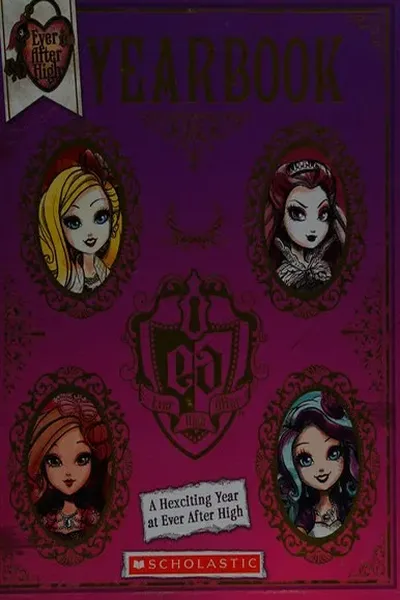
More Free Magic & Ritual Books
View all →