The Tarot Book
 73
73

The Tarot Book
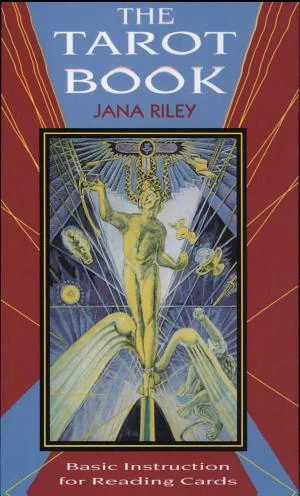
Jana Riley’s The Tarot Book (1991) attempts a synthesis that many Tarot enthusiasts crave: a practical guide grounded in psychological interpretation. Riley’s strength lies in her directness; she avoids overly florid language, opting instead for concrete explanations of how to approach card readings. The emphasis on archetypal symbolism is commendable, offering a framework for understanding the Major Arcana as more than just divinatory markers but as representations of universal psychic forces. However, the book sometimes feels overly prescriptive in its interpretations, potentially limiting the intuitive reader’s engagement. A passage discussing the Three of Swords, for example, offers a stark interpretation of heartbreak that, while valid, might overlook subtler nuances of loss or necessary pain. Riley’s focus on basic psychological and archetypal symbolism is a solid foundation, but it occasionally sacrifices the fluid, multi-layered nature of the cards for a more didactic approach. It serves as a functional primer but perhaps not the definitive guide for seasoned practitioners seeking deeper esoteric currents.
📝 Description
73
Published in 1991, The Tarot Book moves beyond simple card meanings to examine the Tarot's psychological and archetypal foundations.
Jana Riley's The Tarot Book, first released in 1991, approaches the 78-card Tarot system with a focus on its psychological and archetypal dimensions. The author moves past rote memorization of individual card meanings to investigate the deeper symbolic language of the Tarot. The book aims to give readers practical skills for interpreting spreads and using the cards as a tool for self-reflection and understanding external events.
This volume is suited for readers who want a practical, grounded understanding of Tarot, especially those interested in its connections to psychology and archetypes. It offers direct advice on reading techniques and interpretation, bridging traditional divinatory practices with modern psychological frameworks. Readers familiar with Tarot but seeking a more comprehensive grasp of its symbolic depth will find its approach valuable.
Released in 1991, The Tarot Book emerged during a time of increased interest in integrating esoteric systems with contemporary psychological thought, particularly Jungian ideas. It reflects a trend of the late 20th century where authors sought to connect ancient symbolic traditions with modern understandings of the human psyche. Riley's work fits within this milieu, aligning traditional Tarot divination with archetypal concepts prominent in occult and New Age literature of the period, contributing to discussions about Tarot's use beyond simple fortune-telling.
💡 Why Read This Book?
• Understand Tarot through the lens of Jungian psychology and archetypal patterns, gaining insight into universal human experiences reflected in the cards. • Learn practical divination techniques that connect card spreads to concrete psychological states and meaningful coincidences (synchronicity). • Develop a more nuanced interpretation of the Major Arcana, viewing them as symbolic keys to personal growth and inner landscapes.
⭐ Reader Reviews
Honest opinions from readers who have explored this book.
❓ Frequently Asked Questions
What is the primary focus of Jana Riley's The Tarot Book?
The book focuses on practical Tarot interpretation, emphasizing psychological and archetypal symbolism to understand card meanings and divination.
When was The Tarot Book first published?
The Tarot Book was first published on November 1, 1991.
How does the book explain the Major Arcana?
It explains the Major Arcana as fundamental psychological and archetypal symbols that illuminate inner states and the synchronicity of life events.
What kind of reader is this book best suited for?
It is best suited for readers interested in a practical, psychologically-oriented approach to Tarot, including beginners and those seeking to deepen their understanding beyond basic meanings.
Does the book offer methods for divination?
Yes, the book provides concrete explanations and methods for divining with the Tarot, focusing on practical card interpretations within spreads.
Who recommended The Tarot Book in its original promotion?
Mary K. Greer, author of 'Tarot for Your Self,' heartily recommended the book for its practical interpretations and explanations of Tarot divination.
🔮 Key Themes & Symbolism
Archetypal Psychology
The work posits that Tarot cards function as potent archetypal symbols, akin to those explored by Carl Jung. Riley suggests that the Major Arcana, in particular, represent universal patterns of human experience and stages of psychological development. By understanding these archetypes, readers can gain insight into their own inner lives and the underlying structures of consciousness. The book encourages seeing the cards not as external forces, but as reflections of internal psychic landscapes and the symbolic language of the psyche.
Practical Divination
A core tenet of The Tarot Book is its emphasis on actionable divination techniques. Riley moves beyond theoretical discussions to offer concrete methods for interpreting card spreads. The focus is on developing a practical skill set, enabling readers to use the Tarot as a tool for insight and guidance in everyday life. This includes understanding how individual cards interact within a layout and how to construct meaningful readings that address specific questions or situations.
Synchronicity and Meaning
Riley connects Tarot readings to the concept of synchronicity, the meaningful coincidence of events. The book suggests that the cards drawn in a reading are not random but align with the querent's psychological state and the unfolding circumstances of their life. This perspective imbues Tarot interpretation with a sense of profound significance, viewing each reading as a manifestation of underlying order and interconnectedness between the inner world and outer reality.
Symbolic Language
The Tarot is presented as a rich symbolic language capable of communicating complex ideas and emotions. The book aims to decode this language, helping readers to understand the visual and conceptual elements of each card. By engaging with the symbolic representations, practitioners can access deeper layers of meaning and intuitive understanding. This symbolic literacy is framed as essential for unlocking the Tarot's potential for self-discovery and wisdom.
💬 Memorable Quotes
Direct passages from the work, attributed to the author.
“practical card interpretations and concrete explanations of how to divine with the Tarot.”
— This highlights the book's direct, hands-on approach, distinguishing it from more theoretical or purely historical Tarot texts. It promises actionable advice for readers.
“Her understanding of the Tarot stands out like a beacon, a worthy guide for the journey within.”
— This testimonial emphasizes the clarity and clear quality of Riley's work, positioning the book as a helpful companion for personal exploration through Tarot.
“work with basic psychological and archetypal symbolism”
— This points to the book's theoretical foundation, suggesting an integration of Jungian psychology and universal archetypes as the framework for Tarot interpretation.
“really understand the synchronicity of the major arcana.”
— This phrase suggests a deeper level of comprehension is offered, focusing on how the core Tarot cards relate to meaningful coincidences and universal life patterns.
“a worthy guide for the journey within.”
— This interpretation frames the book not just as a manual for card reading, but as a tool for introspection and self-discovery, aligning with esoteric traditions.
🌙 Esoteric Significance
Tradition
The Tarot Book fits within the Western Esoteric Tradition, specifically drawing from Hermeticism and modern psychological interpretations of symbolism. It bridges traditional divinatory practices with Jungian psychology, a common approach in esoteric circles from the mid-20th century onwards. While not strictly adhering to Kabbalistic or Theosophical frameworks, it engages with the Tarot as a symbolic system that reflects universal truths and psychological processes, a recurring theme in modern occultism.
Symbolism
The work particularly focuses on the archetypal symbolism of the Major Arcana. Figures like The Fool, The Magician, and The High Priestess are examined not just for their divinatory meanings but as representations of fundamental psychological states or universal human roles. The book interprets these symbols as keys to understanding the 'journey within,' suggesting that the cards map out stages of consciousness and spiritual development.
Modern Relevance
Contemporary practitioners of Tarot, particularly those interested in psychological astrology and Jungian analysis, often reference works that integrate these fields. Riley's approach, focusing on archetypal patterns and practical application, continues to inform modern Tarot readers seeking a grounded, introspective method. Its emphasis on synchronicity also appeals to current interests in mindfulness and the interconnectedness of mind and reality.
👥 Who Should Read This Book
• Aspiring Tarot readers seeking a practical guide that explains card meanings through psychological archetypes, offering a solid foundation for interpretation. • Students of esoteric traditions interested in bridging Jungian psychology with symbolic systems like the Tarot, gaining insight into universal patterns of consciousness. • Individuals exploring self-discovery and personal growth who wish to use the Tarot as a tool for introspection, understanding their inner states and life's meaningful coincidences.
📜 Historical Context
Published in 1991, Jana Riley's The Tarot Book emerged during a fertile period for esoteric and psychological literature. The late 20th century saw a growing synthesis between ancient symbolic systems and modern psychological theories, particularly Jungian archetypes. This era was marked by figures like Mary K. Greer, who provided endorsements for such works, and a general public interest in self-help and spiritual exploration. The book’s emphasis on practical application and psychological interpretation aligned with the trend of explaining esoteric practices, making them accessible to a wider audience. It arrived at a time when Tarot was increasingly viewed not just as a fortune-telling device but as a tool for personal growth and understanding the human psyche, a perspective championed by authors throughout the 1980s and 90s.
📔 Journal Prompts
How does the concept of synchronicity apply to a recent meaningful coincidence in your life?
Which Major Arcana archetype do you most identify with currently, and why?
Reflect on a time a Tarot reading provided unexpected personal insight.
Consider the core message of The Fool card in relation to your own life path.
How can understanding archetypes change your perception of everyday events?
🗂️ Glossary
Archetype
In Jungian psychology, an inherited, universal pattern or image that is part of the collective unconscious. In Tarot, archetypes are seen as fundamental patterns of human experience represented by the cards.
Synchronicity
The experience of two or more events that are apparently causally unrelated or unlikely to occur together by chance, yet are experienced as occurring together in a meaningful manner. Popularized by Carl Jung.
Major Arcana
The trump cards of a Tarot deck, typically numbering 22 cards (0-21), which represent significant life events, spiritual lessons, and major archetypal forces.
Divination
The practice of seeking knowledge of the future or the unknown by supernatural means. In Tarot, this involves interpreting card spreads to gain insight.
Psychological Interpretation
Analyzing Tarot cards through the lens of human psychology, focusing on inner states, motivations, and symbolic representations of the psyche rather than purely external predictions.
Querent
The person for whom a Tarot reading is performed. The cards are interpreted in relation to their questions or life situation.
Spread
A specific arrangement of Tarot cards laid out in a pattern to answer a particular question or explore a situation. Different spreads have different meanings for card positions.
This book appears in 1 collection
🔮 Readers Also Liked
Browse all →



From the “Tarot” Collection
View all →
More Free Occult Philosophy Books
View all →