Encylopedia of Freemasonry, Vols 1 and 2
 73
73

Encylopedia of Freemasonry, Vols 1 and 2


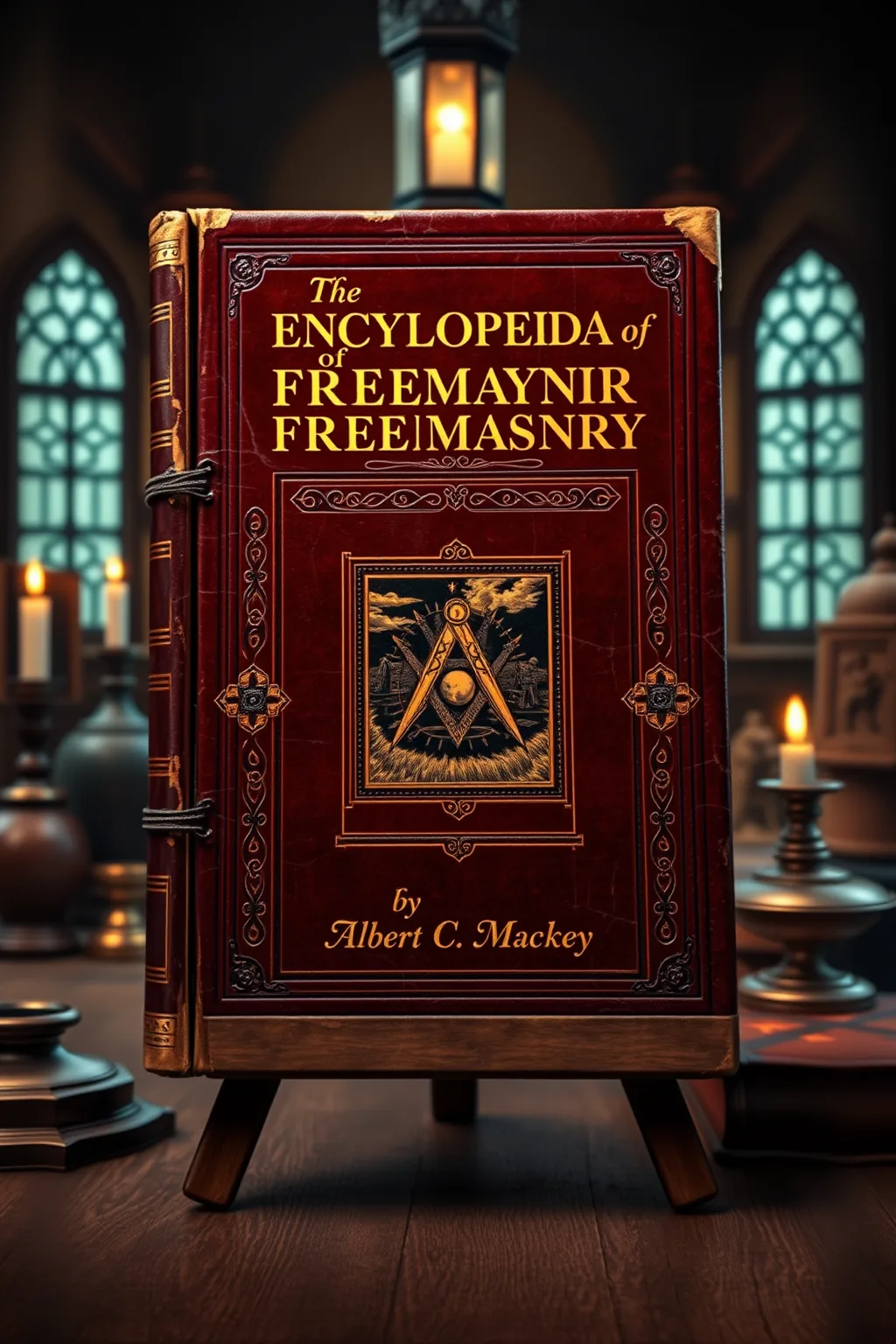
Albert C. Mackey's Encyclopedia of Freemasonry, Volumes 1 and 2, stands as a cornerstone in the study of Freemasonry and the occult. Written in 1914, this work provides an unparalleled depth of information that remains relevant and valuable to modern esoteric seekers. Mackey's thorough research and clear writing style make complex Masonic concepts accessible to a wide audience. For contemporary readers, this encyclopedia serves as a gateway to understanding the rich tapestry of symbols, rituals, and philosophical beliefs that define Freemasonry. The historical context provided is invaluable, offering a glimpse into how Freemasonry has shaped and been shaped by societal and cultural changes over the centuries. The encyclopedia is not just a reference book but a journey into the heart of one of the world's most mysterious and influential secret societies. For anyone interested in the esoteric and the hidden, this work is an essential addition to their library.
📝 Description
73
Albert C. Mackey's 'Encyclopedia of Freemasonry' first appeared in 1873.
Albert C. Mackey's two-volume 'Encyclopedia of Freemasonry' functions as a comprehensive reference for the fraternity's symbols, rituals, and philosophical underpinnings. Published initially in 1873, this work attempts to catalog and explain the vast array of Masonic terminology and concepts. Mackey, a prominent Mason himself, structures the encyclopedia alphabetically, allowing readers to look up specific terms, figures, and allegories.
The text covers subjects ranging from the structure of Masonic lodges and the meaning of various degrees to the historical figures associated with the craft and the allegorical interpretations of Masonic lore. It is written from the perspective of an initiated Mason, aiming to elucidate the fraternity's esoteric aspects for both members and interested outsiders. The encyclopedia aims to provide a detailed account of the principles and practices that define Freemasonry.
Mackey's encyclopedia fits within the tradition of Masonic scholarship that seeks to interpret the fraternity's teachings as a system of moral and philosophical instruction, often with esoteric or mystical dimensions. It draws upon historical accounts, biblical narratives, and classical mythology to construct its explanations of Masonic symbolism. This approach positions Freemasonry not merely as a social organization but as a vehicle for transmitting specific kinds of knowledge and spiritual understanding, in line with other esoteric traditions that look for hidden meanings in ancient texts and practices.
💡 Why Read This Book?
Reading the Encyclopedia of Freemasonry, Volumes 1 and 2, by Albert C. Mackey, today offers readers a unique opportunity to delve into the rich history and symbolism of Freemasonry. This comprehensive work provides deep insights into the rituals, beliefs, and influences of this secret society, making it an invaluable resource for both academic research and personal exploration. Whether you are a scholar, a Freemason, or simply curious about the occult, this book will expand your understanding and appreciation of Freemasonry's role in shaping modern thought and society.
⭐ Reader Reviews
Honest opinions from readers who have explored this book.
❓ Frequently Asked Questions
What is the significance of the Encyclopedia of Freemasonry?
The Encyclopedia of Freemasonry by Albert C. Mackey is significant because it provides an exhaustive and authoritative overview of Freemasonry, making it a go-to resource for anyone interested in the history and practices of this secret society.
Is this book suitable for beginners in Freemasonry?
Yes, while the Encyclopedia of Freemasonry is detailed, Mackey's clear writing style makes it accessible for beginners. It serves as an excellent starting point for understanding the fundamentals of Freemasonry.
What themes does the book cover?
The book covers a wide range of themes, including the origins of Freemasonry, its rituals and symbols, philosophical beliefs, and its influence on historical events and societies.
🔮 Key Themes & Symbolism
Symbolism and Rituals
Mackey's encyclopedia delves deeply into the detailed symbolism and rituals that form the backbone of Freemasonry. Each symbol and ritual is meticulously explained, revealing their hidden meanings and mystical significance. This theme is crucial for understanding the esoteric language of Freemasonry and its philosophical underpinnings.
Esoteric Knowledge
The 'Encyclopedia of Freemasonry' is a rich source of hidden knowledge, offering insights into the esoteric traditions that have shaped Freemasonry. Mackey's work illuminates the occult and metaphysical dimensions of this ancient brotherhood, making it an essential resource for those seeking to unravel its mysteries.
Philosophical Foundations
This encyclopedia explores the deep philosophical foundations of Freemasonry, revealing its enduring influence on the mystical and occult traditions. Mackey's scholarly approach provides a comprehensive understanding of the philosophical principles that guide Freemasonry and its practitioners.
💬 Memorable Quotes
Direct passages from the work, attributed to the author.
“The symbols of Masonry are the hieroglyphics of the ancient wisdom.”
— Mackey emphasizes the deep symbolic language that underlies Freemasonry's rituals and teachings.
“The mysteries of Masonry are revealed to those who are worthy and prepared.”
— Mackey's work underscores the importance of spiritual readiness and worthiness in accessing the hidden knowledge of Freemasonry.
💡 Key Ideas
Editorial paraphrase of the work's core concepts — not direct quotes.
The true Mason is not the man who joins a lodge, but the man who understands the true spirit of Masonry.
This quote underscores the importance of esoteric knowledge and spiritual understanding within Freemasonry.
The Masonic initiation is a process of spiritual transformation.
This passage highlights the mystical and transformative nature of Freemasonry's initiation rites.
The true Mason seeks to build a spiritual temple within himself.
This quote reflects the inner journey and self-discovery that are central to the Freemason's path.
🌙 Esoteric Significance
Tradition
The 'Encyclopedia of Freemasonry' belongs to the Hermetic and Kabbalistic traditions, drawing upon ancient wisdom and mystical teachings to illuminate the depths of Freemasonry. Mackey's work bridges the gap between historical scholarship and contemporary esoteric practice, making it an essential resource for those exploring the mystical dimensions of Freemasonry.
Symbolism
Key symbols in this encyclopedia include the Square and Compasses, the All-Seeing Eye, and the Masonic Apron, each with profound meanings that reveal the hidden knowledge of Freemasonry. Mackey's detailed explanations of these symbols provide a deeper understanding of their esoteric significance and their role in Freemasonry's rituals and teachings.
Modern Relevance
Today, the 'Encyclopedia of Freemasonry' remains a vital resource for modern practitioners and scholars of Freemasonry. Its comprehensive coverage of symbols, rituals, and philosophical principles continues to influence contemporary esoteric studies, making it an indispensable guide for those seeking to unravel the mysteries of this ancient brotherhood.
👥 Who Should Read This Book
The 'Encyclopedia of Freemasonry, Vols 1 and 2' is an invaluable resource for a diverse range of readers. Beginners will find it an accessible introduction to the mystical and occult dimensions of Freemasonry, providing a solid foundation for further exploration. Scholars of esoteric traditions will appreciate its comprehensive coverage and authoritative tone, making it an essential reference for academic research. Spiritual seekers will be drawn to its deep philosophical insights and transformative teachings, while practitioners of Freemasonry will find it a vital guide to the symbols and rituals that define their craft.
📜 Historical Context
Published in the late 19th century, the 'Encyclopedia of Freemasonry, Vols 1 and 2' by Albert C. Mackey emerged during a time of heightened interest in esoteric and occult studies. The era was marked by a resurgence of interest in ancient mysteries and secret societies, making Mackey's work a seminal contribution to the field. His encyclopedia provided a comprehensive and authoritative guide to Freemasonry, influencing generations of scholars and practitioners. The book's detailed exploration of symbols, rituals, and philosophical principles has made it a core part of Freemasonry literature, shaping the understanding and practice of the craft to this day.
📔 Journal Prompts
Reflect on the significance of Freemasonry's symbols in your own spiritual journey?
How do the rituals of Freemasonry contribute to personal transformation?
Explore the philosophical principles that guide your understanding of Freemasonry?
What hidden knowledge have you gained from studying Freemasonry's esoteric traditions?
How does the 'Encyclopedia of Freemasonry' influence your practice of Freemasonry?
🗂️ Glossary
Square and Compasses
A prominent symbol in Freemasonry representing the tools of a stonemason, signifying moral and ethical principles.
All-Seeing Eye
An emblem of divine providence and the omniscience of God, often found in Masonic iconography.
Masonic Apron
A garment worn by Freemasons during rituals, symbolizing purity and the covering of the heart.
Hiram Abiff
A central figure in Masonic legend, representing the Master Builder of King Solomon's Temple and symbolizing wisdom and enlightenment.
Lodge
A meeting place for Freemasons where rituals, ceremonies, and discussions take place, fostering brotherhood and spiritual growth.
This book appears in 2 collections
🔮 Readers Also Liked
Browse all →





From the “Secret Societies” Collection
View all →





More Free Freemasonry & Secret Societies Books
View all →