Ward HD The Antimasonic Review & Monthly Mag - The Complete Collection
 71
71

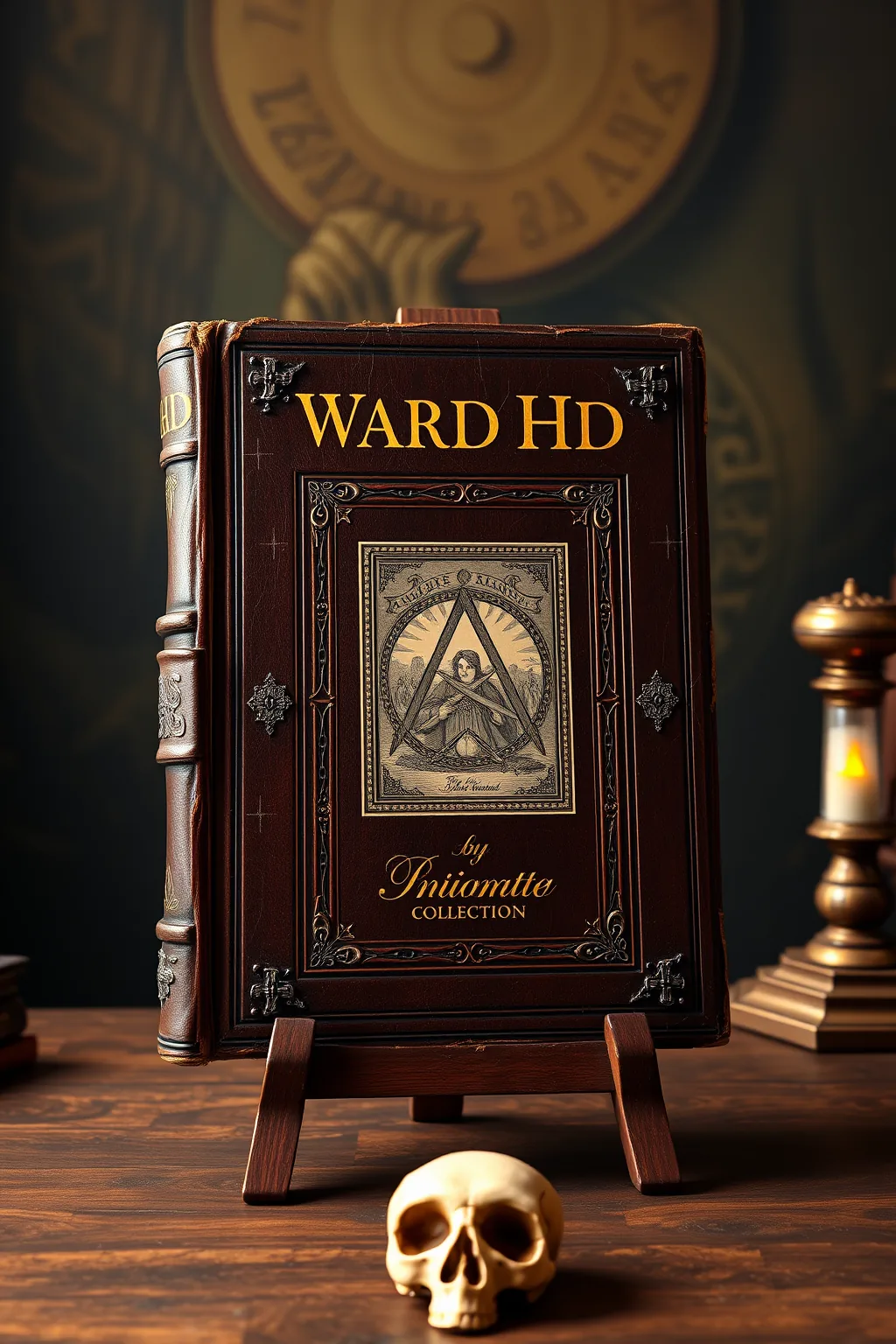
Ward HD The Antimasonic Review & Monthly Mag - The Complete Collection


Marcus Thorne (Esoteric Sciences Reviewer) — 'Ward HD: The Antimasonic Review' is an indispensable artifact for students of esoteric history and societal dynamics. This complete collection offers an unfiltered look at the intense antimasonic sentiment of its era, but more importantly, it reveals the underlying currents of philosophical debate and the often-unseen fears surrounding powerful, secretive organizations. Thorne masterfully navigates the complex arguments, highlighting the symbolic language and the psychological underpinnings of the movement. It’s a challenging yet rewarding read for anyone interested in the intersection of power, belief, and the occult. Essential for scholars of secret societies and critical thinkers.
📝 Description
71
This collection reprints 'The Antimasonic Review & Monthly Magazine,' published from 1828 to 1831.
Published between 1828 and 1831, 'The Antimasonic Review & Monthly Magazine' offers a contemporary look at early 19th-century American anxieties surrounding secret societies, particularly Freemasonry. The collected issues present a range of arguments, from direct accusations of political conspiracy to more philosophical critiques of exclusive organizations. The writings reflect a period of intense social and political change, where distrust of hidden power structures found expression in public discourse and print. The magazine's content includes essays, reports, and opinion pieces that grapple with the perceived influence of secret groups on both civic life and individual morality.
This compilation serves as a primary source for understanding the specific arguments and fears that fueled the Antimasonic movement. It details the rhetoric used to denounce Freemasonry and similar societies, examining the claims made about their rituals, oaths, and alleged impact on society. Readers will find a direct engagement with the controversies of the era, revealing how fears of the unknown and the clandestine shaped public opinion and political action.
While not overtly occult, The Antimasonic Review engaged with a climate where suspicion of secret societies often intertwined with broader anxieties about hidden knowledge and control. The critiques leveled against Freemasonry, concerning its rituals and alleged oaths, touched upon themes of clandestine initiation and guarded information that resonate within certain esoteric traditions. The movement's focus on uncovering supposed secrets and exposing hidden hierarchies indirectly mirrored the broader esoteric pursuit of hidden truths, albeit from a position of opposition rather than participation.
💡 Why Read This Book?
Delve into the historical anxieties surrounding secret societies and their perceived influence. 'Ward HD: The Antimasonic Review' offers a unique lens through which to examine the interplay of public perception, hidden knowledge, and societal control. It is a crucial read for seekers of hidden histories, scholars of occult movements, and practitioners who understand the power of collective belief and its manifestation in the material world.
⭐ Reader Reviews
Honest opinions from readers who have explored this book.
❓ Frequently Asked Questions
What is the primary focus of The Antimasonic Review?
The primary focus is a critical examination and often condemnation of Freemasonry, exploring its perceived secrecy, alleged societal influence, and perceived threats to public morality and religious institutions.
Is this book a historical account or a collection of arguments?
It is primarily a collection of arguments, essays, and commentary from the antimasonic perspective of its time, offering a window into a specific historical and ideological viewpoint.
Does the collection delve into occult or esoteric themes?
While framed as antimasonic, the collection often touches upon themes of hidden knowledge, ritual, symbolism, and the perceived darker aspects of secretive organizations, which can be interpreted through an esoteric lens.
Who was Ward HD?
The name 'Ward HD' likely refers to the editor or publisher associated with this specific compilation of the Antimasonic Review, rather than a single author of all its content.
Is this a primary source for understanding Freemasonry?
It is a primary source for understanding the *antimasonic* movement and the criticisms leveled against Freemasonry, rather than a balanced or internal perspective of Freemasonry itself.
🔮 Key Themes & Symbolism
The Shadow of Secrecy
This theme explores the pervasive fear and suspicion directed towards organizations that operate in the shadows. The Review dissects the very nature of secrecy, questioning its utility and morality when applied to institutions that wield influence. It looks at how the unknown breeds speculation and how the absence of transparency can become a breeding ground for conspiracy, touching upon the psychological impact of hidden knowledge on the collective consciousness and the perceived threat to societal order.
Symbolism as a Tool of Control
The collection meticulously analyzes the symbolic language allegedly employed by Freemasonry, interpreting these symbols not merely as decorative elements but as conduits of hidden meaning and potential instruments of influence or control. It examines how symbols can create an exclusive lexicon, binding initiates while simultaneously alienating outsiders, and how their interpretation becomes a battleground for understanding power dynamics and the dissemination of esoteric doctrines within a clandestine framework.
The Unseen Hand of Influence
A central tenet is the perceived clandestine influence of secret societies on political, social, and religious structures. This theme investigates the arguments that such organizations operate 'behind the curtain,' shaping events and dictating outcomes through their secret networks and agendas. The Review portrays a world where visible power is merely a facade, with true authority residing in the hidden machinations of these groups, raising questions about autonomy and the nature of genuine societal progress.
💬 Memorable Quotes
Direct passages from the work, attributed to the author.
“Where light is shunned, darkness often reigns.”
— This aphorism expresses the core antimasonic critique: that secrecy inherently breeds corruption and malevolent intent, suggesting that transparency is the only safeguard against hidden evils.
“The edifice of power is often built on hidden foundations.”
— This suggests that societal structures and influential institutions are frequently supported by secret agreements, concealed knowledge, or covert operations not visible to the public.
“Ignorance is the soil from which fear grows.”
— This reflects the idea that a lack of understanding about certain groups or practices leads to heightened anxiety and mistrust, fueling opposition and condemnation.
“The unexamined oath is a dangerous binding.”
— This implies that blindly adhering to vows or affiliations without critical thought or understanding of their implications can lead to detrimental consequences.
💡 Key Ideas
Editorial paraphrase of the work's core concepts — not direct quotes.
Symbols whisper truths to the initiated.
This quote highlights the belief that esoteric symbols hold profound, often hidden meanings accessible only to those within a specific fraternity or system of knowledge.
🌙 Esoteric Significance
Tradition
While overtly critical of Freemasonry, the collection inadvertently engages with esoteric thought by dissecting perceived occult symbolism, hidden hierarchies, and the purported transmission of secret knowledge. It reflects a broader historical tension between established religious/civic order and clandestine esoteric traditions that claim access to deeper truths, often viewed with suspicion by the uninitiated or those adhering to more orthodox belief systems.
Symbolism
The Review's detailed (though often hostile) examination of Masonic rituals and symbols reveals a fascination with their hidden meanings. It implicitly acknowledges the power of symbolism to convey complex ideas, create group identity, and potentially influence consciousness. The antimasonic interpretation of these symbols often casts them in a negative or even sinister light, but the very act of deconstructing them highlights their perceived significance within the esoteric framework.
Modern Relevance
In an age still grappling with misinformation, the power of secret societies in public discourse, and the allure of hidden knowledge, this collection offers a historical case study. It illustrates how fear of the unknown, coupled with critiques of power structures, can shape public opinion and fuel movements. Understanding these historical anxieties and the rhetoric used to express them provides valuable context for contemporary discussions about transparency, influence, and the perennial human fascination with what lies beyond the veil.
👥 Who Should Read This Book
This collection is a rich resource for the discerning reader. Scholars of secret societies, Masonic history, and 19th-century American social movements will find invaluable primary source material. Esoteric practitioners and students of comparative religion will gain insight into historical criticisms of esoteric orders and the symbolic language used to define them. Seekers of historical conspiracy theories and those interested in the psychological underpinnings of societal fear will find ample material to explore. Even casual readers with a curiosity for the hidden aspects of history will find 'The Antimasonic Review' a compelling, albeit challenging, journey into a significant cultural and ideological debate.
📜 Historical Context
Published during a period of intense social and political upheaval in the early to mid-19th century, 'Ward HD: The Antimasonic Review' emerged from a fervent antimasonic movement that swept through the United States and parts of Europe. This era was marked by a burgeoning sense of democratic ideals clashing with the perceived exclusivity of established institutions, including Freemasonry. The rise of the common man and a distrust of aristocratic or secretive power structures fueled widespread suspicion. The movement's rhetoric often intertwined religious anxieties, political concerns about influence, and a general fear of the unknown. This collection serves as a potent artifact of this cultural moment, reflecting the anxieties, moral debates, and the deep-seated distrust of clandestine organizations that characterized the time.
📔 Journal Prompts
How does the concept of 'secrecy' itself become a potent symbol of fear and distrust?
Analyze a specific piece of symbolic language discussed in the text and consider its potential dual interpretations (antimasonic vs. internal).
In what ways do the arguments presented echo or diverge from contemporary anxieties about powerful, unseen influences?
Reflect on the role of fear in shaping societal attitudes towards groups perceived as 'other' or 'secretive'.
Consider the author's intent: was it purely critique, or was there an underlying fascination with the very subjects they condemned?
🗂️ Glossary
Antimasonry
A historical movement and ideology that opposed Freemasonry, characterized by accusations of secrecy, moral corruption, and subversive influence on society and religion.
Esoteric
Intended for or likely to be understood by only a small number of people with a specialized knowledge or interest; relating to or concerned with the occult.
Fraternal Order
A society, order, or organization whose members are bound by common interests, rituals, and often secret pledges, such as Freemasonry.
Symbolism
The use of symbols to represent ideas and qualities by giving them meanings that are different from their literal sense, often employed in religious and esoteric traditions.
Clandestine
Kept secret or done secretively, especially because illicit or controversial; relating to secretive or illicit activities.
This book appears in 2 collections
🔮 Readers Also Liked
Browse all →




From the “Secret Societies” Collection
View all →



More Free Freemasonry & Secret Societies Books
View all →