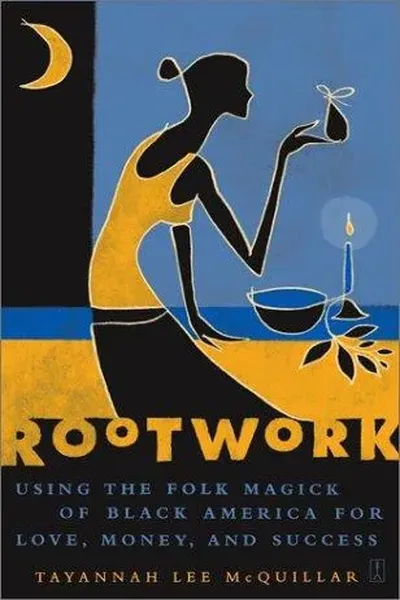
Enchantment and Dis-enchantment in Shakespeare and Early Modern Drama
 83
83

Enchantment and Dis-enchantment in Shakespeare and Early Modern Drama
The essays collected in Nandini Das and Nick Davis's volume offer a compelling counter-narrative to the standard story of early modern England as a society rapidly shedding its magical thinking. The strength lies in its textual focus, starting with the plays themselves to unearth the persistent presence of the wondrous and the holy. A particularly striking argument emerges in the discussion of how theatrical practices in the late 16th century, even while engaging with new forms of rationalism, continued to evoke a sense of the numinous. The limitation, perhaps, is that the collection’s academic density may prove challenging for readers less familiar with the specific theatrical and critical discourses of the period. Nevertheless, its detailed examination of concepts like the 'auratic' in performance provides a valuable corrective to simplistic historical accounts.
📝 Description
83
Published in 2016, this volume questions the idea that early modern England was solely defined by secular rationalism.
This collection, released in December 2016, investigates the presence of the sacred, the numinous, and the uncanny in Shakespeare and early modern theatre. It challenges the common view of an era solely marked by growing secular thought. The essays consider how theatrical performances mirrored and shaped changing ideas about the divine and the supernatural, emerging from a time when intellectuals debated Europe's secularization after the Renaissance and Reformation. The book engages with both scientific investigation and persistent spiritual practices of the period.
The authors look at concepts like 'auratic' presence, the 'uncanny' in dramatic performance, and the 'sacral' aspects of theatre. It avoids a simple belief versus disbelief framework, instead concentrating on the complex and often contradictory ways early modern society interacted with forces that defied empirical proof. The work is for scholars of early modern literature, theatre historians, and students of religious and cultural studies interested in how performance, belief, and historical shifts influenced understandings of the supernatural.
This book enters a discussion about the perceived decline of magic and spiritual belief in early modern Europe. While often framed as a period of increasing rationalism and scientific discovery that led to 'disenchantment,' this volume argues for a more complex picture. It suggests that the theatre, far from being purely a secular space, actively engaged with and reflected persistent notions of the numinous and the uncanny. This perspective aligns with esoteric traditions that explore the enduring power of non-rational experience and belief systems, even within periods of apparent intellectual modernization.
💡 Why Read This Book?
• Understand how Shakespearean plays engaged with the sacred and uncanny, moving beyond simple secularization narratives, by examining specific dramatic techniques discussed in relation to the "auratic" quality of performance. • Gain insight into the intellectual climate of early modern England (circa 1600) by exploring how enduring spiritual beliefs coexisted with emerging rationalism, as detailed in the historical context sections. • Learn about the nuanced interplay between "enchantment" and "disenchantment" in knowledge-making during a pivotal historical period, as illuminated by the analysis of specific plays and theatrical practices.
⭐ Reader Reviews
Honest opinions from readers who have explored this book.
❓ Frequently Asked Questions
What is the central argument about secularization in early modern drama?
The book argues against a straightforward narrative of secularization, proposing that early modern plays, including those by Shakespeare, continued to engage with and represent the sacred, numinous, and uncanny even as rationalism grew.
Which specific concepts does the book explore regarding enchantment?
It explores concepts such as the 'auratic' presence, the 'uncanny' evoked by performance, and the 'sacral' dimensions of theatre, challenging a purely rationalist interpretation of the era.
Who are the primary authors analyzed in this collection?
While Shakespeare is central, the volume examines contemporaries, reflecting the broader theatrical landscape of the period. Specific playwrights are discussed within individual essays.
What historical period does 'early modern drama' refer to in this context?
This refers to the theatrical productions and dramatic writing from roughly the late 15th century through the 17th century in England, encompassing the Elizabethan and Jacobean eras.
How does this book challenge traditional views of the era?
It challenges the notion that early modern England was solely defined by "thinned-out secular rationalism" by highlighting the persistent presence and representation of magical, holy, and numinous elements in its literature and theatre.
What is the significance of the term 'dis-enchantment' in the book's title?
It refers to the perceived process of rationalization and secularization, which the book examines critically, suggesting that 'enchanted' ways of thinking and knowing persisted alongside or in tension with 'disenchanted' ones.
🔮 Key Themes & Symbolism
The Numinous in Performance
This theme investigates how early modern theatre, far from being solely a product of rationalism, actively conjured and explored the numinous—that which inspires awe and a sense of the divine. It examines how playwrights like Shakespeare used dramatic devices to evoke a sense of the sacred or uncanny in their audiences, challenging the idea that the period was fully "disenchanted." The essays analyze specific moments and characters where this auratic or holy presence becomes palpable.
Challenging Secular Rationalism
A core focus is the interrogation of the "irresistible rise of a thinned-out secular rationalism" often attributed to the early modern period. The book argues that this view is an oversimplification, demonstrating how magical, holy, and supernatural elements remained integral to cultural and intellectual life. It positions theatre as a crucial site where these complex negotiations between enchantment and disenchantment took place.
Knowledge-Making and Belief
The volume studies the "instabilities of 'enchanted' and 'disenchanted' practices of thinking and knowledge-making." It explores how early modern individuals and society grappled with different ways of understanding the world, encompassing both empirical observation and faith-based or magical explanations. The plays serve as case studies for how these competing epistemologies were performed and contested.
Theatrical Representation of the Uncanny
The collection pays close attention to the "uncanny" as a mode of experience represented and evoked through drama. This includes exploring how theatrical conventions, plot devices, and character portrayals could generate feelings of strangeness, supernatural intrusion, or unsettling familiarity. The aim is to understand the affective and cognitive impact of these representations in an era of shifting worldviews.
💬 Memorable Quotes
Direct passages from the work, attributed to the author.
“dealings with the wondrous, magical, holy, sacred, sainted, numinous, uncanny, auratic, and sacral”
— This phrase expresses the broad spectrum of non-rational or supra-rational experiences that the book argues were still very much alive and represented in early modern drama, countering the simple narrative of secularization.
“irresistible rise of a thinned-out secular rationalism”
— This is the prevailing historical narrative that the book actively questions. It suggests that the 'rationalism' of the era was not as complete or as devoid of wonder as commonly portrayed, and that older modes of enchantment persisted.
“instabilities of ‘enchanted’ and ‘disenchanted’ practices of thinking and knowledge-making”
— This highlights the core analytical approach: examining the fluid and often contradictory ways early modern people understood and acquired knowledge, acknowledging that belief systems were not neatly separated into rational and irrational categories.
“starting from the literary text and looking outwards”
— This describes the methodology employed by the contributors. They ground their arguments in close readings of plays, using these textual analyses as a foundation to explore broader social, cultural, and historical implications.
“the plays of Shakespeare and contemporaries”
— This pinpoints the primary corpus of analysis. The focus is not solely on Shakespeare but also on the wider theatrical output of his era, providing a comparative context for understanding the period's engagement with the sacred and the uncanny.
🌙 Esoteric Significance
Tradition
While not strictly adhering to a single esoteric lineage like Hermeticism or Kabbalah, the work engages with concepts resonant within Western Esotericism, particularly the exploration of the numinous, the auratic, and the uncanny. It aligns with traditions that explore the subtle energies, hidden meanings, and subjective experiences that lie beyond empirical rationalism, viewing early modern drama as a site where these concerns were actively articulated and debated.
Symbolism
The book implicitly engages with symbols of transformation and hidden knowledge often found in esoteric traditions. The "uncanny" can be seen as a symbol for the disruption of the mundane by the repressed or the unknown, a common theme in esoteric thought. The "auratic" quality discussed relates to the perceived emanation of power or significance from objects or persons, akin to concepts of divine presence or spiritual radiance found in various mystical paths.
Modern Relevance
Contemporary thinkers and practitioners interested in fields like performance studies, cultural history, and the philosophy of religion find this work relevant for its nuanced understanding of belief systems. It informs modern discussions on secularization, the nature of experience, and the enduring power of ritual and representation, connecting to contemporary interests in mindfulness, altered states, and the exploration of consciousness beyond purely materialist frameworks.
👥 Who Should Read This Book
["• Academic researchers in early modern literature and theatre studies seeking to challenge prevailing narratives of secularization and explore the mystical dimensions of the period's drama.", '• Students of comparative religion and cultural history interested in how spiritual beliefs and practices were represented and negotiated in historical contexts outside of formal religious institutions.', '• Readers fascinated by the intersection of performance, psychology, and the supernatural, who wish to understand the historical roots of concepts like the uncanny and the numinous in dramatic arts.']
📜 Historical Context
Published in 2016, this volume revisits the intellectual currents of early modern England, an era often characterized by the rise of scientific inquiry and a move towards secularism. The collection challenges the notion that this period, roughly spanning the late 16th and early 17th centuries, was solely defined by "thinned-out secular rationalism." Instead, it emphasizes the persistent presence and representation of the sacred, numinous, and uncanny within society and its arts, particularly theatre. Key contemporaries like Francis Bacon were indeed championing empirical methods, yet spiritual and magical beliefs remained influential. The book engages with scholars like Keith Thomas, whose work explored the decline of magic, by offering a more nuanced perspective that highlights the coexistence and interplay of "enchanted" and "disenchanted" modes of thought and knowledge-making. The essays analyze how theatrical productions navigated these complex intellectual landscapes, reflecting and shaping popular understanding of the divine and the supernatural.
📔 Journal Prompts
The concept of 'auratic' presence in early modern performance.
Representations of the 'uncanny' within Shakespearean tragedy.
The coexistence of 'enchanted' and 'disenchanted' knowledge-making.
The theatrical evocation of the 'numinous' in contemporaries' plays.
How plays from the 16th century reflected societal beliefs about the sacred.
🗂️ Glossary
Numinous
A quality of divinity or supernatural power that inspires awe, mystery, and sometimes dread. It refers to experiences that evoke a sense of the holy or the transcendent.
Auratic
Pertaining to the 'aura' or unique presence of a work of art or a person, suggesting a distinct, often ineffable, quality that commands attention and evokes a sense of authenticity or power.
Uncanny
A psychological experience of strangeness, often arising from something familiar that has become unsettlingly unfamiliar, or from the intrusion of the repressed or supernatural into the everyday.
Secular Rationalism
A worldview that emphasizes reason, empirical evidence, and natural explanations, often leading to a decline in the influence of religious or supernatural beliefs in public life.
Enchantment
In this context, refers to ways of thinking, believing, or knowing that involve magic, wonder, the sacred, or supernatural forces, often associated with pre-modern or non-rational modes of understanding.
Dis-enchantment
The process by which magical or supernatural explanations for phenomena are replaced by rational, scientific, or naturalistic ones, leading to a perceived loss of wonder or mystery in the world.
Knowledge-Making
The processes and practices through which individuals and societies acquire, construct, validate, and disseminate understanding about the world.
This book appears in 1 collection
🔮 Readers Also Liked
Browse all →









From the “Enchantment” Collection
View all →





More Free Occult Philosophy Books
View all →