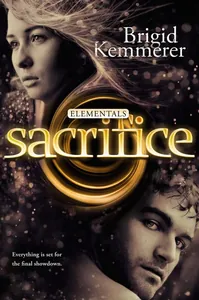
Enchanted Feminism
 82
82

Enchanted Feminism
Jone Salomonsen's "Enchanted Feminism" provides a much-needed academic dissection of the Reclaiming tradition, moving beyond anecdotal accounts to offer a rigorous analysis. The book's strength lies in its detailed exploration of the communal and ritual processes that define Reclaiming, particularly its unique approach to gendered identities within a spiritual context. Salomonsen's examination of how the movement grapples with both personal and political liberation through embodied practice is particularly illuminating. A potential limitation, however, is the book's academic tone, which, while precise, might be less accessible to readers solely seeking practical witchcraft information. The detailed analysis of Reclaiming's founding in San Francisco in 1979 offers a crucial anchor point. Ultimately, "Enchanted Feminism" stands as a vital scholarly contribution to the study of contemporary witchcraft and feminist spirituality.
📝 Description
82
Jone Salomonsen's 2007 book offers the first academic study of the Reclaiming witchcraft movement.
Published in 2007, Jone Salomonsen's "Enchanted Feminism" provides a thorough academic examination of the Reclaiming witchcraft movement. This movement, founded in San Francisco in 1979, grew from the confluence of second wave feminism and the burgeoning witchcraft revival of the era. Salomonsen analyzes the core theological ideas of Reclaiming, its specific methods of ritual practice, and how these elements shaped the gender and religious identities of its followers.
The book places Reclaiming within the wider scope of late 20th-century spiritual and social change. It demonstrates how Reclaiming, along with other feminist spiritual paths, critiqued patriarchal structures in society and established religions. The work highlights a specific historical moment where feminist ideas directly informed the creation of new religious forms, often centered on goddess imagery and immanent divinity, as part of a larger cultural transformation.
Salomonsen discusses central Reclaiming concepts, including the divine feminine, the politics of embodiment, and the power of ritual for transformation. The study investigates how gender is performed and understood within the Reclaiming community, moving beyond fixed ideas to show how identities are actively built and negotiated. The book frames communal and ritual processes as more than just spiritual activities.
This book examines the Reclaiming tradition, a significant current within contemporary Paganism that emerged in the late 20th century. Reclaiming synthesizes elements of witchcraft, feminism, and ecological activism, often emphasizing goddess spirituality and the transformative potential of ritual. Its development is tied to broader trends in Western esotericism, particularly the rise of nature-based spiritualities and feminist critiques of established religious hierarchies. Salomonsen's work situates these practices within a specific historical and theoretical framework, analyzing their unique contributions to the evolving landscape of modern witchcraft.
💡 Why Read This Book?
• Gain insight into the specific communal rituals developed by the Reclaiming tradition since its founding in 1979, understanding how they shape collective identity. • Explore the academic framework for analyzing gendered religious identities as presented in the work, offering a critical lens for understanding modern Pagan movements. • Understand the theoretical underpinnings of embodied spirituality within Reclaiming, differentiating it from other esoteric practices and its connection to feminist activism.
⭐ Reader Reviews
Honest opinions from readers who have explored this book.
❓ Frequently Asked Questions
When was the Reclaiming witchcraft community founded?
The Reclaiming witchcraft community was founded in San Francisco in 1979. This marks a significant period in the development of contemporary Paganism and feminist spirituality.
What is the primary focus of Jone Salomonsen's study?
Salomonsen's primary focus is the Reclaiming community, examining its gendered and religious identities, and its communal and ritual processes.
Is 'Enchanted Feminism' a practical guide to witchcraft?
No, 'Enchanted Feminism' is an academic study and analysis of the Reclaiming tradition, not a how-to guide for practicing witchcraft.
What academic fields does 'Enchanted Feminism' contribute to?
The book significantly contributes to the academic fields of religious studies, gender studies, and the sociology of contemporary Paganism.
Who were some key figures or influences on the Reclaiming movement discussed in the book?
While the book focuses on the community, it implicitly engages with the broader feminist and witchcraft revival movements of the late 20th century, influenced by figures like Starhawk.
Does the book discuss the theological aspects of Reclaiming witchcraft?
Yes, the work examines the theological underpinnings of the Reclaiming movement, including its understanding of the divine feminine and immanent divinity.
🔮 Key Themes & Symbolism
Gendered Identity in Ritual
The work deeply investigates how Reclaiming witchcraft constructs and performs gendered identities through its unique communal and ritual processes. It moves beyond simplistic notions of gender to explore how participants actively negotiate their sense of self within a spiritual framework. This is particularly evident in the analysis of rituals designed to invoke the divine feminine and explore the embodied experience of spirituality, challenging patriarchal norms prevalent in both society and older religious structures.
The Reclaiming Movement's Origins
Salomonsen anchors the study in the historical emergence of Reclaiming, founded in San Francisco in 1979. This context is crucial, as the movement arose during a period of significant feminist activism and a wider revival of esoteric and Pagan traditions. The book details how this specific milieu shaped Reclaiming's doctrines, practices, and its commitment to social and spiritual liberation, positioning it as a key development in late 20th-century alternative religions.
Communal Spirituality and Practice
A central theme is the examination of Reclaiming's emphasis on communal experience and ritual as vehicles for spiritual transformation and identity formation. The book analyzes how group dynamics and shared practices foster a sense of belonging and empower individuals. It highlights the deliberate construction of rituals that are both spiritually potent and politically resonant, reflecting the movement's integration of personal growth with broader social change.
Feminist Theology and Practice
The study positions Reclaiming as a significant manifestation of feminist theology within contemporary Paganism. It explores how the movement's focus on goddess worship, immanent divinity, and the sacredness of the body offers an alternative to patriarchal religious structures. Salomonsen elucidates how this spiritual framework directly informs the lived experiences and identity construction of Reclaiming practitioners, offering a potent blend of the sacred and the political.
💬 Memorable Quotes
Direct passages from the work, attributed to the author.
“The Reclaiming community's founding in San Francisco in 1979.”
— This factual anchor highlights the specific time and place that gave rise to the movement, underscoring its roots in the late 20th-century counterculture and feminist movements.
“Analysis of gendered and religious identities.”
— This points to the core academic contribution of the work: understanding how individuals within Reclaiming forge their sense of self and spiritual belonging.
“The communal and ritual processes of Reclaiming.”
— This emphasizes the book's focus on the practical, lived experience of the movement – how its members gather, enact rituals, and build community.
“The book's examination of feminist spirituality.”
— This frames the study within a broader theological and social context, connecting Reclaiming to wider discussions about women's spirituality and its challenge to traditional religious paradigms.
“The study provides the first major academic look at Reclaiming.”
— This highlights the original and significant contribution of Salomonsen's work to the scholarly understanding of this influential witchcraft tradition.
🌙 Esoteric Significance
Tradition
"Enchanted Feminism" engages with the lineage of modern witchcraft and Neo-Paganism, particularly the branch influenced by feminist spirituality and the goddess movement. While not strictly adhering to ancient traditions, Reclaiming draws upon reconstructed pre-Christian European mythologies and emphasizes immanent divinity, often centered on a Great Goddess. Salomonsen's work situates this within a contemporary context, showing how it departs from earlier, more patriarchal forms of occultism by foregrounding female divinity and feminist politics.
Symbolism
Key symbols explored in the work include the divine feminine, often represented through various Goddess archetypes (e.g., Maiden, Mother, Crone), and the concept of embodiment as a sacred act. Ritual tools and practices themselves become symbolic, representing the integration of the mundane and the sacred, the personal and the political. The emphasis on nature and cycles (lunar, seasonal) also functions symbolically, connecting practitioners to the earth and cosmic rhythms, a departure from transcendent deities.
Modern Relevance
The work remains highly relevant today, influencing contemporary scholars and practitioners interested in feminist witchcraft, ecofeminism, and embodied spirituality. Thinkers and groups exploring queer Paganism, intersectional spirituality, and the decolonization of Western esotericism often reference the foundational work done by movements like Reclaiming, as analyzed by Salomonsen. Its examination of ritual as a tool for social and personal transformation continues to resonate in activist and spiritual communities.
👥 Who Should Read This Book
• Scholars of religious studies and gender studies seeking rigorous analysis of a significant contemporary spiritual movement. • Practitioners of witchcraft and Neo-Paganism interested in the historical and theoretical underpinnings of the Reclaiming tradition since its 1979 founding. • Students of social movements and alternative religions interested in the intersection of spirituality, activism, and identity formation in the late 20th century.
📜 Historical Context
Published in 2002, Jone Salomonsen's "Enchanted Feminism" emerged during a period when the academic study of contemporary Paganism and New Religious Movements was gaining significant traction. The late 20th century, particularly the decades following the 1979 founding of Reclaiming, witnessed a surge in feminist spirituality and a resurgence of interest in witchcraft, often intertwined with social activism and critiques of patriarchal religious structures. Salomonsen's work entered a scholarly landscape that was beginning to seriously engage with these alternative spiritualities, moving beyond earlier dismissals. It offered a vital, detailed examination of a specific, influential movement, contrasting with more general surveys. While direct engagement with specific contemporary scholars is not detailed in the blurb, the book implicitly engages with feminist theory and the growing field of Goddess studies, positioning Reclaiming as a key example within these intellectual currents. The reception of Reclaiming itself, as a visible public face of modern witchcraft, made it a ripe subject for academic inquiry.
📔 Journal Prompts
The concept of gendered religious identity within Reclaiming.
Ritual processes as sites of empowerment.
The historical context of Reclaiming's founding in 1979.
Feminist interpretations of the divine feminine.
The role of communal spirituality in identity formation.
🗂️ Glossary
Reclaiming
A specific tradition of modern witchcraft, founded in San Francisco in 1979, known for its feminist principles, emphasis on ritual, and connection to the goddess movement.
Paganism
A broad term for contemporary nature-based or polytheistic religions, often drawing inspiration from pre-Christian European traditions. Reclaiming is a prominent part of this movement.
Feminist Spirituality
A diverse movement that emerged in the late 20th century, seeking to reclaim and redefine divinity and religious practice from a feminist perspective, often centering on the Goddess.
Divine Feminine
The concept of the sacred or divine as expressed through feminine principles, archetypes, and deities, central to many feminist spiritualities including Reclaiming.
Embodiment
In this context, the spiritual significance of the physical body and lived experience, viewed as a primary site for connecting with the divine and enacting change.
Ritual Process
The structured performance of ceremonies and symbolic actions within Reclaiming, used for spiritual transformation, community building, and identity affirmation.
Gendered Identity
How an individual's sense of self in relation to gender is shaped by social, cultural, and religious contexts, a key focus of analysis in the Reclaiming movement.
This book appears in 1 collection
🔮 Readers Also Liked
Browse all →








From the “Witchcraft” Collection
View all →







More Free Occult Philosophy Books
View all →