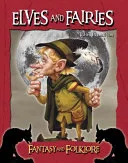
Elves And Fairies
 76
76

Elves And Fairies
John Hamilton's Elves And Fairies offers a refreshing, scholarly approach to figures often relegated to children's tales. The book’s strength lies in its rigorous historical tracing, demonstrating how the concept of elves and fairies has morphed significantly from their origins in Germanic paganism to their appearances in Victorian literature. Hamilton avoids the trap of romanticizing these beings, instead presenting a cogent analysis of their cultural function. A notable passage discusses the shift in perception from the powerful, often dangerous, beings of early sagas to the more benign, diminutive sprites of later folklore. The primary limitation, however, is its dense academic tone, which may deter casual readers seeking a lighter exploration. Despite this, the work provides a valuable perspective on how mythic archetypes adapt and endure. It serves as a solid reference for understanding these figures' complex lineage.
📝 Description
76
Published in 2004, John Hamilton's Elves and Fairies examines the historical and folkloric roots of mythical beings.
John Hamilton's 2004 book, Elves and Fairies, moves beyond simple storytelling to investigate the origins of these mythical beings within various cultural traditions. It positions elves and fairies not just as characters in fantasy, but as significant figures in the evolution of human belief systems and narratives. The work is intended for students of folklore, comparative mythology, and esoteric studies. Readers interested in how archetypal figures have been interpreted across different eras and cultures will find it valuable.
Hamilton places elves and fairies within their historical development, examining their presence in ancient Germanic traditions and their transformation through medieval romances and later European folklore. The study acknowledges the shifting perceptions of these beings, from powerful entities in early lore to more diminutive forms depicted later. It considers how societal changes influenced these representations. The book investigates the transition of these figures from ancient Germanic and Norse sagas to their widespread presence in Western European folklore.
This work situates the study of elves and fairies within the broader context of comparative mythology and folklore, traditions that often intersect with esoteric thought. It acknowledges that while these figures are often relegated to fantasy, their historical presence in belief systems suggests deeper, perhaps archetypal, significance. By tracing their lineage through ancient sagas and later European folklore, the book touches upon how perceived spiritual or elemental beings have been understood and represented across human history, a common subject in esoteric inquiries.
💡 Why Read This Book?
• Gain an understanding of the evolution of elves and fairies from powerful pre-Christian entities to later folkloric figures, as detailed in the book's examination of Germanic traditions. • Discover how societal shifts and literary trends, particularly from the medieval period onwards, influenced the portrayal of these beings, offering a unique historical perspective. • Appreciate the scholarly deconstruction of fantasy archetypes, moving beyond modern interpretations to grasp their deeper roots in historical belief systems and folklore.
⭐ Reader Reviews
Honest opinions from readers who have explored this book.
❓ Frequently Asked Questions
What is the primary historical origin of elves and fairies discussed in John Hamilton's book?
The book traces the primary origins of elves and fairies to ancient Germanic and Norse traditions, where they were often depicted as powerful, sometimes formidable, beings connected to nature and the spiritual world.
When was Elves And Fairies first published?
Elves And Fairies by John Hamilton was first published on September 1, 2004.
Does the book discuss the physical appearance of elves and fairies?
Yes, the work explores the changing perceptions of their appearance, noting the transition from potent, awe-inspiring figures in early lore to the smaller, more whimsical sprites common in later folklore and literature.
How does Hamilton differentiate between elves and fairies?
Hamilton examines the historical trajectory and cultural interpretations of both terms, showing how their meanings and associations have shifted and sometimes converged or diverged across different historical periods and regions.
Is Elves And Fairies suitable for academic study?
Absolutely, the book is written with an academic rigor, making it suitable for students of folklore, mythology, and cultural history seeking a scholarly analysis of these figures.
What role do elves and fairies play in early European mythology according to the book?
In early European mythology, particularly Germanic and Norse traditions, these beings often held significant spiritual or even divine status, influencing natural phenomena and human destiny.
🔮 Key Themes & Symbolism
Evolution of Mythic Archetypes
Hamilton's work meticulously charts the transformation of elves and fairies from potent, often ambivalent figures in early Germanic and Norse mythology to their more domesticated forms in later folklore and literature. The book examines how societal changes, religious influences, and the rise of Romanticism and fantasy literature in periods like the 19th century contributed to this shift. It highlights how these archetypes adapt to reflect contemporary anxieties and aspirations, demonstrating a dynamic rather than static nature.
Folklore and Belief Systems
The book positions elves and fairies as crucial elements within historical belief systems, exploring their connection to nature spirits, ancestral veneration, and early pagan cosmologies. It investigates how these figures served functions within communities, whether as omens, guardians, or harbingers of fortune or misfortune. Hamilton considers the transition from deeply held beliefs to their eventual incorporation into literary traditions and popular culture.
Literary and Cultural Representation
Elves And Fairies analyzes how literary movements and cultural trends have shaped the representation of these beings. From their portrayal in medieval romances to their appearance in Victorian fairy tales, the book shows a consistent reinterpretation. It touches upon how authors and storytellers have engaged with existing lore, adapting and sometimes reinventing these figures to suit the narrative and thematic needs of their time.
The Concept of the 'Otherworld'
A significant aspect explored is the connection of elves and fairies to an 'otherworld' or hidden realm, a common motif in folklore. Hamilton discusses how this concept, present in ancient sagas, represents a liminal space between the human and the divine or supernatural. The book examines the attributes of this realm and its inhabitants, and how its perception has evolved alongside human understanding of the cosmos.
💬 Memorable Quotes
Direct passages from the work, attributed to the author.
“Early folklore often associated these beings with specific natural landscapes and spiritual forces.”
— This highlights the deep connection between early conceptions of elves and fairies and the natural world. It suggests that they were not merely imagined creatures but were integral to ancient peoples' understanding of environmental and spiritual energies.
“Literary traditions have played a key role in reinterpreting and popularizing figures like elves and fairies.”
— This points to the influence of written narratives, from sagas to fairy tales, in shaping and disseminating ideas about these beings. It underscores how storytelling has been instrumental in their enduring presence in culture.
“The concept of the 'otherworld' remains a persistent element in tales of elves and fairies.”
— This interpretation focuses on the recurring theme of a hidden, parallel realm inhabited by these beings. It suggests that this concept is fundamental to understanding their nature and their relationship to the human world across various traditions.
“Scholarly analysis reveals the evolution of these figures across distinct historical epochs.”
— This emphasizes the academic approach taken by Hamilton, focusing on the historical progression of how elves and fairies have been understood and depicted, moving beyond simplistic or modern interpretations.
💡 Key Ideas
Editorial paraphrase of the work's core concepts — not direct quotes.
The perception of elves and fairies shifted significantly from powerful, ancient beings to diminutive sprites.
This paraphrase captures the book's central argument regarding the transformation of these figures. It emphasizes the dramatic change in their perceived nature and influence over centuries, moving from potent mythological entities to smaller, often whimsical, folkloric characters.
🌙 Esoteric Significance
Tradition
While not explicitly tied to a single esoteric lineage like Theosophy or Hermeticism, Hamilton's work engages with the foundational elements that inform many esoteric traditions: the nature of elemental beings, the existence of non-human intelligences, and the symbolic representation of natural forces. It provides a historical and folkloric grounding for concepts often explored in more mystical frameworks, offering a scholarly perspective on beings that many esoteric practitioners view as real entities.
Symbolism
Key symbols explored include the connection of elves and fairies to specific natural environments—forests, hills, water—representing their elemental nature and role as custodians or spirits of place. Their association with the 'otherworld' symbolizes the liminal spaces between the known and unknown, the mundane and the magical, and often represents subconscious realms or spiritual dimensions accessible through specific means or states of consciousness.
Modern Relevance
Contemporary paganism, particularly traditions focusing on nature spirits and elemental magic, draws heavily on the historical depictions of beings like elves and fairies. Modern occultists and fantasy authors continue to reinterpret these figures, often exploring their potential as guides, symbols of untamed nature, or personifications of psychic energies. The work provides a valuable reference for understanding the historical roots of these modern engagements.
👥 Who Should Read This Book
• Students of comparative mythology and folklore seeking to understand the historical development of common mythic archetypes. • Esoteric practitioners interested in the historical origins and cultural perceptions of elemental beings and nature spirits. • Readers of historical fiction or fantasy who wish to ground their appreciation of fantastical elements in their actual folkloric and mythological roots.
📜 Historical Context
John Hamilton's Elves And Fairies emerges from a rich academic tradition of folklore and mythology studies, particularly active in the late 20th and early 21st centuries. Published in 2004, it follows in the wake of scholars like Katharine Briggs, whose important work 'An Encyclopedia of Fairies, Hobgoblins, Brownies, Bogies, and Other Supernatural Creatures' (1976) cataloged a vast array of European folkloric beings. Hamilton's work engages with the intellectual currents that sought to understand the origins and evolution of these figures, moving beyond purely Romantic interpretations. It situates itself within a scholarly discourse that analyzes the societal functions and transformations of mythic archetypes, contrasting with purely literary or occult interpretations that might have predominated earlier. The book's detailed tracing of Germanic roots and subsequent European developments reflects a persistent interest in comparative mythology and the impact of historical events, such as the spread of Christianity and the influence of literary movements, on the perception of supernatural beings.
📔 Journal Prompts
The transition of elves and fairies from powerful entities to diminutive sprites: what archetypal shift does this represent?
Consider the 'otherworld' concept as presented in early Germanic traditions; how might this relate to modern concepts of consciousness?
Analyze the influence of specific historical periods, such as the Victorian era, on the portrayal of fairies.
Reflect on the connection between elves/fairies and natural landscapes in folklore; what does this suggest about ancient human-nature relationships?
Examine how literary works, beyond modern fantasy, have shaped or preserved the lore of elves and fairies.
🗂️ Glossary
Germanic Mythology
The mythology of the ancient Germanic peoples, including Norse and Anglo-Saxon traditions, which provides early accounts of beings that evolved into later concepts of elves and fairies.
Folklore
The traditional beliefs, customs, and stories of a community, passed through the generations by word of mouth, often concerning supernatural beings like elves and fairies.
Archetype
A recurring symbol, character type, or motif in literature and mythology that represents universal patterns of human nature or experience, such as the fairy or the trickster.
Otherworld
In folklore and mythology, a parallel realm or dimension separate from the human world, often inhabited by supernatural beings like elves and fairies.
Elemental Beings
Spiritual or quasi-physical entities associated with the fundamental elements of nature (earth, air, fire, water), often including figures like fairies and sprites in various traditions.
Medieval Romances
Literary works from the Middle Ages, often featuring knights, chivalry, and fantastical elements, which contributed to the evolving narratives and perceptions of mythical beings.
Victorian Fairy Tales
The popular genre of fairy tales that flourished in the Victorian era (19th century), often characterized by a more domesticated and moralistic portrayal of fairies and magical elements.