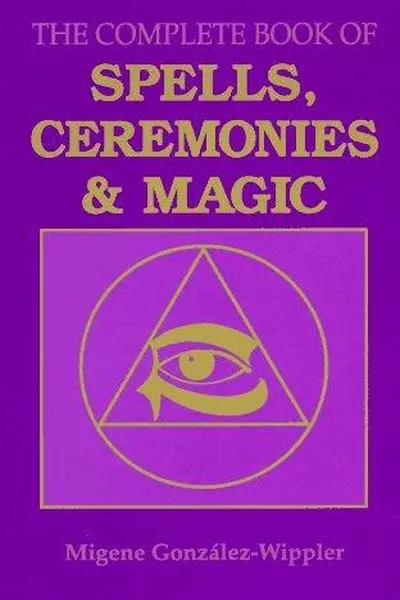
El libro completo de magia, hechizos y ceremonias

 80
80

El libro completo de magia, hechizos y ceremonias
Migene González-Wippler’s "El libro completo de magia, hechizos y ceremonias" functions as a meticulously organized grimoire for the modern practitioner. Its strength lies in its systematic approach, breaking down complex magical operations into digestible steps. The section detailing the construction of a magical circle, for instance, is precise, outlining not just the physical layout but the energetic purpose behind each element. However, the sheer breadth of topics covered, while comprehensive, occasionally leads to a superficial treatment of certain advanced techniques. Readers seeking deep dives into specific ceremonial traditions might find themselves needing supplementary material. The work’s insistence on disciplined practice and ethical grounding is commendable, offering a balanced perspective often missing in more sensationalist occult literature. It is a solid, if not revolutionary, compendium for those serious about ritualistic practice.
📝 Description
80
Migene González-Wippler's 2000 book is a guide to practicing ritualistic magic.
El libro completo de magia, hechizos y ceremonias, published in 2000, serves as a comprehensive manual for understanding and performing ritualistic magic. The author covers a broad spectrum of magical disciplines, moving from basic spellcasting to more involved ceremonial rites. Its goal is to equip readers with the core knowledge and practical skills needed to engage in various occult practices.
This book is intended for anyone interested in the practical use of esoteric knowledge. It is suitable for beginners who wish to learn fundamental magical principles, as well as for experienced occultists aiming to broaden their collection of spells and ceremonies. Individuals curious about the underlying mechanics of ritualistic magic, energy manipulation, and how to construct magical workings will find it especially helpful.
The text systematically introduces key magical ideas. These include the nature of magical energy, the significance of intent and visualization, the use of tools and consecrated spaces, and the principles of invocation and evocation. It describes how to construct sigils, create talismans, and perform different kinds of spells and rituals. The importance of ethical conduct and the personal growth necessary for effective magical work are also stressed.
Published in 2000, González-Wippler's work appeared during a time of increased public interest in occultism and esotericism. This resurgence was partly driven by the internet and greater access to previously hard-to-find texts. The book follows in the tradition of earlier figures like Aleister Crowley and Dion Fortune, who developed significant frameworks for modern ceremonial magic. Its focus on practical application and clear explanations made it a guide for a new generation seeking direct experience with magical practices.
💡 Why Read This Book?
• Learn the foundational principles of ritual magic, including the proper consecration of tools and the establishment of a sacred working space, as detailed in the early chapters on magical preparation. • Understand the practical application of visualization and intent in spellcraft, a core concept González-Wippler explains through examples of sigil creation and talismanic charging. • Gain insight into the ethical considerations and energetic management crucial for effective spellcasting, as presented in the sections discussing the magician's responsibilities and the balance of forces.
⭐ Reader Reviews
Honest opinions from readers who have explored this book.
❓ Frequently Asked Questions
What specific magical traditions does 'El libro completo de magia, hechizos y ceremonias' draw from?
The work synthesizes elements from various Western esoteric traditions, including ceremonial magic, folk magic, and basic Wiccan-inspired practices, making it a broad overview rather than a deep dive into a single lineage.
Is this book suitable for absolute beginners in magic?
Yes, the book begins with fundamental concepts and practical steps, making it accessible for individuals with no prior experience in occult studies or magical practice.
Does the book provide specific spells or just theoretical frameworks?
It provides both. The text offers concrete examples of spells and rituals for various purposes, alongside the theoretical underpinnings and ethical guidelines for performing them.
When was 'El libro completo de magia, hechizos y ceremonias' first published?
The book was first published in the year 2000, placing it within the late wave of popular occult literature that gained momentum in the digital age.
What is the author's background?
Migene González-Wippler is an author and practitioner known for her extensive work on Santería, magic, and witchcraft, bringing a practical, cross-cultural perspective to her writings.
Does the book discuss the use of specific deities or spirits?
Yes, the book covers the invocation and evocation of various entities, offering guidance on how to approach them within a ritual context, though it may not adhere strictly to one specific pantheon.
🔮 Key Themes & Symbolism
Foundations of Ritual Magic
This section establishes the fundamental principles necessary for any magical working. It emphasizes the importance of a prepared mind and space, detailing the consecration of tools like wands, athames, and chalices, and the creation of a consecrated circle. The text stresses that magic is not merely about reciting words but about focused intent, will, and the manipulation of subtle energies within a structured framework, aligning with traditional ceremonial practices.
Spellcraft and Enchantment
The book offers practical instructions for crafting and casting spells for a variety of purposes, from protection and prosperity to love and healing. It details techniques such as sigil creation, where abstract desires are condensed into potent symbols, and the charging of talismans for sustained magical effect. Emphasis is placed on the correct use of correspondences (herbs, colors, times) to amplify the spell's power, reflecting common practices in folk and ceremonial magic.
Ceremonial Rites and Evocation
Moving beyond simple spells, this theme addresses more complex ceremonial work, including the principles of invocation and evocation. González-Wippler guides readers on the proper methods for calling forth energies or entities, stressing the need for respectful interaction and clear intent. The book outlines the structure of formal ceremonies, the use of divine names, and the importance of understanding the nature of the forces being engaged, echoing classical grimoire traditions.
The Magician's Ethics and Development
A crucial aspect explored is the personal development and ethical responsibility of the practitioner. The book discusses the need for self-discipline, mental clarity, and a strong moral compass to wield magical power effectively and safely. It touches upon the consequences of misuse and the importance of balance, framing magic as a path that requires inner growth alongside external technique, a concept central to many esoteric philosophies.
💬 Memorable Quotes
Direct passages from the work, attributed to the author.
“The magical circle is not merely a boundary; it is a consecrated space where the magician can safely interact with forces beyond the mundane.”
— This highlights the protective and empowering function of the ritual circle, emphasizing its role in creating a focused, sacred environment conducive to magical work.
“Intent is the engine of all magic; without clear purpose, even the most elaborate ritual will falter.”
— This underscores the paramount importance of the practitioner's will and focused desire in directing magical energy and achieving desired outcomes in spellcasting.
“Every element used in a spell, from the color of a candle to the time of day, carries its own vibration that can be harnessed.”
— This points to the system of correspondences in magic, where specific materials and timings are chosen for their symbolic and energetic resonance to enhance spell efficacy.
“The true power of a magician lies not just in knowledge, but in the discipline to apply it wisely and ethically.”
— This emphasizes the character and self-control required of a practitioner, suggesting that ethical conduct and inner development are as vital as arcane learning.
“A sigil is a thought-form made manifest, a potent symbol condensed from a complex desire.”
— This defines sigilization as a technique for condensing abstract intentions into concrete, powerful symbols that can be impressed upon the subconscious or the magical ether.
🌙 Esoteric Significance
Tradition
This work broadly situates itself within the Western Esoteric Tradition, synthesizing elements from ceremonial magic, folk magic, and practical spellcraft. While not strictly adhering to a single lineage like the Golden Dawn or Thelema, it draws upon their emphasis on ritual structure, symbolism, and will-work. It presents a pragmatic approach, aiming to equip practitioners with a functional understanding of magical principles applicable across different contexts, rather than focusing on a specific philosophical or theological system.
Symbolism
Key symbols explored include the magic circle as a representation of the cosmos and a sacred boundary, the athame (ritual knife) symbolizing the will and the element of fire or air, and the wand representing command and the element of air or fire. The book also examines the symbolic meaning of colors, planetary correspondences, and the use of divine names, all employed to imbue rituals with specific energetic frequencies and intentions.
Modern Relevance
Contemporary practitioners engaged in eclectic witchcraft, modern ceremonial magic, or even secularized magical practices often find value in González-Wippler's systematic approach. Her clear explanations of fundamental concepts like energy work, visualization, and the importance of intent remain relevant for those developing their personal magical systems or seeking structured methods for spellcasting and ritual.
👥 Who Should Read This Book
• Aspiring magicians and ritualists seeking a foundational text that covers essential techniques from spellcasting to ceremonial structure. • Individuals interested in practical occultism who want to understand the mechanics of magic beyond theoretical discussions. • Students of comparative esotericism looking for a work that synthesizes various Western magical practices into a coherent whole.
📜 Historical Context
Published in 2000, "El libro completo de magia, hechizos y ceremonias" emerged during a resurgence of interest in occultism, partly facilitated by the burgeoning internet. Migene González-Wippler's work entered a landscape already shaped by figures like Aleister Crowley and the Hermetic Order of the Golden Dawn, whose ceremonial magic practices were widely studied. The book offered a more accessible, practical manual compared to some of the denser, more academic texts of the era. Its publication coincided with a growing public appetite for 'how-to' esoteric guides, distinguishing it from purely theoretical or historical occult scholarship. While not a direct engagement with specific academic debates, its comprehensive nature provided a resource for practitioners seeking to synthesize various magical techniques, potentially drawing from or contrasting with the more specialized approaches found in contemporary Wiccan or Chaos Magic circles.
📔 Journal Prompts
The structure of a consecrated magical circle, its symbolic meaning and practical function.
Personal visualization techniques for charging a talisman.
Ethical considerations when invoking or evoking entities.
The role of intent versus elaborate ritual in spellcasting success.
Mapping correspondences for a specific spell purpose.
🗂️ Glossary
Athame
A ritual dagger, typically double-edged and often inscribed with magical symbols, used for directing energy, cutting cords, and symbolically commanding forces, but generally not for physical cutting.
Consecration
The act of dedicating or setting apart a person, object, or place for a sacred purpose, often involving ritual purification and invocation to imbue it with spiritual significance or magical power.
Evocation
A magical practice involving the summoning or calling forth of spirits or entities from outside the magician's own being, typically to appear within a designated space like a magic circle.
Invocation
A magical practice involving the calling of a deity, spirit, or divine force to enter into or work through the magician, often leading to ecstatic states or divine possession.
Sigil
A magically charged symbol created by condensing a statement of intent into a graphic design, often used to impress the desire upon the subconscious mind or the magical ether.
Talismans
Objects imbued with magical power through consecration and intent, designed to attract specific influences, provide protection, or manifest desired outcomes for the bearer.
Wand
A magical implement, typically a stick or rod, used for directing energy, commanding elements, and as a symbol of authority and will in ritual.
🔮 Readers Also Liked
Browse all →








More by Migene González-Wippler
All books →



More Free Magic & Ritual Books
View all →