Egyptian ideas of the future life
 74
74

Egyptian ideas of the future life
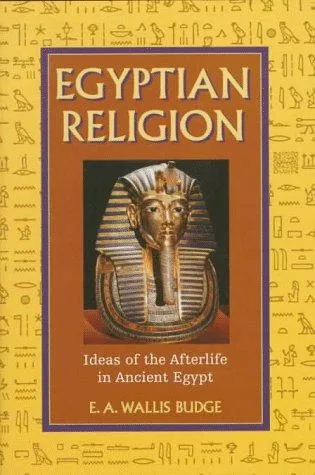
Budge's "Egyptian Ideas of the Future Life" presents a thorough, if somewhat dry, catalog of ancient Egyptian eschatology. The author's meticulous citation of textual evidence, particularly from funerary papyri, is a significant strength, offering a direct glimpse into the beliefs themselves. However, the prose can be dense, often prioritizing exhaustive detail over narrative flow. A particularly illuminating section discusses the various forms of the soul – Ka, Ba, and Akh – and their distinct roles in the afterlife. While the book provides an invaluable factual foundation, it sometimes lacks a critical engagement with the psychological or symbolic dimensions that later scholars might explore. Nevertheless, for those seeking an authoritative survey of the subject's textual evidence, it remains a foundational resource.
📝 Description
74
E. A. Wallis Budge's 1959 book examines ancient Egyptian ideas of life after death.
Published in 1959, Egyptian Ideas of the Future Life presents a thorough study of ancient Egyptian beliefs regarding existence after death. E. A. Wallis Budge draws on hieroglyphic texts, tomb inscriptions, and religious literature to reconstruct these ancient perspectives. The work systematically details the cosmology and funerary practices that shaped their understanding of the afterlife.
This volume is aimed at students of Egyptology, comparative religion, and ancient history. It will also interest those studying the philosophical aspects of funerary rituals and the development of eschatological thought. Readers who prefer a detailed, academic approach over a popularized version will find this book especially useful. Budge's scholarship emerged during a time of significant academic focus on ancient Egyptian civilization, building on earlier work in deciphering hieroglyphs and archaeological cataloging.
This book details the Egyptian understanding of post-mortem existence, a topic central to many esoteric traditions. The Egyptian focus on a preserved body (mummification) and the transmigration of the soul (Ka, Ba, Akh) reflects a deep concern with spiritual continuity. Their elaborate rituals and texts, such as the Book of the Dead, were designed to guide and protect the deceased through the underworld (Duat) and achieve a blessed afterlife. This intricate system of beliefs about death, judgment, and rebirth connects to broader themes found in ancient mystery religions and later spiritualist movements that sought to understand and influence the fate of the soul.
💡 Why Read This Book?
• Understand the specific roles of the Ka, Ba, and Akh in ancient Egyptian cosmology, differentiating them from modern Western concepts of the soul. • Gain insight into the funerary rituals and the purpose of texts like the Book of the Dead, as documented from ancient Egyptian sources. • Grasp the significance of the judgment scene before Osiris, a central event in the ancient Egyptian conception of the afterlife.
⭐ Reader Reviews
Honest opinions from readers who have explored this book.
❓ Frequently Asked Questions
What is the significance of the "Book of the Dead" in Egyptian ideas of the future life?
The Book of the Dead is a collection of spells and prayers intended to guide the deceased through the dangers of the underworld (Duat) and ensure a successful transition to the afterlife.
Who was Osiris in the context of the Egyptian afterlife?
Osiris was the god of the afterlife, the underworld, and the dead. He presided over the judgment of souls, determining their fate in the eternal realm.
What were the primary components of the ancient Egyptian soul?
Ancient Egyptians believed the soul comprised multiple parts, notably the Ka (life force), Ba (personality or spirit), and Akh (the transfigured spirit that achieved immortality).
When was E. A. Wallis Budge's "Egyptian Ideas of the Future Life" first published?
This work by E. A. Wallis Budge was first published in 1959, drawing on decades of Egyptological research.
How did mummification relate to the Egyptian concept of the afterlife?
Mummification was crucial for preserving the body, which the Ka and Ba needed to recognize and inhabit in the afterlife, thus ensuring the deceased's continued existence.
What is the Duat?
The Duat is the ancient Egyptian term for the underworld or realm of the dead, a perilous landscape the deceased soul had to traverse.
🔮 Key Themes & Symbolism
The Soul's Components
The work meticulously details the ancient Egyptian understanding of the soul, distinguishing between the Ka, representing the vital life force, and the Ba, embodying the individual personality or consciousness. It further explores the Akh, the glorified and effective spirit that could interact with the living. Understanding these distinctions is crucial for grasping the many-sided Egyptian view of post-mortem existence and the requirements for achieving immortality.
The Perilous Journey
Central to Egyptian eschatology is the arduous voyage through the Duat, the underworld. Budge outlines the numerous trials, demons, and divine gatekeepers the deceased soul must confront. This journey was not merely a physical passage but a spiritual trial, navigated successfully only with the aid of magical spells and knowledge of the correct divine names, as provided in funerary texts.
Judgment and Deification
The weighing of the heart ceremony before Osiris is depicted as a critical juncture. The deceased's heart, representing their conscience and deeds, was weighed against the feather of Ma'at, symbolizing truth and justice. A favorable judgment meant entry into the Field of Reeds; an unfavorable one led to annihilation. This process underscores the ethical and cosmic order central to Egyptian belief.
The Role of Funerary Texts
Budge emphasizes the indispensable function of funerary texts, such as the Book of the Dead. These compilations of spells, hymns, and instructions were not mere religious documents but practical guides, essential tools for the deceased to overcome obstacles in the Duat and achieve eternal life. Their preservation and study offer direct insight into the spiritual technology of ancient Egypt.
💬 Memorable Quotes
Direct passages from the work, attributed to the author.
“The Egyptians believed that the soul could be attacked and destroyed in the underworld.”
— This highlights the inherent danger and fragility of the afterlife journey in Egyptian belief, emphasizing the need for protective measures and knowledge.
“The heart was weighed against the feather of Ma'at.”
— This refers to the critical judgment scene where the deceased's moral record, symbolized by the heart, was assessed against divine truth and cosmic order.
“The Ba could travel outside the tomb and return to the body.”
— This illustrates the mobility and connection of the Ba (personality/spirit) to the physical form, allowing for interaction between the afterlife and the earthly realm.
“The Ka needed sustenance in the tomb.”
— This points to the practical needs of the Ka (life force) after death, necessitating offerings and continued remembrance by the living.
“Osiris judged the dead.”
— This signifies the central role of Osiris as the divine arbiter of souls, determining their eternal destiny through a formal judgment process.
🌙 Esoteric Significance
Tradition
This work aligns with the broader Hermetic and Theosophical interest in ancient Egyptian mysteries, which viewed Egypt as a foundational source of esoteric knowledge. While Budge's approach is academic, the subject matter itself—the soul's journey, divine judgment, and transformation—appeals to perennial philosophies seeking universal truths about existence and consciousness beyond the physical.
Symbolism
Key symbols explored include the Ankh, representing life and immortality, and the Scarab beetle (Khepri), symbolizing rebirth and the dawn. The Weighing of the Heart ceremony is a profound symbolic representation of divine justice and karmic accountability, central to many spiritual traditions. The Duat itself functions as a symbolic field of the soul's trials.
Modern Relevance
Contemporary practitioners of Hermeticism, Rosicrucianism, and various forms of ceremonial magic often reference ancient Egyptian cosmology and symbolism. The book's detailed exposition of concepts like the Ka and Ba can inform modern understandings of consciousness and subtle bodies, while the archetypal journey through the Duat offers a framework for inner exploration and spiritual development.
👥 Who Should Read This Book
• Students of comparative religion and ancient history seeking foundational texts on Egyptian afterlife beliefs. • Scholars and researchers of Egyptology requiring a detailed, text-based overview of funerary concepts. • Individuals interested in the historical development of eschatological ideas across different cultures and belief systems.
📜 Historical Context
E. A. Wallis Budge's "Egyptian Ideas of the Future Life" was first published in 1959, but his scholarship drew heavily on decades of work from the late 19th and early 20th centuries. This period saw a surge in Egyptology following significant archaeological discoveries and the decipherment of hieroglyphs, spearheaded by figures like Jean-François Champollion. Budge himself was a prolific translator and curator at the British Museum, publishing extensively on Egyptian religion and magic. His work stood within a broader comparative mythology movement, alongside scholars like Sir James Frazer. While Budge's approach was primarily textual and descriptive, later scholars began to incorporate psychological and anthropological perspectives, sometimes critiquing the perceived lack of theoretical integration in earlier works. The book's value lies in its comprehensive cataloging of ancient Egyptian funerary beliefs and practices from primary sources.
📔 Journal Prompts
The Ka's need for sustenance and the Ba's potential for travel.
Reflect on the trials of the Duat and the role of magical spells.
Consider the implications of the Weighing of the Heart ceremony.
Analyze the purpose and content of the Book of the Dead.
The concept of the Akh as a transfigured spirit.
🗂️ Glossary
Ka
The vital life force or spiritual double of a person, believed to require sustenance and a physical anchor (the body or statues) after death.
Ba
The aspect of the soul representing personality, consciousness, and mobility, able to travel between the tomb and the afterlife.
Akh
The transfigured, effective spirit of the deceased, considered immortal and capable of interacting with the divine and the living.
Duat
The ancient Egyptian underworld or area of the dead, a dangerous place through which the deceased soul journeyed.
Book of the Dead
A collection of spells, prayers, and incantations intended to guide and protect the deceased during their journey through the Duat.
Osiris
The god of the afterlife, the underworld, and resurrection, who presided over the judgment of the dead.
Ma'at
The ancient Egyptian concept of truth, justice, cosmic order, and balance, often symbolized by a feather.
🔮 Readers Also Liked
Browse all →






More by E. A. Wallis Budge
All books →



More Free Witchcraft & Paganism Books
View all →