DJINN, SIHR AND SPIRITISM. Volume 2
 79
79

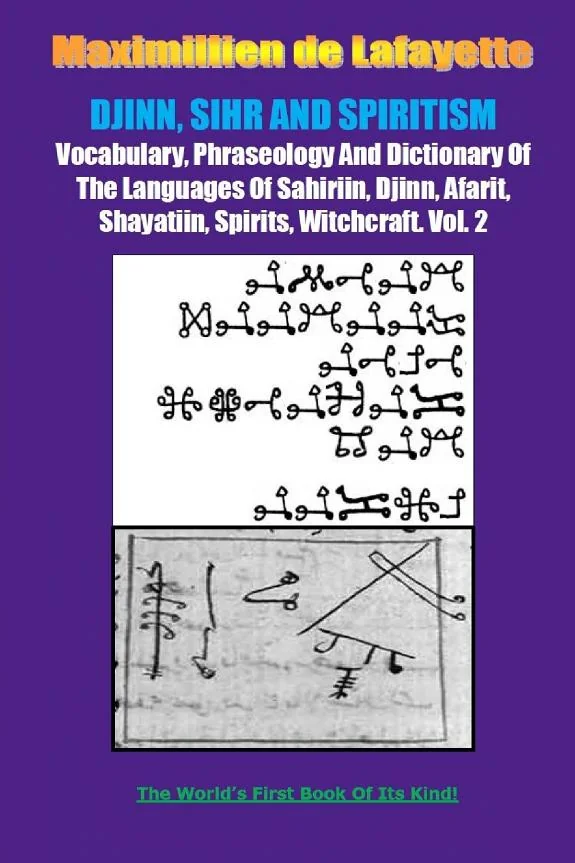
DJINN, SIHR AND SPIRITISM. Volume 2
Maximillien De Lafayette’s "DJINN, SIHR AND SPIRITISM. Volume 2" presents a formidable, albeit dense, glossary for those venturing into the linguistic underpinnings of occult traditions. Its strength lies in its granular detail, offering precise definitions for terms related to Djinnic hierarchies and the lexicon of Sihr. For instance, the distinction between various classes of Ifrit and Jinn, detailed through specific Arabic terms, is invaluable for researchers of Islamic esotericism. However, the volume’s encyclopedic nature can feel overwhelming, and its utility is heavily dependent on the reader’s existing familiarity with the subject matter. The original blurb rightly points out that without this vocabulary, summoning and communication remain difficult, a point underscored by the book’s relentless focus on terminology. A particular passage detailing the etymology of specific Djinn names, tracing their roots through ancient Semitic languages, exemplifies the book’s scholarly ambition. While indispensable for serious study, its accessibility might be a hurdle for casual enthusiasts. It’s a reference work, not a narrative, demanding dedicated study to yield its secrets.
📝 Description
79
Published in 2014, this is the second volume in a five-part series on Djinn, Sihr, and Spiritism.
This volume functions as a specialized lexicon for the study of Djinn, Sihr (sorcery), and Spiritism. It meticulously compiles vocabulary, phraseology, and dictionaries pertaining to various entities and practices. These include Djinn, Afarit, Shayatiin (demons), general spirits, and witchcraft.
The work aims to equip readers with the linguistic tools necessary for understanding and potentially engaging with these supernatural phenomena. It is intended for serious students and practitioners of occult sciences, demonology, and spirit communication who require a precise understanding of the terminology. This includes individuals researching ancient texts, modern grimoires, or engaging in ritualistic practices that involve invoking or banishing entities.
Published in 2014, this work offers structured linguistic data for phenomena historically documented across cultures. The study of Djinn, in particular, has roots stretching back to pre-Islamic Arabian beliefs and is extensively detailed in Islamic theological and magical texts. This volume contributes to a long tradition of cataloging supernatural entities and their associated languages, a practice seen in medieval European grimoires and ancient Sumerian incantations.
💡 Why Read This Book?
• Gain access to the precise terminology required for understanding and potentially interacting with Djinn and spirits, as detailed in the specific dictionaries and phraseologies presented. • Decipher the specialized language of Sihr (sorcery) and its associated entities, enabling a deeper comprehension of occult texts and practices that remain opaque without this linguistic foundation. • Understand the distinct classifications of supernatural beings, such as Djinn, Afarit, and Shayatiin, by learning their specific nomenclature and associated concepts, as outlined in the volume's comprehensive vocabulary.
⭐ Reader Reviews
Honest opinions from readers who have explored this book.
❓ Frequently Asked Questions
What is the primary purpose of "DJINN, SIHR AND SPIRITISM. Volume 2"?
The primary purpose of Volume 2 is to serve as a specialized dictionary and phrasebook for the languages and terminologies associated with Djinn, Sihr (sorcery), and various classes of spirits, enabling clearer communication and understanding in occult studies.
Who is the author, Maximillien De Lafayette, and what is his background?
Maximillien De Lafayette is an author known for his extensive writings on paranormal phenomena, occultism, and esoteric subjects, often focusing on spiritism and ancient traditions.
What is 'Sihr' as discussed in the book?
Sihr, as explored in the book, refers to sorcery or magic, particularly within the context of Islamic and pre-Islamic traditions, encompassing its associated terminology, practitioners, and entities.
Does this book explain how to summon spirits or Djinn?
While the book provides the necessary vocabulary and phraseology to understand summoning and communication, its primary focus is on the linguistic tools rather than a step-by-step grimoire for invocation.
Is "DJINN, SIHR AND SPIRITISM. Volume 2" a standalone book?
Volume 2 is part of a larger five-volume set. While it contains specialized information, it is designed to complement the other volumes in the series, though it can be used independently for its glossary function.
Where was this book originally published?
This volume was originally published by Times Square Press in New York.
🔮 Key Themes & Symbolism
Djinnic Linguistics
This volume meticulously details the linguistic structures and vocabularies associated with various classes of Djinn, including Afarit and Shayatiin. It emphasizes that understanding their specific names, dialects, and incantatory phrases is crucial for any form of interaction, be it communication or command. The work posits that Djinn possess distinct linguistic frameworks, and mastery of these is the gateway to accessing their realms and influences. It moves beyond simple demonological classifications to explore the grammatical and phonetic nuances that supposedly govern these entities' interactions with the human world.
The Language of Sihr
A significant focus is placed on 'Sihr,' the Arabic term for sorcery or magic. The book compiles the specialized terminology, spells, and invocations used within these practices. It explores the esoteric lexicon that underpins magical operations, suggesting that the efficacy of Sihr is directly tied to the precise articulation and understanding of its unique language. This includes not only verbal components but also the symbolic language and coded phrases used by practitioners across different historical periods and cultural contexts.
Spirit Communication Protocols
Beyond Djinn and Sihr, the volume addresses the broader spectrum of spirit communication, including 'Arwaah Tahira' (Noble Souls). It outlines the necessary vocabulary and phrasings required to engage with these entities respectfully and effectively. The work suggests a structured approach to spiritism, where a foundational knowledge of spiritual nomenclature and address forms is paramount for establishing contact and receiving intelligible responses, thereby distinguishing it from chaotic or uncontrolled spiritual encounters.
The Lexicon as a Gateway
The core thesis presented is that language is not merely descriptive but acts as a fundamental key or tool for accessing supernatural realities. The book argues that without familiarity with the specific vocabulary and phraseology of Djinn, spirits, and sorcery, attempts at summoning or communication are inherently flawed and likely to fail. This emphasis on the lexicon as a prerequisite elevates linguistic study to a primary practice within esoteric disciplines.
💬 Memorable Quotes
Direct passages from the work, attributed to the author.
“The vocabulary and phraseology of Sahiriin, Djinn, Afarit, Shayatiin, Spirits, Witchcraft.”
— This phrase, appearing in the original blurb, expresses the book's function as a specialized lexicon. It highlights the comprehensive nature of the work, aiming to cover the distinct linguistic universes of various supernatural and magical traditions.
“There is no way in the world would you be able to summon and communicate with spirits, Djinns, Afarit, demons and even Noble Souls (Arwaah Tahira) if you are not familiar with the terminology, vocabulary and phr”
— This statement underscores the central premise of the book: linguistic mastery is a prerequisite for successful spiritual or Djinnic interaction. It positions the lexicon not as an academic curiosity, but as an essential tool for practical occult engagement.
“Volume 2 from a set of 5 volumes”
— This factual statement situates the book within a larger, multi-volume project. It indicates that the information presented is part of a more extensive and systematically developed body of work on the subject matter.
“Published by Times Square Press. New York.”
— This provides crucial bibliographical information, grounding the publication in a specific time and place. It identifies the publisher, adding a layer of verifiable detail to the book's origin and dissemination.
“Also available in a mega book containing the whole set of 5 volumes.”
— This offers practical information for potential readers, indicating the availability of a consolidated edition. It suggests a desire for accessibility and completeness from the publisher and author.
🌙 Esoteric Significance
Tradition
This work aligns with and expands upon traditions concerning elemental spirits and Djinn found in Islamic esotericism and folklore, as well as Western ceremonial magic's engagement with various classes of spirits. It functions as a practical lexicon, akin to glossaries found in medieval grimoires or Kabbalistic texts, but specifically tailored to Djinnic and Arabic-rooted magical terminology. It departs from purely theoretical or theological discussions by providing a functional vocabulary, emphasizing the practical application of language in occult workings.
Symbolism
While the book is primarily linguistic, the terms themselves carry significant symbolic weight. 'Djinn,' often associated with fire and hidden realms, symbolizes the unseen forces of nature and the subconscious. 'Sihr' symbolizes the manipulation of these forces through specific knowledge and intent, representing the power of will and arcane language. 'Afarit' and 'Shayatiin' represent hierarchical distinctions within the Djinnic realm, symbolizing different levels of power, influence, and potential danger, reflecting a cosmic order of spiritual beings.
Modern Relevance
Contemporary practitioners of Islamic occultism, demonology, and comparative religion scholars continue to draw on specialized vocabularies like those presented here. Modern spiritism groups and paranormal researchers interested in verifiable communication protocols might also find value. The work's emphasis on precise terminology speaks to modern movements seeking to revive or accurately represent ancient magical systems, moving beyond generalized concepts to specific, functional language.
👥 Who Should Read This Book
['• Students of Islamic Occultism: Those researching or practicing traditions involving Djinn and related entities will find the specific Arabic terminology and classifications useful for accurate study.', '• Practitioners of Ceremonial Magic: Individuals engaged in spirit summoning and communication may use this lexicon to refine their invocations and understand the nomenclature of entities encountered.', '• Comparative Religion Scholars: Researchers examining folklore, demonology, and spiritual hierarchies across cultures will benefit from the detailed linguistic distinctions presented.']
📜 Historical Context
Maximillien De Lafayette's "DJINN, SIHR AND SPIRITISM. Volume 2", published in 2014, arrives at a time when esoteric knowledge is widely disseminated online, often lacking the structured rigor found in older traditions. This volume seeks to rectify that by providing a specialized lexicon for the study of Djinn, Sihr, and spiritism. The historical roots of Djinn lore are deeply embedded in pre-Islamic Arabian beliefs and are extensively cataloged within Islamic theological and magical literature, dating back centuries. Similarly, the study of spiritism gained significant traction in the West during the 19th century with figures like Allan Kardec, who codified Spiritist doctrine and terminology. Lafayette's work situates itself within this lineage, aiming to bridge ancient concepts with modern inquiry. Unlike the more philosophical or theological approaches to these subjects, De Lafayette’s focus is explicitly linguistic and practical, potentially drawing on a tradition of occult grimoires that emphasize precise nomenclature for efficacy. The reception of such specialized works often comes from dedicated practitioners and scholars rather than mainstream academic circles, yet they fill a crucial niche for those seeking direct engagement with these traditions.
📔 Journal Prompts
The specific phraseology for addressing Afarit and Shayatiin.
Understanding the linguistic key for communicating with 'Arwaah Tahira'.
The role of Djinnic vocabulary in practical Sihr operations.
Distinguishing between different Djinn classes through their terminology.
How specific incantations in Sihr function linguistically.
🗂️ Glossary
Djinn
A class of supernatural creatures in Arabian and Islamic mythology and theology, created from smokeless fire. They are capable of coexisting with humans and possess free will.
Sihr
An Arabic term commonly translated as sorcery, magic, or witchcraft. It encompasses a wide range of practices and beliefs related to the manipulation of supernatural forces.
Afarit
A plural form (often singular Ifrit) referring to a powerful class of Djinn, typically depicted as malevolent and possessing immense strength and cunning. They are often associated with fire and the underworld.
Shayatiin
The plural of 'Shaytan' (Satan), this term refers to demonic entities or devils, often considered a subset or type of Djinn that is inherently rebellious and wicked.
Arwaah Tahira
An Arabic phrase meaning 'Noble Souls' or 'Pure Spirits.' It refers to benevolent spiritual entities, often distinguished from lower or malevolent spirits and Djinn.
Sahiriin
The plural of 'Sahir,' an Arabic term referring to a sorcerer or magician, particularly one who practices Sihr.
Spiritism
A doctrine that focuses on the existence and communication with spirits, often involving mediumship and the belief that spirits can influence the living. In this context, it relates to the broader study of spiritual entities and their languages.
This book appears in 1 collection
🔮 Readers Also Liked
Browse all →









From the “Djinn” Collection
View all →





More Free Occult Philosophy Books
View all →