What are Djinn?
Djinn, often translated as genies or spirits, are supernatural beings originating from pre-Islamic Arabian folklore and later integrated into Islamic cosmology. They are typically described as beings of smokeless fire, possessing free will and the ability to interact with the human world. Unlike angels, they are not inherently good or evil, capable of both benevolent and malevolent actions. Their existence and nature are subjects of theological discussion and occult inquiry across various cultures.
Best Books for Complete Beginners
For those new to the subject, 'Djinn — Lords Of The Invisible' by Victor Hale/Virginia Santos offers a broad introduction to their lore and history. 'Encyclopedia of Mystics, Saints & Sages' by Judika Illes provides context within a wider pantheon of spiritual beings. Rudyard Kipling's 'Just So Stories' and 'New Illustrated Just So Stories' contain allegorical tales that touch upon Djinn-like figures. 'My Genie Sketch Book' by 24 Magic DMM offers a visually oriented approach to the concept.
Intermediate Reading
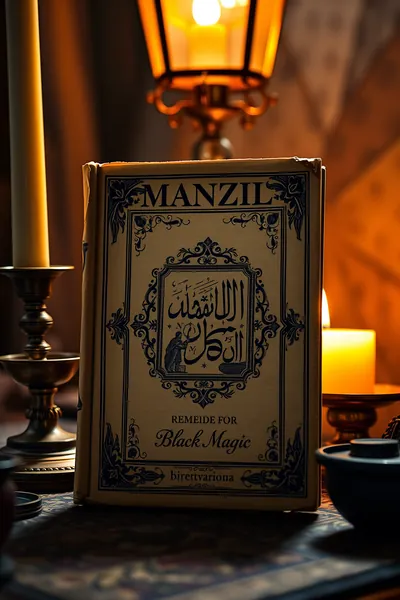
Students ready for more depth can explore 'The Magic Of The Djinn' by Sahir Al-nur / Luiz Santos for practical insights. Brian Robb's 'My Grandmother's Djinn' presents a narrative exploration of Djinn encounters. 'Dreams and Shadows' by C. Robert Cargill offers fictionalized accounts that draw on Djinn mythology. 'Manzil - protection from evil jinn magic' provides specific ritualistic approaches to warding off negative Djinn influence.
Classical / Advanced Texts
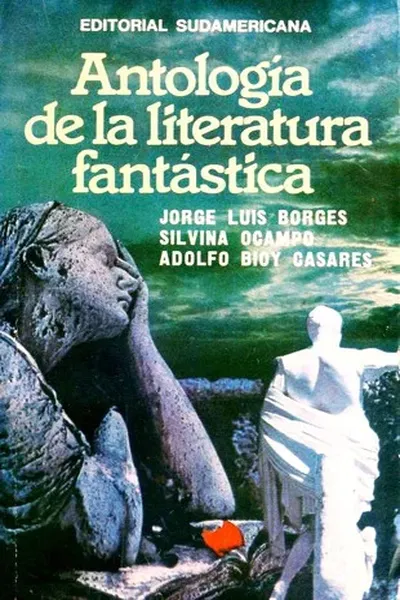
Advanced study benefits from texts that engage with Djinn within their original cultural and religious contexts. Simone Lohmeier's 'Die Rolle des Iblis im Sufismus' examines the Djinn's role within Islamic mysticism. Ali Özgür Özdil's 'Die Unsichtbaren - Djinn' and S.B Darkmoor's 'Die Djinn schlafen nicht' offer specialized perspectives, likely from German-language scholarship. 'Antología de la literatura fantástica' by Jorge Luis Borges may contain relevant literary treatments.
Reading Order — Step by Step
Begin with foundational overviews like 'Djinn — Lords Of The Invisible' (Hale/Santos) and 'Encyclopedia of Mystics, Saints & Sages' (Illes) in Weeks 1-2. Move to narrative and practical introductions in Month 2 with 'My Grandmother's Djinn' (Robb) and 'The Magic Of The Djinn' (Al-nur/Santos). By Month 3, engage with specialized works such as 'Die Rolle des Iblis im Sufismus' (Lohmeier) and 'Manzil - protection from evil jinn magic' for deeper contextual and ritualistic understanding.
Frequently Asked Questions
Which Djinn book should I read first?
Start with 'Djinn — Lords Of The Invisible' by Victor Hale/Virginia Santos for a broad overview. Alternatively, Judika Illes's 'Encyclopedia of Mystics, Saints & Sages' provides excellent context within wider spiritual traditions.
Are Djinn real?
Belief in Djinn is a significant aspect of folklore and religious traditions, particularly in Islam and pre-Islamic Arabian culture. Their existence is accepted within these frameworks as supernatural beings.
What is the difference between a Djinn and a demon?
While often conflated, Djinn are beings created from smokeless fire with free will, capable of good or evil. Demons (Shaytan) are typically understood as fallen beings, often Djinn who rebelled, focused on temptation and evil.
Can Djinn interact with humans?
According to folklore and occult traditions, Djinn can interact with humans, sometimes influencing events, possessing individuals, or forming pacts. Protective measures are often discussed in relation to these interactions.
Where do Djinn originate from?
Djinn originate from ancient Arabian folklore and were later incorporated into Islamic theology and cosmology. They are believed to inhabit a parallel world and predate humanity.
Are there different types of Djinn?
Folklore suggests various classifications of Djinn, often based on their dwelling place (desert, ruins, homes), their nature (benevolent, malevolent), or their rank and power.
How can one protect themselves from harmful Djinn?
Traditional methods include reciting specific Quranic verses (like those in 'Manzil'), invoking divine names, maintaining strong faith, and performing ritual purification. These practices are detailed in various occult and religious texts.