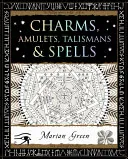
Discover Your Destiny with the Monk Who Sold His Ferrari
 81
81

Discover Your Destiny with the Monk Who Sold His Ferrari
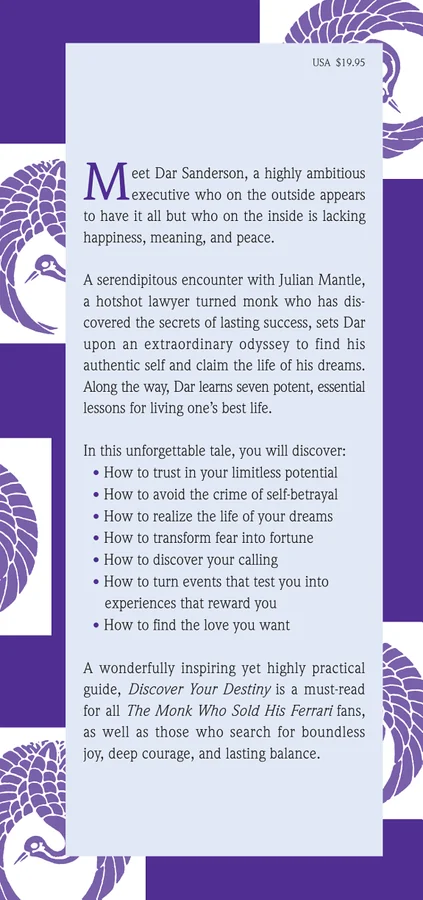
Robin Sharma's "Discover Your Destiny with the Monk Who Sold His Ferrari" is a parable that, while familiar in its spiritual quest narrative, offers a structured framework for personal transformation. The strength lies in its accessible allegorical style, making complex philosophical ideas digestible for a broad audience. The character of Julian Mantle serves as a relatable guide through the trials of shedding worldly concerns for inner peace. However, the narrative occasionally leans into platitudes, and the prescriptive nature of Mantle's advice, while clear, can sometimes feel overly simplified. The passage detailing the 'Three Virtues'—namely, the ability to summon the best of yourself when it counts, the ability to make sacrifices for the greater good, and the ability to forgive—is a concrete example of the book's practical, albeit idealistic, guidance. Despite its occasional straightforwardness, the book provides a compelling, if gentle, push towards self-reflection and intentional living.
📝 Description
81
Robin Sharma's "The Monk Who Sold His Ferrari" was first published in 2005.
This book tells the story of Julian Mantle, a lawyer who leaves his busy, materialistic life for a spiritual awakening in the Himalayas. After his time as a monk, he returns to share the lessons he learned. The narrative blends storytelling with practical advice, aiming to help readers find personal fulfillment and a greater sense of purpose.
The book appeals to those looking to move away from superficial concerns toward inner peace and deeper meaning. It is for individuals feeling overwhelmed by modern life, questioning their direction, or seeking a more satisfying way to live. Readers interested in self-improvement, accessible spiritual ideas, and philosophical concepts through allegory will find it engaging. It serves as a gentle introduction to personal development, mindfulness, and intentional living for newcomers.
Published in 2005, Sharma's work arrived during a period of growing interest in self-help and personal development. It tapped into a Western fascination with Eastern philosophies and mindfulness, following in the wake of authors who made spiritual teachings accessible. The book's narrative approach, focusing on a lawyer's transformation through Himalayan monasticism, offered a story-driven path to spiritual concepts. Its popularity reflects a broader cultural inclination to seek meaning beyond material achievements, integrating Eastern spiritual ideas into a Western self-improvement framework.
💡 Why Read This Book?
• You will learn the practical application of 'Kaizen' for continuous self-improvement, a concept borrowed from Japanese business philosophy, which offers a structured method for personal growth beyond fleeting motivation. • You will gain an understanding of the 'Three Virtues' Julian Mantle espouses—summoning your best self, making sacrifices, and forgiving—providing specific ethical guidelines for navigating life's challenges. • You will be inspired by the narrative of Julian Mantle's transformation, illustrating how shedding material obsessions, as detailed in his Himalayan journey, can lead to profound purpose and inner tranquility.
⭐ Reader Reviews
Honest opinions from readers who have explored this book.
❓ Frequently Asked Questions
When was "The Monk Who Sold His Ferrari" first published?
The original publication date for "The Monk Who Sold His Ferrari" was April 5, 2005, establishing it within the burgeoning self-help and spiritual literature market of the early 2000s.
What is the core philosophy behind Julian Mantle's teachings?
The core philosophy centers on achieving a life of purpose and fulfillment by mastering oneself, shedding material distractions, and embracing spiritual principles, often illustrated through the concept of 'Kaizen'.
Is "Discover Your Destiny with the Monk Who Sold His Ferrari" a sequel?
While it builds upon the character and themes introduced in "The Monk Who Sold His Ferrari," this particular title is often used to refer to the original narrative or its subsequent editions, continuing Julian Mantle's wisdom-sharing.
What does Julian Mantle mean by 'the three virtues'?
Julian Mantle's 'three virtues' are the capacity to summon your best self under pressure, the willingness to make sacrifices for a greater good, and the grace of forgiveness, serving as pillars for a principled life.
Where did Julian Mantle learn his lessons?
Julian Mantle acquired his profound wisdom during an extended period of spiritual retreat and disciplined practice in the remote Himalayan mountains, following his renunciation of a high-profile legal career.
How does the book encourage readers to find their destiny?
The book guides readers to discover their destiny by first focusing on self-mastery, understanding their life's purpose, and implementing practical spiritual principles learned from Julian Mantle's journey.
🔮 Key Themes & Symbolism
Self-Mastery and Discipline
The narrative strongly emphasizes the necessity of mastering one's own thoughts, emotions, and habits as the foundational step towards a purposeful existence. Julian Mantle's journey exemplifies this through rigorous self-discipline practiced in the Himalayas. The book posits that true freedom comes not from external circumstances but from internal control, advocating for consistent daily practices to build character and resilience. This theme encourages readers to view life as a continuous process of refinement, echoing principles of Stoicism and Eastern contemplative traditions.
Purposeful Living
A central tenet of the book is the pursuit and realization of one's 'life's purpose.' It challenges the reader to look beyond societal expectations and material accumulation to identify what truly gives their life meaning. Mantle's teachings suggest that purpose is not a static destination but an active pursuit, requiring introspection and alignment with one's deepest values. The book offers practical guidance on how to uncover this purpose, framing it as essential for genuine happiness and fulfillment in the modern world.
The Power of Ritual
The text highlights the significance of establishing positive daily rituals to anchor oneself and cultivate desired qualities. These rituals, whether they involve meditation, journaling, or physical activity, are presented as tools for shaping one's reality and reinforcing commitment to personal growth. Mantle's own monastic discipline serves as an archetype for the transformative power of consistent, intentional action. The book suggests that by structuring one's days with mindful practices, individuals can achieve extraordinary results over time.
Spiritual Renunciation
The book explores the idea that shedding excessive material possessions and societal pressures can liberate individuals to pursue spiritual fulfillment. Julian Mantle's dramatic departure from his lucrative law career and subsequent life in the Himalayas illustrates this principle. It argues that attachment to the material world often hinders self-discovery and true happiness. This theme encourages a reevaluation of priorities, suggesting that a simpler, more spiritually focused life can lead to useful insights and contentment.
💬 Memorable Quotes
Direct passages from the work, attributed to the author.
“The quality of your life is the quality of your thoughts.”
— This statement underscores the book's emphasis on the mind's central role in shaping reality. It suggests that cultivating positive and disciplined thinking is paramount to achieving a fulfilling and purposeful existence.
“Serve others and you will find your own purpose.”
— This concept highlights the interconnectedness of individual fulfillment and contribution to the wider community. It proposes that by focusing on service, one can discover a deeper meaning and direction in life.
“The greatest poverty is not the absence of money, but the absence of purpose.”
— This aphorism contrasts material wealth with existential wealth, arguing that a lack of meaning is a more profound form of deprivation than financial scarcity.
“Embrace discipline not as a punishment, but as a pathway to freedom.”
— This interpretation reframes discipline from a restrictive concept to an empowering tool. It suggests that self-control and structured habits are essential for achieving true personal liberty and potential.
“Your life is a gift. Live it with intention and gratitude.”
— This sentiment encourages an appreciative and mindful approach to existence. It calls for conscious living, recognizing the value of each day and responding to life with thankfulness.
🌙 Esoteric Significance
Tradition
While not strictly adhering to a single esoteric lineage, "Discover Your Destiny" draws heavily from principles found in various traditions, including Hermeticism (emphasis on mind and self-mastery), Buddhism (detachment, mindfulness, compassion), and Stoicism (discipline, virtue). It acts as a modern conduit, translating these ancient wisdom streams into a readily digestible narrative format for a contemporary audience. The work departs from traditional esoteric texts by prioritizing narrative accessibility over complex doctrinal exposition, making its philosophical underpinnings more broadly appealing.
Symbolism
The Himalayan mountains serve as a potent symbol of spiritual ascent, isolation, and the pursuit of higher consciousness, a common motif in many spiritual traditions. Julian Mantle himself becomes a symbol of transformation—the shedding of the ego and material attachments for a life of inner richness. The 'Ferrari' represents the allure and ultimate emptiness of material success and worldly ambition, acting as a stark contrast to the fulfillment found in spiritual discipline.
Modern Relevance
This work continues to influence contemporary self-help and personal development movements. Its emphasis on actionable steps, mindset shifts, and purposeful living speaks to modern coaching methodologies and mindfulness practices. Thinkers and practitioners in fields like positive psychology and secular spirituality often cite its accessible approach to ancient wisdom. The book's enduring popularity suggests its concepts are relevant to individuals reading through the complexities of modern life, seeking balance between ambition and well-being.
👥 Who Should Read This Book
• Individuals feeling spiritually adrift or seeking a greater sense of purpose in their lives, who will benefit from Julian Mantle's narrative of transformation and his structured approach to self-discovery. • Beginners interested in Eastern philosophies and contemplative practices, who can engage with these concepts through an accessible story rather than dense theoretical texts. • Professionals experiencing burnout or questioning their career paths, who may find inspiration in Mantle's radical shift from material success to inner fulfillment.
📜 Historical Context
Robin Sharma's "Discover Your Destiny with the Monk Who Sold His Ferrari," first published in 2005, arrived during a period when the self-help genre was experiencing a significant boom, fueled by an increasing public appetite for practical wisdom and spiritual guidance. This era saw a surge in books that blended Eastern philosophies with Western psychological principles, making concepts like mindfulness and personal growth more accessible. Sharma's work emerged in the wake of influential figures such as Eckhart Tolle, whose "The Power of Now" (1997) had already popularized contemplative practices. The book's allegorical approach, featuring the journey of Julian Mantle, distinguished it from more direct instructional manuals. Its reception reflected a broader cultural trend towards seeking meaning beyond materialism, a sentiment also explored by contemporaries like Paulo Coelho. The book's success was notable, becoming an international bestseller and contributing to the mainstreaming of spiritual self-help literature.
📔 Journal Prompts
Julian Mantle's shedding of the Ferrari signifies a deliberate release from materialism; what material attachments hinder your own purposeful living?
Reflect on the concept of 'Kaizen' as applied to your daily habits; which small, consistent improvements could lead to significant personal growth?
Consider the 'Three Virtues' Julian Mantle taught; how can you more actively embody summoning your best self, making sacrifices, and practicing forgiveness?
The Himalayan retreat symbolizes profound inner work; what 'retreat' or dedicated time can you carve out for introspection and self-mastery?
Evaluate the quality of your thoughts; how does your internal dialogue align with or diverge from the pursuit of your destiny?
🗂️ Glossary
Kaizen
A Japanese philosophy centered on continuous, incremental improvement. In the context of the book, it refers to applying this principle to all aspects of personal development and life.
Life's Purpose
The fundamental reason for one's existence, often discovered through introspection and alignment with core values. The book posits that identifying and living by this purpose is key to fulfillment.
The Three Virtues
Julian Mantle's core principles for ethical and effective living: summoning your best self when it counts, making sacrifices for the greater good, and practicing forgiveness.
Spiritual Wealth
A state of inner richness, peace, and fulfillment derived from wisdom, purpose, and connection, contrasted with material wealth.
Mind Mastery
The practice of controlling one's thoughts, emotions, and mental states to achieve inner peace and enhance personal effectiveness.
The Lighthouse
A symbol within the narrative representing guidance, wisdom, and the unwavering pursuit of truth and purpose, often found through disciplined practice.
The Crimson Robe
Represents the spiritual transformation and commitment undertaken by Julian Mantle, symbolizing his detachment from his former life and embrace of monastic wisdom.
This book appears in 1 collection
🔮 Readers Also Liked
Browse all →









From the “Self-Realization” Collection
View all →








More Free Occult Philosophy Books
View all →