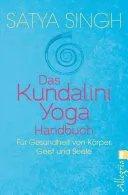
Das Kundalini Yoga Handbuch
 81
81

Das Kundalini Yoga Handbuch
Satya Singh's Kundalini Yoga Handbuch offers a commendable, if somewhat dry, systematic approach to a complex subject. Its strength lies in the detailed mapping of Kundalini Yoga's physical practices onto the body's ten organ systems, providing a clear, actionable framework that is rare in the genre. The exploration of psychosomatic connections is particularly well-articulated, moving beyond generalized wellness advice to specific energetic and mental correlations. However, the prose, even in translation, feels more like a technical manual than an inspirational text, which might deter readers seeking a more mystical or experiential account. A passage discussing the energetic function of the liver, for instance, is precise but lacks the evocative language often associated with yogic teachings. Ultimately, for the serious student of Kundalini Yoga who values anatomical and energetic precision, this book is an invaluable, albeit utilitarian, reference.
📝 Description
81
Satya Singh's Das Kundalini Yoga Handbuch, first published in German, details the body's ten organ systems through a yogic lens.
Das Kundalini Yoga Handbuch by Satya Singh presents a systematic approach to classical Kundalini Yoga, focusing on Yogi Bhajan's teachings. The text meticulously examines the body's ten primary organ systems, connecting their energetic and psychosomatic aspects. Singh then outlines specific exercises and lifestyle recommendations drawn from Kundalini Yoga to strengthen these systems, aiming for holistic physical and energetic health. This manual is for dedicated Kundalini Yoga students who wish to gain a deeper understanding of the practice beyond its physical postures. It is particularly helpful for those curious about the physiological and psychological effects of yoga, and how these can be applied to specific health issues. Individuals exploring the body's energetic anatomy through classical yoga principles will find considerable value within its pages. The book's structure is organized around the ten organ systems, offering a clear framework for comprehending the body's energetic makeup and methods for its maintenance.
Emerging from a period of growing international interest in Eastern spiritual practices, particularly yoga, this handbook connects ancient yogic techniques with modern understandings of human physiology. Singh's work addresses the psychosomatic relationship, suggesting that mental and emotional states directly influence physical well-being. The book uses the ten organ systems as a framework to explain the body's energetic structure and how to maintain it through yogic practices, positioning it as a detailed guide within the broader context of alternative health and spiritual development.
💡 Why Read This Book?
• Gain a structured understanding of how Kundalini Yoga directly impacts the body's ten primary organ systems, as detailed by Satya Singh, offering specific exercises for each. • Explore the psychosomatic underpinnings of health issues, learning how classical Kundalini Yoga techniques, as presented in the book, address both mental and physical well-being. • Benefit from a practical, system-by-system guide to energetic health, rooted in the teachings of Yogi Bhajan and the foundational principles outlined in the Handbuch.
⭐ Reader Reviews
Honest opinions from readers who have explored this book.
❓ Frequently Asked Questions
What is the primary focus of Das Kundalini Yoga Handbuch?
The book's primary focus is on detailing how classical Kundalini Yoga, as taught by Yogi Bhajan, can strengthen the body's ten major organ systems, exploring their energetic and psychosomatic connections.
Who is Satya Singh and what is his background?
Satya Singh is the author of this comprehensive guide to Kundalini Yoga. While details on his specific background are not extensively covered in the blurb, his work is recognized as a foundational text in German-speaking Kundalini Yoga circles.
When was Das Kundalini Yoga Handbuch first published?
The book was first published on November 29, 2019, indicating a recent relaunch or updated edition of an established work.
Does the book offer practical exercises?
Yes, the handbook provides specific exercises and lifestyle rules derived from classical Kundalini Yoga designed to enhance the function of the ten organ systems.
What makes this book different from other Kundalini Yoga guides?
Its detailed focus on the ten organ systems and their energetic/psychosomatic links, offering a systematic, almost anatomical approach to the practice, sets it apart from more general introductions.
Is this book suitable for beginners?
While comprehensive, its detailed approach to organ systems and psychosomatic connections makes it particularly valuable for dedicated students or those with some prior knowledge of Kundalini Yoga.
🔮 Key Themes & Symbolism
Organ System Energetics
The work meticulously maps the energetic and psychosomatic functions of the body's ten primary organ systems. It explains how imbalances manifest and how specific Kundalini Yoga practices, including asanas, pranayama, and meditations, can directly address and fortify each system. This detailed approach moves beyond general well-being to offer a precise energetic blueprint for physical health.
Psychosomatic Connections
A core theme is the intricate link between mental states and physical health. Singh explores how emotions and psychological patterns influence organ function and vice-versa. Kundalini Yoga is presented as a potent tool for releasing stored emotional blockages within the energetic channels of the organs, promoting holistic healing.
Classical Kundalini Yoga Pedagogy
The book adheres to the classical teachings of Kundalini Yoga, particularly as disseminated by Yogi Bhajan. It emphasizes the systematic application of yogic techniques for specific therapeutic outcomes, presenting a structured curriculum for practitioners aiming for deep understanding and energetic mastery.
Holistic Health Framework
Das Kundalini Yoga Handbuch offers a comprehensive framework for achieving and maintaining holistic health. By integrating energetic principles, physical practices, and psychological insights, it provides readers with a complete system for self-care and vitality, rooted in ancient yogic wisdom and applied to contemporary understanding.
💡 Key Ideas
Editorial paraphrase of the work's core concepts — not direct quotes.
The ten organ systems are the foundation of physical and energetic health.
This paraphrased concept highlights the book's central thesis: that understanding and balancing the body's core physiological structures through yoga is paramount for overall vitality and energetic flow.
Energetic blockages in organs reflect psychosomatic disharmony.
This paraphrased concept underscores the psychosomatic aspect, suggesting that emotional or mental distress can manifest as energetic stagnation within specific organs, impeding their proper function.
Classical Kundalini Yoga provides specific tools for organ system strengthening.
This paraphrased concept emphasizes the practical, targeted nature of the yogic techniques presented, differentiating them from generic wellness advice and framing them as precise interventions.
Yogi Bhajan's teachings form the basis for these practices.
This paraphrased concept anchors the book's methodology in a specific lineage, acknowledging Yogi Bhajan as the primary source for the Kundalini Yoga methods detailed within the text.
Strengthening organs leads to greater energetic capacity.
This paraphrased concept articulates a key benefit of the practice described, linking the physical and energetic health of the organs to an increased overall vitality and potential.
🌙 Esoteric Significance
Tradition
This work is firmly rooted in the tradition of Kundalini Yoga as taught by Yogi Bhajan, a prominent figure in popularizing this specific lineage of yoga in the West. While drawing on ancient yogic principles, Singh's approach emphasizes a systematic, energetic, and psychosomatic mapping of the body's systems, aligning with the Tantric understanding of Kundalini energy as a transformative force.
Symbolism
The book's primary 'symbolism' lies in its systematic mapping of the ten organ systems. Each system can be viewed as an energetic microcosm, representing specific functions, emotional patterns, and vital forces within the larger macrocosm of the practitioner's consciousness. The exercises themselves act as symbolic keys, unlocking energetic blockages and restoring harmonious flow.
Modern Relevance
Contemporary practitioners of Kundalini Yoga, particularly those following the lineage of Yogi Bhajan, continue to draw on this work for its detailed approach to energetic anatomy and psychosomatic health. It informs modern therapeutic yoga practices and holistic health approaches that integrate mind-body connection and energy work, resonating with current interests in somatic experiencing and functional wellness.
👥 Who Should Read This Book
• Dedicated Kundalini Yoga practitioners seeking a deeper, systematic understanding of how the practice impacts their physical and energetic bodies. • Individuals interested in the psychosomatic dimensions of health and exploring how yogic techniques can address specific organ system imbalances. • Students of comparative esoteric anatomy and physiology who wish to understand the energetic framework of the body as presented in classical Kundalini Yoga.
📜 Historical Context
Satya Singh's Das Kundalini Yoga Handbuch emerged within the fertile ground of Western engagement with Eastern spiritual traditions, particularly amplified by Yogi Bhajan's arrival and extensive teaching tours in the United States and Europe from the late 1960s. The book's original publication in German reflects the growing demand for accessible, systematic yoga resources beyond English-speaking circles. It appeared at a time when Hatha Yoga was becoming widely known, but detailed explorations of Kundalini Yoga's physiological and psychosomatic applications, especially linked to specific organ systems, were less common. Singh's work provided a structured, almost medicalized, approach to Kundalini Yoga, differentiating it from more purely spiritual or meditative texts. It offered a concrete method for practitioners to understand and address their physical well-being through the lens of this specific yogic science. Its continued relevance and relaunch underscore the enduring appeal of detailed, practical yogic instruction rooted in specific lineages.
📔 Journal Prompts
Reflect on the energetic connections between the digestive system and emotional states as described in the handbook.
How might the specific Kundalini Yoga exercises for the respiratory system influence your daily energetic capacity?
Consider the psychosomatic underpinnings of an imbalance within one of the ten organ systems discussed.
Map your personal experience of energy flow in relation to the organ systems detailed by Satya Singh.
Identify a Kundalini Yoga technique from the book that you believe could best support your liver's energetic health.
🗂️ Glossary
Kundalini
Often translated as 'serpent power,' Kundalini refers to a primordial cosmic energy believed to reside at the base of the spine, which can be awakened through specific yogic practices to bring about spiritual and physical transformation.
Organ Systems
In this context, refers to the ten primary physiological systems of the body (e.g., digestive, respiratory, nervous) analyzed through their energetic functions and psychosomatic correlations within Kundalini Yoga.
Psychosomatic
Pertaining to physical bodily symptoms or conditions that are caused or significantly influenced by mental or emotional factors, such as stress, anxiety, or unresolved emotional trauma.
Energetic Background
Refers to the subtle energetic flows, channels (nadis), and centers (chakras) within the body that are believed to support and influence the physical and psychological functions of the organ systems.
Yogi Bhajan
A key figure in bringing Kundalini Yoga to the West, credited with systematizing and disseminating its teachings globally, influencing many contemporary schools and practitioners.
Asana
A physical posture or position in yoga, practiced for its physical and energetic effects on the body and mind.
Pranayama
The practice of breath control or regulation in yoga, used to influence the flow of vital energy (prana) within the body.