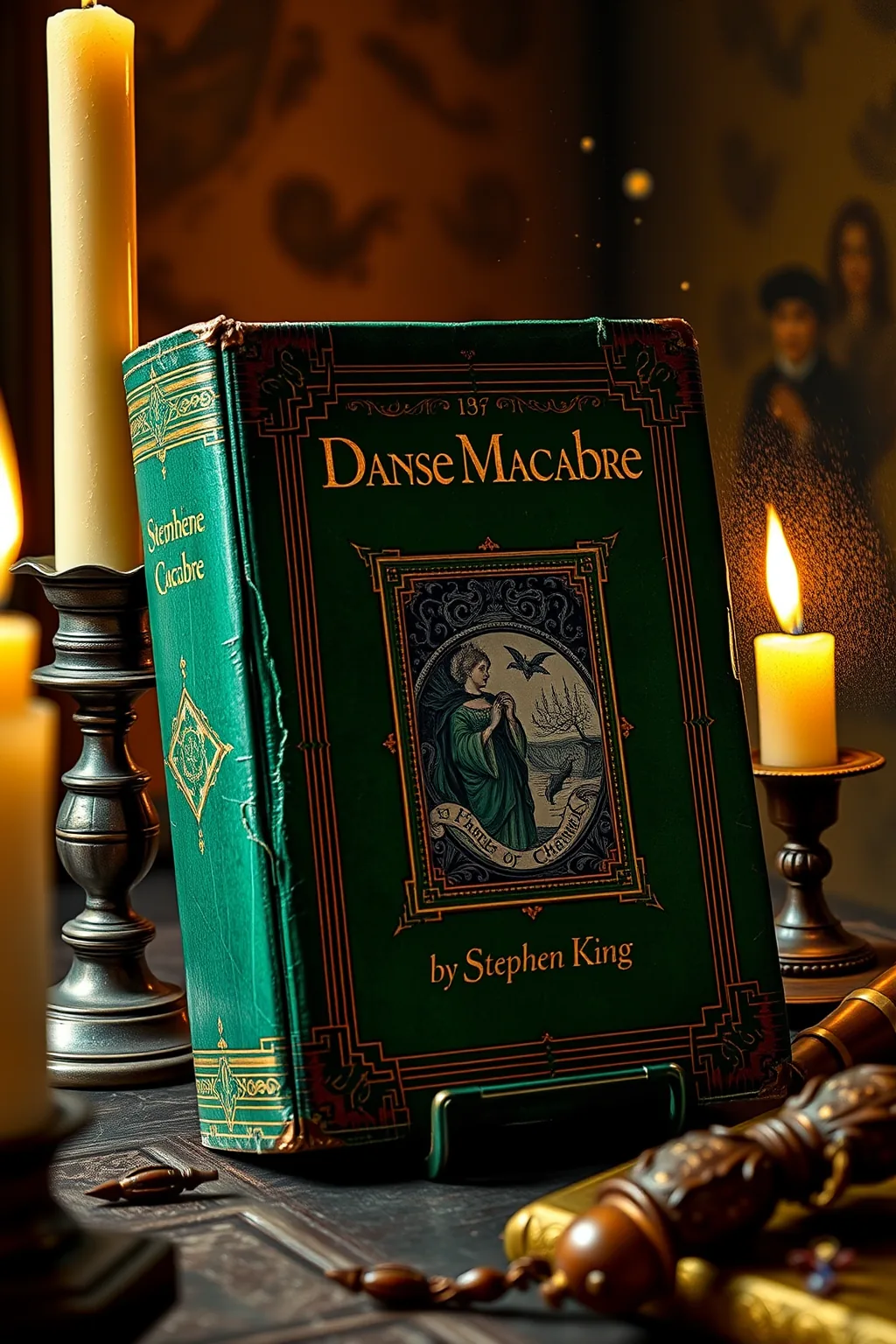
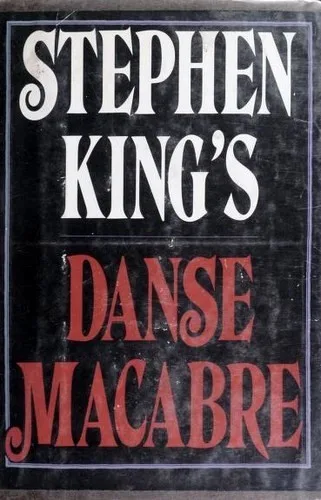
Danse Macabre
 79
79

Danse Macabre
Stephen King’s *Danse Macabre* is less a critique and more a sprawling, affectionate dissection of the horror genre. King writes with the infectious enthusiasm of a lifelong fan, tracing the lineage of terror from Poe to contemporary works of 1980. His personal anecdotes and insights into his own creative process are engaging, particularly when he discusses the "Homecoming" trope. However, the book occasionally suffers from its sheer breadth; at times, the analysis feels less incisive and more like a comprehensive listing. For instance, the discussion of early cinematic horror, while informative, sometimes lacks the depth found in his literary critiques. Despite this, *Danse Macabre* remains an essential text for understanding the genre's mechanics and its enduring appeal, offering a unique perspective from one of its most successful practitioners.
📝 Description
79
Stephen King's 1980 book, *Danse Macabre*, is a critical survey of the horror genre.
Published in 1980, Stephen King's *Danse Macabre* is not a work of fiction, but a critical examination of the horror genre. King analyzes the literature, films, and television that shaped terror throughout the 20th century. He presents a historical account intertwined with his personal reflections on what truly frightens audiences and prompts contemplation of mortality.
The author sorts horror into various subgenres, from classic gothic tales to modern supernatural thrillers. He traces how these forms evolved and what impact they had. This book is for fans of horror and the macabre, as well as literary critics and students of popular culture. It provides a unique viewpoint for anyone interested in the psychology of fear and the narrative techniques that create it. Readers looking for a broad understanding of horror's history, seen through the eyes of a master storyteller, will find this work valuable.
Stephen King's *Danse Macabre* emerged in 1980, a period when horror was gaining significant mainstream attention. The success of films like *The Exorcist* and *The Shining* brought the genre to wider audiences. King’s work situates itself within this growing critical conversation, acknowledging literary predecessors such as Shirley Jackson and H.P. Lovecraft. The book contributes to a burgeoning academic interest in genre fiction, bridging popular enjoyment with more formal analysis and placing King's own contributions within this developing tradition.
💡 Why Read This Book?
• Gain an understanding of the "Great and Terrible Mother" archetype, as discussed by King in relation to classic horror narratives, to better analyze monstrous feminine figures in literature and film. • Discover King's personal insights into the "Homecoming" trope, offering a unique perspective on how familiar settings can be transformed into sources of dread, a concept he applies to his own writing. • Explore the historical development of horror from the late 19th century through 1980, with specific references to key authors and films like H.P. Lovecraft's tales and *The Exorcist*.
⭐ Reader Reviews
Honest opinions from readers who have explored this book.
❓ Frequently Asked Questions
Is Stephen King's 'Danse Macabre' a horror novel?
No, *Danse Macabre* (1980) is a non-fiction critical survey of the horror genre. Stephen King analyzes horror literature, films, and television, rather than writing a fictional horror story.
What historical period does 'Danse Macabre' cover?
The book primarily covers the history of horror from the late 19th century up to its publication date in 1980, examining its evolution through various mediums.
What are some key concepts discussed in 'Danse Macabre'?
King explores concepts such as the "Great and Terrible Mother" archetype, the "Homecoming" trope, the "Apocalypse" theme, and the psychological impact of various horror elements.
Who influenced Stephen King in writing 'Danse Macabre'?
King acknowledges numerous influences, including authors like H.P. Lovecraft, Edgar Allan Poe, and Shirley Jackson, as well as filmmakers and the cultural shifts that shaped the horror genre.
Is 'Danse Macabre' considered an academic text?
While written by a popular author, *Danse Macabre* offers significant critical analysis and historical context that makes it valuable for both casual readers and students of horror and popular culture.
What is the 'Apocalypse' theme as discussed by King?
In *Danse Macabre*, King examines the recurring theme of the Apocalypse in horror fiction and film, viewing it as a narrative device that reflects societal anxieties and fears of widespread destruction.
🔮 Key Themes & Symbolism
The Evolution of Terror
King charts the lineage of horror from its gothic roots through pulp magazines, early cinema, and television. He identifies key figures and works that shaped the genre's trajectory, demonstrating how societal fears and cultural shifts influenced narrative conventions. The book details the transition from supernatural specters to psychological dread, highlighting how the definition of horror itself has continuously transformed over the decades leading up to 1980.
Archetypes of Fear
Central to King's analysis are recurring archetypes that tap into primal human fears. He scrutinizes the "Great and Terrible Mother," a Freudian concept manifesting in monstrous feminine figures, and the "Homecoming," where the safety of domesticity becomes a source of profound unease. These archetypes, King argues, are crucial for the genre's enduring power, allowing it to reflect and explore deep-seated anxieties about control, nature, and the uncanny.
The Psychology of the Audience
A significant portion of *Danse Macabre* focuses on why audiences are drawn to horror. King explores the cathartic release, the thrill of vicarious danger, and the intellectual engagement with complex themes like mortality and the unknown. He examines narrative techniques designed to elicit specific reactions, from the sudden shock of a "Jump Scare" to the pervasive atmosphere of dread, explaining the mechanics behind our fascination with the frightening.
Horror as Social Commentary
King posits that horror narratives often serve as a mirror to societal anxieties. The "Apocalypse" theme, for example, reflects widespread fears of nuclear war or societal collapse prevalent in the mid-20th century. By analyzing monsters, haunted houses, and doomsday scenarios, he illustrates how the genre provides a safe space to confront and process collective fears, offering insights into the cultural zeitgeist of the periods examined.
💬 Memorable Quotes
Direct passages from the work, attributed to the author.
“Home, the place we expect to be safest, can become the most terrifying.”
— This interpretation captures King's discussion of the "Homecoming" trope. It emphasizes how the subversion of domestic security, turning familiar spaces into sites of horror, is a powerful technique for generating dread and exploring psychological unease.
“Horror allows us to confront mortality in a controlled environment.”
— This interpretation reflects King's perspective on the cathartic function of horror. By engaging with death and terror through stories, audiences can process these difficult themes in a way that feels safe and manageable, providing a form of psychological release.
💡 Key Ideas
Editorial paraphrase of the work's core concepts — not direct quotes.
The monster is a symbol of the things we fear.
This paraphrased concept highlights King's view that horror's effectiveness lies in its ability to personify abstract anxieties. Monsters, whether supernatural or human, become tangible representations of our deepest, often subconscious, fears about death, loss, and the unknown.
Fear of the unknown is a primal human response.
King frequently returns to the idea that horror taps into our innate fear of what we cannot comprehend. This quote underscores his belief that the genre's power stems from its exploration of the mysterious, the inexplicable, and the boundaries of human knowledge.
The Great and Terrible Mother represents a terrifying aspect of femininity.
This paraphrased concept refers to King's analysis of archetypes, drawing on Freudian ideas. It signifies the use of female figures in horror to embody overwhelming, destructive, or engulfing primal forces that can evoke deep-seated anxieties.
🌙 Esoteric Significance
Tradition
While not explicitly tied to a single esoteric lineage, *Danse Macabre* engages with themes that resonate with occult and psychological traditions. King's exploration of archetypes, particularly the "Great and Terrible Mother," echoes concepts found in Jungian psychology and Gnostic traditions concerning primordial feminine energies. His examination of fear and the subconscious aligns with Hermetic principles of understanding the mind and its projections onto reality. The book serves as an accessible entry point into analyzing the symbolic language of fear, which is often a component of esoteric practices focused on confronting inner demons.
Symbolism
The book frequently analyzes symbolic figures and settings crucial to horror. The "Monster" itself acts as a potent symbol, representing societal anxieties, repressed desires, or primal fears that manifest in monstrous forms. Haunted houses and decaying domestic spaces symbolize the corruption of safety and the intrusion of the uncanny into the familiar. The "Apocalypse" theme serves as a symbol of ultimate societal breakdown and the end of known order, reflecting collective anxieties about destruction and oblivion.
Modern Relevance
King's analysis in *Danse Macabre* continues to inform contemporary horror creators and critics. His framework for understanding archetypes like the "Great and Terrible Mother" and narrative devices like the "Homecoming" trope remains relevant for dissecting modern horror films and literature. Thinkers exploring the psychology of fear, the cultural impact of genre fiction, and the symbolic language of the uncanny still draw upon King's foundational work. Its accessible approach makes it a touchstone for anyone seeking to understand the enduring appeal and psychological underpinnings of horror.
👥 Who Should Read This Book
• Aspiring and established horror writers seeking to understand the genre's history, tropes, and psychological underpinnings, informed by a master storyteller. • Film and literature students specializing in popular culture and genre studies, looking for a comprehensive yet engaging overview of horror's development up to 1980. • General readers fascinated by the psychology of fear and the macabre, who want to explore the cultural and narrative reasons behind our enduring fascination with horror.
📜 Historical Context
Published in 1980, Stephen King's *Danse Macabre* emerged during a period of intense creative output and commercial success for the horror genre. The success of films like *The Exorcist* (1973) and *Jaws* (1975) had solidified horror's place in mainstream cinema, while literary horror continued to thrive with authors like Shirley Jackson and H.P. Lovecraft still highly influential. King’s work itself, beginning in the late 1970s with novels like *Carrie* (1974) and *The Shining* (1977), was a significant force in this landscape. *Danse Macabre* arrived at a time when genre criticism was gaining traction, offering an accessible yet knowledgeable exploration of horror's foundations. It engaged with the ongoing discourse surrounding popular culture, distinguishing itself from more academic, sometimes dismissive, critiques of the genre by approaching it with both scholarly rigor and genuine passion.
📔 Journal Prompts
The "Homecoming" trope and its power to evoke dread.
The function of the "Monster" in reflecting societal anxieties.
Personal encounters with the "Great and Terrible Mother" archetype in media.
Analyzing the "Apocalypse" theme in contemporary horror.
The effectiveness of specific horror narrative devices discussed by King.
🗂️ Glossary
Great and Terrible Mother
A concept, often linked to Freudian psychology, describing monstrous feminine figures or primal feminine forces that embody destructive, engulfing, or terrifying aspects of the maternal archetype.
Homecoming
A narrative trope where the familiar, safe setting of home or familiar surroundings becomes a source of terror and danger, subverting expectations of security.
Apocalypse
A recurring theme in horror that deals with the end of the world or civilization, often reflecting societal anxieties about destruction, collapse, and the unknown future.
Jump Scare
A sudden shock or startling moment in a film or story designed to make the audience jump, often achieved through abrupt visual or auditory cues.
Gothic Horror
A subgenre characterized by elements of terror, mystery, and the supernatural, often set in old castles or remote, atmospheric locations, focusing on dread and suspense.
Psychological Horror
A subgenre that relies on mental and emotional states to elicit fear, often exploring themes of madness, delusion, and subjective reality rather than overt supernatural threats.
Pulp Fiction
Magazines and books characterized by their cheap paper, sensational content, and wide appeal, particularly popular in the early to mid-20th century for genres like horror, science fiction, and detective stories.
🔮 Readers Also Liked
Browse all →








More by Stephen King
All books →

More Free Occult Philosophy Books
View all →