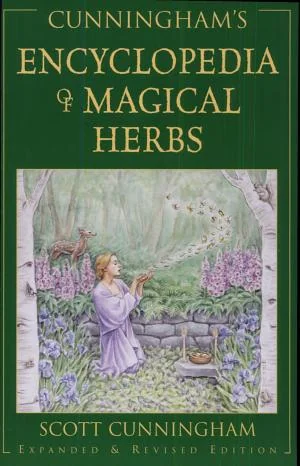
Cunningham's Encyclopedia of Magical Herbs
 76
76

Cunningham's Encyclopedia of Magical Herbs
Scott Cunningham’s extensive catalog of magical flora, first appearing in 1985, remains a foundational text for many contemporary earth-based practitioners. Its strength lies in its sheer breadth; covering over 400 herbs, it provides a readily accessible reference for those engaging with plant magic. Cunningham’s clear, direct prose demystifies complex correspondences, making this an excellent entry point. For instance, his straightforward explanation of using rosemary for purification or lavender for sleep spells offers immediate practical utility. However, the work’s primary limitation is its often generalized approach. While comprehensive, it sometimes sacrifices depth for breadth, offering brief overviews where a deeper exploration of specific traditions or nuanced applications might be desired. The focus is consistently on personal, practical magic rather than intricate ceremonial systems. Ultimately, Cunningham's Encyclopedia of Magical Herbs is an indispensable, if occasionally superficial, guide to the magical properties of the plant kingdom.
📝 Description
76
Scott Cunningham's 1985 encyclopedia details over 400 herbs for magical use.
First published in 1985, Scott Cunningham's encyclopedia serves as a reference for the uses of more than 400 herbs and plants in magical practices. It covers their historical significance, specific magical properties, and how to use them in various folk magic traditions. The book is organized for easy access, useful for beginners and experienced practitioners alike who want to learn more about plant-based rituals and spellcraft. It goes beyond simple identification, discussing the energetic qualities and correspondences associated with each plant.
This resource is primarily for those engaged in earth-based spirituality, herbalism, folk magic, and witchcraft. Practitioners looking to incorporate the unique energies of plants into their rituals, spells, and healing methods will find it valuable. It also appeals to individuals interested in the historical applications of herbs in magic or those wishing to add botanical elements to their personal spellbooks. Furthermore, it aids in comparative studies of magical traditions and the connection between botany and spirituality.
Published in 1985, this work appeared during a revival of interest in Neopaganism and witchcraft. The preceding decades had seen more occult texts become available, moving beyond earlier, more academic publications. Cunningham's focus on practical application and personal experience offered an alternative to more structured magical systems. Its broad availability helped make botanical lore accessible outside of established coven structures.
💡 Why Read This Book?
• You will learn the specific magical correspondences and uses for over 400 herbs, moving beyond generic notions to understand their unique energetic signatures as detailed in the book's extensive catalog. • You will gain practical techniques for incorporating herbs into rituals and spells, drawing from the methods outlined by Cunningham for preparing and employing botanicals in your practice since its 1985 publication. • You will discover the historical context of herbal magic, understanding how plants have been utilized in folk traditions and esoteric practices, as explored through the book's discussion of botanical lore.
⭐ Reader Reviews
Honest opinions from readers who have explored this book.
❓ Frequently Asked Questions
What is the primary focus of Cunningham's Encyclopedia of Magical Herbs?
The primary focus is on the magical and esoteric uses of over 400 herbs and plants. It details their properties, correspondences, and applications in folk magic, witchcraft, and ritual practices, first published in 1985.
Is this book suitable for beginners in herbalism or magic?
Yes, the encyclopedia is highly suitable for beginners due to its clear organization and accessible language. It provides foundational knowledge on plant magic without assuming prior expertise.
Does the book discuss the medicinal properties of herbs?
While the book's main emphasis is on magical applications, it often touches upon traditional associations that may overlap with medicinal uses, reflecting historical herbalism practices.
How does Cunningham's work differ from modern herbal guides?
Cunningham's work, originating in 1985, specifically targets the magical and spiritual uses of plants, whereas modern guides may focus more on scientific or therapeutic herbalism.
Can I find information on specific types of magic within the book?
The book covers a broad range of magical applications, including spellcasting, divination, consecration, and protection, utilizing the inherent energies of various herbs.
What is the significance of the book's publication date, 1985?
The 1985 publication date places it within a period of renewed interest in esoteric studies and earth-based spiritualities, making it a key text for the modern witchcraft revival.
🔮 Key Themes & Symbolism
Magical Herbalism
The core concept revolves around understanding and utilizing the inherent magical energies within plants. This isn't merely about physical properties but about the energetic resonance and symbolic meanings plants carry. Cunningham details how to attune to these energies for purposes ranging from spellcraft and ritual enhancement to personal well-being. The work encourages a conscious interaction with the plant kingdom, treating each herb as a unique ally in magical endeavors, a perspective amplified since its 1985 debut.
Botanical Correspondences
A significant portion of the encyclopedia is dedicated to establishing correspondences for each herb. These link plants to astrological signs, elements, planetary influences, deities, and specific magical intentions like love, protection, or prosperity. Understanding these connections, as meticulously laid out by Cunningham, allows practitioners to select the most appropriate botanical allies for their workings, thereby increasing the efficacy and intention of their magical practice.
Practical Application
Cunningham emphasizes the direct, practical application of herbs in magical work. This includes methods for preparing herbal infusions, sachets, incense, and spell components. The book provides clear instructions, making complex magical processes accessible. Whether for cleansing a space with sage or attracting abundance with cinnamon, the focus is on actionable steps derived from centuries of folk tradition, updated for contemporary practitioners.
Folk Magic Traditions
The encyclopedia draws heavily from established folk magic traditions and witchcraft practices. It acts as a repository for lore passed down through generations, presenting it in a systematic and easily digestible format. By documenting these traditional uses, Cunningham preserves and disseminates a vital aspect of Western esoteric history, making this knowledge available beyond the confines of oral tradition or restricted grimoires.
💬 Memorable Quotes
Direct passages from the work, attributed to the author.
“The magical use of herbs is as old as humanity.”
— This statement underscores the ancient and fundamental connection between humans and the plant world for spiritual and magical purposes. It positions herbal magic not as a niche practice, but as a deeply ingrained aspect of human history and consciousness.
“Each herb possesses its own unique energy.”
— This highlights the principle of energetic attribution in magical herbalism. It suggests that plants are not inert substances but are imbued with distinct vibrational qualities that practitioners can learn to identify and utilize.
“Know the plant before you use it.”
— This emphasizes the importance of respect, understanding, and conscious engagement with botanical allies. It implies that effective and ethical magical work requires a relationship with, rather than mere instrumental use of, herbs.
“Use herbs with clear intention.”
— This principle is central to spellcraft. It asserts that the focused intent of the practitioner, combined with the herb's properties, is what directs the magical outcome, making clarity of purpose paramount.
“Herbal magic is a natural path.”
— This frames magical herbalism as an accessible and organic practice, deeply connected to the earth and natural cycles. It suggests that engaging with plant magic is a way to reconnect with primal forces and inherent wisdom.
🌙 Esoteric Significance
Tradition
This work primarily sits within the Western Esoteric tradition, specifically aligning with modern witchcraft and earth-based spiritual paths that emphasize practical magic and nature veneration. It draws inspiration from older folk magic practices and the broader Hermetic concept of 'As Above, So Below,' applying it to the plant kingdom. While not strictly tied to a single lineage like Kabbalah or Gnosticism, it incorporates elements of sympathetic magic and the doctrine of signatures, which have historical roots in Renaissance occultism and earlier folk beliefs.
Symbolism
Key symbols include the individual herbs themselves, each representing specific energies, deities, or celestial influences. For example, rosemary often symbolizes purification and remembrance, linking to traditions of cleansing rituals and ancestor veneration. Lavender, associated with peace and sleep, connects to themes of tranquility and accessing subconscious states, relevant in dream work or meditation. The act of gathering herbs under specific astrological or lunar conditions also imbues the practice with symbolic weight, aligning earthly actions with cosmic cycles.
Modern Relevance
Contemporary practitioners of witchcraft, Wicca, and various forms of nature spirituality frequently cite Cunningham's encyclopedia as a foundational text. Its principles of botanical correspondence and practical application are integrated into modern spellcraft and ritual design. Thinkers and groups focused on eco-spirituality and animism find resonance in its emphasis on the inherent energies of plants. Furthermore, its accessibility continues to make it a go-to resource for individuals exploring earth-centered paths, ensuring its continued relevance in the evolving range of esoteric studies.
👥 Who Should Read This Book
• Beginning practitioners of witchcraft and modern Paganism seeking a foundational reference for the magical uses of plants. • Experienced herbalists interested in expanding their understanding of botanical correspondences and their application in esoteric traditions. • Comparative religion scholars or folklorists studying the historical and cultural significance of plants in magical and spiritual practices across different societies.
📜 Historical Context
Scott Cunningham's Encyclopedia of Magical Herbs, published in 1985, emerged during a significant period of growth for Neopaganism and contemporary witchcraft. The preceding decades had seen foundational figures like Gerald Gardner and Alex Sanders establish modern traditions, and by the mid-80s, there was a burgeoning demand for practical, accessible magical texts. Cunningham’s work provided a comprehensive and clearly organized resource that moved beyond the more esoteric or lineage-bound teachings of earlier eras. It offered a distinct approach compared to the ceremonial magic traditions like the Hermetic Order of the Golden Dawn, focusing instead on folk magic and personal practice. While authors like Doreen Valiente had already published significant works on witchcraft history and practice, Cunningham’s encyclopedia offered a broad, systematic catalog that became a standard reference. Its accessible style and sheer scope contributed to the wider dissemination of botanical lore within spiritual communities.
📔 Journal Prompts
Rosemary's association with purification and remembrance.
The energetic signature of lavender for tranquility.
The doctrine of signatures and its application to basil.
Historical uses of mugwort in divination.
Creating a personal altar using symbolic herbs.
🗂️ Glossary
Magical Herbalism
The practice of using herbs not just for their physical properties, but for their perceived magical, spiritual, or energetic qualities in rituals, spells, and spiritual work.
Correspondences
The system of associating herbs with specific planets, elements, astrological signs, deities, colors, or magical intentions, used to enhance spellwork.
Doctrine of Signatures
A historical belief that a plant's physical characteristics (shape, color, habitat) indicate its magical or medicinal properties and uses.
Spellcraft
The art and practice of creating and casting spells, often involving specific ingredients, rituals, and focused intent to achieve a desired outcome.
Ritual
A set of actions performed in a prescribed order, typically for symbolic or religious purposes, used to invoke specific energies or achieve spiritual goals.
Energetic Resonance
The concept that living beings and objects possess distinct energies that can interact and harmonize or clash with one another, influencing magical outcomes.
Botanical Allies
A term used to describe plants viewed as conscious partners or aids in magical and spiritual practices, emphasizing a relationship of respect and cooperation.
🔮 Readers Also Liked
Browse all →
![Serrano Miguel Adolf Hitler The Ultimate Avatar [ 2000]](/img/thumb/serrano-miguel-adolf-hitler-the-ultimate-avatar-2000.webp)








More Free Occult Philosophy Books
View all →