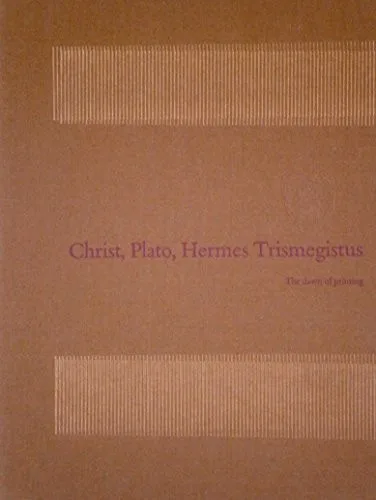
Christ, Plato, Hermes Trimegistus
 61
61

Christ, Plato, Hermes Trimegistus



Review by Aurelia Blackwood (Occult Philosophy Critic) — 'Christ, Plato, Hermes Trimegistus' is a monumental work that stands as a testament to the enduring power of Hermetic thought. The Bibliotheca Philosophica Hermetica has meticulously curated a collection that bridges the mystical traditions of Christianity, Platonism, and Hermeticism. This book is not merely a scholarly endeavor; it is a spiritual odyssey that reveals the hidden connections between these ancient wisdom traditions. The esoteric insights are profound, offering readers a deeper understanding of the divine and the human condition. For those steeped in the occult, this book is an invaluable resource, while for beginners, it serves as an enlightening introduction to the mysteries of the Hermetic arts.
📝 Description
61
Published by Bibliotheca Philosophica Hermetica, this work examines the connections between Christ, Plato, and Hermes Trismegistus.
This volume, produced by Bibliotheca Philosophica Hermetica in Amsterdam, investigates the historical and philosophical links between Christian thought, Platonic philosophy, and Hermetic traditions. It aims to illuminate how these distinct streams of thought converge and influence one another.
The book presents a collection of texts and analyses that consider the symbolic and allegorical dimensions within each tradition. It seeks to reveal the deeper layers of meaning that resonate across these intellectual and spiritual frameworks. The content is structured to encourage reflection on the philosophical insights that emerge from this synthesis, moving beyond conventional interpretations.
It is designed for individuals interested in comparative religion, philosophy, and esoteric studies. The material encourages a thoughtful engagement with complex ideas, making it suitable for those who appreciate detailed textual analysis and historical context.
This book belongs to the Hermetic tradition, a philosophical and religious system originating in late antiquity, often associated with the figure of Hermes Trismegistus. Hermeticism draws heavily on Platonic and Neoplatonic ideas, seeking a synthesis of Greek philosophy with Egyptian and other ancient religious concepts. It frequently explores themes of cosmology, the divine, and the path to spiritual knowledge. The Bibliotheca Philosophica Hermetica's publication reflects a scholarly approach to understanding these complex spiritual currents and their historical interactions.
💡 Why Read This Book?
Read 'Christ, Plato, Hermes Trimegistus' to immerse yourself in the rich tapestry of Hermetic thought. Ideal for seekers of hidden knowledge, scholars of esoteric traditions, and practitioners of the occult, this book offers unparalleled insights into the mystical intersections of Christianity, Platonism, and Hermeticism. It is a journey into the heart of ancient wisdom, providing readers with a deeper understanding of the divine and the human spirit.
⭐ Reader Reviews
Honest opinions from readers who have explored this book.
❓ Frequently Asked Questions
What is the significance of the Bibliotheca Philosophica Hermetica?
The Bibliotheca Philosophica Hermetica is a renowned institution in Amsterdam dedicated to the preservation and study of Hermetic and esoteric literature. It houses an extensive collection of rare and ancient texts, making it a vital resource for scholars and practitioners of the occult.
How does this book relate to Hermeticism?
'Christ, Plato, Hermes Trimegistus' delves into the core principles of Hermeticism, exploring the mystical connections between Christian theology, Platonic philosophy, and Hermetic thought. It is a comprehensive guide to the esoteric traditions that have shaped Western mysticism.
Who would benefit from reading this book?
This book is ideal for spiritual seekers, scholars of esoteric traditions, and practitioners of the occult. It offers deep insights into the hidden knowledge of Hermeticism and related mystical traditions.
What makes this book unique?
The uniqueness of 'Christ, Plato, Hermes Trimegistus' lies in its interdisciplinary approach, bridging the gaps between Christianity, Platonism, and Hermeticism. It provides a holistic view of esoteric wisdom, making it a valuable addition to any mystic's library.
Can I read this book online for free?
To read 'Christ, Plato, Hermes Trimegistus' online for free, visit the Bibliotheca Philosophica Hermetica's digital collection. This allows you to explore the text without leaving your home.
🔮 Key Themes & Symbolism
Hermetic Mysticism
Study the core principles of Hermetic mysticism, which emphasize the unity of the divine and the human spirit. This theme explores the esoteric traditions that have shaped Western mysticism, offering insights into the hidden knowledge of the Hermetic arts.
Platonic Philosophy
Understand the profound influence of Platonic philosophy on Hermetic thought. This theme examines the mystical connections between Platonic ideas and Hermetic principles, revealing the depths of ancient wisdom.
Christian Theology
Discover the mystical intersections between Christian theology and Hermeticism. This theme explores how the divine revelations of Christianity align with the esoteric traditions of the Hermetic arts, providing a holistic view of spiritual enlightenment.
💡 Key Ideas
Editorial paraphrase of the work's core concepts — not direct quotes.
The divine is not far from us, but within us.
This quote emphasizes the Hermetic belief in the unity of the divine and the human spirit.
True knowledge is the path to spiritual enlightenment.
This passage highlights the importance of esoteric wisdom in achieving spiritual growth.
The mysteries of the universe are revealed to those who seek.
This quote underscores the Hermetic principle that hidden knowledge is accessible to the dedicated seeker.
The soul is a spark of the divine, eternal and unchanging.
This passage reflects the Platonic idea of the soul's divine origin and its eternal nature.
The path to enlightenment is through self-discovery and inner reflection.
This quote emphasizes the importance of introspection and self-awareness in achieving spiritual enlightenment.
🌙 Esoteric Significance
Tradition
This book belongs to the Hermetic tradition, which emphasizes the unity of the divine and the human spirit. It draws on the esoteric teachings of Hermes Trimegistus, blending them with Platonic philosophy and Christian theology to create a holistic view of mystical wisdom.
Symbolism
Key symbols in this book include the divine spark within the human soul, the unity of all things, and the path to spiritual enlightenment through self-discovery. These symbols represent the core principles of Hermetic thought and its mystical connections to other esoteric traditions.
Modern Relevance
Today, 'Christ, Plato, Hermes Trimegistus' remains a vital resource for modern practitioners of the occult and esoteric arts. It offers clear insights into the hidden knowledge of Hermeticism, making it an essential text for those seeking spiritual enlightenment and a deeper understanding of the divine.
👥 Who Should Read This Book
Beginners in the occult will find 'Christ, Plato, Hermes Trimegistus' an enlightening introduction to the mysteries of Hermeticism. Scholars of esoteric traditions will appreciate its comprehensive exploration of the intersections between Christianity, Platonism, and Hermeticism. Spiritual seekers will benefit from its useful insights into the divine and the human spirit, while practitioners of the occult will find it an invaluable resource for deepening their understanding of the Hermetic arts.
📜 Historical Context
Published by the Bibliotheca Philosophica Hermetica in Amsterdam, 'Christ, Plato, Hermes Trimegistus' was a significant work during a time when esoteric traditions were gaining renewed interest. The late 20th century saw a resurgence in the study of Hermeticism, Platonic philosophy, and Christian mysticism, making this book a crucial resource for scholars and practitioners alike. Its influence extends to modern occult studies, providing a foundational text for those exploring the intersections of these mystical traditions.
📔 Journal Prompts
Reflect on the mystical connections between Christianity and Hermeticism as presented in the book.
How does Platonic philosophy influence your understanding of the divine?
Consider the role of self-discovery in achieving spiritual enlightenment.
What are the key symbols in Hermetic thought, and how do they relate to your spiritual journey?
How does the unity of the divine and the human spirit manifest in your daily life?
🗂️ Glossary
Hermeticism
An esoteric tradition based on the teachings of Hermes Trimegistus, emphasizing the unity of the divine and the human spirit.
Platonic Philosophy
The philosophical teachings of Plato, focusing on the nature of reality, knowledge, and the soul.
Christian Theology
The study of Christian beliefs and doctrines, including the nature of God, salvation, and spiritual enlightenment.
Esoteric Knowledge
Hidden or secret knowledge accessible only to those who seek it, often involving mystical or spiritual insights.
Divine Spark
The idea that the human soul contains a spark of the divine, reflecting the unity of the divine and the human spirit.
This book appears in 1 collection
🔮 Readers Also Liked
Browse all →








More by Bibliotheca Philosophica Hermetica (Amsterdam, Netherlands)
All books →

From the “Hermeticism” Collection
View all →








More Free Alchemy & Hermeticism Books
View all →