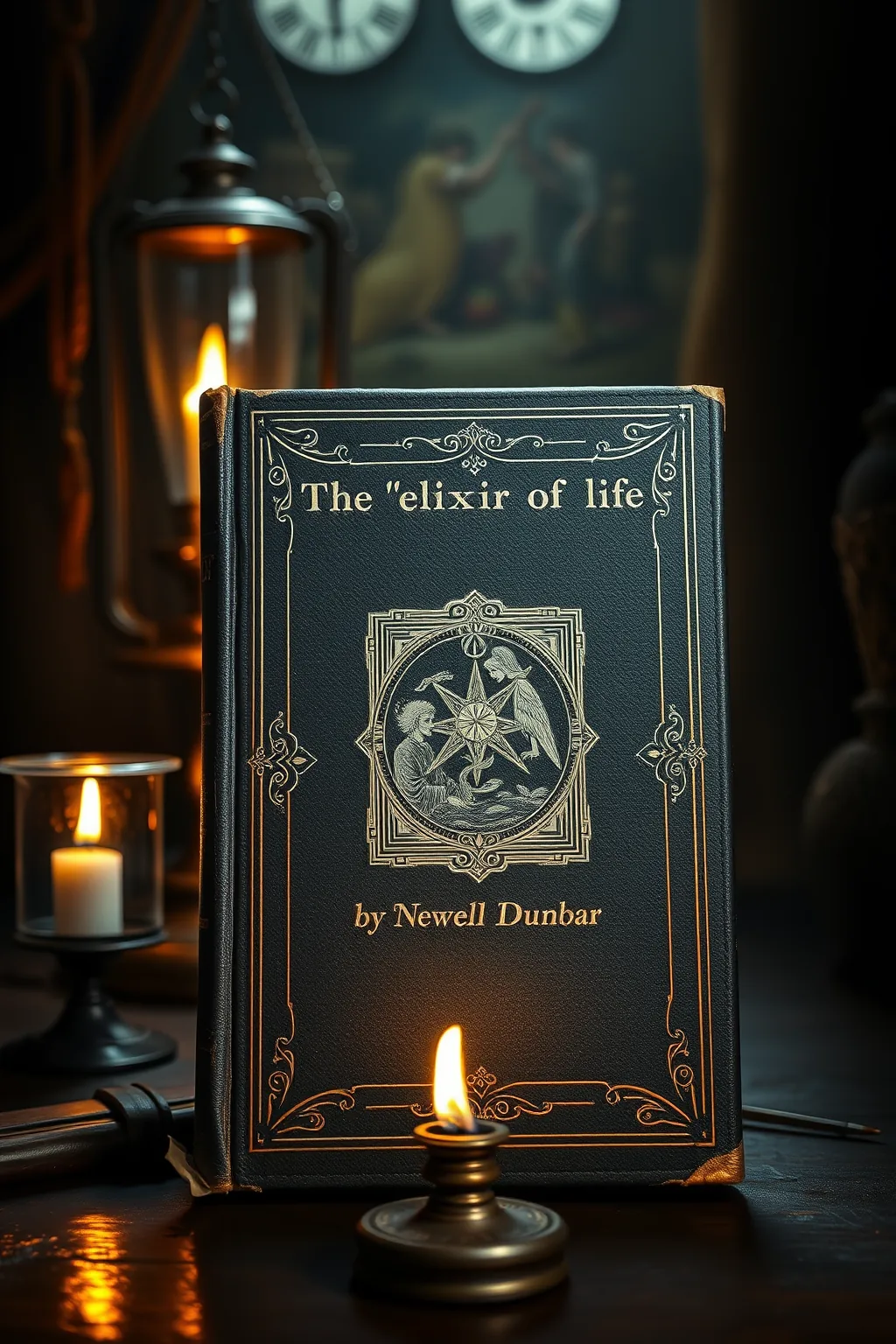
Charms of the Gaels

 83
83

Charms of the Gaels
Alexander Carmichael’s 'Charms of the Gael' offers an unparalleled archive of Scottish Gaelic oral poetry, a significant undertaking first published in 1992. Its strength lies in its sheer breadth, capturing a spectrum of prayers and lyrical verses that speak directly from the Highland and Island communities. The collection’s value is amplified by its focus on the practical magic inherent in these utterances, particularly evident in sections dealing with healing and protection. However, the sheer volume and the often archaic Gaelic phrasing can present a barrier to immediate comprehension for the uninitiated reader, requiring considerable engagement. A particularly striking example is the variety of charms for averting the evil eye, showcasing a palpable, lived concern for spiritual defense. This work is an essential, if demanding, resource for understanding historical Gaelic folk practice.
📝 Description
83
Alexander Carmichael collected Gaelic charms and prayers in the late 19th century.
This book compiles Gaelic poetic and prayerful traditions from the Scottish Highlands and Islands. Alexander Carmichael gathered these texts primarily in the late 19th century, capturing a spiritual and cultural heritage before significant industrial and societal changes. The collection focuses on the lyrical and devotional aspects, offering a direct look at the beliefs and practices of the people who created them.
It is intended for those interested in folk spirituality and historical magical thinking. Readers will find value in its examination of European folk magic's roots and the role of spoken word in ritual. The work covers concepts such as the power of the natural world, the influence of unseen forces, and the effectiveness of incantations for protection, healing, and prosperity. It presents a worldview where the spiritual and material are linked, and human action through prayer and charm can affect events.
This collection falls within the study of European folk magic and indigenous spiritual practices. It documents a specific tradition of oral lore, where spoken words held power for influencing the natural and spiritual worlds. The charms and prayers represent a form of sympathetic magic and petitionary prayer, deeply connected to the land and community life. Carmichael's work provides a resource for understanding historical systems of belief and ritual outside mainstream religious institutions.
💡 Why Read This Book?
• Gain direct access to the specific language and structure of 19th-century Gaelic healing charms, understanding their invocation methods and material components as documented by Carmichael. • Explore the concept of 'an t-slat-ghairm' (the charm-rod) and its symbolic role in invoking spiritual aid, a practice detailed within the collected works. • Appreciate the historical context of oral tradition preservation through Carmichael's efforts, understanding the cultural landscape of the Scottish Highlands and Islands prior to widespread modern communication.
⭐ Reader Reviews
Honest opinions from readers who have explored this book.
❓ Frequently Asked Questions
What is the historical significance of Alexander Carmichael's collection of Gaelic charms?
Alexander Carmichael’s work, first published in its comprehensive form in 1992, is significant for preserving a vast body of 19th-century Scottish Gaelic oral poetry and prayers, capturing a vital part of the region's cultural heritage before significant societal changes occurred.
Are the charms in 'Charms of the Gael' still considered effective today?
The effectiveness of these charms is a matter of personal belief and practice. From a historical and cultural perspective, they represent ancient methods of seeking protection, healing, and prosperity through ritual language and spiritual invocation.
What types of charms are included in this collection?
The collection includes a wide array of charms and prayers, covering aspects such as healing ailments, protecting against harm (including the evil eye), ensuring good fortune in endeavors like fishing or travel, and devotional verses.
What is the difference between a 'charm' and a 'prayer' in the context of this book?
In 'Charms of the Gael', the terms often overlap. Prayers are typically direct appeals to a higher power, while charms are specific incantations or spoken formulas believed to possess inherent power to influence events or ward off negativity.
Can I find the original Gaelic text alongside the English translation?
This depends on the specific edition of 'Charms of the Gael'. Many scholarly editions aimed at preserving the original oral tradition will include the Gaelic text, offering a richer linguistic and cultural study.
Who was Alexander Carmichael and why did he collect these items?
Alexander Carmichael was a collector of folklore and ethnographer in the late 19th century. He undertook the extensive task of gathering these oral traditions from the Scottish Highlands and Islands to document and preserve them for posterity.
🔮 Key Themes & Symbolism
The Power of the Spoken Word
The collection underscores the belief that carefully crafted words hold intrinsic power. Incantations, prayers, and verses are presented not merely as expressions of faith, but as active agents capable of invoking protection, facilitating healing, or influencing fortune. Carmichael's compilation reveals a tradition where the precise utterance, intoned with specific intent, could interact with the spiritual and material worlds, acting as a conduit for desired outcomes.
Nature as a Spiritual Force
Many charms and poems draw heavily on the natural world, imbuing elements like the sun, moon, sea, and specific plants with spiritual significance and agency. The collection illustrates a worldview where natural phenomena are not just backdrop but active participants in spiritual workings. The power of the sea, the light of the sun, or the properties of herbs are frequently invoked as allies or sources of power in these ancient Gaelic traditions.
Spiritual Defense and Well-being
A significant portion of the material focuses on warding off malevolent influences, such as the 'evil eye' or malevolent spirits, and on promoting physical and mental well-being. The collection provides a window into historical anxieties and the corresponding spiritual technologies developed to maintain balance and safety. These protective charms highlight a practical approach to working through the perceived dangers of both the seen and unseen realms.
The Oral Tradition's Resilience
This work stands as a evidence of the enduring power of oral tradition. Carmichael's meticulous gathering in the late 19th century preserved a wealth of knowledge that might otherwise have been lost. The very existence of such a comprehensive collection, first published in 1992, demonstrates the deep cultural roots and the persistence of these lyrical and magical forms through generations.
💬 Memorable Quotes
Direct passages from the work, attributed to the author.
“Prayers for healing often invoked specific saints and natural elements.”
— This highlights the syncretic nature of Gaelic spirituality, blending Christian devotion with older animistic beliefs and practices tied to the natural world.
“Charms against the 'evil eye' formed a significant part of the collection.”
— This indicates a widespread cultural concern regarding envy and ill-wishing, and the development of ritualistic countermeasures to protect individuals and families.
“The act of invoking the sea's power was common for maritime communities.”
— This reflects the deep connection and reliance of coastal Gaelic peoples on the ocean, personifying it as a potent force requiring appeasement or collaboration.
“Lyrical poems often expressed profound personal emotions and spiritual yearnings.”
— Beyond practical magic, these verses reveal the inner lives of the people, their hopes, fears, and their relationship with the divine and the cosmos.
“The efficacy of these utterances was tied to faith and precise recitation.”
— This points to the belief system underpinning the charms: that proper belief and correct performance were essential for the magic to manifest.
🌙 Esoteric Significance
Tradition
This work belongs to the broad category of Western Folk Magic and Indigenous European spiritual practices, rather than a singular, codified esoteric lineage like Hermeticism or Kabbalah. It represents a living tradition deeply interwoven with the landscape and social fabric of the Scottish Highlands and Islands. Its significance lies in its unmediated connection to pre-Christian animistic beliefs, later overlaid and syncretized with Christianity, creating a unique devotional and magical system.
Symbolism
Key symbols include the sun and moon, representing cosmic order, time, and divine influence; water, particularly the sea, symbolizing purification, change, and powerful, untamed forces; and specific plants and animals, which acted as conduits for spiritual energy or possessed inherent protective or healing properties. The repetition of specific incantatory phrases also functions symbolically, creating a rhythmic resonance believed to enhance their magical effect.
Modern Relevance
Contemporary practitioners of Neo-Paganism, Celtic Reconstructionism, and various forms of folk magic often draw inspiration from Carmichael's collection. Thinkers exploring eco-spirituality and the power of place-based traditions also find value in these texts. The emphasis on practical, word-based ritual and the deep connection to the natural world continues to inform modern spiritual searches for authenticity and groundedness.
👥 Who Should Read This Book
• Students of Scottish history and culture seeking primary source material on Gaelic folk beliefs and practices from the 19th century. • Practitioners of Western esoteric traditions interested in the roots of European folk magic and the power of incantations. • Individuals exploring comparative religion and folklore who wish to understand the intersection of Christianity and older pagan beliefs in a specific cultural context.
📜 Historical Context
Alexander Carmichael's extensive collection, first published in 1992, originates from his fieldwork in the Scottish Highlands and Islands during the late 19th century. This period was marked by significant cultural upheaval, including the aftermath of the Highland Clearances and the increasing influence of industrialization and centralized education, which threatened indigenous Gaelic culture and language. Carmichael’s work emerged in an era of burgeoning interest in folklore and ethnography across Europe, a movement that sought to document oral traditions before they vanished. His efforts can be seen as a counterpoint to the dominant Victorian rationalism, preserving a worldview steeped in magic, spirituality, and a deep connection to the land. While figures like the folklorist Andrew Lang were exploring similar themes of myth and magic in their own works, Carmichael’s focus remained specifically on the vernacular religious and magical practices of the Gaelic people, providing an exceptional primary source.
📔 Journal Prompts
Reflect on the concept of 'an t-slat-ghairm' (the charm-rod) and its potential symbolic representation.
Consider the role of natural elements like water and sunlight in the collected Gaelic prayers.
Analyze the common themes in charms designed to ward off the 'evil eye'.
Explore the balance between Christian invocation and older nature-based spirituality in the text.
Meditate on the enduring power of oral tradition as exemplified by Carmichael's work.
🗂️ Glossary
Charm
A spoken incantation or set of words believed to possess magical power, used for protection, healing, or to influence events.
Evil Eye
A malevolent glare believed to cause misfortune or injury, stemming from envy or malice. Charms were used to counteract its effects.
Oral Tradition
The transmission of knowledge, beliefs, and stories from generation to generation by word of mouth, rather than through writing.
Invocation
The act of calling upon a deity, spirit, or supernatural power, often through prayer or chant, to seek assistance or presence.
Syncretism
The blending of different religious or cultural beliefs and practices, such as the integration of pagan elements into Christianity.
Folk Magic
Magical practices originating from and characteristic of a particular region or ethnic group, often passed down through oral tradition.
An t-slat-ghairm
Literally 'the charm-rod' in Scottish Gaelic. Refers to a tool or symbolic object used in the performance of magical charms and incantations.
This book appears in 1 collection
🔮 Readers Also Liked
Browse all →









From the “Incantations” Collection
View all →





More Free Occult Philosophy Books
View all →