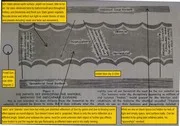
Chakra Centers

 71
71

Chakra Centers
Regina Marie Woodard's "Chakra Centers" offers a refreshingly tactile approach to the often-abstract world of subtle anatomy. By grounding the exploration of the Sushumna Nadi and the seven chakras in the act of coloring original illustrations, the workbook bypasses dense theoretical exposition. This creative engagement is its primary strength, allowing users to internalize concepts like the Dan Tien through visual and manual interaction. The integration of Yogic and Traditional Chinese Medicine perspectives is commendable, though at times the synthesis feels more suggestive than deeply explored within the workbook's concise format. A minor limitation is the brevity; while effective for introduction, more seasoned practitioners might desire deeper dives into specific chakra functions or TCM correlations. The inclusion of detailed anatomical illustrations, particularly of the Sushumna Nadi, is a concrete highlight. Ultimately, "Chakra Centers" serves as a well-executed, accessible primer for those seeking an artistic entry point into energetic self-awareness.
📝 Description
71
Regina Marie Woodard's 2024 workbook, Chakra Centers, uses coloring to engage with subtle energy.
Chakra Centers is a 32-page workbook that focuses on the body's subtle energy anatomy, specifically the Sushumna Nadi and the seven primary chakras. It combines principles from Yogic Philosophy and Traditional Chinese Medicine (TCM) to offer a practical way to understand and interact with these energy pathways. The book guides users through creative self-expression, primarily by coloring original illustrations of the subtle body. This approach is suitable for newcomers to energetic concepts as well as those already familiar with them. Individuals interested in personal energetic development, mindfulness, and interdisciplinary spiritual practices will find it valuable. It appeals to those who learn best through kinesthetic and visual methods and want to connect with their internal energy systems via artistic engagement, rather than solely through intellectual study.
The workbook highlights the Sushumna Nadi, the central energy channel in Yogic anatomy, and the seven main chakras, which are energetic centers within the subtle body. It also references the Dan Tien, a key energy center in TCM. The integration of Yogic and TCM concepts provides a dual perspective on vital energy, known as prana in Yoga and qi in TCM. This dual focus aims to give readers a more complete picture of how these energies function and can be influenced.
Published in 2024, Chakra Centers arrives during a period of renewed global interest in ancient energetic systems like Yoga and Traditional Chinese Medicine. While Yoga's origins extend back thousands of years and TCM practices are documented from antiquity, the 21st century has seen increased popularization and academic attention for these disciplines. This workbook joins a current trend of publications that aim to connect these traditions, providing accessible tools for personal exploration. It differs from older texts that were more academic or purely philosophical, favoring a hands-on, creative application of concepts related to vital energy.
💡 Why Read This Book?
• You will learn to visualize and interact with the Sushumna Nadi and the seven main Chakras through a creative, kinesthetic process, moving beyond purely intellectual understanding as presented in the workbook's coloring exercises. • You will gain an integrated perspective on vital energy, understanding concepts from both Yogic Philosophy (prana) and Traditional Chinese Medicine (chi) as they relate to the subtle body anatomy illustrated. • You will experience direct engagement with subtle body anatomy, including specific visualizations of the Sushumna Nadi and Dan Tien, facilitated by the workbook's 22 original illustrations designed for coloring.
⭐ Reader Reviews
Honest opinions from readers who have explored this book.
❓ Frequently Asked Questions
What is the Sushumna Nadi and why is it important in Chakra Centers?
The Sushumna Nadi is the central energy channel in Yogic philosophy, running along the spine. In "Chakra Centers," it serves as the primary pathway through which the seven main chakras are accessed and activated, forming the core focus of the workbook's energetic exploration.
How does Chakra Centers combine Yogic Philosophy and Traditional Chinese Medicine?
The workbook integrates concepts from both traditions, such as the Yogic chakras and Sushumna Nadi with the TCM concept of chi and the Dan Tien. This offers a complementary view of vital energy flow and its energetic centers.
Is Chakra Centers suitable for beginners in esoteric studies?
Yes, "Chakra Centers" is explicitly designed for both novice and knowledgeable seekers. Its interactive workbook format and focus on creative self-expression make it an accessible entry point for those new to chakra systems and subtle anatomy.
What kind of creative activities are included in the workbook?
The primary creative activity is coloring 22 original illustrations depicting subtle body anatomy, including the Sushumna Nadi, Dan Tien, and the seven main Chakras. This visual and manual engagement is central to the learning process.
When was Chakra Centers first published?
Chakra Centers was first published on November 27, 2024, positioning it as a contemporary guide in the field of esoteric and self-development literature.
What is the Dan Tien mentioned in the book?
The Dan Tien is a vital energy center in Traditional Chinese Medicine, often located in the lower abdomen. "Chakra Centers" incorporates this concept alongside Yogic anatomy, highlighting its role in the body's energetic framework.
🔮 Key Themes & Symbolism
Sushumna Nadi Exploration
The workbook places significant emphasis on the Sushumna Nadi, the central channel in Yogic anatomy. It's presented not just as a concept but as a tangible pathway for energy to flow and for the chakras to be accessed. The creative exercises encourage users to visualize this channel, integrating its understanding with the seven main chakras and potentially the TCM concept of the Dan Tien, fostering a direct, experiential connection to the body's core energetic axis.
Creative Energetic Engagement
A defining feature is the use of creative self-expression, specifically coloring, as a tool for exploring esoteric concepts. This approach is applied to detailed illustrations of subtle body anatomy, including the Sushumna Nadi and chakras. By engaging visually and kinesthetically, users are invited to internalize the complex energetic structures and their interrelationships, making the learning process more intuitive and personal than traditional textual study.
Yogic and TCM Synthesis
The book bridges two major energetic systems: Yogic Philosophy and Traditional Chinese Medicine. It highlights commonalities and complementary aspects, such as the Yogic concept of prana and the TCM concept of chi, and the energetic centers like chakras and the Dan Tien. This interdisciplinary approach offers a more holistic understanding of vital energy, suggesting universal principles underlying different cultural esoteric traditions.
Subtle Body Anatomy Visualization
"Chakra Centers" offers a visual guide to the subtle body, featuring 22 original illustrations. These are not mere diagrams but are designed for interactive coloring, focusing on key elements like the Sushumna Nadi, the Dan Tien, and the seven main Chakras. This emphasis on detailed, yet accessible, anatomical visualization aids in explaining esoteric concepts and providing a concrete reference point for personal energetic work.
💬 Memorable Quotes
Direct passages from the work, attributed to the author.
“Explore the Central Channel / Sushumna Nadi and the seven main Chakras through creative self-expression.”
— This statement expresses the workbook's core methodology, highlighting the integration of a key Yogic concept (Sushumna Nadi and chakras) with a practical, artistic approach to learning and self-discovery.
“Harness Your Chi Through Creativity.”
— This phrase from the title suggests that the workbook provides methods for individuals to actively engage with and direct their vital life force (chi) by utilizing creative processes, making esoteric energy work more accessible.
“22 original illustrations of subtle body anatomy-including the Sushumna Nadi, Dan Tien, and the Chakras-designed for coloring.”
— This factual description points to the workbook's unique interactive nature, emphasizing the visual aids and the specific esoteric elements that users will engage with through the act of coloring.
“Interactive 32-page workbook designed for both novice and knowledgeable seekers.”
— This indicates the book's intended audience and format. It aims to serve as a foundational tool for beginners while offering a fresh perspective or method for those already familiar with esoteric sciences.
“Integrating insights from both Yogic Philosophy and Traditional Chinese Medicine.”
— This highlights the book's interdisciplinary approach, combining elements from two distinct yet related ancient wisdom traditions to offer a more comprehensive understanding of energetic anatomy and practice.
🌙 Esoteric Significance
Tradition
The work draws primarily from Yogic Philosophy, specifically its understanding of the subtle body, chakras, and the central energy channel (Sushumna Nadi). It also incorporates elements from Traditional Chinese Medicine, particularly the concept of chi and the Dan Tien. This synthesis positions "Chakra Centers" within contemporary esoteric discourse that often seeks to find common ground and complementary perspectives between Eastern spiritual and energetic systems.
Symbolism
Key symbols include the seven main Chakras, depicted as energetic vortexes within the subtle body, each associated with specific qualities and locations. The Sushumna Nadi serves as a central symbolic axis, representing the primary conduit for spiritual energy and consciousness. The Dan Tien, from TCM, symbolizes a foundational energetic reservoir, often located in the lower abdomen, which supports overall vitality and energetic integrity.
Modern Relevance
Contemporary practitioners of energy healing, yoga instructors, and mindfulness coaches often utilize simplified or integrated models of chakra and meridian systems. "Chakra Centers" provides a visually engaging and accessible tool that aligns with modern therapeutic approaches focusing on somatic experience and creative expression as pathways to energetic balance and well-being.
👥 Who Should Read This Book
• Individuals new to esoteric studies seeking an accessible, non-intimidating introduction to chakra systems and subtle energy anatomy. • Practitioners of yoga or meditation who wish to deepen their understanding of the central energetic pathways like the Sushumna Nadi through a visual and creative medium. • Creatives and artists interested in exploring the connection between artistic expression, personal energy flow, and spiritual development, utilizing the workbook's coloring activities.
📜 Historical Context
Regina Marie Woodard's "Chakra Centers" (2024) enters a contemporary landscape marked by a resurgence of interest in ancient healing and spiritual modalities. The early 21st century has seen a global proliferation of yoga studios, acupuncture clinics, and literature exploring concepts like prana and chi. This work arrives in an era where such practices are increasingly studied academically, moving beyond niche communities. It contrasts with earlier, more theoretical or purely philosophical texts on chakras and meridians that gained traction in the mid-to-late 20th century, influenced by figures like Paramahansa Yogananda and the burgeoning New Age movement. Unlike those often dense treatises, Woodard's workbook offers a hands-on, creative engagement, reflecting a modern pedagogical shift towards experiential learning. It joins a broad category of wellness and self-help literature that seeks to make esoteric concepts digestible and actionable for a mainstream audience, a trend that has accelerated significantly since the year 2000.
📔 Journal Prompts
The Sushumna Nadi's role as a central conduit for energy.
Coloring the illustrations and the energetic state evoked.
Personal interpretation of the Dan Tien's energetic significance.
The relationship between creative expression and chi flow.
Visualizing the flow between the seven main Chakras.
🗂️ Glossary
Chakras
Energetic centers within the subtle body, typically visualized as spinning wheels or lotuses, that are believed to govern various physical, emotional, and spiritual functions.
Sushumna Nadi
The central and most important energy channel in Yogic anatomy, running vertically along the spine through which Kundalini energy is said to rise.
Chi (Qi)
The vital life force or energy that flows through all living things in Traditional Chinese Medicine, analogous to prana in Yogic philosophy.
Dan Tien
A crucial energy center in Traditional Chinese Medicine, located in the lower abdomen, considered a reservoir for vital energy (chi).
Subtle Body Anatomy
Refers to the non-physical energetic structures of the body, including channels (nadis), centers (chakras), and reservoirs of energy (like the Dan Tien).
Prana
The vital life force or energy in Yogic philosophy, which is believed to permeate the universe and is essential for life and consciousness.
Workbook
A book containing exercises, activities, and prompts designed for practical application and self-study, often used in educational or self-improvement contexts.
This book appears in 1 collection
🔮 Readers Also Liked
Browse all →







From the “Chi Energy” Collection
View all →

More Free Occult Philosophy Books
View all →