Cartomancy and Tarot in Film
 61
61

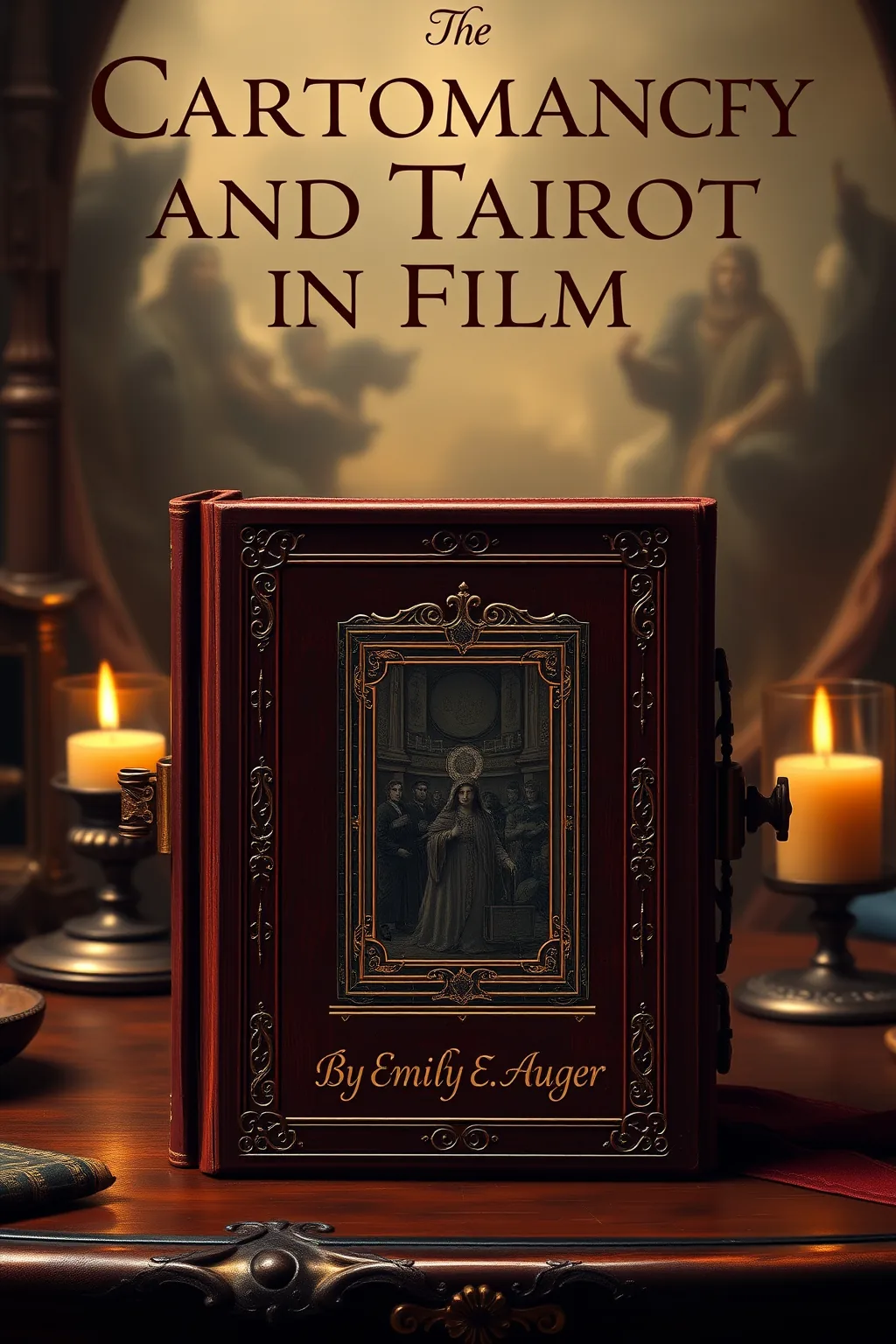
Cartomancy and Tarot in Film



Sophia Crane (Associate Editor) — Emily E. Auger's 'Cartomancy and Tarot in Film' is a revelation for anyone fascinated by the intersection of esoteric arts and cinematic storytelling. Auger possesses a keen eye for detail, unearthing subtle yet profound connections between filmic narratives and the rich symbolic language of Tarot. Her scholarly approach is balanced by an accessible prose, making complex concepts understandable for both seasoned practitioners and curious newcomers. This work is essential reading for understanding how visual media interprets and disseminates occult knowledge, offering a unique perspective on film history and the enduring power of divination.
📝 Description
61
Emily E. Auger's 2018 book examines the use of cartomancy and tarot in film.
In Cartomancy and Tarot in Film, Emily E. Auger examines how card reading traditions appear in cinema. The book traces how images from Tarot and other decks have been used in movies to represent ideas about fate, destiny, and the subconscious. Auger looks at the historical background of divination and fortune-telling, connecting these practices to the visual storytelling of film.
This work considers how the archetypal imagery of playing cards and the Tarot deck are translated into cinematic language. It shows how filmmakers employ these symbols to create meaning and explore complex themes. The book aims to provide a deeper appreciation for those interested in film, esoteric traditions, or both. Readers will find familiar films reinterpreted through the lens of divination, revealing the occult elements present in cinematic works.
This book situates cartomancy and Tarot within the broader history of esoteric thought and practice. It connects the symbolic language of these divination systems to their representation in popular media. By analyzing their use in film, Auger highlights how these ancient tools for understanding the self and the world continue to resonate. The work acknowledges the enduring appeal of divination as a means to explore mystery and the unknown, showing its persistence in modern cultural forms.
💡 Why Read This Book?
Uncover the hidden language of Tarot and cartomancy as it unfolds in the cinematic realm. 'Cartomancy and Tarot in Film' is a must-read for seekers of esoteric knowledge, film scholars, and practitioners who wish to deepen their understanding of visual symbolism. Explore how Hollywood has interpreted fate, destiny, and the subconscious through the iconic imagery of the cards, offering a unique lens on both film history and the enduring power of divination.
⭐ Reader Reviews
Honest opinions from readers who have explored this book.
❓ Frequently Asked Questions
What is cartomancy?
Cartomancy is the practice of divination using a deck of playing cards. It shares many symbolic roots with Tarot, focusing on interpreting the patterns and meanings of cards drawn to gain insight into past, present, and future.
How does this book connect Tarot to films?
The book meticulously examines how Tarot and other card-reading traditions are depicted in films, analyzing their symbolic use, narrative function, and the cultural perceptions they reflect and shape.
Is this book for film critics or occultists?
It brilliantly bridges both worlds. Film enthusiasts will discover new layers of meaning in their favorite movies, while occultists and Tarot practitioners will find a novel perspective on their craft's representation in popular culture.
What historical periods does the book cover?
The book spans various cinematic eras, demonstrating the evolution of Tarot and cartomancy's portrayal from early film to contemporary productions, reflecting changing societal attitudes and artistic interpretations.
Can I learn to read Tarot from this book?
While not a direct 'how-to' guide for reading Tarot, the book's in-depth exploration of symbolism and archetypes can significantly enhance a reader's intuitive understanding and appreciation of the Tarot's visual language.
🔮 Key Themes & Symbolism
The Cinematic Unconscious and the Tarot
This theme examines how filmmakers utilize Tarot imagery and cartomantic narratives to tap into the collective unconscious, mirroring the archetypal journey of the Fool and the Fool's journey through the Major Arcana. It explores how the visual language of film can evoke the same sense of mystery, destiny, and personal transformation that Tarot readings aim to achieve, acting as a cinematic oracle for the audience's subconscious desires and fears.
Archetypes in Motion: Cards as Characters and Plot Devices
Here, the focus shifts to how specific Tarot cards—The Lovers, The Tower, The Hermit, The Empress—are translated into character archetypes or central plot points within films. Auger examines how these visual representations reinforce or subvert traditional interpretations, offering a unique lens on narrative construction and character development through the symbolic power of the cards.
The History of Divination on Screen
This section traces the historical evolution of how fortune-telling, particularly cartomancy and Tarot, has been depicted in cinema. It analyzes changing cultural attitudes towards divination, from its portrayal as sinister sorcery in early films to its more nuanced or even empowering representation in contemporary works, reflecting societal shifts in belief and skepticism.
💬 Memorable Quotes
Direct passages from the work, attributed to the author.
“Fate, once a whispered prophecy, now dances in the flickering light of the projector.”
— It highlights the transition of destiny from an abstract concept to a tangible, visually represented element within the dynamic medium of cinema.
“Each frame, a card; each scene, a spread.”
— This evocative phrase suggests that entire films can be viewed as elaborate Tarot spreads, with individual shots and sequences holding divinatory significance.
“The magician on screen conjures not illusions, but interpretations of reality.”
— This emphasizes how cinematic portrayals of diviners and their tools are not merely about trickery, but about offering viewers new perspectives and understanding of their own lives.
“Beneath the glamour, the ancient wisdom of the cards endures.”
— This points to the persistent and profound influence of Tarot and cartomancy, suggesting that their core wisdom transcends the superficiality of cinematic presentation.
💡 Key Ideas
Editorial paraphrase of the work's core concepts — not direct quotes.
The screen becomes a mirror, reflecting the archetypal journeys etched in the cards.
This quote captures the essence of how film acts as a conduit for the symbolic narratives found in Tarot, projecting internal journeys onto the visual plane for audience interpretation.
🌙 Esoteric Significance
Tradition
This book primarily engages with the Western Esoteric Tradition, particularly its manifestations within psychological and archetypal frameworks. It draws upon the rich symbolic language of the Tarot, a core part of esoteric study, and connects it to Jungian archetypes and the broader currents of occult philosophy that have influenced both art and cinema. The focus is on how these ancient systems of divination are reinterpreted and disseminated through a modern, visual medium.
Symbolism
The core symbolism explored revolves around the Major and Minor Arcana of the Tarot, their archetypal figures (The Fool, The Magician, The High Priestess, etc.), and the common iconography of cartomancy. Auger analyzes how these symbols, often representing stages of consciousness, life lessons, or elemental forces, are translated into visual cues within films, acting as potent signifiers of narrative themes and character arcs.
Modern Relevance
In an age saturated with visual media, understanding how esoteric symbols are represented in film offers clear insights into their continued cultural resonance. 'Cartomancy and Tarot in Film' highlights how these ancient practices provide frameworks for understanding complex human experiences like fate, free will, and personal transformation, making them relevant to contemporary audiences seeking meaning and guidance through storytelling.
👥 Who Should Read This Book
This book is a valuable collection for a diverse audience. For the dedicated Tarot practitioner, it offers a fascinating new perspective on how their sacred art is perceived and utilized in popular culture. Film scholars and enthusiasts will find it an invaluable resource for deconstructing cinematic narratives through an esoteric lens. Seekers of hidden knowledge and those drawn to the mystical will discover a rich exploration of symbolism and archetypes. Beginners in the occult arts can gain an accessible introduction to the power of visual symbolism and its role in storytelling and divination.
📜 Historical Context
The late 20th and early 21st centuries, the primary period of cinematic exploration detailed in this book, witnessed a resurgence of interest in esotericism and spirituality. As society grappled with rapid technological advancement and shifting cultural paradigms, there was a concurrent fascination with ancient wisdom traditions like Tarot and cartomancy. Hollywood, ever attuned to societal currents, began incorporating these elements into its narratives, moving from simplistic portrayals of fortune-tellers as charlatans or dark sorcerers to more complex representations that explored themes of self-discovery, destiny, and the subconscious. This era provided fertile ground for exploring the visual symbolism of the cards, allowing filmmakers to imbue their stories with layers of occult meaning and archetypal resonance.
📔 Journal Prompts
Reflect on a film where a Tarot reading or cartomancy scene significantly impacted your perception of the characters or plot. What was the symbolism used, and how did it resonate?
Consider your favorite Tarot card. How might its archetypal meaning be translated into a cinematic character or a plot device in a movie?
Imagine you are a filmmaker. How would you visually represent the concept of 'fate' using only the imagery of playing cards or Tarot?
Discuss the ethical implications of portraying divination in film. Are these portrayals generally respectful, sensationalized, or dismissive of the practice?
After reading this book, what new layers of meaning have you discovered in films that feature card readings? How has your appreciation for cinematic symbolism evolved?
🗂️ Glossary
Cartomancy
A form of divination using a deck of standard playing cards to gain insight into past, present, and future events or situations. It shares much of its symbolic language with Tarot.
Archetype
In Jungian psychology, a universally understood symbol, character, or theme that recurs across cultures and time, often seen in myths, dreams, and art, including Tarot imagery.
Major Arcana
The 22 trump cards in a Tarot deck, representing significant life lessons, spiritual journeys, and archetypal forces that shape human experience.
Minor Arcana
The 56 cards in a Tarot deck, divided into four suits (Wands, Cups, Swords, Pentacles), which typically represent everyday events, challenges, and circumstances.
Esotericism
A broad category of mystical or occult traditions that focus on hidden knowledge, spiritual enlightenment, and often involve symbolic interpretation and personal transformation.
This book appears in 2 collections
🔮 Readers Also Liked
Browse all →
More by Emily E. Auger
All books →

From the “Tarot” Collection
View all →
More Free Divination & Tarot Books
View all →