Cameral Analysis
 82
82

Cameral Analysis
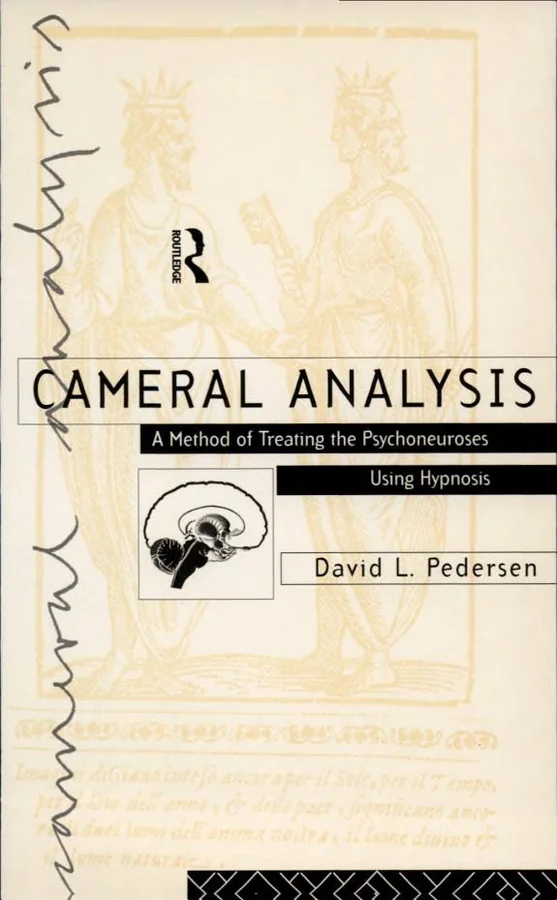
David Lawrence Pedersen’s Cameral Analysis, from its 1994 debut, offers a compelling, if somewhat dated, exploration of hypnotherapy's potential for treating psychoneurotic conditions. Pedersen, drawing from his Harley Street background, makes a bold assertion: that the very structure of the brain’s hemispheres, when out of sync, generates symptoms we label as neuroses. The strength of the book lies in its clear articulation of this hypothesis and its proposed solution—hypnosis as a means to re-establish hemispheric unity. He directly contrasts this with the side effects and costs of drug therapies prevalent at the time. A notable passage details how specific hypnotic suggestions might aim to bridge the functional divide between the left and right brain. However, the book’s limitation is its reliance on a theoretical model that, while intriguing, has seen significant advancements and critiques in neuroscientific understanding since its publication. The specific neurophysiological mechanisms proposed, while conceptually sound for their time, may not fully align with current understandings of brain plasticity and complex psychological disorders. Nevertheless, Cameral Analysis remains a valuable historical document for understanding alternative therapeutic ideas of the late 20th century. It is a focused argument for hypnotherapy's efficacy when approached from a specific neurological perspective.
📝 Description
82
David Lawrence Pedersen's 1994 book, Cameral Analysis, proposes a link between brain hemisphere function and psychological symptoms.
Published in 1994, Cameral Analysis by David Lawrence Pedersen presents a unique view on psychoneurotic behavior. Pedersen, who previously consulted on Harley Street, argues that the division of the brain into two hemispheres is the root of many psychological issues. The book suggests that hypnotic techniques can help resolve these problems.
This work is for those interested in alternative therapies, especially the mind-body connection. Therapists looking for non-drug approaches to distress and patients seeking alternatives to conventional medication will find it useful. Readers interested in the history and theory of hypnotherapy will also gain insight. The book emerged when drug-based solutions were becoming common, offering hypnosis as a counterpoint. While neuroscience research on split-brain studies existed, Pedersen applied these ideas specifically to hypnotherapy.
The core idea is 'Cameral Analysis,' which states psychological imbalance comes from the brain's hemispheres not working together. Pedersen suggests hypnosis can help reintegrate these halves, resolving symptoms. This framework explains psychoneurotic symptoms as a result of hemispheric disconnect, which hypnosis can address directly.
Cameral Analysis fits within esoteric traditions that explore the mind's capacity for self-healing and altered states of consciousness. It intersects with hypnotherapy, a field often considered on the fringes of mainstream psychology, and traditions that view the psyche as a unified system capable of reintegration. The book's focus on a neurophysiological explanation for psychological imbalance, coupled with a non-pharmacological, mind-based intervention, aligns with esoteric thought that emphasizes internal processes and subtle energies over purely material or biochemical explanations.
💡 Why Read This Book?
• Learn how David Lawrence Pedersen theorized the brain's hemispheric division in 1994 could be the root of psychoneurotic symptoms, offering a unique neurophysiological perspective not commonly found in contemporary texts. • Understand the specific application of hypnosis proposed by Pedersen to reintegrate brain hemispheres, providing a concrete methodology for therapeutic intervention beyond generalized suggestive techniques. • Gain insight into alternative therapeutic paradigms from the early 1990s that directly challenged the rise of psychopharmacology, offering a historical counterpoint to current treatment trends.
⭐ Reader Reviews
Honest opinions from readers who have explored this book.
❓ Frequently Asked Questions
What is the core theory behind Cameral Analysis regarding brain function?
Cameral Analysis proposes that psychoneurotic symptoms stem from a disconnect between the brain's two hemispheres. David Lawrence Pedersen suggests that hypnosis can help these hemispheres function as a unified whole, alleviating distress.
How does Cameral Analysis suggest hypnosis can help patients?
The book suggests that through specific hypnotic techniques, patients can achieve a state where their left and right brain hemispheres communicate and function more cohesively, thereby resolving symptoms associated with their division.
What alternative does Cameral Analysis offer to traditional drug therapy?
It presents hypnotherapy as a viable alternative to drug therapy for a range of psychoneurotic conditions, emphasizing its potential to cure symptoms without the adverse side effects and high costs associated with pharmaceuticals.
Who is David Lawrence Pedersen and what was his background?
David Lawrence Pedersen was a former consultant on Harley Street, a renowned medical district in London. His background lends credibility to his exploration of therapeutic alternatives in Cameral Analysis.
When was Cameral Analysis first published?
Cameral Analysis was first published in 1994, offering its unique perspective on psychological well-being during a time when drug therapies were becoming increasingly dominant.
What is the primary benefit of Cameral Analysis according to the author?
The primary benefit highlighted is the potential to cure psychoneurotic symptoms through hypnosis by restoring brain hemispheric unity, offering a drug-free approach with fewer side effects.
🔮 Key Themes & Symbolism
Hemispheric Disconnect
The central theme posits that the neurophysiological division of the brain into two hemispheres is the root cause of psychoneurotic behaviors. Pedersen argues that symptoms like anxiety, depression, and phobias arise not from external factors alone, but from an internal imbalance in how the left and right sides of the brain communicate and function. This concept provides a specific neurological framework for understanding psychological distress, moving beyond purely psychological or behavioral explanations prevalent at the time of its 1994 publication.
Hypnosis as Integration
Cameral Analysis positions hypnosis as a potent therapeutic tool capable of addressing the hemispheric disconnect. The work details how hypnotic states can be induced to facilitate communication and integration between the brain's two halves. This isn't merely about suggestion, but about re-establishing a fundamental functional unity. The implication is that by guiding the brain to work as a whole once more, hypnosis can directly resolve the underlying cause of psychoneurotic symptoms, offering a non-invasive and drug-free alternative.
Alternative to Drug Therapy
A significant thrust of Pedersen's argument, particularly relevant in 1994, is the critique of conventional drug-based treatments for psychological issues. He highlights the potential for severe side effects, dependency, and high costs associated with psychopharmacology. Cameral Analysis champions hypnosis as a safer, more holistic, and potentially more effective method for achieving lasting recovery from psychoneurotic conditions, advocating for a shift in thinking in therapeutic approaches.
Neurophysiological Basis of Behavior
The book attempts to ground psychological states in observable, albeit theoretical, neurophysiological processes. By linking specific behavioral symptoms to the functional state of the brain's hemispheres, Pedersen offers a materialist explanation for mental distress. This approach aligns with broader scientific trends seeking to understand behavior through biological mechanisms, even while proposing a less conventional therapeutic modality like hypnosis as the solution.
💬 Memorable Quotes
Direct passages from the work, attributed to the author.
“The neurophysiological division of the brain into two separate hemispheres may account for the symptoms of psychoneurotic behaviour.”
— This core assertion captures Pedersen's central thesis. It suggests that conditions often treated with medication could originate from a fundamental imbalance in brain function, linking psychological distress directly to neurological architecture.
“Using hypnosis, the two halves of the brain can be made to function as a whole once more.”
— This highlights the proposed therapeutic mechanism. It implies that hypnosis is not just about suggestion, but about actively restoring integrated brain function, offering a concrete pathway to healing from specific psychological conditions.
“Curing these distressing symptoms without the side effects of costly drug therapies.”
— This statement underscores the book's critical stance against psychopharmacology. It positions hypnotherapy as a superior alternative, focusing on symptom resolution with a cleaner safety profile and economic advantages.
“Former Harley Street consultant David Pedersen shows how hypnosis can be used as an alternative to drug therapy.”
— This contextualizes the author and his approach. It emphasizes Pedersen's professional background and the practical, alternative application of hypnosis he advocates for a wide range of patient issues.
“Cameral Analysis shows how the neurophysiological division of the brain into two separate hemispheres may account for the symptoms of psychoneurotic behaviour.”
— This is a concise summary of the book's explanatory framework. It directly connects the anatomical structure of the brain to the manifestation of psychological difficulties, providing a basis for his therapeutic suggestions.
🌙 Esoteric Significance
Tradition
Cameral Analysis can be loosely situated within the broader Hermetic and Gnostic traditions that emphasize the integration of internal faculties and the overcoming of dualistic states for spiritual or psychological wholeness. While not explicitly referencing these traditions, its core idea of unifying divided aspects of the self (here, brain hemispheres) to restore balance echoes Gnostic concepts of achieving gnosis through integration. It departs from more mystical interpretations by grounding its theory in a specific, albeit speculative, neurophysiological model.
Symbolism
The primary 'symbol' in Cameral Analysis is the brain itself, specifically its division into two hemispheres. This duality represents the fragmented self, the source of psychoneurotic suffering. The act of hypnosis, in this context, symbolizes the alchemical process of unification and integration, transforming psychological discord into harmony. The 'whole' functioning brain becomes a symbol of restored balance and inner peace, akin to the concept of the perfected individual in various esoteric systems.
Modern Relevance
While the specific neurophysiological model presented in Cameral Analysis may be considered dated by contemporary neuroscience, its core idea of hemispheric integration as a therapeutic goal appeals to modern approaches to neuroplasticity and psychotherapy. Practices like EMDR (Eye Movement Desensitization and Reprocessing) and certain forms of mindfulness meditation implicitly or explicitly aim to achieve greater coherence between different neural networks and cognitive functions, echoing Pedersen's pursuit of functional unity.
👥 Who Should Read This Book
• Therapists and counselors interested in exploring historical and alternative approaches to psychoneurotic conditions, particularly those seeking to understand non-pharmacological interventions based on neurological theory. • Individuals researching the history and theoretical underpinnings of hypnotherapy, seeking to understand its application beyond simple suggestion or stage hypnosis. • Students of esoteric psychology and mind-body medicine who are interested in theories that connect consciousness, brain function, and therapeutic outcomes from the early 1990s.
📜 Historical Context
Published in 1994, David Lawrence Pedersen's Cameral Analysis emerged during a period when the dominance of psychopharmacology was rapidly increasing. The era was marked by significant advancements in neuroscience, including the ongoing exploration of split-brain research pioneered by figures like Roger Sperry, which illuminated the distinct functions of the brain's hemispheres. Pedersen's work sought to apply these emerging understandings of hemispheric specialization to the field of psychotherapy, offering a theoretical basis for hypnotherapy as a treatment for psychoneurotic conditions. This approach stood in contrast to the prevailing biological psychiatry, which increasingly favored medication. While not a mainstream academic text, Cameral Analysis contributed to a broader discourse on alternative and complementary therapies that gained traction in the late 20th century, reflecting a growing interest in mind-body connections and non-pharmacological interventions. The work's reception was likely within niche circles interested in hypnosis and esoteric psychology, rather than broader clinical discourse.
📔 Journal Prompts
Hemispheric disconnect: How might perceived 'sides' of your personality represent a functional division?
Hypnosis as integration: Explore a personal experience where integrating opposing thoughts or feelings led to resolution.
Alternative therapies: What historical therapeutic claims, like those in Cameral Analysis, warrant re-examination today?
Neurophysiological basis: Reflect on a time when a physical sensation correlated strongly with an emotional state.
Drug therapy critique: Consider the benefits and drawbacks of pharmacologically versus psychologically-focused treatments for distress.
🗂️ Glossary
Cameral Analysis
The core theory and therapeutic approach presented by David Lawrence Pedersen, suggesting that psychoneurotic symptoms arise from a disconnect between the brain's hemispheres and can be treated by integrating them.
Neurophysiological Division
Refers to the scientific understanding that the brain is divided into distinct hemispheres (left and right), each with specialized functions, and the theory that imbalance between these can cause psychological issues.
Psychoneurotic Behaviour
A term used to describe a range of psychological conditions characterized by distress, anxiety, and maladaptive behaviors, often without clear organic cause, which Pedersen links to hemispheric imbalance.
Hypnosis
An altered state of consciousness characterized by heightened suggestibility and focused attention, employed in Cameral Analysis as a tool to facilitate brain hemisphere integration.
Hemispheric Unity
The state where the left and right hemispheres of the brain function cohesively and communicate effectively, which Pedersen posits is the goal of hypnotherapy in treating psychoneurotic symptoms.
Harley Street Consultant
Refers to David Lawrence Pedersen's professional background as a practitioner in Harley Street, London, a district historically associated with private medical and psychological practices.
Alternative to Drug Therapy
The book's framing of hypnosis as a method to treat psychological conditions that bypasses or offers a solution superior to conventional pharmaceutical interventions.
This book appears in 1 collection
🔮 Readers Also Liked
Browse all →









From the “Hypnosis” Collection
View all →







More Free Occult Philosophy Books
View all →