Bhagavad Gita
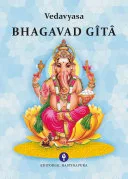
 78
78

Bhagavad Gita
The Bhagavad Gita’s enduring appeal lies in its direct engagement with existential crisis. Arjuna’s plight, facing kin on the battlefield, is a potent metaphor for the internal conflicts every individual faces. Krishna’s responses, particularly his discourse on the nature of the Self and the performance of duty without attachment to results, provide a compelling ethical and spiritual framework. One limitation for modern readers might be the inherent theological assumptions, which require a certain degree of acceptance to fully engage with the text. The section detailing the Vishvarupa (Universal Form) in Chapter 11, where Krishna reveals his cosmic aspect, is a particularly striking example of the text's theological grandeur. Ultimately, the Gita offers a practical philosophy for living amidst turmoil, presenting a coherent system for spiritual discipline.
📝 Description
78
The Bhagavad Gita, a 700-verse scripture, is embedded within the epic Mahabharata.
The Bhagavad Gita is a philosophical dialogue set on the battlefield of Kurukshetra. Prince Arjuna, facing a moral crisis before a great war, questions his charioteer, Lord Krishna. Their conversation addresses duty, action, and the nature of existence. It is attributed to the sage Vyasa and is generally dated between the 5th and 2nd centuries BCE.
This text is central to understanding Hindu philosophy and devotional practices. It outlines paths to spiritual realization, including the yoga of action, knowledge, and devotion. The Gita explores the relationship between the material world and spiritual life, offering guidance for those confronting life's difficulties and seeking inner peace. It has become a significant text for those interested in Indian traditions.
The Bhagavad Gita is a significant text within the broader Hindu philosophical tradition, particularly in its synthesis of Vedic thought with emergent schools like Vedanta and Samkhya. It addresses questions of spiritual liberation (moksha) through disciplined practice and understanding. The text's focus on internal realization and the nature of the self places it within esoteric traditions that seek direct experience of the divine or ultimate reality, often through yogic disciplines and contemplation.
💡 Why Read This Book?
• Gain practical strategies for performing your duties (dharma) without being ensnared by the fruits of your actions, as explained through the concept of Karma Yoga, a core teaching from the Bhagavad Gita. • Understand the nature of the divine and develop a devotional connection, as exemplified by Lord Krishna’s teachings on Bhakti Yoga, offering a path to spiritual solace and union. • Explore the philosophical underpinnings of existence and the soul's journey toward liberation (moksha), a central theme discussed throughout the dialogue between Krishna and Arjuna.
⭐ Reader Reviews
Honest opinions from readers who have explored this book.
❓ Frequently Asked Questions
What is the primary philosophical message of the Bhagavad Gita?
The Bhagavad Gita primarily teaches the performance of one's duty (dharma) with detachment from outcomes, emphasizing devotion to the divine (Bhakti) and the pursuit of self-knowledge (Jnana) as paths to liberation (moksha).
Who are the main characters in the Bhagavad Gita?
The central figures are Prince Arjuna, a warrior facing a moral dilemma on the battlefield, and Lord Krishna, his divine charioteer and spiritual guide.
When was the Bhagavad Gita likely composed?
Scholars generally date the composition of the Bhagavad Gita between the 5th and 2nd centuries BCE, placing it within the context of ancient Indian philosophical developments.
What does 'Dharma' mean in the context of the Bhagavad Gita?
In the Gita, 'Dharma' refers to one's essential nature, duty, righteousness, and the moral order of the universe, often interpreted as the specific responsibilities one must fulfill.
How does the Bhagavad Gita relate to the Mahabharata?
The Bhagavad Gita is a segment within the larger Indian epic, the Mahabharata. It appears as a discourse occurring on the eve of the great battle of Kurukshetra.
What are the different paths to spiritual realization mentioned?
The Gita outlines three primary paths: Karma Yoga (path of action), Jnana Yoga (path of knowledge), and Bhakti Yoga (path of devotion).
🔮 Key Themes & Symbolism
Duty and Detachment
The Bhagavad Gita places significant emphasis on the concept of 'dharma,' or one's righteous duty. Krishna instructs Arjuna to perform his duty as a warrior without attachment to the results, a principle known as Karma Yoga. This theme suggests that action performed selflessly, with equanimity towards success or failure, leads to spiritual purification and liberation from the cycle of karma. It challenges the notion that renunciation means inaction, advocating instead for engaged action performed with inner detachment.
The Nature of the Self
A central philosophical inquiry within the Gita concerns the true nature of the self (Atman). Krishna explains that the soul is eternal, unchanging, and distinct from the physical body and mind. This understanding is crucial for overcoming fear of death and for engaging in spiritual practice. The text differentiates between the perishable material body and the imperishable spiritual essence, offering a perspective that transcends worldly suffering and transient material existence.
Devotion as a Path
The Gita presents 'Bhakti Yoga,' the path of devotion, as a potent means to achieve union with the divine. Krishna reveals himself as the Supreme Being and encourages unwavering love and surrender. This path emphasizes faith, remembrance, and worship, offering solace and strength to the devotee. It posits that through sincere devotion, even those of lower birth or disposition can attain the highest spiritual realization.
The Three Gunas
The text elaborates on the three 'gunas' – sattva (purity, harmony), rajas (passion, activity), and tamas (inertia, ignorance) – which are the fundamental qualities of material nature that influence all beings. Understanding how these gunas affect one's thoughts, actions, and perceptions is key to transcending them. By cultivating sattva and minimizing rajas and tamas, individuals can progress towards spiritual clarity and liberation.
💬 Memorable Quotes
Direct passages from the work, attributed to the author.
“You have a right to perform your prescribed duty, but you are not entitled to the fruits of your actions.”
— This is a core tenet of Karma Yoga, emphasizing the importance of action and responsibility while advocating detachment from personal gain or loss, fostering inner peace.
“The soul is never born and never dies, nor does it exist having once come into being; it is unborn, eternal, ever-existing, and primeval.”
— This profound statement addresses the eternal nature of the self, distinct from the transient physical body, offering a perspective that alleviates the fear of death and suffering.
“When a person acts with devotion, O goddess, he is freed from good and evil consequences.”
— This highlights the purifying power of Bhakti Yoga. Devotion acts as a catalyst, transcending the usual laws of karma and leading the practitioner towards spiritual freedom.
“One who sees inaction in action, and action in inaction, is intelligent among men.”
— This paradoxical statement speaks to the advanced yogi who can act in the world without attachment and remain internally still amidst activity, demonstrating true wisdom.
“Whatever is remembered is remembered, whatever is forgotten is forgotten.”
— This refers to the transient nature of mental impressions and memories, suggesting that true reality lies beyond these fleeting constructs of the mind.
🌙 Esoteric Significance
Tradition
The Bhagavad Gita is a central to the Vaishnava tradition within Hinduism but also holds profound significance for broader Indic and global esoteric studies. It offers a synthesis of Jnana (knowledge), Karma (action), and Bhakti (devotion) yogas, presenting a comprehensive system for spiritual realization that transcends specific sectarian boundaries. Its teachings on the nature of consciousness, the divine, and the path to liberation align with perennial philosophies found in various mystical traditions worldwide.
Symbolism
Key symbols include the battlefield of Kurukshetra, representing the human psyche where internal conflicts of duty and desire rage. Lord Krishna, the divine charioteer, symbolizes the indwelling divine guide or higher consciousness that steers the individual through life's challenges. The chariot itself, with its horses, senses, and reins, mind, represents the human mechanism that must be skillfully managed for spiritual progress.
Modern Relevance
Contemporary esoteric practitioners, particularly those within yoga and Vedanta-influenced circles, frequently engage with the Gita. Its concepts of mindfulness, detachment, and the interconnectedness of action and consequence are explored in modern self-help and spiritual development literature. Thinkers and movements inspired by its teachings continue to influence global discussions on ethics, consciousness, and the pursuit of inner well-being.
👥 Who Should Read This Book
• Students of comparative religion and philosophy seeking to understand a central text of Hinduism and its philosophical depth. • Individuals grappling with moral dilemmas and seeking guidance on fulfilling their responsibilities in a complex world. • Spiritual seekers exploring diverse paths to self-realization, particularly those interested in the integration of action, knowledge, and devotion.
📜 Historical Context
The Bhagavad Gita emerged around the turn of the Common Era, a period marked by vigorous philosophical and religious debate in India. It synthesizes elements from various existing traditions, including Upanishadic thought, early Vedanta, Samkhya, and Yoga. Its placement within the colossal Mahabharata epic, likely a later addition, served to imbue the narrative with profound spiritual and ethical weight. The text responded to a spiritual landscape where ascetic renunciation was gaining prominence, offering a balanced perspective that integrated spiritual discipline with active engagement in the world. Scholars like Radhakrishnan have noted its influence on subsequent Indian philosophy. While not subject to widespread censorship, its interpretations have varied significantly across different philosophical schools and historical periods, reflecting its enduring, yet contested, authority.
📔 Journal Prompts
Arjuna's dilemma on the battlefield: reflecting on the tension between personal relationships and one's prescribed duty (dharma).
The nature of the Atman: contemplating the distinction between the impermanent body and the eternal soul.
Krishna's instruction on performing actions without attachment to their results (Karma Yoga).
Exploring the concept of 'Bhakti' and its role in spiritual practice.
Identifying the influence of the three gunas (sattva, rajas, tamas) in daily life.
🗂️ Glossary
Dharma
In the Bhagavad Gita, dharma refers to one's righteous duty, moral law, and the inherent nature of a thing or being. It is the principle that upholds cosmic order and individual responsibility.
Karma
The law of cause and effect governing actions and their consequences. In the Gita, it emphasizes that all actions create impressions that influence future experiences and rebirths.
Moksha
Liberation or release from the cycle of birth, death, and rebirth (samsara). It signifies the ultimate spiritual goal of union with the divine or realization of the true self.
Yoga
A discipline or path aimed at spiritual union or self-realization. The Gita discusses various forms, including Karma Yoga, Jnana Yoga, and Bhakti Yoga.
Atman
The eternal, unchanging self or soul within an individual, distinct from the physical body and mind. It is considered the true essence of a being.
Gunas
The three fundamental qualities of material nature: sattva (purity, harmony), rajas (passion, activity), and tamas (inertia, ignorance). They influence all aspects of existence.
Bhakti
Devotion, love, and surrender to the divine. Bhakti Yoga is presented as a direct and accessible path to spiritual realization.