Besser schlafen mit Yoga Nidra
 71
71

Besser schlafen mit Yoga Nidra
Barbara Kündig's "Besser schlafen mit Yoga Nidra" tackles a pervasive modern ailment—poor sleep—with a time-tested yogic technique. The book’s primary strength lies in its clear, actionable guidance. Kündig demystifies Yoga Nidra, presenting it not as an abstract spiritual pursuit but as a concrete tool for tangible results. Her explanation of the body-mind connection, particularly how stress disrupts sleep cycles, is particularly well-articulated. One limitation, however, is the book's occasional reliance on familiar self-help phrasing; while intended to be encouraging, it sometimes borders on the generic. A passage detailing the Sankalpa, or resolve, offers a compelling example of how focused intention within Yoga Nidra can anchor the practice and influence waking life. Ultimately, Kündig provides a practical, accessible manual for reclaiming restful nights through deliberate practice.
📝 Description
71
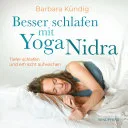
Barbara Kündig's 2022 book, Besser schlafen mit Yoga Nidra, offers a practical guide to sleep improvement using Yoga Nidra.
This book presents Yoga Nidra as a method to improve sleep quality. It goes beyond simple relaxation, showing how this systematic meditation can balance the body, mind, and spirit. The text details how to use Yoga Nidra to achieve deeper rest and better overall well-being, transforming sleep from a struggle into a regenerative period.
It is written for anyone having trouble sleeping, whether occasionally or chronically. The book is especially useful for those looking for non-drug approaches to restful sleep. Readers interested in yoga, meditation, mindfulness, or self-care will find it a good resource for incorporating these practices into daily life to manage stress and enhance sleep.
The central idea is that regular Yoga Nidra practice restores natural balance. It calms the nervous system, releases tension, and creates deep rest unlike ordinary sleep. The book guides practitioners through awareness and relaxation stages, aiming to activate the body's natural healing abilities during sleep.
Yoga Nidra's roots lie in ancient yogic traditions, where it was developed over centuries to access deep states of consciousness and relaxation. Often called 'yogic sleep,' this practice has been used to achieve profound rest and mental clarity. Kündig's work connects these historical techniques with modern understanding, making them accessible to contemporary individuals facing sleep challenges. The practice aims to quiet the mind and body, facilitating a state of profound rest that aids in recovery and overall equilibrium.
💡 Why Read This Book?
• You will learn specific techniques for entering the Yoga Nidra state, enabling you to actively guide your mind towards deeper relaxation and away from sleep-disrupting thoughts, as detailed in Kündig's method. • You will understand the physiological impact of stress on sleep and how the systematic approach of Yoga Nidra, as presented in the book, can counteract these effects by calming the nervous system. • You will gain practical tools to cultivate a personal Sankalpa, a powerful intention, that can foster positive change beyond sleep, as explored in the book's later sections.
⭐ Reader Reviews
Honest opinions from readers who have explored this book.
❓ Frequently Asked Questions
What is Yoga Nidra and how does it differ from regular sleep?
Yoga Nidra, or "yogic sleep," is a guided meditation technique that induces a state of deep relaxation while maintaining conscious awareness. Unlike ordinary sleep, it allows the mind to process and release tension, leading to profound rest and rejuvenation without losing consciousness.
Can Yoga Nidra really help with insomnia?
Yes, "Besser schlafen mit Yoga Nidra" by Barbara Kündig (2022) explains that Yoga Nidra is specifically designed to address sleep disturbances. By calming the nervous system and reducing mental chatter, it helps individuals fall asleep more easily and experience more restorative sleep.
How long does a Yoga Nidra session typically last?
A typical Yoga Nidra session, as described in Kündig's guide, can range from 20 to 45 minutes. The duration is structured to allow for deep relaxation and integration of the practice's benefits without becoming overly demanding.
Do I need any prior yoga or meditation experience to practice Yoga Nidra?
No prior experience is necessary. Barbara Kündig's book "Besser schlafen mit Yoga Nidra" provides clear instructions suitable for beginners, making the practice accessible to anyone seeking better sleep, regardless of their background in yoga or meditation.
What is a Sankalpa in the context of Yoga Nidra?
A Sankalpa is a powerful, positive intention or resolve set at the beginning of a Yoga Nidra practice. It's a short, present-tense affirmation that the practitioner silently repeats, designed to imprint a desired outcome or quality onto the subconscious mind.
When was "Besser schlafen mit Yoga Nidra" first published?
The book "Besser schlafen mit Yoga Nidra" by Barbara Kündig was first published on May 9, 2022. This recent publication date indicates a contemporary approach to the ancient practice of Yoga Nidra.
🔮 Key Themes & Symbolism
Restorative Sleep
The core focus is on achieving truly restorative sleep, moving beyond mere hours spent in bed to the quality of rest. The book posits that modern lifestyles, filled with stress and overstimulation, prevent deep regeneration. Yoga Nidra is presented as a direct antidote, a practice that systematically guides the user into states of profound relaxation conducive to healing and recovery. It emphasizes that night-time is for renewal, and this practice helps unlock that natural capacity, making mornings feel refreshed.
Mind-Body Balance
Kündig highlights how sleep issues are often symptomatic of deeper imbalances between the physical body and the mental/emotional state. Yoga Nidra acts as a bridge, allowing the practitioner to become aware of both physical tensions and mental patterns that disrupt sleep. By addressing these interconnected aspects, the practice aims to restore equilibrium. This approach recognizes that true rest involves not just physical stillness but also mental quietude and emotional release, leading to holistic well-being.
The Power of Intention
A key element explored is the concept of Sankalpa, a personal resolve or intention set during the Yoga Nidra practice. This isn't about forcing change but about planting seeds of positive affirmation in the subconscious mind during a highly receptive state. The book explains how setting a clear, positive Sankalpa can influence one's actions and perceptions in waking life, extending the benefits of the practice beyond mere sleep improvement to personal growth and transformation.
Accessible Meditation
The book positions Yoga Nidra as a highly accessible form of meditation, suitable even for those who find traditional sitting meditation challenging. It's presented as a guided process, requiring no special postures or strenuous effort, often practiced lying down. This accessibility is crucial for individuals suffering from fatigue or sleep deprivation, ensuring that the path to better sleep is not an added burden but a gentle, supportive practice designed for ease and effectiveness.
💬 Memorable Quotes
Direct passages from the work, attributed to the author.
“Sleep is the topic that keeps many people awake at night.”
— This opening observation directly addresses the reader's likely predicament, establishing an immediate connection and validating their struggle with insomnia or poor sleep quality before introducing the book's proposed solution.
“Yoga Nidra can be a helpful tool to improve sleep quality and increase well-being.”
— This statement expresses the book's core thesis: Yoga Nidra is not just about relaxation, but a practical instrument for tangible improvements in both sleep and overall life satisfaction, offering a clear benefit to the reader.
“Practical tips for falling asleep more easily and using the night for regeneration.”
— This highlights the book's focus on actionable advice, promising the reader concrete strategies they can implement immediately to overcome sleep onset difficulties and maximize the restorative potential of their sleep.
“Waking up refreshed in the morning would be nice, wouldn't it?”
— This rhetorical question taps into a universal desire, framing the ultimate outcome of practicing Yoga Nidra as the simple, yet profound, experience of waking up feeling genuinely revitalized and ready for the day.
💡 Key Ideas
Editorial paraphrase of the work's core concepts — not direct quotes.
Through meditation with Yoga Nidra, a natural balance in body, mind, and soul is restored.
This paraphrased concept emphasizes the holistic impact of the practice, suggesting that Yoga Nidra addresses deeper energetic and psychological imbalances, leading to a state of integrated well-being rather than just temporary relief.
🌙 Esoteric Significance
Tradition
While not explicitly tied to a single esoteric lineage like Hermeticism or Gnosticism, Yoga Nidra's practice of systematic awareness and intentionality aligns with contemplative traditions across various spiritual paths. Its emphasis on accessing deeper states of consciousness and understanding the mind's subtle workings appeals to principles found in Tantra and certain schools of Western Esotericism that explore inner transformation through focused mental discipline and altered states of awareness.
Symbolism
Key symbols within Yoga Nidra often include the concept of the 'witness' or 'observer,' representing the detached consciousness that witnesses thoughts and sensations without identification. The 'Sankalpa' acts as a potent symbolic seed, representing the practitioner's deepest aspirations and potential for self-realization. The journey through different body parts and awareness levels can also be seen as a symbolic mapping of the practitioner's inner landscape, leading to integration.
Modern Relevance
Contemporary therapeutic practices, particularly those focusing on trauma-informed care and stress reduction, often incorporate elements similar to Yoga Nidra's guided relaxation and body awareness techniques. Therapists and mindfulness coaches frequently draw upon these principles, adapting them for clients seeking relief from anxiety, PTSD, and chronic stress, demonstrating the enduring practical and transformative power of these ancient contemplative methods in secular contexts.
👥 Who Should Read This Book
• Individuals struggling with insomnia or poor sleep quality seeking natural, non-pharmacological solutions. • Yoga and meditation practitioners looking to deepen their practice and explore the therapeutic applications of Yoga Nidra. • Anyone interested in stress management, mindfulness, and self-care techniques for improving overall mental and physical well-being.
📜 Historical Context
Barbara Kündig's "Besser schlafen mit Yoga Nidra," published in 2022, emerges in an era saturated with self-help literature and a growing awareness of mental well-being's impact on physical health. While Yoga Nidra itself has roots stretching back to early 20th-century developments by Swami Satyananda Saraswati of the Bihar School of Yoga, Kündig's work contributes to a contemporary resurgence of interest in accessible meditative practices. This resurgence is partly a reaction against the fast-paced, often stressful demands of modern life and the limitations of purely medicalized solutions for issues like insomnia. Unlike earlier esoteric texts that might have presented Yoga Nidra within a strictly traditional yogic framework, Kündig's approach prioritizes practical application for a secular audience. The book arrives at a time when mindfulness and meditation, influenced by figures like Jon Kabat-Zinn and his Mindfulness-Based Stress Reduction (MBSR) program which gained prominence in the late 1970s, are widely accepted, creating fertile ground for works like Kündig's that bridge ancient techniques with modern needs.
📔 Journal Prompts
Reflect on the contrast between 'normal sleep' and the 'yogic sleep' described by Kündig.
Consider how your current sleep patterns might reflect imbalances in your body, mind, and soul.
Identify a potential Sankalpa that aligns with your aspirations for better sleep and well-being.
Explore the sensations and thoughts that arise when you consciously relax different parts of your body.
How does the concept of the 'witness' consciousness, central to Yoga Nidra, challenge your usual self-perception?
🗂️ Glossary
Yoga Nidra
A systematic guided meditation technique, often called 'yogic sleep,' that induces deep relaxation while maintaining conscious awareness, facilitating mental and physical rejuvenation.
Sankalpa
A Sanskrit term referring to a solemn vow, resolve, or intention, used in Yoga Nidra as a positive affirmation set during practice to influence the subconscious mind.
Regeneration
The process of restoring or renewing the body or mind, particularly through rest and recovery; in this context, the deep healing and restorative effects of quality sleep.
Equilibrium
A state of balance; in the context of the book, referring to the harmonious functioning of the body, mind, and spirit, which is disrupted by stress and poor sleep.
Well-being
The state of being comfortable, healthy, or happy; encompasses physical, mental, and emotional health, which Yoga Nidra aims to enhance.
Meditation
A practice where an individual uses a technique – such as mindfulness, or focusing the mind on a particular object, thought, or activity – to train attention and awareness, and achieve a mentally clear and emotionally calm and stable state.
Nervous System
The network of nerves and cells that transmit nerve impulses between parts of the body. Yoga Nidra aims to calm and regulate it, particularly the autonomic nervous system.