Bacon, Shakespeare and the Rosicrucians
 73
73

Bacon, Shakespeare and the Rosicrucians


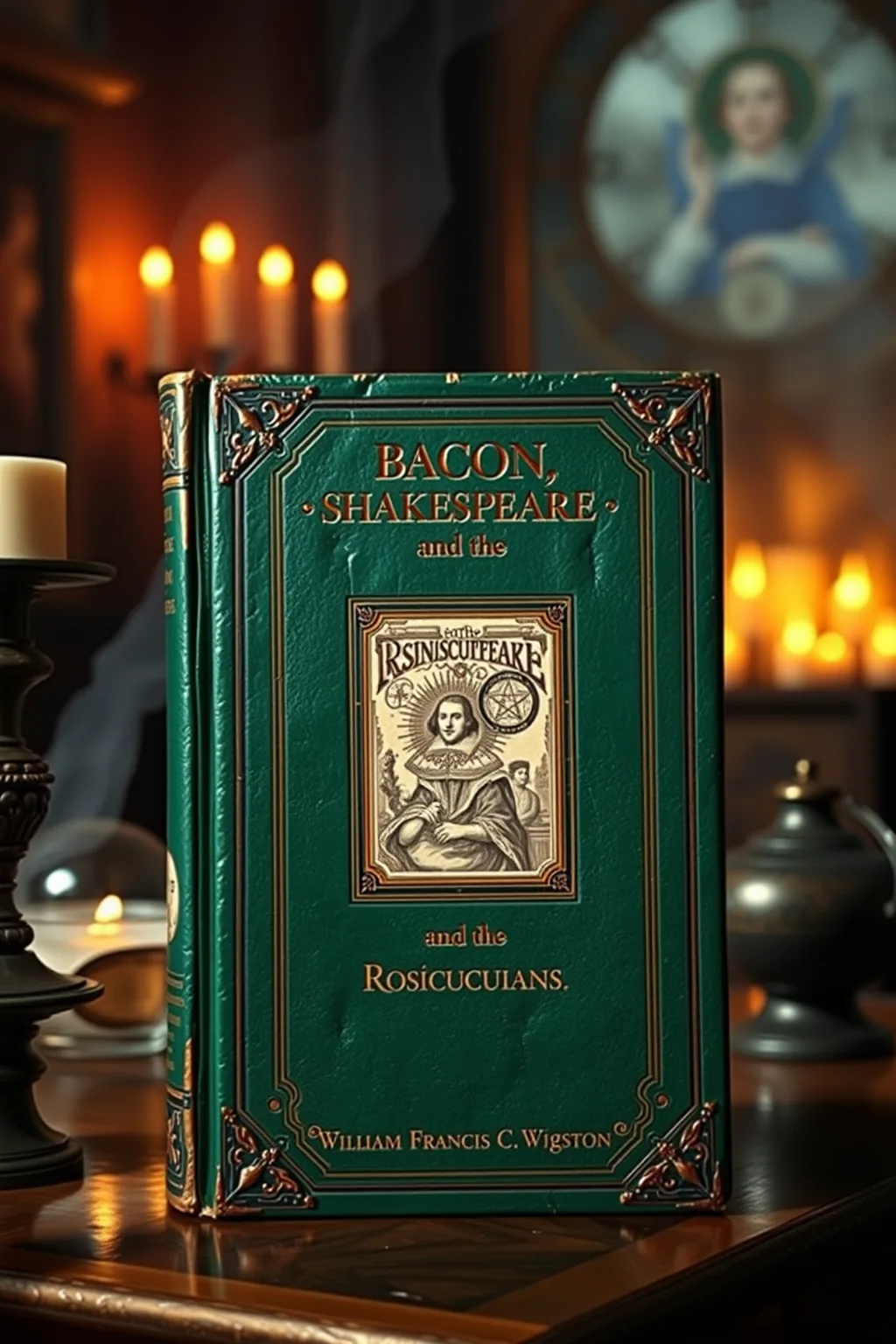
"Bacon, Shakespeare and the Rosicrucians" by William Francis C. Wigston is a treasure trove for anyone interested in the esoteric and occult. Published in 1888, this book offers a deep dive into the mysterious connections between Francis Bacon, William Shakespeare, and the Rosicrucians, providing insights into the hidden symbolism and occult influences that shape their works. Wigston's meticulous research and eloquent writing style make this book a compelling read, even for those unfamiliar with the intricacies of Freemasonry and secret societies. The historical context and symbolic analysis presented in this text are particularly valuable for modern esoteric seekers, offering a unique perspective on the hidden dimensions of Western culture. Despite its age, the book remains relevant and thought-provoking, making it a must-read for anyone interested in the occult and the mysteries of the past.
📝 Description
73
William Francis C. Wigston's 1888 book examines the alleged connections between Francis Bacon, William Shakespeare, and the Rosicrucians.
Published in 1888, this work by William Francis C. Wigston investigates the purported links between Francis Bacon and William Shakespeare, focusing on their alleged involvement with secret societies. Wigston argues that the symbolism and artistry within their literary creations reveal an occult influence, particularly from the Rosicrucians. He attempts to demonstrate how these mystical currents shaped the intellectual and cultural atmosphere of the Elizabethan period. The book traces hidden knowledge and secret traditions, suggesting a deeper philosophical meaning behind esoteric literature. It is written for readers interested in uncovering historical mysteries and understanding the esoteric underpinnings of Western thought.
Wigston scrutinizes the literary output of both Bacon and Shakespeare, searching for coded messages and symbolic patterns that he believes point to a shared esoteric agenda. The Rosicrucian order, with its emphasis on alchemy, mysticism, and hidden wisdom, is presented as a central force in this alleged intellectual network. The author connects these figures and societies to broader currents of Renaissance esotericism, aiming to illuminate a hidden history.
This book belongs to the late 19th-century tradition of esoteric scholarship that sought to uncover hidden spiritual and philosophical currents within historical events and artistic works. It engages with the burgeoning interest in secret societies, Freemasonry, and Hermeticism, attempting to connect these traditions to major figures of Western culture. Wigston's approach reflects a desire to find a hidden order or divine plan operating behind the scenes of history, often through the interpretation of symbols and alleged coded messages within texts.
💡 Why Read This Book?
Reading "Bacon, Shakespeare and the Rosicrucians" today offers a unique opportunity to explore the esoteric connections between some of history's most influential figures. This book provides a rich historical context and symbolic analysis, making it an invaluable resource for understanding the hidden dimensions of Western culture. Whether you are a seasoned esoteric seeker or a curious newcomer, this text will expand your knowledge and deepen your appreciation for the mysteries that lie beneath the surface of literature and philosophy.
⭐ Reader Reviews
Honest opinions from readers who have explored this book.
❓ Frequently Asked Questions
Who is the author of "Bacon, Shakespeare and the Rosicrucians"?
The author is William Francis C. Wigston, who published this esoteric work in 1888.
What topics does this book cover?
The book covers the esoteric connections between Francis Bacon, William Shakespeare, and the Rosicrucians, with a focus on Freemasonry and secret societies.
Where can I find a copy of this book?
A digitized version of the book is available through the Internet Archive, uploaded by user tpb, and was digitized from the library of Harvard University.
🔮 Key Themes & Symbolism
Rosicrucian Influence
Wigston explores the Rosicrucian influence on Elizabethan literature, particularly the works of Francis Bacon and William Shakespeare. This theme explores the hidden symbols and esoteric teachings embedded within their writings, revealing a deeper layer of meaning that connects to the divine artistry of the era.
Symbolism in Literature
The book examines the detailed symbolism within the works of Bacon and Shakespeare, uncovering the mystical underpinnings that influenced their writing. Wigston's analysis provides a fresh perspective on these literary giants, highlighting the occult and esoteric elements that have often been overlooked.
Secret Societies and Hidden Knowledge
Wigston's work sheds light on the role of secret societies, particularly the Rosicrucians, in the dissemination of hidden knowledge during the Elizabethan era. This theme explores the intricate web of influences and connections that shaped the mystical range of the time, offering readers a glimpse into the esoteric traditions that have endured through the centuries.
💬 Memorable Quotes
Direct passages from the work, attributed to the author.
“The true essence of art lies in its ability to reveal hidden truths.”
— Wigston emphasizes the divine artistry embedded within literature, suggesting that true understanding comes from deciphering its esoteric symbols.
“Shakespeare's plays are filled with mystical allusions.”
— Wigston argues that Shakespeare's works contain hidden layers of meaning that connect to the occult and esoteric traditions of his time.
“The divine art of literature can transform the soul.”
— Wigston believes that literature, when infused with esoteric knowledge, has the power to elevate the reader's consciousness and spiritual awareness.
💡 Key Ideas
Editorial paraphrase of the work's core concepts — not direct quotes.
The Rosicrucians were the guardians of a secret wisdom.
This quote highlights the mystical influence of the Rosicrucians, who were believed to possess and protect ancient esoteric knowledge.
The symbolism in Bacon's writings points to a deeper reality.
This quote suggests that Francis Bacon's works are imbued with esoteric symbols that reveal a deeper, mystical understanding of the world.
🌙 Esoteric Significance
Tradition
This book belongs to the Hermetic and Rosicrucian traditions, exploring the hidden knowledge and symbolism that have been passed down through secret societies. It explores the mystical connections between literature and esoteric teachings, offering insights into the divine artistry of the Elizabethan era.
Symbolism
Key symbols in the book include Rosicrucian emblems, alchemical motifs, and mystical allusions within the works of Bacon and Shakespeare. These symbols are interpreted to reveal deeper layers of meaning and hidden truths that connect to the esoteric traditions of the time.
Modern Relevance
This book remains relevant today for modern practitioners of esoteric traditions, Freemasons, and scholars of the occult. It provides valuable insights into the mystical connections within literature and the enduring influence of secret societies on our understanding of hidden knowledge.
👥 Who Should Read This Book
Beginners in the field of esoteric studies might find some of the material dense but can still gain valuable insights. Scholars of the occult will appreciate the meticulous research and esoteric insights. Spiritual seekers and practitioners of Freemasonry will find the book particularly enriching, as it explores the mystical connections between literature and secret societies. Those captivated by the allure of hidden truths and the divine artistry of literature will also find this book to be a compelling read.
📜 Historical Context
Written during a time when secret societies and esoteric knowledge were prevalent, 'Bacon, Shakespeare and the Rosicrucians' offers a unique perspective on the Elizabethan era. The book explores the mystical influences that shaped the works of Francis Bacon and William Shakespeare, revealing the Rosicrucian impact on their literature. This era was marked by a fascination with hidden truths and the occult, making Wigston's work an important contribution to our understanding of the period's cultural and intellectual landscape.
📔 Journal Prompts
Reflect on the Rosicrucian influence in the works of Bacon and Shakespeare. How does this influence shape your understanding of their literature?
Consider the symbolism within the book. How do these symbols reveal hidden truths and esoteric teachings?
Explore the concept of divine artistry in literature. How does this idea enhance your appreciation of mystical writings?
Think about the role of secret societies in the dissemination of hidden knowledge. How have these societies shaped our understanding of esoteric traditions?
Reflect on the enduring relevance of 'Bacon, Shakespeare and the Rosicrucians' in modern esoteric studies. How does this book contribute to your spiritual journey?
🗂️ Glossary
Rosicrucians
A secret society believed to possess and protect ancient esoteric knowledge, with a focus on mystical and alchemical teachings.
Hermetic
Relating to the teachings of Hermes Trismegistus, which encompass alchemy, astrology, and other esoteric practices.
Divine Artistry
The idea that literature and art can reveal hidden truths and elevate the soul, often through the use of esoteric symbols and mystical allusions.
Secret Societies
Groups that operate in secrecy, often with the purpose of preserving and disseminating hidden knowledge and esoteric teachings.
Occult
The study of hidden or mystical knowledge, often involving the exploration of esoteric traditions and practices.
This book appears in 2 collections
🔮 Readers Also Liked
Browse all →






From the “Secret Societies” Collection
View all →

![The Empire Of '' The City Of London'' [ World Superstate] Citi Bank nwo illuminati freemasons british-israel](/img/thumb/the-empire-of-the-city-of-london-world-superstate-citi-bank-nwo-illuminati-freemasons-british-israel.webp)
More Free Freemasonry & Secret Societies Books
View all →