Augury
 77
77

Augury
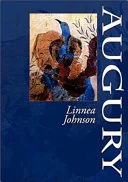
Linnea Johnson’s Augury, from its 2010 debut, presents a poetry that feels both deeply personal and expansively universal. Johnson’s fierce hunger for knowledge and her desire to articulate the immigrant past are palpable on every page. The collection’s strength lies in its remarkable ability to infuse even the most somber reflections, such as mourning, with a vibrant, almost electric, aliveness. One passage that particularly lingers involves the juxtaposition of familial memory with the stark realities of displacement, rendered with unsparing clarity. A notable limitation, however, is that at times the sheer intensity can feel overwhelming, leaving little room for quiet contemplation. The energy radiating from the lines, while a powerful asset, occasionally borders on relentless. Ultimately, Augury offers a poetry of potent emotional and intellectual engagement, a significant voice in contemporary verse.
📝 Description
77
Linnea Johnson's 2010 poetry collection, Augury, uses poetic perception to interpret life's signs.
Augury, published in 2010, is a collection of poems by Linnea Johnson. The work centers on the immigrant experience, a deep appreciation for animals, and the nature of love. Johnson's verses possess a vibrant energy, making complex themes like grief and fairy tales feel immediate. The book is for readers who value poetry that addresses personal and universal subjects with both passion and clarity.
It will resonate with those interested in the connection between personal history and artistic creation. Readers seeking verse that brings everyday moments and significant events to life with heightened vitality will find it appealing. Those drawn to lyrical explorations of memory, empathy, and the animal kingdom will discover echoes within these poems. Johnson's approach aligns with a 21st-century literary focus on authenticity and lived experience.
While not strictly divinatory, the collection engages with 'augury' as a poetic practice of discerning and interpreting signs within everyday life. Johnson views poetry as a means to intensify one's perception of reality, connecting the immigrant's experience of past and present. The poems imbue memories with palpable energy and celebrate the natural world, especially animals, and romantic love as vital forces. This approach echoes traditions that see artistic creation as a way to access deeper truths or heightened awareness.
💡 Why Read This Book?
• Gain a unique perspective on the immigrant experience, understanding how memory and displacement are poetically rendered through Johnson's vivid imagery, as seen in poems exploring familial histories. • Experience poetry that amplifies emotional resonance, making abstract concepts like love and grief feel intensely immediate and alive, a technique exemplified in passages about animal empathy. • Discover a collection that celebrates the interconnectedness of life, from the natural world to personal relationships, offering a passionate quest for knowledge and understanding in its verses.
⭐ Reader Reviews
Honest opinions from readers who have explored this book.
❓ Frequently Asked Questions
What is the primary focus of Linnea Johnson's poetry in Augury?
Augury's primary focus is a passionate quest for knowledge, an exploration of the immigrant past, and a profound love for animals and relationships, all rendered with intense vitality.
When was Augury first published?
Augury by Linnea Johnson was first published in 2010.
How does Augury approach the theme of grief?
The collection makes experiences like mourning loved ones feel more intense and alive, infusing them with a palpable energy that transcends simple sadness.
What kind of imagery can readers expect in Augury?
Readers can expect vivid and energetic imagery that brings subjects ranging from fairy tales to personal history to life with heightened sensory detail.
Is Augury considered a collection of traditional or contemporary poetry?
While published in 2010, Augury engages with contemporary themes of identity and lived experience through a lyrical and emotionally direct style.
Who praised Augury upon its release?
Adrienne Su provided an early endorsement, noting the poems' passion for knowledge, their engagement with the immigrant past, and their capacity to make life experiences more intense.
🔮 Key Themes & Symbolism
The Immigrant Past
Augury frequently turns to the immigrant experience as a central wellspring of poetic exploration. Johnson’s work seeks to envision this past not as a static historical record, but as a living, breathing entity that continues to shape present realities. The poems convey a deep connection to ancestral narratives and the complexities of displacement, imbuing these themes with a visceral energy that makes them intensely felt by the reader. This engagement with personal and collective history serves as a powerful lens for understanding identity and belonging.
Love and Connection
The collection exhibits a profound and many-sided love – for animals, for human connection, and for the very act of loving. This is not a sentimental portrayal, but one imbued with passion and a hunger for understanding. Johnson captures the intensity of these bonds, showing how love, in its various forms, can animate existence and imbue everyday moments with extraordinary significance. The poems suggest that love is a vital force, capable of making life, even in its more challenging aspects, feel more fully realized and intensely alive.
Heightened Perception
A core tenet of Augury is the idea that poetry can sharpen our perception of the world, making all experiences more vivid. Whether contemplating the loss of loved ones or revisiting the imaginative landscapes of fairy tales, Johnson’s verses aim to amplify the reader’s emotional and sensory engagement. This heightened state of awareness is presented as a gift of poetry, a way to access a deeper, more immediate reality. The collection champions the notion that life’s events, when viewed through a poetic lens, possess an inherent intensity waiting to be uncovered.
The Animal Kingdom
Johnson’s deep affection for animals serves as a recurring motif and a source of profound connection within Augury. These poems often explore the non-human world not merely as background, but as integral to the fabric of existence and a mirror to human experience. The portrayal of animals is imbued with respect and a keen observational eye, highlighting their vitality and their unique place in the range of life. This love for creatures great and small contributes to the collection's overall theme of intense, life-affirming connection.
💬 Memorable Quotes
Direct passages from the work, attributed to the author.
“passionate in their hunger for knowledge”
— This phrase from Adrienne Su's blurb highlights the collection's intellectual drive and its active pursuit of understanding, suggesting the poems are not passive observations but engaged inquiries into life.
“their quest to envision the immigrant past”
— This points to the collection's thematic focus on heritage and migration, framing the poetic act as a deliberate effort to reconstruct and understand ancestral experiences.
“They radiate the energy of a full life.”
— This captures the dynamic and vibrant quality of the poetry, suggesting it is imbued with a powerful, life-affirming force that emanates from the verses themselves.
“makes everything... more intense and alive”
— This speaks to the poems' effect on the reader, indicating that they possess the power to heighten one's perception and emotional engagement with all aspects of existence.
💡 Key Ideas
Editorial paraphrase of the work's core concepts — not direct quotes.
their love of animals, and their love of love
This concisely summarizes two major thematic pillars: a deep empathy for the natural world and a celebration of romantic and interpersonal connection.
🌙 Esoteric Significance
Tradition
While Augury is not explicitly a text of a specific esoteric tradition like Hermeticism or Kabbalah, its thematic concerns resonate with broader spiritual and metaphysical inquiries. The 'augury' in the title, though used metaphorically for poetic insight, touches upon ancient practices of divination and seeking meaning in signs. The collection's intense focus on life force, connection, and heightened perception aligns with vitalist philosophies and certain interpretations of animism, where the world is seen as imbued with spirit and interconnectedness.
Symbolism
The 'immigrant past' functions symbolically as a source of profound memory and identity, representing both roots and displacement. Animals, frequently appearing, symbolize instinct, natural wisdom, and pure being, offering a counterpoint to complex human emotions. The concept of 'love' itself acts as a potent symbol for connection, vitality, and the driving force of existence, a fundamental energy that permeates and animates the world described in the poems.
Modern Relevance
Contemporary practitioners of ecopsychology and nature-based spirituality might draw parallels with Johnson's deep engagement with the animal kingdom and her sense of life's inherent energy. Furthermore, writers and thinkers exploring diaspora studies and the poetics of memory find value in her approach to the immigrant experience. The collection's emphasis on emotional intensity and finding aliveness in all experiences speaks to modern mindfulness practices and therapeutic approaches that seek to deepen present-moment awareness.
👥 Who Should Read This Book
• Readers interested in contemporary poetry that directly confronts personal and historical narratives, particularly those exploring the immigrant experience and its emotional landscapes. • Individuals seeking verse that amplifies emotional states, making experiences like grief and love feel intensely immediate and profoundly alive through vivid imagery and passionate language. • Those who appreciate poetry celebrating the natural world and the deep connections possible between humans and animals, finding resonance in themes of empathy and vitalism.
📜 Historical Context
Linnea Johnson's Augury, released in 2010, entered the literary landscape during a period where poets were increasingly exploring personal narratives and the complexities of identity. The early 21st century saw a surge in works grappling with themes of migration, diaspora, and memory, exemplified by writers like Valeria Luiselli and Viet Thanh Nguyen, though often in prose. In poetry, figures like Claudia Rankine were using innovative forms to address race and experience. Johnson's work, while perhaps less overtly experimental than some contemporaries, contributed to this vein of deeply felt, experience-driven verse. The collection's focus on the immigrant past and its passionate articulation of emotion aligns with a broader post-millennial literary trend toward authenticity and lived experience, moving away from purely abstract or postmodern concerns that dominated earlier decades.
📔 Journal Prompts
The immigrant past as a source of present-day vitality.
Animals as conduits for pure being and instinct.
The energetic charge of love in personal relationships.
Revisiting childhood fairy tales through an adult, intense lens.
Poetic augury: discerning meaning in everyday signs.
🗂️ Glossary
Augury
In its classical sense, the practice of interpreting omens from divine signs; in this collection, it metaphorically represents the poetic act of perceiving and understanding life's deeper meanings and energies.
Immigrant Past
Refers to the historical and personal experiences related to migration, displacement, and the formation of identity across different cultural landscapes, a key theme explored in the poems.
Vitality
The quality of being full of energy and life; a central theme in Augury, describing how the poems imbue experiences with intense aliveness and vibrancy.
Empathy
The ability to understand and share the feelings of another; particularly evident in the poems' connection to animals and human relationships.
Heightened Perception
An intensified state of awareness and emotional engagement with the world, a quality the poems aim to evoke in the reader.
Love
Explored not just romantically, but as a fundamental, passionate force that animates life, connects beings, and drives understanding.
Fairy Tales
Used as a symbolic landscape for exploring memory, imagination, and intense emotional experiences, making them feel more immediate.
This book appears in 1 collection
🔮 Readers Also Liked
Browse all →









From the “Augury” Collection
View all →






More Free Occult Philosophy Books
View all →