Astrology for Beginners
 75
75

Astrology for Beginners
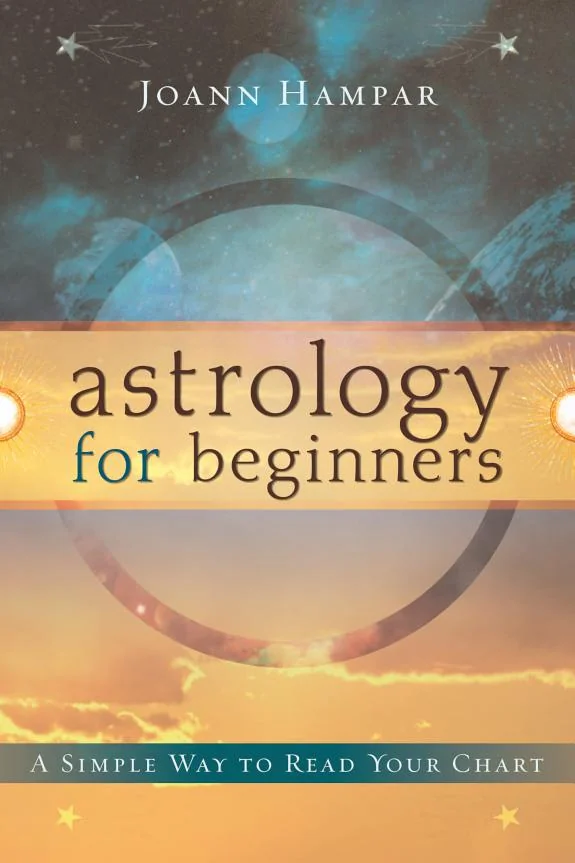
Joann Hampar's Astrology for Beginners tackles the daunting task of demystifying natal chart interpretation with a clear, methodical approach. The book's strength lies in its structured presentation; Hampar doesn't shy away from explaining the interplay between planets, signs, and houses, using celebrity charts as illustrative case studies. This practical application helps ground abstract astrological concepts. However, while aiming for accessibility, the sheer volume of information can sometimes feel dense for absolute novices. The reliance on celebrity examples, while helpful for demonstration, might occasionally distract from the deeply personal nature of one's own chart. A particularly effective passage details the significations of the lunar nodes, offering a tangible entry point into understanding karmic patterns. Hampar's work serves as a competent, if not revolutionary, primer for the aspiring astrologer.
Verdict: A functional, if somewhat conventional, introduction to natal chart analysis.
📝 Description
75
Joann Hampar's 2007 book explains natal chart interpretation beyond sun signs.
Astrology for Beginners, written by Joann Hampar, serves as an introduction to natal chart analysis. First published in 2007, the book breaks down the essential elements of an astrological chart: planets, signs, houses, and their connections. It moves past basic sun sign astrology to detail how these components work together. The author's aim is to give readers the ability to interpret their own birth charts and those of others.
This guide is intended for people new to astrology who want a clear method for reading charts. It appeals to those interested in how celestial patterns might map out personal life directions. The book's accessible style makes it suitable for anyone seeking greater self-understanding through astrological symbols or wanting to better comprehend friends and family.
Published in 2007, Astrology for Beginners arrived during a resurgence of interest in esoteric subjects and personal growth. This period followed the main 'New Age' movement. Hampar's work entered a crowded field of introductory astrology books. It followed influential authors and traditions stretching back to Hellenistic Greece. Hampar focused on practical chart readings, sometimes using celebrity examples, to offer a modern and approachable guide within this long history.
💡 Why Read This Book?
• Learn to identify and interpret the twelve astrological houses, understanding how specific areas of life (like career or relationships) are signified in your birth chart, as detailed in the book's house system explanations. • Gain insight into the symbolic language of the planets, moving beyond basic archetypes to grasp their specific manifestations within your unique celestial map, as presented in the planetary sections. • Understand the practical application of astrological principles by analyzing celebrity charts, enabling you to recognize patterns and translate them to your own life path as demonstrated by Hampar.
⭐ Reader Reviews
Honest opinions from readers who have explored this book.
❓ Frequently Asked Questions
What is the primary goal of Joann Hampar's Astrology for Beginners?
The book aims to provide beginners with a comprehensive understanding of natal chart interpretation. It covers major astrological facets like planets, signs, and houses, using celebrity charts to illustrate concepts and help readers understand their own life paths.
When was Astrology for Beginners first published?
Astrology for Beginners was first published in 2007, positioning it as a contemporary guide to astrological principles during a period of significant interest in esoteric studies.
Does the book only cover sun signs?
No, the book goes beyond simple sun sign astrology. It delves into the interpretation of the entire birth chart, including the complex interplay of planets, zodiac signs, and astrological houses.
Are there examples used in the book?
Yes, the book utilizes chart patterns of well-known celebrities as examples. This is intended to help readers better understand the concepts and apply them to their own astrological charts.
What kind of insight can readers expect to gain?
Readers can expect to gain insight into themselves and their loved ones by learning astrology's symbolic language. The book teaches the basics of chart interpretation, revealing personal life paths and potentials.
Who is the author of Astrology for Beginners?
The author is Joann Hampar, a professional astrologer who brings her expertise to this introductory text. Her aim is to make astrological concepts accessible to a wider audience.
🔮 Key Themes & Symbolism
Natal Chart Components
This theme focuses on the fundamental building blocks of an astrological chart: the planets (e.g., Sun, Moon, Mercury), the twelve zodiac signs (e.g., Aries, Taurus), and the twelve houses (e.g., 1st House, 7th House). Hampar explains how each element contributes to the overall astrological portrait. Understanding these components is presented as the essential first step in decoding an individual's unique celestial blueprint and potential life experiences as mapped at birth.
Chart Interpretation Techniques
The book emphasizes the practical application of astrological knowledge through chart interpretation. It moves beyond simply listing meanings to explaining how these elements interact. Techniques for analyzing patterns, aspects (angles between planets), and the overall configuration of a chart are discussed. The use of celebrity examples serves to demonstrate these interpretation methods, making them tangible for learners.
Personal Life Path
A central tenet explored is how the birth chart reflects an individual's destiny, potential, and inherent tendencies. The work suggests that by understanding the symbolic language of astrology, one can gain profound self-awareness and clarity regarding their unique journey. This includes understanding innate talents, challenges, relationship dynamics, and career inclinations as indicated by celestial placements.
Astrological Symbolism
This theme addresses the symbolic language inherent in astrology. Hampar guides readers through the archetypal meanings of celestial bodies and zodiacal energies. The book presents astrology not as a deterministic system, but as a symbolic map that offers insights into human psychology and experience. Learning this language is framed as unlocking a deeper understanding of oneself and the cosmos.
💬 Memorable Quotes
Direct passages from the work, attributed to the author.
“The birth chart is a map of your life path.”
— This core concept frames astrology as a navigational tool. It suggests that the celestial arrangement at the moment of birth provides symbolic indicators of an individual's potential, challenges, and overall journey through life.
“Celebrity charts help illustrate astrological principles.”
— Hampar uses public figures' astrological data to demonstrate how abstract concepts manifest in real-world scenarios. This pedagogical approach aims to make the complexities of chart reading more concrete and relatable for beginners.
“Every major facet of your astrological chart holds significance.”
— This highlights the holistic nature of astrological interpretation. It implies that no single element (like just the Sun sign) is sufficient; rather, the interplay of planets, signs, and houses collectively shapes the individual's portrait.
“Astrology's unique language of symbols is revealed.”
— This points to the symbolic, rather than literal, nature of astrological interpretation. The book's purpose is to introduce readers to this symbolic lexicon, enabling them to decode the meanings embedded within a birth chart.
“Gain insight into yourself and your loved ones.”
— This expresses the practical, interpersonal benefit of studying astrology. By understanding astrological principles, readers are encouraged to develop a deeper comprehension of their own motivations and the dynamics within their relationships.
🌙 Esoteric Significance
Tradition
Astrology for Beginners aligns with the Western Esoteric tradition, specifically drawing from Hellenistic and later developments in psychological astrology. While not explicitly tied to a single lineage like Hermeticism or Kabbalah, it operates within the broader framework of celestial divination as a tool for self-understanding and mapping human potential. The work adapts classical astrological principles for a modern audience seeking practical application rather than adherence to strict historical ritual or magical practices.
Symbolism
Key symbols explored include the twelve zodiac signs (e.g., the Ram for Aries, the Bull for Taurus) representing archetypal energies, and the planets (e.g., Mercury as the messenger, Venus as love) functioning as dynamic forces within the chart. The book also details the twelve houses, which symbolize specific arenas of life experience, from the self (1st House) to partnerships (7th House) and spiritual matters (12th House).
Modern Relevance
This work remains relevant for contemporary practitioners and enthusiasts exploring psychological and self-discovery-oriented astrology. Modern online astrology communities, apps, and content creators often build upon the foundational principles Hampar outlines. Thinkers and practitioners focusing on natal chart analysis for personal growth, career counseling, and relationship insights continue to find value in such accessible introductions.
👥 Who Should Read This Book
• Aspiring astrologers seeking a structured, step-by-step guide to understanding their natal chart and the charts of others. • Individuals interested in self-exploration and personal development who want to utilize astrological symbolism as a framework for self-awareness. • Curious individuals looking for a practical introduction to Western astrology that moves beyond basic sun-sign horoscopes to explore chart interpretation.
📜 Historical Context
Joann Hampar's Astrology for Beginners, published in 2007, arrived during a significant period for esoteric literature. The early 21st century saw a continued surge in popular interest in astrology, often intersecting with self-help and personal growth movements. The work entered a landscape already populated by established astrological authors like Liz Greene, whose psychological approach to astrology had gained considerable traction throughout the late 20th century. Hampar's book distinguishes itself by focusing on a straightforward, beginner-friendly explanation of chart interpretation, including practical examples. Unlike more academic or deeply psychological astrological texts, it aimed for broad accessibility. The reception of such books in 2007 generally reflected a growing demand for accessible spiritual and self-discovery tools, with many popular astrology guides finding dedicated audiences online and in bookstores.
📔 Journal Prompts
The significance of the Ascendant in your birth chart.
How the placement of Mars in your chart influences your actions.
Reflecting on the meaning of the 10th House for your career path.
The Moon's role in expressing your emotional needs.
Interpreting the relationship between your Sun and Moon signs.
🗂️ Glossary
Natal Chart
A snapshot of the positions of the planets and celestial bodies at the exact moment and location of a person's birth, used as a basis for astrological interpretation.
Planet
In astrology, celestial bodies like the Sun, Moon, Mercury, Venus, Mars, Jupiter, Saturn, Uranus, Neptune, and Pluto, each representing distinct energies and functions within a birth chart.
Zodiac Sign
One of the twelve divisions of the ecliptic (the Sun's apparent path), each characterized by a specific set of symbolic meanings and archetypes (e.g., Aries, Taurus, Gemini).
House
One of the twelve divisions of the celestial sphere, typically based on the time and location of birth, representing different areas of life experience (e.g., self, finances, communication).
Aspect
The angular relationship between two or more planets in a birth chart, believed to indicate how their energies interact and express themselves.
Ascendant (Rising Sign)
The zodiac sign that was rising on the eastern horizon at the moment of birth; it represents outward personality, appearance, and initial approach to life.
Midheaven (MC)
The highest point in the astrological chart, representing career, public image, and ultimate aspirations.
This book appears in 1 collection
🔮 Readers Also Liked
Browse all →








From the “Natal Astrology” Collection
View all →









More Free Astrology & Cosmology Books
View all →