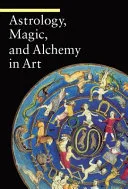
Astrology, Magic, and Alchemy in Art
 83
83

Astrology, Magic, and Alchemy in Art
Matilde Battistini's "Astrology, Magic, and Alchemy in Art" offers a richly illustrated and scholarly exploration of how occult sciences permeated Western artistic production. Its strength lies in its detailed analysis of specific artworks, such as the allegorical representations of the planets or the visual metaphors derived from alchemical symbolism. For instance, the depiction of the zodiac in Renaissance frescoes is treated with a depth that reveals its astrological underpinnings. A notable limitation, however, is the book's dense academic prose, which may present a barrier for casual readers not already steeped in art history or esoteric studies. The section detailing the transformation of Icarus and Daedalus into symbols of alchemical aspiration is particularly illuminating, showcasing Battistini's ability to connect myth with esoteric practice. Ultimately, this is a crucial resource for serious researchers into the iconography of magic and astrology in art.
📝 Description
83
Matilde Battistini's 2007 book traces occult traditions in Western art from antiquity to the Enlightenment.
This volume examines the deep connection between astrology, magic, and alchemy and Western art, spanning from ancient times to the Enlightenment. It shows how these esoteric systems, especially after the Middle Ages' rediscovery of Arab philosophers and late antique texts, provided rich visual material for artists. The book places this imagery within its historical setting, noting how these practices were part of intellectual and artistic life before the scientific revolution. It highlights a time when understanding the cosmos and human destiny was tied to astrology, magic, and philosophy.
The work details concepts such as the effect of celestial bodies on earth, the symbolic changes in alchemy, and the use of celestial powers in magic. These ideas appear as visual elements, allegorical figures, and stories in paintings, sculptures, and other art forms. It is a resource for those interested in the symbolic language of historical art that uses astrological charts, alchemical metaphors, and magical ideas.
Matilde Battistini's work fits within the study of how esoteric traditions shaped Western culture and art. It focuses on the period when astrology, alchemy, and various forms of magic were not fringe beliefs but were interwoven with philosophy and science. The book demonstrates their visual manifestation in art, moving beyond purely historical accounts to show their conceptual impact on creators and thinkers before the rise of modern scientific thought. This approach connects artistic output to a worldview that saw correspondences between the celestial, terrestrial, and spiritual.
💡 Why Read This Book?
• Gain a nuanced understanding of how astrological charts and celestial bodies informed Renaissance painting, moving beyond superficial decoration to grasp their symbolic weight. • Explore the visual language of alchemy as depicted in art, learning to identify motifs like the philosopher's stone or the symbolic colors associated with transmutation. • Discover how magical beliefs, including those related to planetary influences and esoteric rituals, shaped allegorical figures and narrative scenes presented in artworks from antiquity to the Enlightenment.
⭐ Reader Reviews
Honest opinions from readers who have explored this book.
❓ Frequently Asked Questions
What is the primary focus of "Astrology, Magic, and Alchemy in Art"?
The book focuses on how astrology, magic, and alchemy served as significant sources of inspiration for Western artists from antiquity through the Enlightenment, analyzing their depiction in art.
Who is the author of "Astrology, Magic, and Alchemy in Art"?
The author is Matilde Battistini, and the book was first published in 2007 as part of the popular Guide to Imagery series.
What historical periods does the book cover regarding occult influences on art?
It covers the period from antiquity up to the Enlightenment, detailing the transmission and evolution of these ideas and their artistic representation.
What specific occult traditions are explored in relation to art?
The book explores astrology, magic, and alchemy, examining their integration into Western thought and their subsequent visual manifestations in art.
How did exposure to Arab philosophers and late antique writings impact Western art?
This exposure during the Middle Ages enriched Western art by introducing astrological beliefs from Arab philosophers and mystical writings from late antiquity, providing new symbolic and thematic material.
Is "Astrology, Magic, and Alchemy in Art" suitable for beginners?
While comprehensive, the book's academic depth may be best suited for those with some background in art history or esoteric studies seeking detailed analysis.
🔮 Key Themes & Symbolism
Astrological Iconography
This theme looks at how celestial bodies, zodiac signs, and planetary influences were visually represented in Western art. It examines how artists translated complex astrological concepts into allegorical figures and symbolic arrangements, reflecting a worldview where the cosmos directly impacted human destiny. The book explores specific examples, showing how the understanding of constellations and planetary spheres informed compositions, from ancient murals to Renaissance paintings, integrating astronomical observation with artistic expression.
Alchemical Symbolism
The book investigates the visual language of alchemy, a tradition focused on transformation and the pursuit of the philosopher's stone. It deciphers the complex allegories, symbols, and color symbolism used by alchemists to describe their processes and philosophical quests. Battistini illustrates how these alchemical motifs, such as the ouroboros, the hermaphrodite, or the stages of calcination and dissolution, were subtly or overtly incorporated into artworks, serving as metaphors for spiritual purification and cosmic renewal.
Magical Practices in Art
This theme addresses the artistic manifestations of magical beliefs and practices prevalent before the Enlightenment. It includes the depiction of rituals, magical instruments, and figures associated with occult knowledge. The work analyzes how art served to document, symbolize, or even invoke magical forces, reflecting a period where the boundaries between natural philosophy, religion, and magic were fluid, and how these visual representations offered insights into the era's understanding of hidden powers.
Transmission of Esoteric Knowledge
The book traces the historical pathways through which astrological, magical, and alchemical ideas were transmitted and assimilated into Western culture and art. It highlights the crucial role of translations from Arabic and the preservation of ancient texts during the Middle Ages. Battistini shows how these traditions provided a rich symbolic lexicon that artists drew upon, shaping the visual culture and intellectual field of subsequent centuries, particularly during the Renaissance.
💬 Memorable Quotes
Direct passages from the work, attributed to the author.
“Astrology, magic, and alchemy were considered important tools to unravel the mysteries of nature and human destiny.”
— This statement captures the foundational premise of the book: that these disciplines were not fringe beliefs but integral methods for understanding the cosmos and one's place within it during the covered historical periods.
“Occult traditions became rich sources of inspiration for Western artists.”
— This highlights the central thesis of the book, emphasizing that artistic creation was profoundly influenced by esoteric thought, leading to a complex symbolic language embedded within visual art.
“The author presents a careful analysis of occult iconography.”
— This points to the book's methodology, indicating a scholarly and detailed examination of the visual symbols and motifs derived from occult traditions found in artworks.
“The exposure during the Middle Ages to Arab philosophers and mystical writings enriched Western artistic vocabulary.”
— This interpretation emphasizes the cross-cultural exchange and the significant impact of external intellectual traditions on the development of visual symbolism in Western art during the medieval period.
💡 Key Ideas
Editorial paraphrase of the work's core concepts — not direct quotes.
From antiquity to the Enlightenment, these disciplines offered frameworks for interpreting the world.
This paraphrased concept suggests that the book explores how astrology, magic, and alchemy provided coherent systems for understanding reality across a vast sweep of Western history.
🌙 Esoteric Significance
Tradition
This work primarily engages with the Western Esoteric Tradition, specifically Hermeticism, Neoplatonism, and their medieval and Renaissance manifestations. It positions astrology, magic, and alchemy as interconnected disciplines within this lineage, viewing them as methods for understanding divine order and human potential. Battistini's analysis aligns with scholarship that sees these practices not as mere superstition but as philosophical systems aimed at cosmic knowledge and transformation, fitting within a tradition that seeks hidden correspondences between the microcosm and macrocosm.
Symbolism
Key symbols explored include planetary personifications (e.g., Jupiter as benefic, Mars as malefic), which were crucial for astrological interpretation and artistic allegory. Alchemical symbols like the 'prima materia,' the 'coniunctio oppositorum' (union of opposites), and the stages of the Great Work (nigredo, albedo, rubedo) are analyzed as visual metaphors for spiritual development. The book also touches upon magical symbols and sigils, representing attempts to harness celestial or spiritual energies, demonstrating how these motifs permeated artistic representation.
Modern Relevance
Contemporary practitioners of Western esoteric traditions, including ceremonial magicians, astrologers, and psychological alchemists (following Jungian archetypes), find Battistini's work important for understanding the historical roots and symbolic depth of their practices. Scholars of comparative religion and cultural history also draw on its insights to trace the enduring influence of these ancient systems on modern thought and art, recognizing how themes of transformation, celestial influence, and hidden knowledge continue to manifest in contemporary culture and spiritual movements.
👥 Who Should Read This Book
• Art historians and students seeking to deepen their understanding of iconographic symbolism, particularly in pre-Enlightenment European art. • Students and practitioners of Western Esotericism interested in the historical visual manifestations of astrology, alchemy, and magic. • Researchers in comparative mythology and religious studies looking to explore the intersection of belief systems and artistic expression across different eras.
📜 Historical Context
Matilde Battistini's work emerges from a scholarly environment increasingly interested in the history of science and esotericism, particularly following the foundational studies of Frances Yates on Renaissance hermeticism. Published in 2007, it engages with the legacy of the Middle Ages, a period marked by the transmission of Greek, Roman, and Arab knowledge, including astrological treatises and alchemical texts, into Western Europe. This period saw figures like Albertus Magnus engaging with natural philosophy and occult sciences. Battistini's analysis situates these traditions not as superstitions but as integral components of intellectual life, often intertwined with theology and philosophy, until the rise of empirical science began to marginalize them. The book implicitly contrasts this integrated worldview with later Cartesian dualism and the burgeoning scientific revolution, which would increasingly separate reason from mystical insight.
📔 Journal Prompts
The visual representation of celestial spheres and their supposed influence.
Alchemical allegory and its artistic interpretations.
The interplay between magical beliefs and visual motifs in historical artworks.
The concept of the 'microcosm' and 'macrocosm' in art.
The symbolism of planetary deities in Renaissance painting.
🗂️ Glossary
Alchemy
An ancient tradition focused on the transformation of matter, often seeking to convert base metals into gold and discover the elixir of life, but also encompassing profound spiritual and philosophical symbolism of purification and perfection.
Astrology
The study of the movements and relative positions of celestial bodies interpreted as having an influence on human affairs and the natural world, forming a complex system of divination and understanding cosmic order.
Enlightenment
An 18th-century intellectual and philosophical movement emphasizing reason, individualism, and skepticism towards traditional authority, which marked a shift in the perception of occult sciences.
Iconography
The study and interpretation of the visual images and symbols used in a work of art, including their meaning within their historical and cultural context.
Magic
The practice of alleged supernatural phenomena, often involving rituals, spells, and the invocation of forces believed to influence events or reality, viewed historically as a way to understand and manipulate the cosmos.
Occult
Relating to supernatural, mystical, or magical powers, practices, or phenomena; knowledge that is hidden or secret, often associated with esoteric traditions.
Philosopher's Stone
A legendary alchemical substance said to be capable of turning base metals into gold or silver and to produce an elixir of immortality; symbolizes ultimate transformation and perfection.