Annus Sophiæ jubilæus, The sophick constitution, or, The evil customs of the world reform'd

 61
61

Annus Sophiæ jubilæus, The sophick constitution, or, The evil customs of the world reform'd

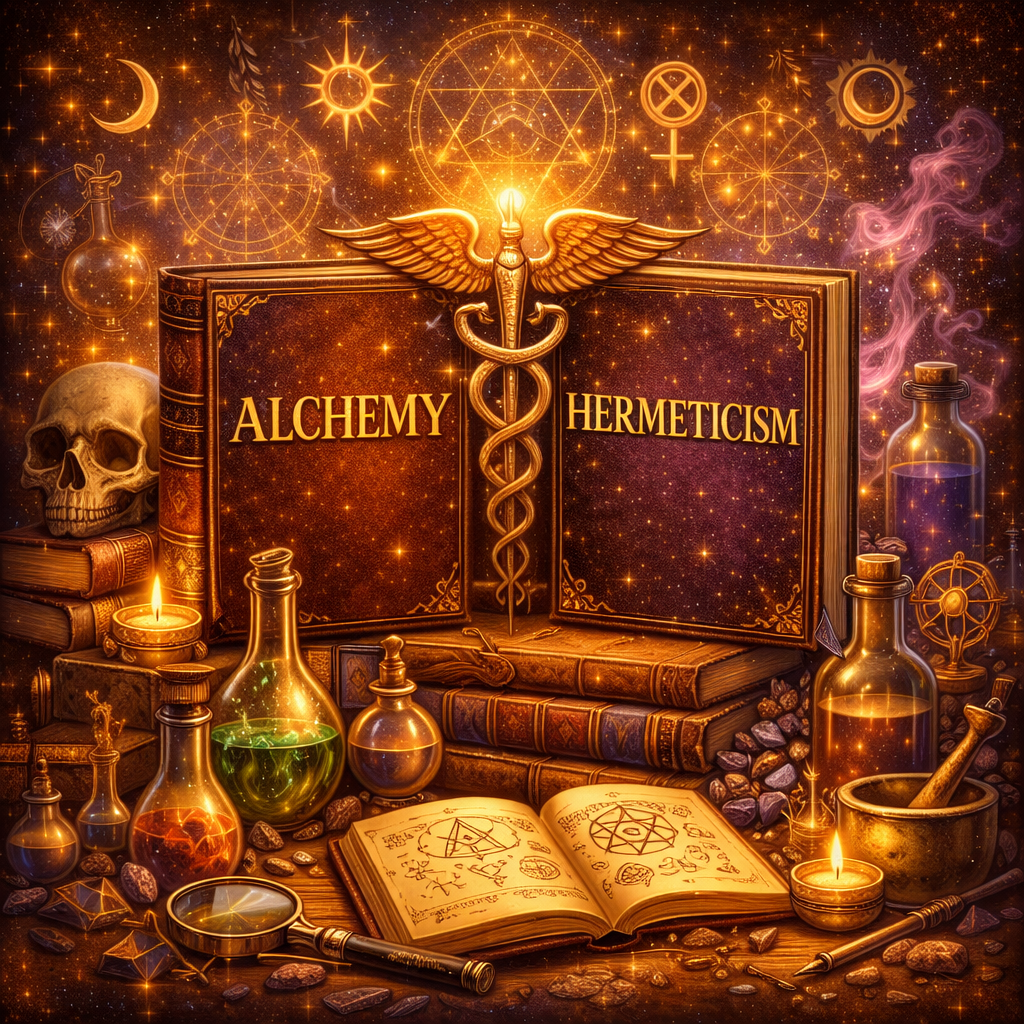

In 'Annus Sophiæ Jubilæus: The Sophick Constitution,' the anonymous author presents a captivating exploration of alchemical principles and their application to reforming societal ills. This work stands out for its rich symbolism and esoteric insights, making it a valuable resource for those interested in the mystical arts. The text's strength lies in its ability to blend philosophical depth with practical alchemical wisdom, offering readers a comprehensive guide to the transformative power of the alchemist's craft. While the intended audience is primarily scholars and practitioners of alchemy, the book's broader themes of reform and spiritual enlightenment make it accessible to a wider readership.
📝 Description
61
Published anonymously in the 17th century, 'Annus Sophiæ Jubilæus' critiques worldly corruption through an alchemical framework.
This text, 'The Sophick Constitution, or, The Evil Customs of the World Reform'd,' presents an alchemical perspective on societal and personal reform. The author, whose identity remains unknown, uses alchemical symbolism and philosophy to address what they perceived as the world's corrupt practices. The work suggests a path to spiritual and material transformation through the understanding and application of sophick principles. It speaks to the alchemical goal of perfecting both the self and the external world, framing this process as a necessary 'reformation.' The language and concepts employed are rooted in the hermetic traditions prevalent during the time of its writing, offering a unique window into early modern esoteric thought.
Appearing in the 17th century, 'Annus Sophiæ Jubilæus' belongs to the hermetic and alchemical literature that flourished during that period. This era saw a continued interest in the philosophical and spiritual dimensions of alchemy, moving beyond purely material transmutation. The text likely engages with concepts of the 'sophick' fire or spirit, a key element in alchemical theory for purification and transformation. It reflects a broader trend of esoteric writings that sought to reconcile religious, philosophical, and naturalistic inquiries, often couched in allegorical language and symbolic systems.
💡 Why Read This Book?
Read 'Annus Sophiæ Jubilæus' to gain profound insights into the mystical world of alchemy and its potential to reform societal customs. This book is ideal for seekers of hidden knowledge, scholars of esoteric traditions, and practitioners of the hermetic arts. It offers a unique blend of philosophical depth and practical alchemical wisdom, making it an invaluable resource for those seeking spiritual enlightenment and transformation.
⭐ Reader Reviews
Honest opinions from readers who have explored this book.
❓ Frequently Asked Questions
What is the main theme of 'Annus Sophiæ Jubilæus'?
The main theme revolves around the reform of evil customs through alchemical principles and spiritual enlightenment.
Who is the intended audience for this book?
The book is intended for scholars, practitioners of alchemy, and spiritual seekers interested in the mystical and esoteric arts.
What makes this text significant in the realm of alchemy?
Its significance lies in its blend of philosophical depth and practical alchemical wisdom, offering a unique perspective on reforming societal ills.
Is this book suitable for beginners in alchemy?
While it is accessible to a wider audience, beginners may find it more beneficial to have some prior knowledge of alchemical principles.
What historical context does 'Annus Sophiæ Jubilæus' provide?
The text was written in the 17th century, a time of significant alchemical exploration and philosophical inquiry.
🔮 Key Themes & Symbolism
Alchemical Transformation
The book examines the alchemical process of transformation, both on a personal and societal level. It explores how the principles of alchemy can be applied to reform evil customs and achieve spiritual enlightenment. The text is rich in symbolism, inviting readers to contemplate the deeper meanings behind the alchemist's craft.
Spiritual Enlightenment
Spiritual enlightenment is a central theme, with the author emphasizing the need for inner transformation as a means to reform the world. The text offers insights into the mystical path of the alchemist, guiding readers towards a deeper understanding of their spiritual journey.
Reforming Evil Customs
The reform of evil customs is a recurring motif, with the author presenting alchemy as a tool for societal change. The book encourages readers to reflect on the negative patterns in their lives and society, offering alchemical wisdom as a means to achieve positive transformation.
💬 Memorable Quotes
Direct passages from the work, attributed to the author.
“In the crucible of the world, evil customs are melted down and reformed.”
— The text emphasizes the alchemist's role in reforming societal ills, using the crucible as a symbol of transformation.
“The philosopher's stone is the key to unlocking the mysteries of the universe.”
— The philosopher's stone is a central symbol in alchemy, representing the ultimate goal of spiritual enlightenment and transformation.
💡 Key Ideas
Editorial paraphrase of the work's core concepts — not direct quotes.
The alchemist's fire burns away the dross of the soul, revealing the pure gold within.
This passage highlights the transformative power of alchemy, symbolizing the purification of the soul.
The seeker of truth must journey through the dark night of the soul to find enlightenment.
This quote underscores the mystical path of the alchemist, emphasizing the need for inner struggle and transformation.
The alchemist's wisdom is hidden in plain sight, waiting to be discovered by those who seek it.
This passage emphasizes the esoteric nature of alchemy, inviting readers to uncover the hidden knowledge within the text.
🌙 Esoteric Significance
Tradition
This book belongs to the Hermetic tradition of alchemy, which emphasizes the mystical and esoteric aspects of the alchemist's craft. It draws on ancient wisdom and symbolism to guide readers towards spiritual enlightenment and transformation.
Symbolism
Key symbols include the philosopher's stone, the crucible, and the alchemist's fire. These symbols represent the transformative process of alchemy, both on a personal and societal level. The text invites readers to contemplate the deeper meanings behind these symbols, offering insights into the mystical path of the alchemist.
Modern Relevance
Today, this book continues to inspire modern practitioners of alchemy and those interested in the mystical arts. Its emphasis on reforming evil customs through spiritual enlightenment speaks to contemporary concerns about societal transformation and personal growth.
👥 Who Should Read This Book
Beginners in alchemy may find the text challenging but rewarding, as it offers a comprehensive introduction to the mystical and esoteric aspects of the alchemist's craft. Scholars of esoteric traditions will appreciate the philosophical depth and historical context provided in the book. Spiritual seekers will find inspiration in the text's emphasis on inner transformation and the reform of evil customs. Practitioners of the hermetic arts will benefit from the practical alchemical wisdom offered in the book, using it as a guide to their own transformative journey.
📜 Historical Context
Written in the 17th century, 'Annus Sophiæ Jubilæus' reflects the alchemical and philosophical inquiries of the era. This period was marked by a fascination with the mystical arts and a desire to understand the deeper mysteries of the universe. The book's emphasis on reforming evil customs through alchemical principles aligns with the broader societal concerns of the time, making it an important contribution to the alchemical literature of the period. Its influence can be seen in subsequent works that explore the transformative power of alchemy.
📔 Journal Prompts
Reflect on the symbolism of the philosopher's stone in your own spiritual journey.
How can the principles of alchemy be applied to reform negative patterns in your life?
Contemplate the role of inner transformation in achieving spiritual enlightenment.
Explore the deeper meanings behind the alchemist's fire and its significance in the transformative process.
Consider the ways in which evil customs can be reformed through alchemical wisdom.
🗂️ Glossary
Philosopher's Stone
A central symbol in alchemy representing the ultimate goal of spiritual enlightenment and transformation.
Crucible
A vessel used in alchemy to melt and transform substances, symbolizing the process of inner purification and change.
Alchemist's Fire
The transformative power of alchemy, burning away the dross of the soul to reveal the pure gold within.
Evil Customs
Negative patterns and behaviors in society that the alchemist seeks to reform through spiritual enlightenment.
Hermetic Tradition
A mystical and esoteric tradition that emphasizes the transformative power of alchemy and the pursuit of hidden knowledge.
This book appears in 3 collections
🔮 Readers Also Liked
Browse all →




From the “Hermeticism” Collection
View all →







More Free Alchemy & Hermeticism Books
View all →