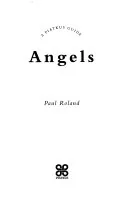
Angels
 71
71

Angels
Paul Roland's "Angels" provides a structured overview of a perennially fascinating subject, navigating the complex terrain of angelic lore with commendable clarity. The book's strength lies in its systematic approach, detailing the hierarchies and functions of angelic beings as understood in diverse traditions. Roland’s discussion of how to engage with Guardian Angels, specifically outlining methods for requesting guidance, offers a practical dimension often missing in purely academic treatments. However, the work occasionally feels more like a compendium than a deeply analytical study. While it presents information about the different angelic choirs, it could benefit from a more critical examination of the origins and evolution of these classifications beyond their scriptural and scholastic roots. A passage detailing the specific attributes and planetary associations of Archangels, for instance, is informative but stops short of exploring the philosophical underpinnings of such correspondences. Ultimately, "Angels" serves as a thorough, accessible introduction for those seeking to understand the nature and perceived roles of these celestial entities.
📝 Description
71
Paul Roland's 1999 book, "Angels," examines celestial beings across religious and esoteric traditions.
Paul Roland's "Angels," published in 1999, offers a detailed look at the entities understood as angels in various religious and occult systems. The book does not shy away from the complexities of these beings, moving past simple descriptions to consider their roles as messengers, intermediaries, and protectors.
It is written for those interested in the spiritual and metaphysical dimensions of angels. Readers will find discussions on the historical and theological roots of angelology, as well as practical considerations for those seeking a personal connection with guardian angels. The work aims to provide value for those looking for inspiration and protection through angelic assistance.
Roland's work sits within a long history of occult and theological thought concerning angelic beings. It traces ideas from early Christian angelology, influenced by Neoplatonic thought, through Renaissance occultism and into more recent spiritual currents. The book acknowledges the variety of interpretations that have developed over centuries, reflecting a continuous human interest in these figures.
💡 Why Read This Book?
• Understand the distinct roles and hierarchies of angelic beings, from the highest Seraphim to personal Guardian Angels, as presented in Roland's 1999 work. • Learn practical techniques for seeking angelic guidance and inspiration, moving beyond theoretical concepts to actionable spiritual practices. • Gain insight into the historical evolution of angelology, tracing how concepts of celestial intermediaries have been understood across different eras and traditions.
⭐ Reader Reviews
Honest opinions from readers who have explored this book.
❓ Frequently Asked Questions
What is the primary focus of Paul Roland's "Angels"?
The book focuses on exploring the purpose, hierarchy, and interaction with angelic beings across various religious and esoteric traditions. It aims to educate readers on how to contact them and receive their guidance.
Does "Angels" by Paul Roland explain how to contact angels?
Yes, the book provides guidance on how to connect with angels, particularly focusing on understanding and communicating with one's Guardian Angel for advice and inspiration.
What historical periods does "Angels" cover regarding angelology?
While the book was first published in 1999, it draws upon centuries of theological and occult discourse, referencing historical interpretations of angels from early religious texts through to more modern esoteric thought.
Is "Angels" by Paul Roland suitable for beginners in esoteric studies?
Yes, the book is written in an accessible manner, making it suitable for those new to esoteric concepts or angelology, while still offering depth for more experienced practitioners.
What are some key angelic concepts discussed in the book?
Key concepts include the angelic choirs or orders, the nature and function of Guardian Angels, and methods for invoking angelic assistance and protection.
When was Paul Roland's "Angels" first published?
The book "Angels" by Paul Roland was first published in 1999.
🔮 Key Themes & Symbolism
Angelic Hierarchy and Orders
Roland systematically outlines the traditional angelic hierarchies, such as the nine choirs described by Pseudo-Dionysius the Areopagite. The work details the distinct roles and natures of beings like Seraphim, Cherubim, Thrones, Dominions, Virtues, Powers, Principalities, Archangels, and Angels. Understanding this structure is presented as fundamental to grasping the divine order and the specific functions each celestial class performs within it. The book emphasizes that this ordered cosmology reflects a divine plan, with each level interacting and influencing the others.
Guardian Angels and Personal Connection
A significant theme is the concept of individual Guardian Angels assigned to protect and guide each human soul. Roland explores the nature of this divine protection, explaining how these angels act as intermediaries, offering subtle inspiration, comfort, and warnings. The book offers insights into how individuals can foster a conscious relationship with their Guardian Angel, learning to recognize their presence and actively request their assistance for everyday challenges and spiritual growth.
Contact and Communication Methods
The work provides practical advice on establishing contact with the angelic realm. It moves beyond passive belief to suggest active engagement, detailing methods for prayer, meditation, and focused intention aimed at receiving angelic communication. Roland addresses how to ask for guidance, inspiration, and protection, framing these requests within a framework of spiritual development and alignment with divine will. The emphasis is on cultivating receptivity to subtle energies and messages.
Love and Divine Advice
Central to Roland's portrayal is the idea that angels embody divine love and offer benevolent advice. The book suggests that understanding and connecting with angels allows individuals to experience this unconditional love directly, fostering emotional well-being and spiritual clarity. This divine counsel is presented as a source of wisdom that can help individuals navigate life's complexities, overcome obstacles, and fulfill their spiritual potential, reflecting a core tenet of many esoteric traditions.
💬 Memorable Quotes
Direct passages from the work, attributed to the author.
“Angels serve as divine messengers and protectors, bridging the gap between humanity and the divine.”
— This statement expresses the core function attributed to angels in many traditions: acting as intermediaries. It highlights their dual role in conveying divine will to humans and safeguarding individuals on their spiritual path.
“Learn how to contact them and experience their love and advice.”
— This highlights the practical, experiential aspect of Roland's work, suggesting that understanding angels is not just theoretical but leads to tangible benefits like emotional support and spiritual direction.
“Find out how our Guardian Angels protect us.”
— This emphasizes a key element of personal relevance for the reader, focusing on the protective aspect of angels and encouraging the reader to understand this specific form of celestial assistance.
“How to ask for guidance and inspiration.”
— This points to the actionable advice within the book, promising readers techniques and frameworks for actively seeking and receiving spiritual and practical direction from angelic sources.
💡 Key Ideas
Editorial paraphrase of the work's core concepts — not direct quotes.
Discover the purpose and hierarchy of angels.
This quote, drawn from the original blurb, points to the book's foundational aim: to systematically map out the celestial structure and understand the assigned roles within that framework.
🌙 Esoteric Significance
Tradition
This work engages primarily with the Abrahamic angelological traditions, particularly as interpreted through Christian scholasticism (e.g., Pseudo-Dionysius) and Kabbalistic frameworks that posit angelic orders. It aligns with Western esoteric lineages that integrate theological concepts with practical spiritual application, aiming to provide a structured understanding of the celestial hierarchy as a pathway to divine connection.
Symbolism
Key symbols include the concept of the 'celestial ladder,' representing the structured hierarchy through which divine energy flows. Wings symbolize the angelic capacity for swift communication and transcendence. Light is a pervasive motif, signifying divine knowledge, purity, and the presence of the sacred, often associated with angelic beings as carriers of divine illumination.
Modern Relevance
Roland's "Angels" continues to inform contemporary spiritual seekers interested in practical angel work. Its structured approach speaks to modern practitioners of ceremonial magic and those exploring angel meditation techniques. It serves as a foundational text for understanding angelic symbolism and correspondences, influencing modern angel card readers and spiritual counselors seeking to integrate traditional lore with contemporary practice.
👥 Who Should Read This Book
• Individuals new to angelology seeking a foundational understanding of angelic hierarchies and their traditional roles. • Spiritual practitioners looking for practical methods to connect with their Guardian Angel for guidance and inspiration. • Students of comparative religion and esotericism interested in the historical development of angel beliefs across different cultures.
📜 Historical Context
Paul Roland's "Angels," published in 1999, emerged during a resurgence of interest in esoteric and spiritual subjects, a trend amplified by the rise of the internet. This period saw a confluence of New Age spirituality, revived occult interests, and a general populace seeking meaning beyond traditional religious structures. Roland's work fits within this milieu, drawing upon established angelological traditions that date back to early Christian theology and Kabbalistic mysticism. Contemporaries like Doreen Virtue were also popularizing angelic concepts, though often with a more New Age, therapeutic focus. Roland's approach, while accessible, engages more directly with historical hierarchies and theological underpinnings, distinguishing it from purely motivational self-help literature. The reception of such works in the late 20th century often occurred outside mainstream academic or religious discourse, finding audiences primarily through specialized bookstores and spiritual communities.
📔 Journal Prompts
The concept of angelic hierarchies: Reflect on the order described in Roland's work and its implications for understanding divine structure.
Guardian Angels: Consider the role of your Guardian Angel as presented in the text and how you might foster a deeper connection.
Angelic communication: Explore the methods for seeking guidance and inspiration suggested in the book and their potential impact.
The nature of angelic love: Ponder how experiencing angelic love, as described by Roland, might influence your perception of the divine.
Intermediary roles: Reflect on the idea of angels as bridges between the human and divine realms, and what this means for spiritual practice.
🗂️ Glossary
Seraphim
The highest order of angels in the traditional hierarchy, often described as beings of pure light and intense love, associated with the throne of God.
Cherubim
The second order of angels, often depicted as guardians of divine knowledge and cosmic order, traditionally associated with wisdom and divine sight.
Thrones
The third order, believed to be responsible for carrying God's divine justice and judgment, often symbolized by divine seats or chariots.
Dominions
Angels who regulate the duties of lower angels and govern the universe, conveying divine commands from the higher orders.
Virtues
Angels associated with miracles and grace, believed to inspire courage and strength in humans and oversee the natural world.
Powers
Angels who battle against evil forces and are responsible for maintaining the cosmic order, often depicted as warrior angels.
Guardian Angel
A specific angel assigned to protect and guide an individual soul throughout their earthly life, acting as a personal celestial companion.
This book appears in 1 collection
🔮 Readers Also Liked
Browse all →








From the “Angels” Collection
View all →




More Free Occult Philosophy Books
View all →