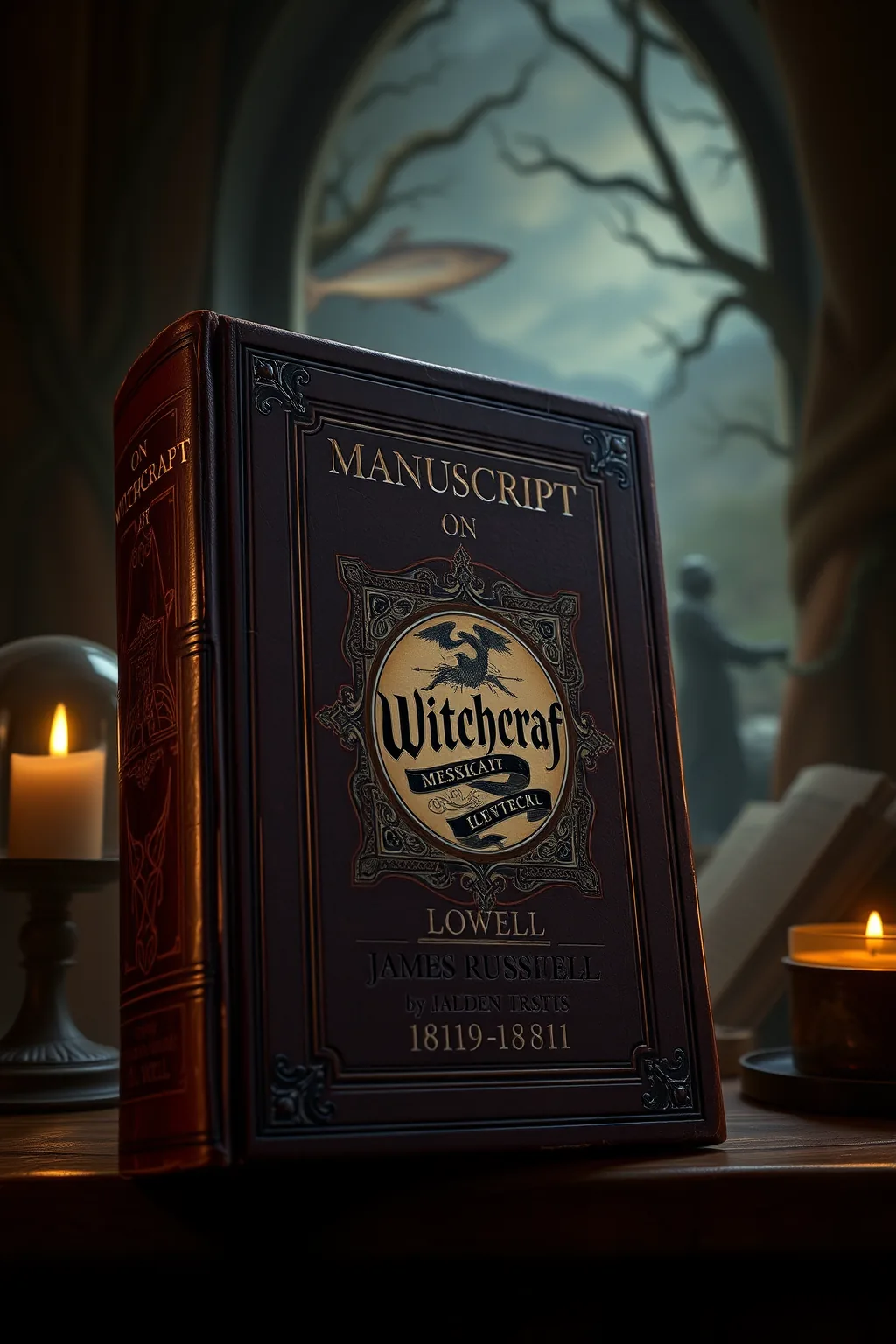
Manuscript on "Witchcraft" by James Russell Lowell
 82
82

Manuscript on "Witchcraft" by James Russell Lowell


James Russell Lowell's "Manuscript on Witchcraft" is a captivating exploration of the esoteric and occult, penned by one of America's most renowned poets. For modern esoteric seekers, this text offers a wealth of historical context and literary insight into the mystical traditions of the 19th century. Lowell's prose is both scholarly and engaging, making complex esoteric concepts accessible to a wide audience. The manuscript's detailed examination of witchcraft, paganism, and folklore provides a valuable resource for those interested in the cultural and intellectual history of the occult. The text is particularly noteworthy for its literary merit, blending poetic language with rigorous academic research. This makes it an excellent addition to any library of esoteric literature. For those seeking to deepen their understanding of witchcraft and its historical significance, this manuscript is a must-read.
📝 Description
82
James Russell Lowell wrote his manuscript on 'Witchcraft' in 1853, examining preternatural beliefs.
James Russell Lowell's 1853 manuscript on 'Witchcraft' resides in Middlebury College's Abernethy Manuscripts Collection. It examines the historical and symbolic dimensions of witchcraft beliefs. Lowell's writing details various interpretations of occult phenomena and ancient traditions. The text engages with the symbolic language and philosophical underpinnings associated with these subjects.
This work is not a manual for magical practice but rather an intellectual inquiry into the cultural and psychological aspects of witchcraft. Lowell's prose, while dense with detail, invites careful consideration of the historical context surrounding these beliefs. The manuscript offers a unique perspective from a prominent 19th-century American literary figure on a subject often relegated to folklore and superstition.
Lowell's manuscript touches upon a 19th-century fascination with the occult and hidden knowledge, a period that saw renewed interest in spiritualism and esoteric philosophies alongside traditional folklore. While not explicitly aligned with any single esoteric school, the work engages with themes common in occult studies, such as the interpretation of symbols and the nature of unseen forces. It reflects a broader intellectual current of the era that sought to understand phenomena beyond conventional scientific or religious frameworks, placing it within a context of expanding intellectual inquiry into the mysterious.
✍️ Author
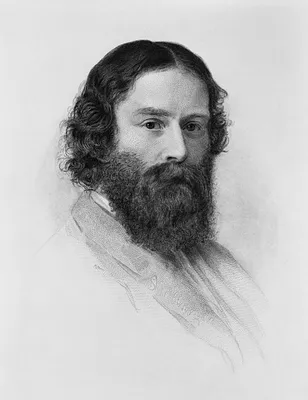
Lowell, James Russell, 1819-1891
James Russell Lowell (; February 22, 1819 – August 12, 1891) was an American Romantic poet, critic, editor, and diplomat. He is associated with the fireside poets, a group of New England writers who were among the first American poets to rival the popularity of British poets.
💡 Why Read This Book?
Reading James Russell Lowell's "Manuscript on Witchcraft" today offers a unique opportunity to explore the historical and cultural roots of esoteric practices. This text provides valuable insights into the mystical traditions of the 19th century, making it an essential read for anyone interested in the occult. Whether you are a scholar, a practitioner of paganism, or simply curious about witchcraft, this manuscript offers a rich and enlightening perspective. By delving into the mind of a prominent American poet, readers can gain a deeper understanding of the literary and intellectual climate of the time, as well as the enduring influence of esoteric knowledge on modern culture.
⭐ Reader Reviews
Honest opinions from readers who have explored this book.
❓ Frequently Asked Questions
What is the historical significance of James Russell Lowell's "Manuscript on Witchcraft"?
The manuscript provides a detailed look into the esoteric beliefs and occult practices of the 19th century, offering valuable historical context for modern esoteric seekers.
Is this manuscript suitable for readers who are new to the study of witchcraft and paganism?
Yes, Lowell's prose is both scholarly and accessible, making it an excellent introduction to the historical and cultural roots of esoteric practices.
Where can I find the original document of this manuscript?
The original document is part of the Abernethy Manuscripts Collection at Middlebury College and is available as a scanned version.
🔮 Key Themes & Symbolism
Symbolism and Hidden Knowledge
Lowell's 'Witchcraft' is rich in symbolism, offering readers a journey into the hidden knowledge that lies beneath the surface of mystical traditions. The manuscript explores the deeper meanings behind ancient symbols, providing a pathway to spiritual enlightenment.
Philosophical Significance
The book explores the philosophical underpinnings of witchcraft, inviting readers to contemplate the nature of reality and the unseen forces that shape our world. This exploration is both intellectually stimulating and spiritually enriching.
Mystical Traditions
Lowell's work is a rich source of information on mystical traditions, offering insights into the practices and beliefs that have been passed down through generations. The manuscript serves as a bridge between the ancient and the modern, connecting readers to a timeless wisdom.
💬 Memorable Quotes
Direct passages from the work, attributed to the author.
“Symbols are the language of the divine, speaking to the soul in whispers.”
— Lowell highlights the importance of symbols as conduits of spiritual communication, emphasizing their role in mystical traditions.
“The unseen world is as real as the one we perceive with our senses.”
— Lowell's words remind us of the existence of a parallel reality, one that can be experienced through spiritual and mystical practices.
💡 Key Ideas
Editorial paraphrase of the work's core concepts — not direct quotes.
The veil between worlds is thin, and those who seek can cross it.
This passage underscores the accessibility of mystical realms to those who are willing to explore beyond the physical.
In the heart of darkness lies the light of hidden knowledge.
This quote suggests that true enlightenment often comes from studying the mysteries that lie in the shadows of understanding.
The path of the witch is one of transformation and revelation.
This line emphasizes the transformative nature of witchcraft, inviting practitioners to embrace change and discovery.
🌙 Esoteric Significance
Tradition
The manuscript belongs to the Hermetic tradition, which emphasizes the exploration of hidden knowledge and the pursuit of spiritual enlightenment through mystical practices. Hermeticism, with its roots in ancient Egyptian and Greek philosophy, seeks to bridge the gap between the physical and spiritual realms.
Symbolism
Key symbols in the manuscript include the pentacle, the moon, and the elements of earth, air, fire, and water. These symbols are rich in meaning, representing various aspects of nature and the spiritual world. The pentacle, for example, is a protective symbol that also signifies the unity of the elements.
Modern Relevance
Lowell's insights remain relevant today, with modern practitioners using his work to deepen their understanding of witchcraft and paganism. The manuscript serves as a guide for those seeking to explore the mystical traditions and hidden knowledge that have been passed down through the ages.
👥 Who Should Read This Book
Beginners will find this book challenging but rewarding, as it provides a deep dive into esoteric themes. Scholars of the occult will appreciate the historical context and philosophical depth. Spiritual seekers will be drawn to the mystical insights and hidden knowledge, while practitioners of witchcraft will find valuable information on symbolism and traditions. Ideal for those who are serious about exploring the mysteries of the occult.
📜 Historical Context
James Russell Lowell's 'Witchcraft' was written during a time when interest in the occult and mystical traditions was on the rise. The manuscript reflects the era's fascination with hidden knowledge and the exploration of the unseen world. Lowell's work has had a lasting influence on scholars and practitioners of the esoteric arts, providing a rich historical context for understanding the mystical traditions of witchcraft and paganism.
📔 Journal Prompts
How do the symbols in 'Witchcraft' resonate with your personal spiritual journey?
What hidden knowledge have you uncovered through your reading of this manuscript?
How does Lowell's exploration of the unseen world influence your understanding of reality?
What philosophical insights have you gained from this book?
How can you apply the mystical traditions discussed in 'Witchcraft' to your own practices?
🗂️ Glossary
Hermeticism
A philosophical and spiritual tradition that seeks to explore hidden knowledge and the pursuit of spiritual enlightenment through mystical practices.
Pentacle
A protective symbol in witchcraft that represents the unity of the elements and the connection to the divine.
Esoteric
Relating to knowledge that is intended for a small group of people with special knowledge or interests, often involving hidden or mystical themes.
Mystical Traditions
Ancient practices and beliefs that involve the exploration of the unseen world and the pursuit of spiritual enlightenment.
Occult
Relating to supernatural, mystical, or magical phenomena, often involving the study of hidden knowledge and esoteric practices.
This book appears in 2 collections
🔮 Readers Also Liked
Browse all →

From the “Witchcraft” Collection
View all →



More Free Witchcraft & Paganism Books
View all →

![An answer of a letter from a gentleman in Fife, to a nobleman, containing a brief acccount [sic] of the barbarous and illegal treatment, these poor women accused of witchcraft, met with from the baillies of Pittenweem and others, ... To which is adde](/img/thumb/an-answer-of-a-letter-from-a-gentleman-in-fife-to-a-nobleman-containing-a-brief-acccount-sic-of-the-barbarous-and-illegal-treatment-these-poor-women-accused-of-witchcraft-met-with-from-the-baillies-of.webp)



![D. [i. e., Doktor] Balthasar Bekkers reformierten Predigers in Amsterdam bezauberte Welt. ... 1781: Vol 3 Iss 81](/img/thumb/d-i-e-doktor-balthasar-bekkers-reformierten-predigers-in-amsterdam-bezauberte-welt-1781-vol-3-iss-81-bekker-balthasar-1634-1698.webp)