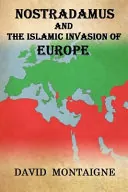
Amulets and talismans
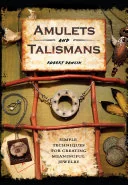
 75
75

Amulets and talismans
Robert Dancik’s Amulets and Talismans presents a refreshingly sober approach to a subject often mired in sensationalism. The strength of the work lies in its systematic cataloging of practices and its attempt to understand the underlying logic, rather than simply presenting folklore. Dancik’s discussion of the "Conditions for Effectiveness" in Chapter 4, for instance, offers a concise breakdown of essential elements like the operator’s will, the material, the form, and the inscription, grounding the esoteric in practical considerations. However, the book occasionally feels more like an academic survey than a practitioner’s guide, with a detail on historical context sometimes overshadowing immediate applicability for modern ritualists. Despite this, the author’s meticulous research into historical examples, such as the use of specific planetary metals and stones, provides a valuable resource for anyone seeking a deeper comprehension of these ancient technologies of power. It is a solid reference for the serious student.
📝 Description
75
Robert Dancik's 1999 book examines the creation and use of protective and empowering objects across history.
Amulets and Talismans, by Robert Dancik, provides a detailed look at objects designed for protection and empowerment, found in cultures and eras worldwide. The book goes beyond simple descriptions to address the beliefs and principles that give these items their perceived force. Dancik discusses how charms, sigils, and inscribed items are made, consecrated, and used, offering a practical perspective on their intended functions.
The work is for anyone interested in the practical and theoretical sides of protective magic, historical belief systems, and symbolic meaning. It will appeal to those who practice magic and want to understand how talismans work, as well as scholars of religion and anthropology, or anyone curious about the human need to create powerful objects for personal and community benefit. Dancik places the use of amulets and talismans within a wide historical span, from ancient times through the Middle Ages and into more recent periods. The book notes how these practices changed, often shaped by the religious, philosophical, and magical ideas of the time. It shows how the perceived effectiveness of these objects was linked to the cultural views of those who used them.
This book fits within the Western esoteric tradition, particularly its branches concerned with practical magic and the creation of magical tools. It connects to traditions that utilize sympathetic magic, divine names, and planetary correspondences to imbue objects with specific energies. The focus on the creation, consecration, and application of amulets and talismans aligns with historical grimoires and magical treatises that detail the construction of instruments for ritual purposes.
💡 Why Read This Book?
• Understand the foundational principles of sympathetic magic and intention, learning how specific materials and symbolic inscriptions were believed to harness targeted energies, as detailed in Dancik's exploration of their creation. • Gain insight into historical practices surrounding the consecration of talismans, recognizing the importance of ritual and belief systems that were prevalent in eras like the medieval period. • Discover the diverse array of symbols and correspondences used in amulet construction, offering concrete examples that illuminate the intricate connection between form, function, and esoteric meaning.
⭐ Reader Reviews
Honest opinions from readers who have explored this book.
❓ Frequently Asked Questions
What is the primary difference between an amulet and a talisman according to Robert Dancik?
Dancik distinguishes amulets as primarily for protection against harm, while talismans are crafted to attract or bring about specific desired outcomes or influences, though the terms are often used interchangeably.
When was Robert Dancik's Amulets and Talismans first published?
The original publication of Robert Dancik's Amulets and Talismans was in 2009, providing a contemporary examination of historical practices.
Does the book explain how to create your own talismans?
Yes, the book details the methods and considerations for creating talismans, including the selection of materials, appropriate timing, and the inscription of symbols or names.
What historical periods are covered in Amulets and Talismans?
The work spans a wide historical range, examining practices from ancient civilizations through the medieval period and into more modern applications of amuletic and talismanic arts.
Are specific planetary correspondences discussed in the book?
Indeed, Dancik explores the traditional associations between planets, metals, stones, and days of the week, crucial elements in the timing and construction of effective talismans.
Is this book suitable for beginners in esotericism?
While it assumes some intellectual engagement, the book's structured approach makes it accessible to beginners interested in the history and theory of protective and attracting objects.
🔮 Key Themes & Symbolism
The Art of Imbuing Objects
Dancik meticulously details the conceptual framework behind imbuing objects with power. This involves understanding that efficacy stems not from the object itself, but from the focused intention, precise symbolism, and ritualistic processes applied during its creation. The book examines how materials, astrological timings, and sacred inscriptions like divine names or sigils were understood to channel specific energies, transforming inert substances into potent tools for protection or manifestation.
Historical Sympathetic Magic
The work looks at the historical underpinnings of sympathetic magic, a core principle in talismanic traditions. It explains how practitioners believed that 'like produces like' and that an object could act upon something else through resemblance or connection. This is illustrated through examples of effigies, inscribed metals, and gemstones, all chosen for their perceived ability to influence events or individuals based on shared essence or correspondence.
Protective and Attracting Functions
A central theme is the dual nature of these enchanted items: their capacity for warding off negative influences and their ability to draw positive forces or outcomes. Dancik presents historical accounts and theoretical explanations for how amulets served as shields against disease, misfortune, or spiritual attack, while talismans were employed to attract wealth, love, success, or spiritual insight, demonstrating their many-sided role in human endeavor.
Symbolism and Material Correspondences
The book emphasizes the critical role of symbolism and material correspondences. Each element, from the choice of metal and gemstone to the specific glyphs or planetary symbols engraved, carried a distinct energetic signature. Dancik explores how these elements were carefully selected and combined to create a harmonic resonance, designed to align with cosmic forces and achieve the operator's intended magical goal.
💬 Memorable Quotes
Direct passages from the work, attributed to the author.
“The power of a talisman is derived from the focused will of the operator, the properties of the material, and the symbolic language employed.”
— This highlights the synergistic approach Dancik outlines, where the practitioner's intent is paramount, supported by the inherent qualities of the chosen substance and the specific magical symbols used for inscription.
“Amulets primarily served as shields against perceived threats, both physical and spiritual.”
— This succinctly captures the defensive function attributed to amulets throughout history, distinguishing them from talismans which often possess a more active, attracting purpose.
“The efficacy of these objects was intrinsically tied to the belief systems and cosmological understanding of their users.”
— This emphasizes that the perceived power of amulets and talismans was not an objective, inherent quality, but rather a product of the cultural and spiritual context in which they were created and utilized.
“Astrological timings were considered crucial for the proper consecration and activation of talismans.”
— This points to the importance of aligning magical operations with celestial events, a common practice in historical esotericism to ensure the talisman resonated with cosmic energies.
💡 Key Ideas
Editorial paraphrase of the work's core concepts — not direct quotes.
Sympathetic connections allowed objects to influence distant realities through shared form or essence.
This paraphrases the core principle of sympathetic magic, explaining how objects were believed to bridge space and affect outcomes by mirroring or connecting to their intended targets.
🌙 Esoteric Significance
Tradition
Dancik's work draws heavily from the Western Esoteric Tradition, particularly its Hermetic, Kabbalistic, and astrological branches. It aligns with traditions that emphasize the manipulation of symbolic forces and correspondences to achieve specific magical results. The book fits within a lineage of grimoire studies and practical magical manuals, offering a grounded exposition of principles often found in more esoteric texts, making them accessible without necessarily adhering to a single dogmatic system.
Symbolism
Key symbols explored include planetary signs, divine names (such as those found in Kabbalistic or angelic magic), and geometric forms like the pentagram or hexagram. Planetary symbols are crucial for invoking specific energies associated with celestial bodies, while divine names are believed to carry immense creative power. Geometric forms often represent cosmic order or specific protective configurations, acting as focal points for magical intent and energy.
Modern Relevance
Contemporary practitioners of ceremonial magic, chaos magic, and modern occultism draw upon Dancik's work for its clear articulation of foundational principles. His systematic approach to materials, inscriptions, and intent informs modern talismanic art and magical object creation. Thinkers and practitioners interested in the intersection of psychology, symbolism, and ritualistic practice also find value in his methodical exploration of historical belief in object-based magic.
👥 Who Should Read This Book
• Aspiring practitioners of Western Esotericism seeking to understand the historical and theoretical basis for creating magical objects. • Students of anthropology and religious studies interested in the cross-cultural significance and practical application of protective and empowering artifacts. • Hobbyists and collectors of occult artifacts who wish to gain deeper knowledge about the historical contexts and purported functions of amulets and talismans.
📜 Historical Context
Robert Dancik's Amulets and Talismans, first published in 2009, enters a field with a long and varied history, offering a contemporary synthesis. The work situates itself within the broader study of historical magic and folk belief, acknowledging traditions ranging from ancient Mesopotamian inscribed cylinders to medieval European pentacles and Renaissance astrological talismans. It implicitly engages with the ongoing academic debate concerning the psychological, sociological, and genuinely operative aspects of such practices. While Dancik doesn't engage directly with a specific contemporary scholar's reception, his detailed examination of historical methods and materials places him in dialogue with scholars like Owen Davies and Richard Kieckhefer, who have extensively researched European magical practices. The book's careful presentation of historical evidence reflects a scholarly approach, distinguishing it from purely occultist or speculative texts, while still respecting the efficacy attributed to these objects by their historical users.
📔 Journal Prompts
The selection of materials for an amulet, as discussed by Dancik, and its connection to planetary or elemental forces.
Reflecting on the role of personal belief in the efficacy of a protective object.
How might the symbolic language of a specific culture influence the design of its talismans?
Consider the difference between an object intended for protection versus one intended for attraction.
The historical concept of consecrating an object for magical purposes.
🗂️ Glossary
Amulet
An object, typically inscribed or decorated, believed to offer protection against physical harm, evil spirits, or misfortune.
Talisman
An object inscribed with symbols, sigils, or names, created with the intention of attracting specific benefits, powers, or influences.
Sympathetic Magic
A form of magic based on the principle that like produces like, or that a cause affects its effect through a connection or resemblance, allowing actions on one object to influence another.
Consecration
The act of formally dedicating or setting apart an object for sacred or magical use, often involving rituals to imbue it with spiritual power or intention.
Sigil
A magical symbol, often unique and personal, created to represent a specific intention or desire, believed to carry that intent into effect when properly activated.
Correspondences
The system of associations between different elements, such as planets, metals, stones, colors, and days of the week, used in magical practices to align energies.
Intention
The focused mental will and purpose of the practitioner, considered a fundamental component in the creation and activation of magical objects like amulets and talismans.
🔮 Readers Also Liked
Browse all →









More by Robert Dancik
All books →
More Free Occult Philosophy Books
View all →