Almond eyes lotus feet
 82
82

Almond eyes lotus feet
Dwivedi and Holkar's "Almond Eyes Lotus Feet" offers a meticulous examination of devotional imagery, moving beyond mere description to interpret the philosophical and theological weight carried by specific iconographic elements. The authors demonstrate a deep understanding of the source materials, particularly in their analysis of how gestures and forms communicate complex spiritual ideas. A particularly strong section details the symbolism of lotus motifs, linking them to purity and divine origin across multiple traditions. However, the book’s academic density, while a strength for specialists, may present a barrier to entry for general readers. The prose, though precise, sometimes leans towards the dry, requiring sustained attention to grasp the full import of the detailed analyses. Ultimately, it serves as a valuable, albeit demanding, resource for those committed to understanding the visual language of Indian spirituality.
📝 Description
82
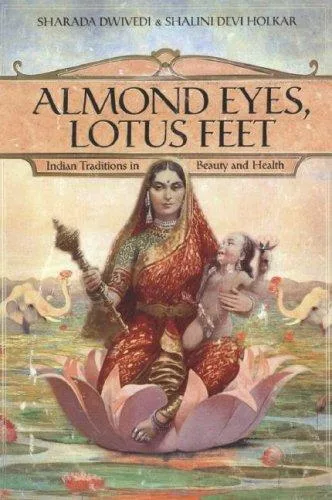
Published in 2008, Almond Eyes Lotus Feet examines the visual language of Indian devotional art.
Sharada Dwivedi and Shalini Devi Holkar's 2008 book, Almond Eyes Lotus Feet, analyzes the devotional practices and iconography found within Indian religious traditions. It focuses on the symbolic meanings communicated through the gestures, forms, and adornments used to depict deities and their followers. The authors draw on a variety of textual and artistic sources to explain the philosophical foundations behind these visual representations.
The work is intended for students and researchers specializing in comparative religion, art history, and South Asian studies. It will interest those who study the subtleties of religious expression, particularly how aesthetics and theology interact in Hindu and Buddhist contexts. Readers looking to understand the deeper symbolism in sacred imagery, beyond surface-level interpretations, will find significant material within its pages. The book addresses the visual culture of religion, a field that saw increased attention in the late 20th century, building on earlier scholarship in Indian art and religious history.
This book engages with the visual grammar of devotion in Hindu and Buddhist traditions, traditions often considered esoteric due to their complex symbolic systems and devotional practices. The analysis of specific iconographic elements like 'almond eyes' and 'lotus feet' connects physical attributes to divine essence, a common theme in esoteric interpretations of sacred art. By dissecting concepts such as darshan, the act of divine seeing, and mudras, symbolic gestures, the authors illuminate how these visual and ritualistic forms serve as conduits for spiritual experience and understanding, moving beyond mere artistic representation to the underlying philosophy.
💡 Why Read This Book?
• Gain a nuanced understanding of devotional iconography, learning how specific elements like the "almond eyes" and "lotus feet" convey divine attributes, a depth not found in general religious texts. • Explore the concept of *darshan* as presented in the book, appreciating its role in the visual and spiritual exchange between devotee and deity, a concept central to Hindu practice since antiquity. • Understand the symbolic language of *mudras* as detailed by Dwivedi and Holkar, recognizing how these hand gestures function as sacred communication within religious art and ritual, offering practical insights into devotional aesthetics.
⭐ Reader Reviews
Honest opinions from readers who have explored this book.
❓ Frequently Asked Questions
What is the primary focus of "Almond Eyes Lotus Feet"?
The book primarily focuses on the devotional practices and iconography within Indian religious traditions, interpreting the symbolic meanings of divine forms, gestures, and adornments.
Who are Sharada Dwivedi and Shalini Devi Holkar?
Sharada Dwivedi and Shalini Devi Holkar are the authors of "Almond Eyes Lotus Feet," a scholarly work exploring religious symbolism and devotional art.
When was "Almond Eyes Lotus Feet" first published?
The book was first published in 2008, positioning it within contemporary scholarship on religious studies and art history.
What kind of imagery does the book analyze?
The book analyzes sacred imagery from Indian religions, paying close attention to details like 'almond eyes,' 'lotus feet,' and symbolic hand gestures (mudras).
Is this book suitable for beginners in esoteric studies?
While valuable, the book is quite academic and best suited for students and researchers of comparative religion, art history, and South Asian studies rather than absolute beginners.
What is the significance of the title 'Almond Eyes Lotus Feet'?
The title refers to specific physical attributes of deities, such as almond-shaped eyes and lotus-like feet, which carry deep symbolic meaning regarding divinity and auspiciousness in Indian traditions.
🔮 Key Themes & Symbolism
Iconography of Divine Attributes
The work meticulously dissects the visual language of deities in Indian traditions, focusing on attributes like the titular 'almond eyes' and 'lotus feet.' These are not merely aesthetic choices but carriers of profound theological meaning, signifying purity, cosmic order, and divine presence. The authors explore how these specific features, alongside postures and adornments, communicate the ineffable nature of the sacred to the devotee, drawing connections between physical form and spiritual essence.
The Practice of Darshan
Central to the book is the concept of *darshan*, the reciprocal act of seeing and being seen by the divine. Dwivedi and Holkar explain how the creation and contemplation of religious images are not passive acts but dynamic engagements. The iconography itself is designed to facilitate this spiritual encounter, with the deity's gaze and presence, often conveyed through specific eye forms and stances, aimed at bestowing blessings and spiritual merit upon the viewer.
Symbolism in Mudras and Forms
Beyond static attributes, the book studies the dynamic symbolism of *mudras* (sacred hand gestures) and the overall bodily forms of deities. These elements function as a visual lexicon, communicating specific intentions, powers, and narratives. The authors illustrate how seemingly minor variations in a gesture or the posture of a figure can alter its theological import, offering a scholarly framework for interpreting these complex visual codes within their religious and cultural contexts.
Bhakti and Aesthetic Expression
The relationship between *bhakti* (devotion) and artistic expression is a recurring motif. 'Almond Eyes Lotus Feet' argues that the aesthetic qualities of religious art are intrinsically linked to the devotional impulse. The beauty and symbolic richness of the imagery are designed to inspire awe, love, and contemplation, serving as a conduit for the devotee's emotional and spiritual connection to the divine. The book traces how this interplay shapes the visual range of worship.
💬 Memorable Quotes
Direct passages from the work, attributed to the author.
“The almond eye signifies a gaze that is both all-seeing and serene, reflecting the divine detachment and encompassing awareness.”
— This interpretation highlights how a specific physical feature, the almond-shaped eye, is imbued with theological meaning, representing the deity's perfect perception and tranquil transcendence beyond worldly concerns.
“Iconography serves as a visual language, translating abstract theological concepts into forms understandable to the devotee.”
— This concept underscores the functional role of religious imagery, positing it as a critical medium for communicating complex spiritual ideas through tangible visual elements.
“The practice of darshan transforms the act of viewing an image into a sacred encounter.”
— This interpretation focuses on the active nature of religious seeing, framing the contemplation of divine images not as passive observation but as a participatory, spiritual event.
“Mudras are not mere gestures but potent symbols that articulate divine functions and blessings.”
— This emphasizes the active, communicative power of hand gestures in religious art, suggesting they convey specific divine actions or bestowal of grace.
💡 Key Ideas
Editorial paraphrase of the work's core concepts — not direct quotes.
Lotus feet are more than just a physical descriptor; they symbolize purity, auspiciousness, and the divine foundation upon which creation rests.
This paraphrase emphasizes that the 'lotus feet' are not literal but deeply symbolic, representing the sacred origins and the stable, pure grounding of the divine presence in the cosmos.
🌙 Esoteric Significance
Tradition
The work engages primarily with the devotional (Bhakti) traditions within Hinduism and, to some extent, Buddhism. While not strictly 'esoteric' in the Western sense of secret knowledge transmission, it studies the deeper symbolic and philosophical layers of practices accessible to lay practitioners. It aligns with traditions that emphasize the visualization of the divine and the meditative contemplation of sacred forms as pathways to spiritual realization.
Symbolism
Key symbols include the 'almond eyes,' signifying divine awareness and detached observation, and 'lotus feet,' representing purity, auspiciousness, and the divine origin of existence. The lotus motif itself is a pervasive symbol of spiritual unfolding and purity emerging from muddy waters. The book also analyzes the symbolic language of *mudras*, specific hand gestures that articulate divine actions, blessings, and states of being within the visual narrative of deities.
Modern Relevance
Contemporary practitioners and scholars of Yoga, Tantra, and various forms of Hindu devotionalism continue to draw on the principles of iconography discussed. Modern artists and spiritual seekers interested in the visual language of mindfulness and contemplative practices find relevance in the book's detailed analysis of how forms and symbols facilitate spiritual connection. The work informs contemporary discussions on the intersection of art, spirituality, and cultural heritage in a globalized world.
👥 Who Should Read This Book
• Students of Hindu and Buddhist art history seeking to understand the iconographic language of deities and their symbolic attributes. • Researchers in comparative religion interested in the visual expression of devotional practices and theological concepts across cultures. • Practitioners of Yoga and meditation who wish to deepen their understanding of the visual symbolism used in sacred art for contemplation.
📜 Historical Context
Published in 2008, "Almond Eyes Lotus Feet" emerged within a robust academic environment studying South Asian religions and art. This period saw a continued engagement with the works of scholars like Stella Kramrisch and Ananda Coomaraswamy, who had previously laid foundational groundwork for understanding Indian artistic and spiritual traditions. The book reflects a contemporary trend towards interdisciplinary approaches, bridging art history, religious studies, and textual analysis. While not facing overt censorship, academic works on religious iconography often navigate complex interpretive landscapes, sometimes encountering differing scholarly opinions on symbolism and historical development. The book contributes to ongoing scholarly discourse, particularly concerning the theological underpinnings of visual representation in Hinduism and Buddhism.
📔 Journal Prompts
The symbolic weight of the 'lotus feet': How does this imagery suggest stability and purity?
Reflecting on 'darshan': What does it mean to be seen by the divine through an image?
Interpreting 'mudras': What messages do specific hand gestures convey in sacred art?
The concept of 'almond eyes': How does this attribute inform the perceived nature of a deity?
Connecting form and devotion: How does the aesthetic of an image enhance spiritual feeling?
🗂️ Glossary
Almond Eyes
A descriptive term for the eyes of deities in Indian iconography, often signifying divine awareness, serenity, and an all-seeing, yet detached, gaze.
Lotus Feet
A symbolic reference to the feet of deities, representing purity, auspiciousness, spiritual blossoming, and the divine foundation of existence.
Darshan
A concept in Hinduism referring to the auspicious sight of a deity, a holy person, or sacred object, involving a reciprocal act of seeing and being seen.
Mudra
A symbolic or ritual gesture in Hinduism and Buddhism, typically performed with the hands and fingers, used in iconography and spiritual practice.
Bhakti
A devotional movement and spiritual path in Hinduism emphasizing intense love and devotion towards a personal god.
Iconography
The visual images and symbols used in the study or identification of the subjects represented in a work of art.
Purity
In religious contexts, a state of being free from sin, contamination, or imperfection, often symbolized by elements like the lotus.
🔮 Readers Also Liked
Browse all →









More by Sharada Dwivedi, Shalini Devi Holkar
All books →
More Free Occult Philosophy Books
View all →