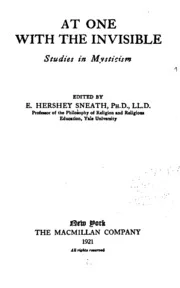
Al- Ta'arruf li-madhhab ahl al-taṣawwuf

 78
78

Al- Ta'arruf li-madhhab ahl al-taṣawwuf
Kalābādhī's Al-Ta'arruf is a remarkably clear and structured exposition of early Sufi thought, particularly valuable for its systematic approach. While it lacks the evocative imagery found in later Sufi literature, its strength lies in its logical presentation of theological positions and practical ethics that defined the nascent movement. A particularly illuminating passage discusses the concept of *tawakkul* (reliance on God), detailing its nuances and potential pitfalls, which offers a robust counterpoint to simplistic interpretations of faith. The primary limitation for a contemporary reader is its dense theological argumentation, which can sometimes overshadow the experiential dimension of Sufism. Nevertheless, it stands as an indispensable resource for understanding the intellectual foundations of Islamic mysticism.
📝 Description
78
Muḥammad ibn Ibrāhīm Kalābādhī wrote Al-Ta'arruf li-madhhab ahl al-taṣawwuf around 980 CE.
Al-Ta'arruf li-madhhab ahl al-taṣawwuf, translated as "The Book of the Doctrine of the People of the Truth," is an early systematic exposition of Sufi beliefs and practices. Kalābādhī, writing in Bukhara in the late 10th century, structured his work with a theological and jurisprudential approach, distinguishing it from more poetic or anecdotal Sufi writings. He aimed to articulate the core tenets of mysticism and show their alignment with orthodox Islamic doctrine.
The book details central Sufi concepts such as the nature of God, divine love (maḥabba), spiritual states (aḥwāl), and spiritual stations (maqāmāt). It also discusses practical disciplines like asceticism (zuhd) and reliance on God (tawakkul), presenting them as essential elements for attaining divine knowledge. Kalābādhī's objective was to establish a clear framework for understanding the Sufi path during a time of theological debate within Islam.
Composed in the late 10th century, Kalābādhī's work emerged when Sufism was formalizing its doctrines. It engaged with the theological discourse of the Ash'ari and Mu'tazili schools. The treatise sought to present Sufism not as a departure from Islamic orthodoxy but as an integral dimension of it, addressing criticisms from literalist interpretations. It articulates the mystical path through a structured, reasoned approach, aiming to legitimize Sufi practices within the broader Islamic intellectual tradition.
💡 Why Read This Book?
• Understand the theological underpinnings of early Sufism as presented by Kalābādhī in the late 10th century, offering a perspective distinct from later poetic expressions. • Grasp the concept of *tawakkul* (reliance on God) through Kalābādhī's detailed exposition, learning its orthodox interpretation and practical application within the Sufi framework. • Analyze the historical positioning of Sufism within Islamic intellectual discourse by examining how Kalābādhī defends Sufi beliefs against contemporary theological critiques.
⭐ Reader Reviews
Honest opinions from readers who have explored this book.
❓ Frequently Asked Questions
When was Al-Ta'arruf li-madhhab ahl al-taṣawwuf written?
Muḥammad ibn Ibrāhīm Kalābādhī composed this foundational text on Sufism around the late 10th century, likely in Bukhara, during a pivotal period for Islamic mysticism.
What is the primary focus of Kalābādhī's book?
The book systematically explains the doctrines and practices of early Sufism, presenting them within an Islamic theological and jurisprudential framework to demonstrate their orthodoxy.
Who was Kalābādhī in relation to Islamic scholarship?
Muḥammad ibn Ibrāhīm Kalābādhī was a significant scholar and early Sufi theologian from Bukhara, known for his efforts to define and legitimize Sufi thought within mainstream Islam.
What does 'ahl al-taṣawwuf' mean in the title?
'Ahl al-taṣawwuf' translates to 'the people of Sufism' or 'the adherents of Sufism,' indicating the book's subject matter is the path and beliefs of the Sufi mystics.
How does Al-Ta'arruf differ from other Sufi texts?
Unlike many later Sufi works that emphasize poetry and allegory, Kalābādhī's text is notable for its systematic, theological, and legalistic exposition of Sufi principles.
What historical period does this book illuminate?
It provides crucial insight into the formative period of Sufism in the late 10th century, a time of significant theological development and debate within the Islamic world.
🔮 Key Themes & Symbolism
Theological Framework of Sufism
Kalābādhī meticulously constructs a theological edifice for Sufism, defining concepts like divine unity (tawhid), divine attributes, and the nature of prophecy. He argues for the compatibility of Sufi aspirations with orthodox Islamic creed, a crucial endeavor in the late 10th century when Sufism faced scrutiny from various theological factions. The work systematically addresses core tenets, providing a rational and doctrinal basis for the mystical path.
Spiritual States and Stations
The book elaborates on the Sufi understanding of spiritual progress through distinct stages. It differentiates between *aḥwāl* (spiritual states, often transient gifts from God) and *maqāmāt* (spiritual stations, achieved through effort and discipline). Kalābādhī details key states like *tawakkul* (reliance on God) and *riḍā* (contentment), outlining their significance and the path toward attaining them.
Ethics and Asceticism
Al-Ta'arruf emphasizes the ethical dimensions and ascetic practices integral to the Sufi way of life. Concepts such as *zuhd* (asceticism, detachment from worldly possessions) and *wara'* (scrupulous avoidance of the unlawful or doubtful) are presented as necessary disciplines for purifying the soul and preparing it for divine proximity. Kalābādhī frames these not as mere self-denial but as active spiritual cultivation.
The Role of the Prophet Muhammad
The exemplary role of Prophet Muhammad is central to Kalābādhī's exposition. He is presented not only as the final prophet but as the perfect model (*uswa ḥasana*) for all Sufis. The book explores how the Prophet's life, actions, and sayings provide the blueprint for spiritual conduct, devotion, and the pursuit of divine knowledge, reinforcing the Sunnah as the primary guide for the mystical path.
💬 Memorable Quotes
Direct passages from the work, attributed to the author.
“The path of the Sufi is founded upon the Book and the Sunnah.”
— This statement underscores Kalābādhī's central thesis: that Sufism is not an innovation but a path deeply rooted in the foundational texts of Islam, the Quran and the Prophet's traditions.
“Reliance on God (*tawakkul*) is the perfection of trust.”
— This highlights the elevated status of *tawakkul* within Sufism, portraying it not merely as passive waiting but as an active, profound trust in God's providence that signifies spiritual maturity.
“A Sufi is one who wears wool (ṣūf) and guards his purity.”
— This definition connects the outward practice (wearing wool, a symbol of asceticism) with the inner state (purity of intention and conduct), encapsulating the dual focus of Sufism on external discipline and internal sincerity.
“The heart is the place of divine knowledge.”
— This points to the Sufi emphasis on the heart (*qalb*) as the locus of spiritual understanding and direct apprehension of divine truths, contrasting with purely intellectual knowledge.
“Contentment (*riḍā*) is the highest of the stations.”
— Kalābādhī elevates *riḍā* to a pinnacle of spiritual achievement, suggesting that true contentment with God's decree represents a profound state of submission and inner peace.
🌙 Esoteric Significance
Tradition
Al-Ta'arruf is a cornerstone text for understanding the early development of Sunni Sufism, a major lineage within Islamic mysticism. It belongs to the tradition that emphasizes the integration of mystical experience with orthodox Islamic theology and law, distinguishing it from more heterodox or esoteric interpretations that emerged later. Kalābādhī's work anchors Sufism firmly within the Islamic fold, providing a theological rationale for its practices and beliefs.
Symbolism
The book frequently references the *qalb* (heart) as the spiritual organ capable of perceiving divine truths, symbolizing the inner, intuitive faculty central to Sufi epistemology. The concept of *ṣūf* (wool), from which the term Sufi is often derived, symbolizes asceticism, humility, and detachment from worldly vanities, representing the outward manifestation of inner spiritual discipline.
Modern Relevance
Contemporary scholars of religion and Islamic studies continue to reference Al-Ta'arruf for its foundational account of Sufi doctrine. Modern Sufi orders and practitioners may engage with it to connect with the historical roots of their tradition, appreciating its systematic theological approach. Thinkers interested in comparative mysticism find it useful for understanding the early articulations of a major world spiritual path.
👥 Who Should Read This Book
• Scholars of Islamic history and theology seeking primary source material on the formative period of Sufism. • Students of comparative mysticism looking to understand the doctrinal basis of a major esoteric tradition within Islam. • Practitioners of Sufism wishing to ground their understanding in the systematic theological framework established by early masters like Kalābādhī.
📜 Historical Context
Muḥammad ibn Ibrāhīm Kalābādhī wrote Al-Ta'arruf in Bukhara around the 970s CE. This was a period of significant intellectual ferment in the Islamic world, marked by the ascendancy of Ash'ari theology, which sought to reconcile reason and revelation, and the continued influence of Mu'tazili thought. Sufism, as a distinct mystical movement, was increasingly articulating its doctrines and practices, leading to debates with more literalist and jurisprudential scholars who questioned its legitimacy. Kalābādhī's work emerged within this context as a systematic defense of Sufi beliefs, aiming to demonstrate their alignment with orthodox Islam. His contemporary, the theologian and jurist Abu Bakr al-Baqillani, also engaged with theological issues of the era, though not directly on Sufi doctrine in the same manner as Kalābādhī. The reception of Al-Ta'arruf was significant, establishing it as a key text for understanding early Sufism's intellectual foundations and its place within Islamic scholarship.
📔 Journal Prompts
The foundational role of the Book and Sunnah in the Sufi path as articulated by Kalābādhī.
The concept of *tawakkul* and its practical implications for reliance on divine providence.
Distinguishing between *aḥwāl* (states) and *maqāmāt* (stations) in spiritual development.
The ethical significance of *zuhd* (asceticism) in preparing the soul for divine knowledge.
Reflecting on the heart (*qalb*) as the vessel for discerning spiritual truths.
🗂️ Glossary
Tasawwuf
The esoteric and mystical dimension of Islam, focused on the purification of the heart and the pursuit of direct knowledge of God.
Ahl al-taṣawwuf
Literally 'the people of Sufism,' referring to adherents and practitioners of the Sufi path.
Maḥabba
Divine love; a central concept in Sufism, representing the love of God for humanity and humanity's love for God.
Aḥwāl (singular: ḥāl)
Spiritual states or experiences that come to the Sufi, often considered transient gifts from God, such as joy, awe, or serenity.
Maqāmāt (singular: maqām)
Spiritual stations or levels attained by the Sufi through conscious effort, discipline, and spiritual practice, such as repentance, patience, and gratitude.
Tawakkul
Trust or reliance on God; a key spiritual practice involving complete dependence on God's providence.
Zuhd
Asceticism or renunciation of worldly pleasures and possessions, undertaken to focus the heart on God.
🔮 Readers Also Liked
Browse all →








More Free Mysticism & Contemplation Books
View all →