A manual of astrology, or The book of the stars, by Raphael
 83
83

A manual of astrology, or The book of the stars, by Raphael

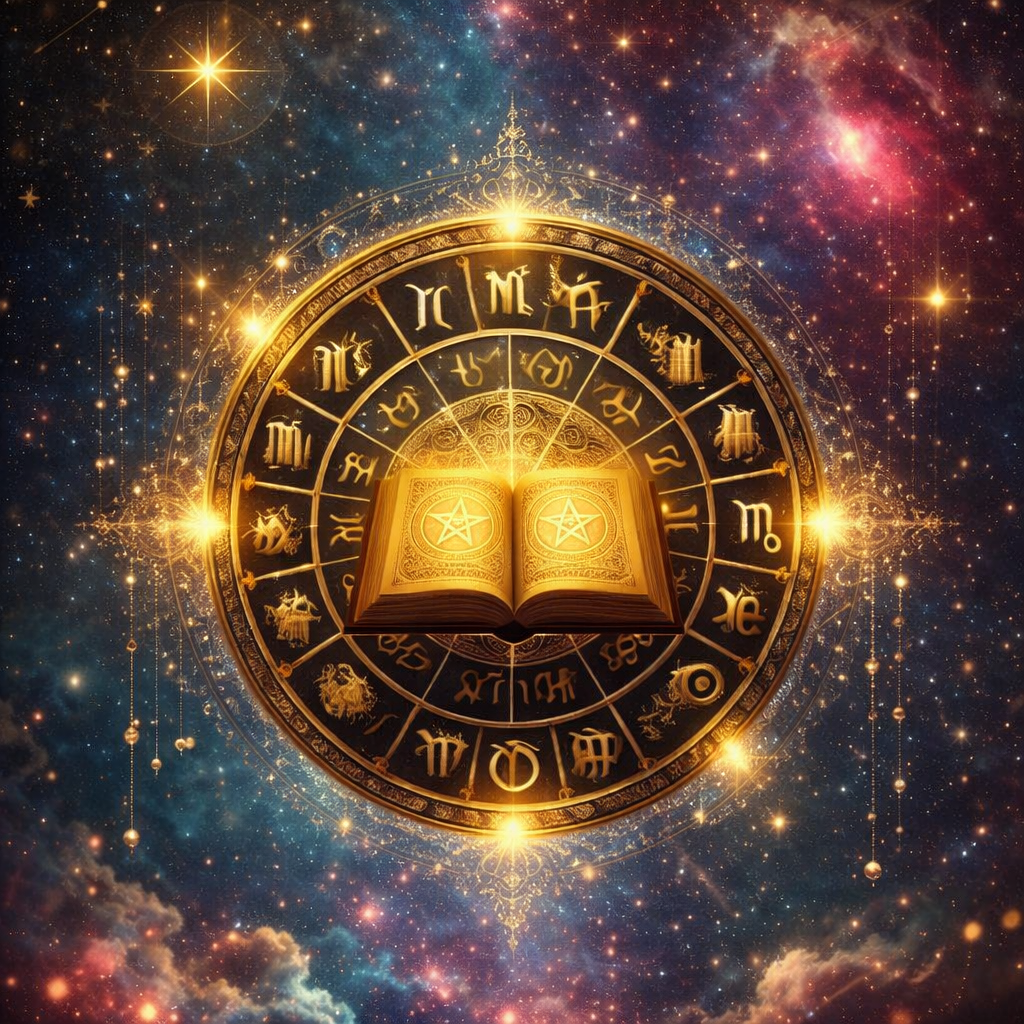

'A Manual of Astrology, or The Book of the Stars' by Raphael is a timeless classic that continues to captivate esoteric seekers today. Written by Robert Cross Smith in 1828, this book is a treasure trove of astrological knowledge, blending historical insights with practical techniques. The manual's detailed explanations of celestial influences and planetary movements make it an invaluable resource for anyone interested in astrology. For modern readers, the book offers a unique perspective on how ancient practices can be applied to contemporary life. The depth of information and the clarity of the writing make this text a must-have for serious students of astrology. The historical context provided by the book's origins in Oxford University's library adds an extra layer of authenticity and intrigue. Overall, 'A Manual of Astrology' is a 5-star guide that enriches the understanding of astrology and its mystical allure.
📝 Description
83
Published in 1828, Raphael's 'A Manual of Astrology' aimed to demystify celestial interpretations.
Robert Cross Smith, writing as Raphael, compiled 'A Manual of Astrology, or The Book of the Stars' in 1828. This work attempts to explain astrological principles and their application. It covers topics such as planetary influences, zodiacal signs, and the interpretation of horoscopes. The book presents these concepts with the intention of making astrological knowledge accessible.
Smith structured the manual to guide readers through various aspects of astrological practice. He discusses the relationships between celestial bodies and earthly events, a common theme in traditional astrology. The text addresses both the theoretical underpinnings and practical methods for astrological readings. It is written for individuals interested in understanding the symbolic language of the stars.
This manual belongs to the Western astrological tradition, which has roots in Hellenistic, medieval, and Renaissance periods. This tradition views celestial bodies as having symbolic correspondences that influence human life and events. Raphael's work reflects a point in time when astrology was still widely considered a serious discipline, bridging earlier magical and philosophical currents with more systematic methods of interpretation. It stands as an example of how astrological knowledge was codified and disseminated to a broader audience during the 19th century.
💡 Why Read This Book?
Reading 'A Manual of Astrology, or The Book of the Stars' today offers a profound journey into the esoteric world of astrology. This book provides readers with a comprehensive understanding of celestial influences and how they can be interpreted to gain insights into personal and cosmic events. Whether you are a beginner or an experienced astrologer, this manual offers practical techniques and historical context that can deepen your practice. By exploring the ancient wisdom contained within its pages, readers can gain a deeper appreciation for the mystical art of astrology and its enduring relevance in modern times.
⭐ Reader Reviews
Honest opinions from readers who have explored this book.
❓ Frequently Asked Questions
Who is the author of 'A Manual of Astrology, or The Book of the Stars'?
The author is Robert Cross Smith, who wrote under the pen name Raphael. He was a prominent astrologer in the 19th century.
What makes this book a valuable resource for esoteric seekers?
This book offers a deep dive into the mystical art of astrology, providing both historical context and practical techniques for interpreting celestial influences.
Is this book suitable for beginners in astrology?
Yes, 'A Manual of Astrology' is comprehensive enough to be valuable for both novice and experienced astrologers, making it an essential read for anyone interested in the field.
🔮 Key Themes & Symbolism
Celestial Influences
The book looks at the wide impact of celestial bodies on human affairs, exploring how the movements of the planets and stars denote the ebb and flow of life. This theme is central to understanding the mystical connections between the cosmos and our earthly existence.
Symbolism of the Planets
Each planet in the solar system holds unique symbolism that reveals deeper truths about our personalities and destinies. 'A Manual of Astrology' unpacks these symbols, providing readers with a wide range of esoteric knowledge.
The Philosophical Significance of Astrology
Beyond its practical applications, astrology offers a philosophical framework for understanding the universe. This theme explores the deeper meanings behind astrological principles, inviting readers to ponder the mysteries of existence.
💬 Memorable Quotes
Direct passages from the work, attributed to the author.
“Astrology is the language of the universe.”
— This phrase underscores the idea that astrology provides a universal language for understanding the cosmos and our place within it.
💡 Key Ideas
Editorial paraphrase of the work's core concepts — not direct quotes.
The stars above guide the soul within.
This quote emphasizes the deep connection between the celestial realm and the human spirit, suggesting that the stars hold the keys to our inner journeys.
Each planet sings a song of destiny.
This line highlights the unique influence of each planet on our lives, urging us to listen to their celestial melodies to understand our destinies.
The houses of the zodiac are the chambers of our souls.
This quote invites readers to explore the different aspects of their personalities and experiences through the lens of astrology, revealing the deeper meaning of their beings.
The stars are the mirrors of our souls.
This line suggests that the celestial bodies reflect the inner workings of our spirits, offering insights into our true selves.
🌙 Esoteric Significance
Tradition
This book belongs to the Hermetic tradition, which emphasizes the interconnectedness of the microcosm and the macrocosm. Hermetic principles guide the reader to understand the celestial influences on personal and collective destinies.
Symbolism
Key symbols include the planets, the houses of the zodiac, and the stars. Each symbol carries profound meanings that reveal the hidden workings of the universe and our place within it.
Modern Relevance
Today, this book remains relevant for modern practitioners who seek to integrate astrological knowledge into their spiritual and philosophical pursuits. It offers timeless insights that can help individuals work through the complexities of life with a deeper understanding of the cosmic forces at play.
👥 Who Should Read This Book
Beginners interested in astrology will find this book an excellent starting point, as it provides a comprehensive introduction to celestial symbolism and its significance. Scholars of esoteric traditions will appreciate the depth of knowledge and the philosophical insights offered. Spiritual seekers looking to align their practices with cosmic rhythms will benefit from the mystical themes explored. Practitioners of astrology will find valuable tools and techniques to enhance their skills and deepen their understanding of the stars' influence on human affairs.
📜 Historical Context
Published in the 19th century, 'A Manual of Astrology, or The Book of the Stars' emerged during a time of significant intellectual and spiritual inquiry. The era saw a resurgence of interest in esoteric and mystical traditions, as individuals sought to reconcile the advancements of science with the timeless wisdom of the ages. Robert Cross Smith's work was instrumental in bridging this gap, offering a comprehensive guide to astrology that resonated with both scholars and spiritual seekers. Its influence can still be felt today, as it continues to inspire practitioners and enthusiasts of astrology around the world.
📔 Journal Prompts
How do the movements of the planets influence my daily life?
What insights can I gain from exploring the symbolism of the zodiac houses?
How does astrology help me understand my spiritual journey?
What are the key celestial events that shape my destiny?
How can I integrate astrological knowledge into my spiritual practices?
🗂️ Glossary
Celestial Bodies
The planets, stars, and other objects in the sky that influence human affairs according to astrological principles.
Houses of the Zodiac
The twelve divisions of the sky that represent different areas of life, such as relationships, career, and personal growth.
Planetary Symbolism
The unique meanings and influences associated with each planet in the solar system, as explored in astrology.
Astrological Chart
A map of the sky at a specific moment in time, used to interpret the positions of the planets and stars and their influence on an individual's life.
Cosmic Rhythms
The natural cycles and patterns of the universe that astrology seeks to understand and align with for spiritual and practical purposes.
This book appears in 3 collections
🔮 Readers Also Liked
Browse all →









More by Robert Cross Smith
All books →

From the “Astrology” Collection
View all →




![[Medical and astrological texts : in English].](/img/thumb/medical-and-astrological-texts-in-english.webp)



More Free Astrology & Cosmology Books
View all →