Creative Astrologer
 78
78

Creative Astrologer
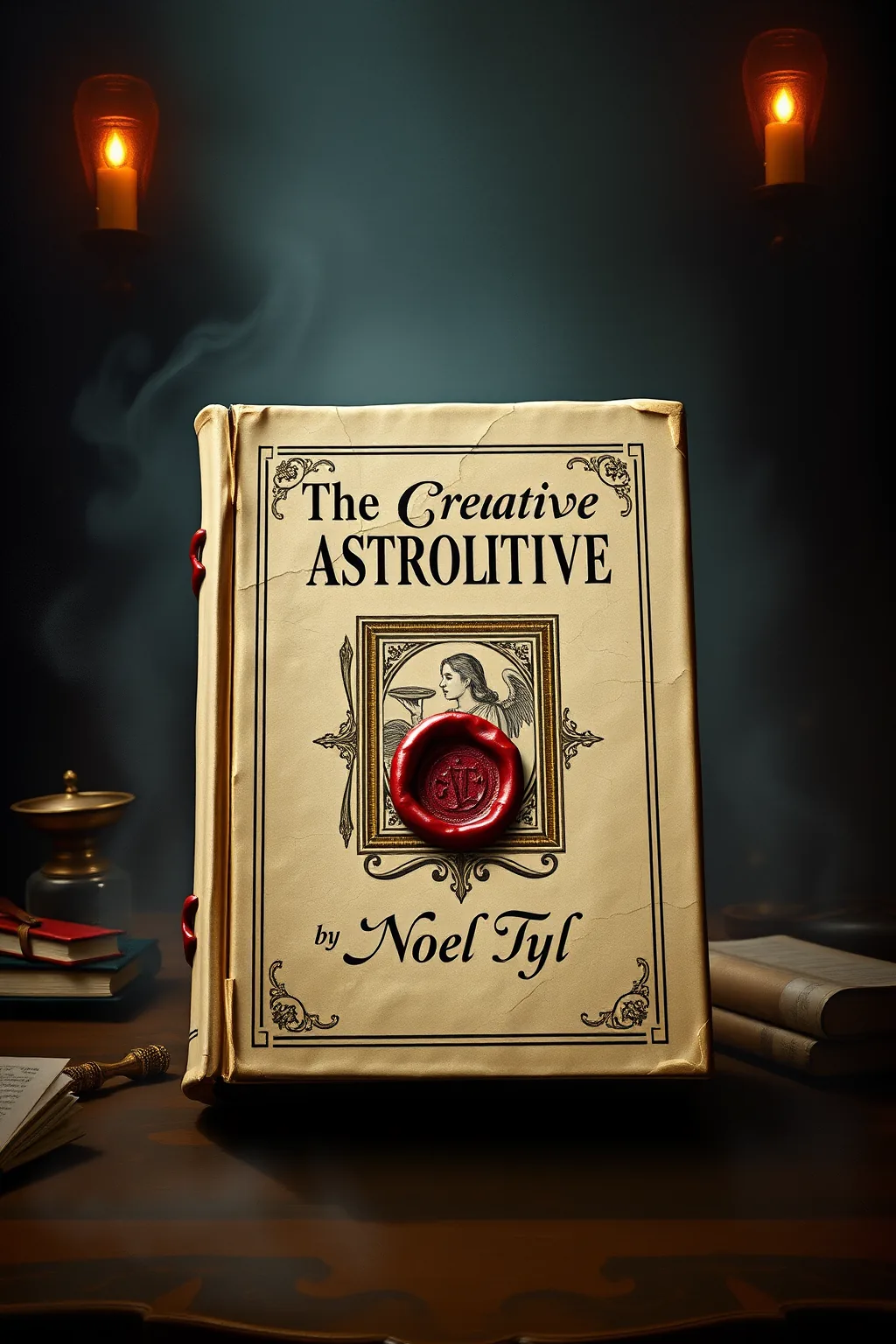
Noel Tyl's *Creative Astrologer* offers a potent antidote to formulaic astrological readings. Tyl eschews simplistic keyword associations for a more integrated, psychological approach. His strength lies in demonstrating how to synthesize disparate chart elements—planets in houses, aspects, and sign placements—into a coherent narrative of the psyche. The work clearly outlines methods for identifying core life patterns, a significant contribution for serious students. A limitation, however, is that the depth of analysis demands a considerable prior knowledge of astrological mechanics, potentially leaving absolute beginners adrift. The discussion around the 'Placidus House System' and its implications for interpreting life areas is particularly illuminating, showcasing Tyl's meticulousness. This is an advanced text for those ready to move beyond the superficial.
📝 Description
78
Noel Tyl's *Creative Astrologer*, published in 2000, offers a sophisticated method for astrological interpretation.
This book moves past simple prediction to examine the psychological and symbolic depths of natal charts. Tyl's method emphasizes understanding the inherent patterns within a birth chart as a guide for personal growth. He synthesizes chart factors into a cohesive narrative, presenting astrological influences dynamically rather than statically. The work is for astrologers and individuals who want to refine their interpretive skills and gain a deeper understanding of their own charts. A solid grasp of basic astrological principles is necessary to fully engage with the text.
Tyl focuses on identifying and articulating 'life patterns' shown by the birth chart. His techniques highlight the interactions between planets, signs, and houses. The goal is to create a psychological portrait that aids self-awareness and life direction. The book requires a rigorous, intellectual approach, integrating astrological symbolism with psychological insights for a structured interpretive framework.
Published in 2000, *Creative Astrologer* follows a tradition of psychological astrology, influenced by figures like Carl Jung and Dane Rudhyar. While the New Age movement's peak had passed, its emphasis on personal empowerment through esoteric disciplines continued. Tyl's work fits within this lineage, providing a more structured approach. He aimed to connect astrological symbolism directly with concrete psychological understanding, offering a less purely intuitive method than some contemporaries.
💡 Why Read This Book?
• Gain a nuanced understanding of astrological synthesis, moving beyond isolated planet-sign interpretations, as detailed in Tyl's methodology for weaving chart factors into a cohesive psychological portrait. • Learn to identify and articulate core life patterns within a natal chart, providing a framework for self-understanding that transcends simple prediction, as explored through his 'pattern' analysis. • Develop a more dynamic approach to astrological interpretation, viewing the birth chart as a blueprint for potential rather than a fixed destiny, a concept central to his 'creative' astrological philosophy.
⭐ Reader Reviews
Honest opinions from readers who have explored this book.
❓ Frequently Asked Questions
What astrological house system does Noel Tyl primarily use in *Creative Astrologer*?
Noel Tyl predominantly utilizes the Placidus house system in *Creative Astrologer*. This system is a common choice among astrologers and is discussed for its effectiveness in delineating life areas and psychological dynamics within the birth chart.
When was Noel Tyl's *Creative Astrologer* first published?
The book *Creative Astrologer* by Noel Tyl was first published in the year 2000. This places its emergence at the turn of the 21st century, within a mature phase of modern psychological astrology.
Is *Creative Astrologer* suitable for beginner astrologers?
While it offers profound insights, *Creative Astrologer* is generally considered more suitable for intermediate to advanced astrology students. It assumes a solid foundation in astrological concepts and aims to deepen interpretive skills rather than introduce basics.
What is Noel Tyl's core philosophy in this book regarding astrological interpretation?
Tyl's core philosophy centers on viewing the birth chart as a dynamic blueprint for potential and self-awareness. He emphasizes synthesizing chart elements to understand inherent life patterns and psychological structures, fostering personal growth rather than deterministic prediction.
Does the book discuss specific astrological techniques for synthesis?
Yes, *Creative Astrologer* details specific techniques for astrological synthesis. It guides readers on how to integrate planetary energies, signs, houses, and aspects to form a holistic and psychologically resonant interpretation of the natal chart.
What distinguishes Tyl's approach from other astrological methods?
Tyl's approach is distinguished by its rigorous psychological focus and emphasis on synthesizing chart components into a coherent narrative. He moves beyond fragmented interpretations to present a unified view of the individual's inherent potentials and life patterns.
🔮 Key Themes & Symbolism
Psychological Synthesis
The central theme is the integration of astrological factors into a unified psychological portrait. Tyl argues against atomistic interpretations, advocating for a method that synthesizes planetary placements, sign energies, house positions, and aspects to reveal coherent life patterns. This approach aims to provide a deeper understanding of the individual's core motivations, potentials, and challenges, moving beyond surface-level astrological readings and offering a framework for self-discovery and personal development.
Life Patterns and Potential
This theme focuses on identifying recurring themes and inherent potentials within the birth chart. Tyl presents the chart not as a fixed destiny but as a symbolic map of an individual's unique energetic configuration. By understanding these 'life patterns,' readers are encouraged to engage proactively with their astrological blueprint, using this knowledge as a tool for conscious growth and the realization of their highest potentials, rather than succumbing to predetermined outcomes.
Advanced Interpretive Techniques
The book offers advanced techniques for astrologers seeking to refine their interpretive skills. It moves beyond basic correlations to explore the nuances of synthesizing complex astrological data. Tyl's methodology provides a structured way to approach the natal chart, enabling practitioners to develop more sophisticated, psychologically informed, and meaningful readings for themselves and others, grounded in rigorous analysis.
The Astrologer as Creative Interpreter
A key aspect is the role of the astrologer as a creative interpreter. This involves not just reciting astrological correspondences but actively combining them into a meaningful narrative that empowers the client. The 'creative' aspect implies an artful and insightful application of astrological knowledge, fostering dialogue and insight, and helping individuals to better understand and navigate their life path with greater awareness and agency.
💬 Memorable Quotes
Direct passages from the work, attributed to the author.
“Understand the life patterns to unlock the potentials.”
— This interpretation of Tyl's work points to the practical application of astrological analysis. It suggests that by identifying the recurring themes and structures within a birth chart, one can gain access to and activate their inherent capacities for growth and fulfillment.
“The astrologer must be a creative interpreter, not a mere reporter.”
— This emphasizes the active and insightful role of the astrologer. It implies that the astrologer's skill lies in their ability to combine together astrological data into a coherent, meaningful narrative that serves the individual's self-understanding and growth.
💡 Key Ideas
Editorial paraphrase of the work's core concepts — not direct quotes.
The chart is a blueprint for potential, not a condemnation.
This paraphrased concept highlights Tyl's optimistic and empowering view of astrology. It suggests that the birth chart offers possibilities and inherent capacities rather than fixed limitations or predetermined negative outcomes, encouraging a proactive stance towards personal development.
Synthesis is the art of seeing the whole pattern.
This paraphrased idea underscores the book's central thesis on astrological interpretation. It emphasizes that true understanding comes not from analyzing individual chart components in isolation but from perceiving how they interconnect to form a unified, meaningful whole.
Beyond prediction lies the range of self-awareness.
This paraphrased concept positions astrology as a tool for introspection and psychological insight. It suggests that the true value of astrological study lies not in forecasting future events but in fostering a deeper understanding of oneself and one's inherent psychological makeup.
🌙 Esoteric Significance
Tradition
This work fits within the modern Western psychological and symbolic astrology tradition, which draws heavily on Hermetic principles of correspondence and the idea of the microcosm reflecting the macrocosm. While not explicitly Kabbalistic or Gnostic, it shares with these traditions an interest in symbolic language and archetypal patterns as keys to understanding human consciousness and destiny. Tyl's method represents a contemporary evolution, integrating astrological symbolism with modern psychological concepts, particularly those influenced by Jungian thought.
Symbolism
Key symbols include the birth chart itself, representing the totality of an individual's psychic blueprint, and the interplay of planets, signs, and houses, which symbolize distinct energies, modes of expression, and life arenas. Tyl emphasizes 'patterns' – recurring configurations of these symbols – as the primary carriers of meaning, suggesting that understanding these symbolic relationships unlocks deeper self-knowledge and potential.
Modern Relevance
Contemporary astrologers, particularly those focused on psychological and evolutionary astrology, continue to draw on Tyl's emphasis on synthesis and pattern analysis. His structured approach to interpretation and his focus on the chart as a map of potential remain relevant for practitioners seeking to offer clients insightful, empowering, and psychologically robust readings in an era where self-awareness and personal development are highly valued.
👥 Who Should Read This Book
• Aspiring and practicing astrologers seeking to elevate their interpretive skills beyond basic chart delineations, by learning advanced synthesis techniques. • Individuals interested in a deep psychological exploration of their own birth chart, aiming to understand core life patterns and inherent potentials. • Students of comparative esoteric systems interested in how modern psychological frameworks engage with ancient symbolic languages like astrology.
📜 Historical Context
Noel Tyl's *Creative Astrologer*, published in 2000, emerged within a landscape where psychological astrology had become a dominant force, heavily influenced by the work of Carl Jung and later popularized by figures like Dane Rudhyar. This era saw a shift away from purely predictive or fatalistic interpretations towards an emphasis on self-understanding and personal growth. While the New Age movement's peak had passed, its influence on esoteric thought, including astrology, remained strong, fostering an environment receptive to sophisticated interpretive frameworks. Tyl's approach, with its focus on synthesis and pattern recognition, offered a more structured and psychologically grounded methodology compared to some of the more intuitive or esoteric practices prevalent at the time. It built upon the foundations laid by earlier psychodynamic astrologers, seeking to provide a more rigorous and comprehensive system for understanding the natal chart as a tool for self-realization.
📔 Journal Prompts
The synthesis of planetary energies in your natal chart.
Identifying recurring life patterns through house and sign placements.
How the concept of 'potential' informs your view of your chart.
Articulating the core message of a specific astrological pattern.
The role of the astrologer as a creative interpreter.
🗂️ Glossary
Natal Chart
A symbolic map of the heavens at the precise moment and location of an individual's birth, used in astrology to interpret personality, potentials, and life path.
Placidus House System
A widely used method for dividing the astrological chart into twelve houses, based on the time it takes for celestial bodies to travel between specific points relative to the horizon.
Aspects
Angular relationships between planets and other significant points in a natal chart, believed to indicate how different energies interact and express themselves.
Synthesis
The process of integrating all the various components of a natal chart (planets, signs, houses, aspects) into a coherent and meaningful interpretation of the whole individual.
Life Patterns
Recurring themes, dynamics, or configurations within a natal chart that suggest consistent ways an individual interacts with the world and expresses their inherent potentials.
Psychological Astrology
An approach to astrology that emphasizes the use of astrological symbols to understand personality, inner conflicts, motivations, and developmental processes, often drawing on psychological theories.
Archetype
In Jungian psychology and esoteric thought, a universal, archaic pattern of the unconscious psyche that derives from the experience of the species; astrological symbols are often seen as representing archetypes.
🔮 Readers Also Liked
Browse all →







More by Noel Tyl
All books →





More Free Astrology & Cosmology Books
View all →