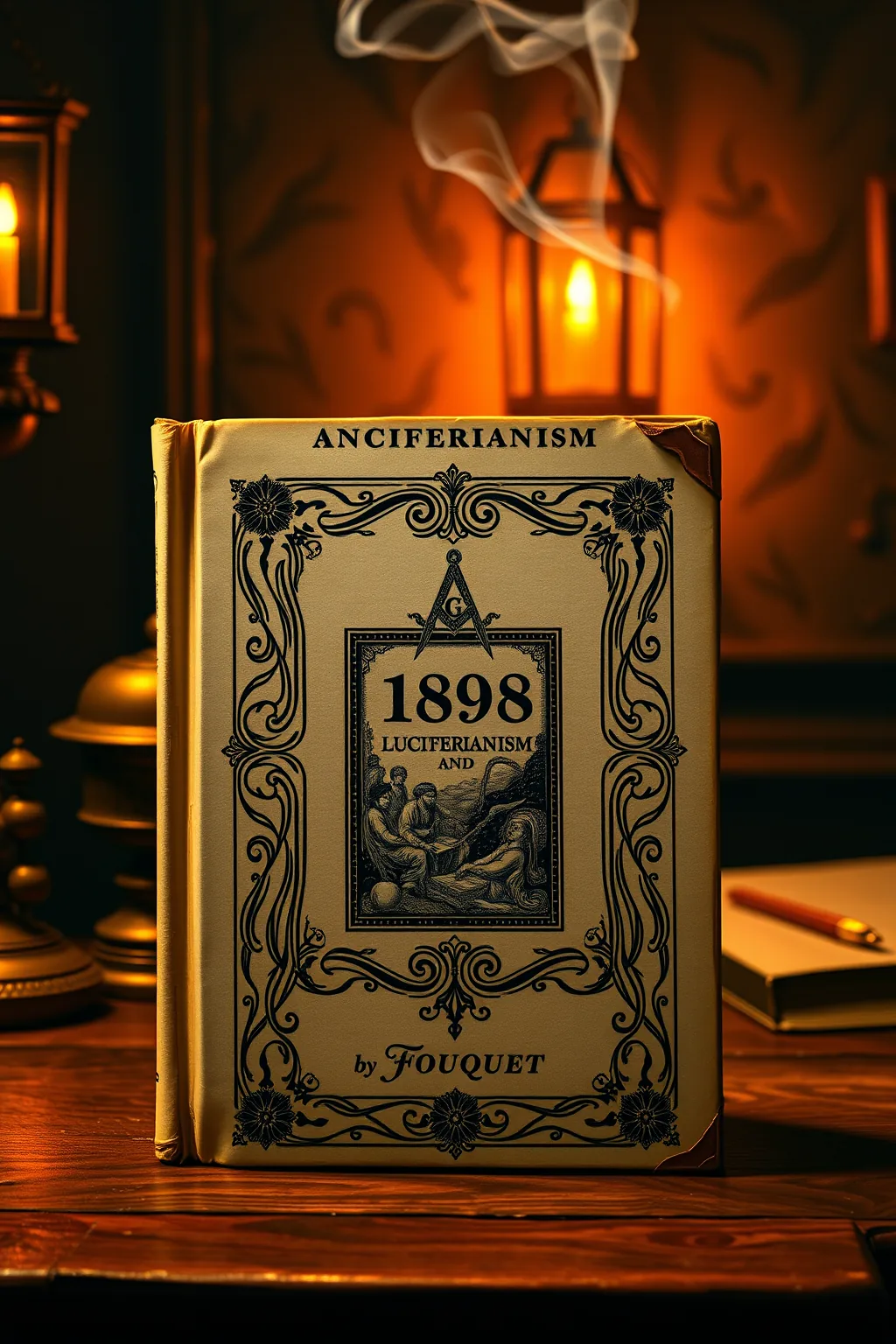
1898 Luciferianism And Satanism In English Freemasony Fouquet Complete nwo illuminati
 83
83

1898 Luciferianism And Satanism In English Freemasony Fouquet Complete nwo illuminati

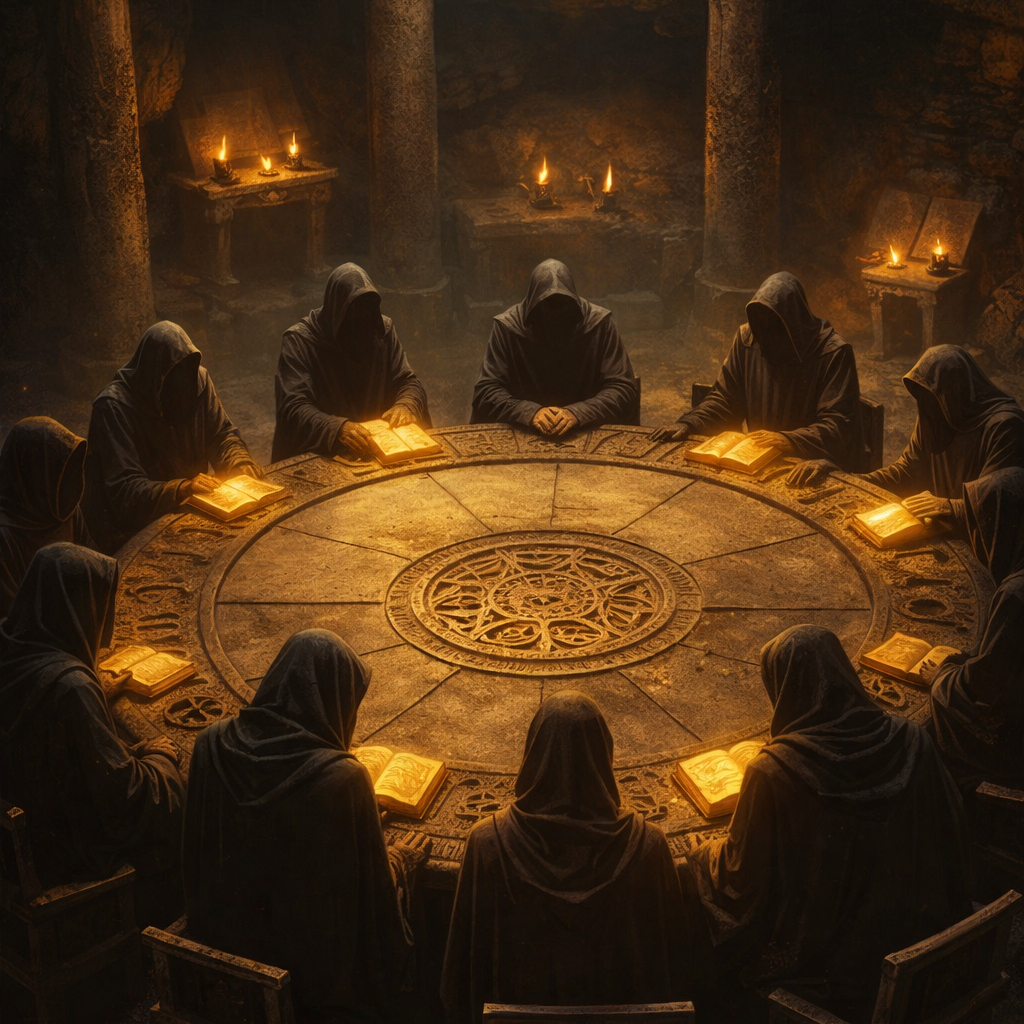

The 1898 text 'Luciferianism And Satanism In English Freemasony Fouquet Complete nwo illuminati' is a treasure trove for modern esoteric seekers. Written in a time when secrecy and mystery were paramount, the book provides a rare glimpse into the inner workings of Freemasonry and its occult influences. The author's meticulous research and detailed analysis make this a valuable resource for anyone interested in the hidden histories of secret societies. The book's exploration of Luciferianism and Satanism within Freemasonry is particularly enlightening, offering insights that are as relevant today as they were over a century ago. For those seeking to understand the deeper meanings behind Freemasonry's symbols and rituals, this book is an indispensable guide. Its historical context and esoteric depth make it a must-read for anyone delving into the world of the occult.
📝 Description
83
Fouquet's 1898 text examines Luciferian and Satanic elements within English Freemasonry.
Fouquet's 1898 work, 'Luciferianism And Satanism In English Freemasonry', presents an examination of esoteric currents allegedly present in English Masonic lodges. The author investigates what they perceived as hidden symbolism and occult layers within the fraternity's rituals and lore. The book suggests a connection between Freemasonry's public face and deeper, less understood mystical traditions. It aims to uncover these connections for those interested in the occult history of secret societies.
The text is structured around the author's interpretation of these esoteric influences. It attempts to link various symbols and practices to Luciferian and Satanic concepts, drawing on the author's understanding of occult philosophy. The book is written for readers who seek a deeper comprehension of the hidden aspects attributed to Freemasonry, moving beyond conventional historical accounts.
This book emerges from the late 19th-century European occult revival, a period marked by intense interest in secret societies, Hermeticism, and Gnosticism. Writers of this era often sought to uncover hidden spiritual or magical traditions they believed lay beneath the surface of established institutions, including Freemasonry. Fouquet's work fits within this trend of esoteric scholarship that reinterpreted Masonic symbolism through lenses of ancient mysteries and alleged forbidden knowledge.
💡 Why Read This Book?
Reading '1898 Luciferianism And Satanism In English Freemasony Fouquet Complete nwo illuminati' today provides a unique perspective on the historical and esoteric dimensions of Freemasonry. It offers readers a deeper understanding of the occult influences that have shaped this secret society over the years. By exploring the themes of Luciferianism and Satanism, readers gain insights into the symbolic and ritualistic practices that have been a part of Freemasonry's mystique. This book is particularly valuable for those interested in the intersection of history, esoteric studies, and secret societies.
⭐ Reader Reviews
Honest opinions from readers who have explored this book.
❓ Frequently Asked Questions
What is the main focus of '1898 Luciferianism And Satanism In English Freemasony Fouquet Complete nwo illuminati'?
The main focus of this book is the exploration of Luciferianism and Satanism within English Freemasonry, providing historical context and esoteric insights.
Who would benefit from reading this book?
Scholars, historians, and anyone with an interest in the occult and esoteric studies would benefit from reading this book.
What makes this book unique compared to other works on Freemasonry?
This book offers a rare and detailed look into the occult influences and esoteric practices within Freemasonry, making it a unique resource for understanding the hidden dimensions of this secret society.
🔮 Key Themes & Symbolism
Hidden Knowledge
The book explores the hidden knowledge and esoteric traditions that form the foundation of Freemasonry. Readers will discover the ancient mysteries and modern secrets that lie beneath the surface of this secretive society.
Symbolism
Fouquet's work explores the detailed symbolism within Freemasonry, revealing the occult and mystical meanings behind the rituals and lore. This theme is essential for understanding the deeper philosophical significance of Freemasonry.
Philosophical Significance
The book offers a profound philosophical journey through the labyrinthine corridors of Freemasonry's enigmatic past. This theme is crucial for those seeking to understand the esoteric dimensions of Freemasonry and its impact on modern thought.
💡 Key Ideas
Editorial paraphrase of the work's core concepts — not direct quotes.
The true secrets of Freemasonry lie hidden in plain sight.
This quote underscores the idea that the deepest truths of Freemasonry are often obscured by symbolism and ritual.
The path to enlightenment is paved with ancient mysteries.
This line highlights the connection between ancient esoteric traditions and the modern practices of Freemasonry.
The occult dimensions of Freemasonry reveal a world of hidden knowledge.
This passage emphasizes the importance of exploring the esoteric aspects of Freemasonry to uncover its true significance.
Symbolism is the language of the initiates.
This quote suggests that understanding the symbolism within Freemasonry is key to unlocking its deeper meanings.
The philosophical journey of Freemasonry is a labyrinth of mysteries.
This line underscores the complexity and depth of the esoteric traditions within Freemasonry.
🌙 Esoteric Significance
Tradition
This book belongs to the Hermetic and Gnostic traditions, focusing on the esoteric dimensions of Freemasonry. It explores the ancient mysteries and modern secrets that form the backbone of Freemasonry's rituals and lore.
Symbolism
Key symbols in this book include the all-seeing eye, the square and compass, and the pentagram. These symbols are explored in depth, revealing their occult and mystical meanings within the context of Freemasonry.
Modern Relevance
The themes and insights presented in this book are still relevant today, influencing modern practitioners and scholars of the occult. Many contemporary Freemasons and esotericists draw upon the ideas presented in this text to deepen their understanding of the mystical arts.
👥 Who Should Read This Book
This book is ideal for scholars of Freemasonry and the occult, practitioners of the mystical arts, and spiritual seekers interested in the esoteric dimensions of Freemasonry. Beginners may find the content challenging but rewarding, while advanced readers will appreciate the depth of esoteric knowledge presented.
📜 Historical Context
Published in 1898, 'Luciferianism And Satanism In English Freemasonry' by Fouquet emerged during a time when interest in the occult and esoteric traditions was on the rise. The late 19th century saw a resurgence of interest in Freemasonry, with many seeking to understand its hidden symbolism and rituals. This book was important for its exploration of the darker aspects of Freemasonry, revealing the Luciferian and Satanic themes that have long been a part of its lore. The influence of this work can still be seen in modern studies of Freemasonry and the occult.
📔 Journal Prompts
Reflect on the hidden knowledge revealed in this book and how it relates to your understanding of Freemasonry.
Consider the symbolism within Freemasonry and its significance in your spiritual journey.
Explore the philosophical implications of the esoteric traditions discussed in this text.
How does this book's exploration of Luciferianism and Satanism within Freemasonry challenge or confirm your existing beliefs?
What insights from this book can you apply to your own practices or studies of the occult?
🗂️ Glossary
Luciferianism
The belief system that venerates Lucifer as a symbol of enlightenment and rebellion against oppressive authority.
Satanism
A religious or philosophical system that reveres Satan as a deity or symbol of individualism and personal power.
Esoteric
Knowledge or beliefs that are intended for a select few and are often hidden from the general public.
Symbolism
The use of symbols to represent abstract ideas or qualities, often used in rituals and lore within secret societies.
Freemasonry
A fraternal organization known for its secret rituals and symbolism, often associated with esoteric and mystical traditions.
This book appears in 2 collections
🔮 Readers Also Liked
Browse all →





From the “Secret Societies” Collection
View all →




More Free Freemasonry & Secret Societies Books
View all →