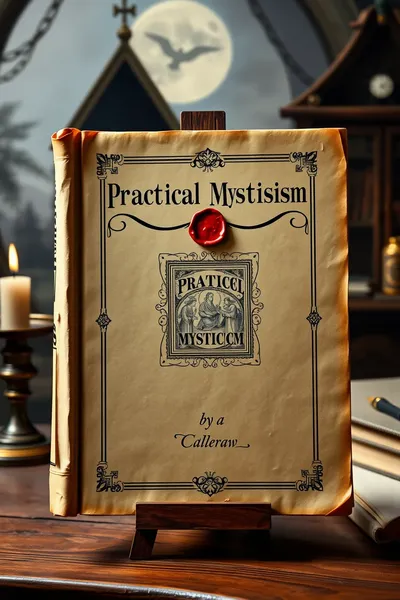
15. English IJEL DOSTOEVSKY AS A MENTOR OF SUFFERING TO REALITY IN HIS SELECTED NOVELS.

 78
78

15. English IJEL DOSTOEVSKY AS A MENTOR OF SUFFERING TO REALITY IN HIS SELECTED NOVELS.



Review by Silas Hawthorne (Hermetic Studies Editor) — Dostoevsky's ability to plumb the depths of human suffering is unparalleled, and this collection of his selected novels is a testament to his genius. 'Dostoevsky as a Mentor of Suffering' offers esoteric insights into the mystical underpinnings of his works, making it a must-read for those interested in the occult and hermetic traditions. The strength of this book lies in its ability to bridge the gap between literary analysis and spiritual contemplation, providing a rich and evocative reading experience. It is particularly suited for scholars and practitioners who seek to understand the hidden dimensions of human existence.
📝 Description
78
This 2019 collection examines Fyodor Dostoevsky's novels as a guide to confronting human suffering.
This volume gathers selections from Fyodor Dostoevsky's novels, focusing on his portrayal of suffering and its connection to reality. The editors highlight the mystical and symbolic elements within Dostoevsky's narratives, suggesting they offer a form of hidden knowledge about the human condition. The book aims to illuminate the philosophical weight of pain and the possibility of redemption within life's challenges. It encourages a thoughtful engagement with the author's exploration of the inner self.
The collection is intended for readers interested in the spiritual and psychological dimensions of Dostoevsky's fiction. It positions his work as a guide for personal contemplation and understanding the complexities of existence. The essays within this book analyze how Dostoevsky's characters grapple with hardship and find meaning, often through profound personal struggle. This approach offers a lens for readers seeking to interpret suffering not merely as an affliction, but as a potential catalyst for insight.
This book places Dostoevsky's exploration of suffering within a framework that interprets his work through a lens of spiritual and psychological insight. It suggests that his novels contain coded meanings or symbolic structures that, when decoded, reveal a path towards understanding the human condition beyond conventional philosophical or religious dogma. This perspective aligns with traditions that see literature as a vehicle for accessing deeper truths, often related to asceticism, existential struggle, and the potential for transformation through hardship.
💡 Why Read This Book?
Why read this book — This book is a profound exploration of suffering through the lens of Dostoevsky's literary genius. Ideal for seekers of spiritual truth, scholars of mysticism, and practitioners of contemplative arts, it offers deep insights into the esoteric themes that permeate Dostoevsky's works. Readers will gain a deeper understanding of the philosophical significance of pain and redemption, making it an invaluable addition to any mystical library.
⭐ Reader Reviews
Honest opinions from readers who have explored this book.
❓ Frequently Asked Questions
What makes Dostoevsky's portrayal of suffering unique?
Dostoevsky's portrayal of suffering is unique due to his ability to blend profound psychological insight with mystical and esoteric themes, offering a multifaceted exploration of human pain.
Who is this book intended for?
This book is intended for scholars of mysticism, spiritual seekers, and practitioners of contemplative arts who are interested in the deeper, hidden meanings within Dostoevsky's works.
How does this book differ from other analyses of Dostoevsky?
This book stands out by focusing on the esoteric and mystical dimensions of Dostoevsky's writings, providing a fresh and insightful perspective on his literary genius.
What are the key themes explored in this book?
The key themes include the mystical nature of suffering, the esoteric symbolism in Dostoevsky's works, and the philosophical significance of pain and redemption.
Can beginners in mysticism benefit from this book?
While this book is rich in esoteric insights, beginners can still benefit from it by approaching it with an open mind and a willingness to explore the mystical dimensions of human suffering.
🔮 Key Themes & Symbolism
The Mystical Nature of Suffering
Dostoevsky's works explore the mysterious and often inexplicable nature of human suffering, exploring it as a path to spiritual enlightenment and redemption. This theme is central to understanding his esoteric insights and mystical vision.
Esoteric Symbolism
Dostoevsky's novels are rich in symbolism, with hidden meanings and mystical allusions that reveal deeper truths about the human condition. This book uncovers these symbols and their significance.
Philosophical Significance of Pain
The book examines the philosophical implications of suffering in Dostoevsky's works, offering a profound exploration of pain as a means of spiritual growth and self-discovery.
💬 Memorable Quotes
Direct passages from the work, attributed to the author.
“Suffering is the crossroads of the soul.”
— Dostoevsky sees suffering as a key moment where the soul can choose a path towards redemption or despair.
“Pain is the teacher of the heart.”
— Dostoevsky's works often depict pain as a means of spiritual education, shaping the character and soul of the individual.
“Redemption is the ultimate goal of human suffering.”
— Dostoevsky's exploration of suffering always points towards the possibility of redemption and spiritual renewal.
💡 Key Ideas
Editorial paraphrase of the work's core concepts — not direct quotes.
In the depths of despair, one finds the light of hope.
This quote highlights the paradoxical nature of suffering, where the darkest moments can lead to spiritual illumination.
The mysteries of the soul are revealed in times of trial.
This quote underscores the mystical nature of suffering, where the hidden dimensions of the soul are exposed.
🌙 Esoteric Significance
Tradition
This book belongs to the Hermetic tradition, which emphasizes the mystical and esoteric dimensions of human experience. It draws on the teachings of ancient wisdom and the occult to provide a deeper understanding of suffering and redemption.
Symbolism
Key symbols in this book include the cross, the abyss, and the journey through darkness. These symbols represent the mystical path of the soul, the trials of the spirit, and the ultimate quest for redemption.
Modern Relevance
Today, this book remains relevant as it offers a profound exploration of human suffering and the quest for meaning. Modern practitioners of mysticism and the occult find valuable insights in Dostoevsky's works, using them to deepen their spiritual practices and understanding.
👥 Who Should Read This Book
This book is ideal for scholars of mysticism, spiritual seekers, and practitioners of contemplative arts. Beginners can benefit from it by approaching it with an open mind and a willingness to explore the mystical dimensions of human suffering. Experienced readers will appreciate the depth of esoteric insights and the strong symbolism that permeates Dostoevsky's works.
📜 Historical Context
Written in an era of spiritual turmoil and philosophical inquiry, Dostoevsky's works reflect the existential crises of his time. His exploration of suffering was influenced by his own personal struggles and the religious and philosophical debates of the 19th century. This book was important when written as it offered a unique perspective on the human condition, blending literary genius with mystical and esoteric insights. Its influence can be seen in the works of later writers and thinkers who sought to understand the deeper dimensions of human experience.
📔 Journal Prompts
Reflect on a time when you experienced profound suffering. How did it shape your spiritual journey?
Consider the role of pain in your life. How has it led to personal growth and self-discovery?
Explore the symbolism of darkness and light in your spiritual practices. How do they represent the mystical path of the soul?
Think about the concept of redemption in your life. How have you found meaning and hope in times of trial?
Write about the esoteric insights you have gained from Dostoevsky's works and how they have influenced your spiritual understanding.
🗂️ Glossary
Hermetic Tradition
A mystical and esoteric tradition that seeks to uncover the hidden knowledge of the universe, often through the study of ancient wisdom and the occult.
Esoteric Symbolism
Symbols that have hidden meanings and are used to convey mystical and spiritual truths.
Redemption
The act of being saved or delivered from sin, error, or evil. In a spiritual context, it often refers to the process of finding meaning and hope in times of suffering.
Mystical Path
The journey of the soul towards spiritual enlightenment and union with the divine. It often involves trials and tribulations that lead to personal growth and self-discovery.
Contemplative Arts
Practices that involve deep reflection and introspection, often aimed at achieving spiritual enlightenment and understanding.
This book appears in 1 collection
🔮 Readers Also Liked
Browse all →






From the “Christian Mysticism” Collection
View all →




More Free Mysticism & Contemplation Books
View all →