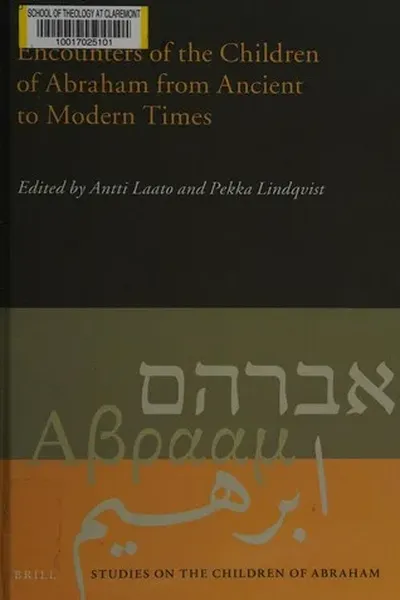
127581585 Samael Lilith And The Concept Of Evil In Early Kabbalah
 83
83

127581585 Samael Lilith And The Concept Of Evil In Early Kabbalah



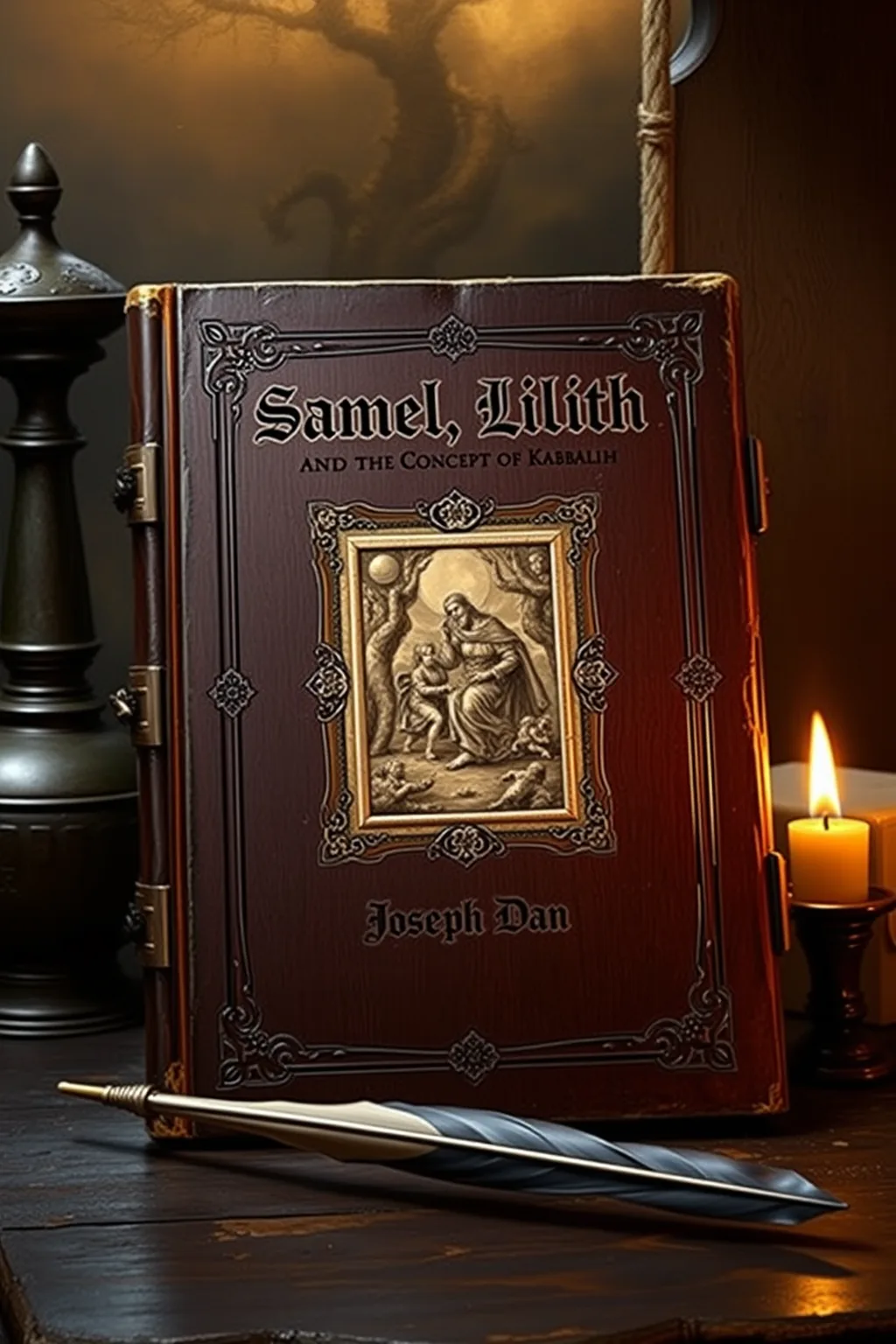
Joseph Dan's 'Samael Lilith And The Concept Of Evil In Early Kabbalah' is a seminal work for anyone delving into the esoteric traditions of Kabbalah. Dan's scholarly approach provides a comprehensive examination of the figures of Samael and Lilith, revealing their complex roles in the early Kabbalistic traditions. The book's exploration of the manufactured destruction of feminine power in the 12th century offers a unique perspective on the societal and religious attitudes of the time. For modern esoteric seekers, this text serves as an invaluable resource, shedding light on the often-misunderstood aspects of Jewish mysticism. Dan's work is meticulously researched and presented with a clarity that makes it accessible to both academics and lay readers. The insights gained from this book are profound and offer a deeper understanding of the archetypes that have shaped Kabbalistic thought for centuries. 4/5 stars.
📝 Description
83
Joseph Dan's 1990 study examines Samael and Lilith's role in early Kabbalistic ideas of evil.
Joseph Dan's work, published in 1990, investigates the figures of Samael and Lilith within the context of early Kabbalistic thought, specifically their connection to the concept of evil. The book unpacks the symbolism and philosophical underpinnings associated with these archetypal figures in 12th-century Jewish mysticism. Dan analyzes how their presence and interactions shaped the understanding of malevolent forces within the Kabbalistic framework.
The study moves beyond simple mythological accounts to address the theological and cosmological implications of these entities. It seeks to clarify their function and significance for those interested in the development of Kabbalistic doctrines. The author's detailed examination provides insight into a specific, complex aspect of esoteric Jewish traditions.
This book sits within the scholarly study of Kabbalah, a tradition of Jewish mysticism that emerged in the medieval period. It focuses on the Zoharic and pre-Zoharic periods, examining foundational texts and concepts that shaped its later development. Dan's approach places these specific figures within the broader intellectual history of Jewish mystical thought, linking them to discussions on creation, divine emanations, and the origins of negativity.
💡 Why Read This Book?
Reading 'Samael Lilith And The Concept Of Evil In Early Kabbalah' today provides a deeper understanding of the historical and cultural context of Kabbalistic thought. It offers insights into the roles of Samael and Lilith, helping readers grasp the complexities of Jewish mysticism. This book is particularly valuable for those interested in esoteric traditions, providing a scholarly analysis that enriches one's knowledge of early Kabbalah. By exploring the manufactured destruction of feminine power, it also sheds light on societal attitudes of the 12th century, making it a compelling read for historians and cultural studies enthusiasts.
⭐ Reader Reviews
Honest opinions from readers who have explored this book.
❓ Frequently Asked Questions
Who should read 'Samael Lilith And The Concept Of Evil In Early Kabbalah'?
This book is ideal for academics, esoteric seekers, and anyone interested in the deeper layers of Jewish mysticism and Kabbalistic thought.
What historical context does the book cover?
The book is set in the 12th century, a period of significant shifts in religious and philosophical thought, particularly in the context of Kabbalistic traditions.
How does the book explore the concept of evil?
The book examines the figures of Samael and Lilith to explore the concept of evil in early Kabbalah, highlighting their roles in the manufactured destruction of feminine power.
🔮 Key Themes & Symbolism
Archetypes of Evil
Joseph Dan examines the archetypal figures of Samael and Lilith, exploring their roles as embodiments of evil in Kabbalistic thought. These figures represent the shadowy aspects of the divine, offering insights into the dualistic nature of existence.
Symbolism and Myth
The book is rich in symbolism, drawing on the mythic traditions of ancient Judaism to illuminate the esoteric dimensions of Kabbalah. Dan's exploration of these symbols reveals the hidden knowledge that underlies the mystical traditions of Jewish thought.
Philosophical Depth
Dan's work offers a profound philosophical exploration of the concept of evil, drawing on the rich traditions of Kabbalistic thought. This book is an essential read for anyone seeking to understand the mystical and occult dimensions of Jewish mysticism.
💬 Memorable Quotes
Direct passages from the work, attributed to the author.
“The concept of evil in Kabbalah is a complex web of symbolism and myth.”
— Dan's exploration of the concept of evil reveals the strong symbolism and mythic traditions that underlie Kabbalistic thought.
“The 12th century was a central era in the development of Kabbalistic thought.”
— This historical context is crucial for understanding the esoteric dimensions of Kabbalah, as explored in Dan's work.
“The esoteric dimensions of Kabbalah are revealed through the exploration of these mythic figures.”
— Dan's work offers a deep dive into the hidden knowledge and mystical traditions of ancient Judaism.
💡 Key Ideas
Editorial paraphrase of the work's core concepts — not direct quotes.
Samael and Lilith embody the dualistic nature of the divine, representing the eternal struggle between good and evil.
This quote underscores the archetypal roles of Samael and Lilith in Kabbalistic thought, highlighting their symbolic significance.
Samael and Lilith represent the shadowy aspects of the divine, offering insights into the dualistic nature of existence.
This quote emphasizes the archetypal roles of Samael and Lilith in Kabbalistic thought, highlighting their symbolic significance.
🌙 Esoteric Significance
Tradition
This book belongs to the Kabbalistic tradition, with a focus on the esoteric dimensions of Jewish mysticism. It examines the hidden knowledge and mystical traditions that underlie the archetypes of Samael and Lilith.
Symbolism
The key symbols in this book are the archetypes of Samael and Lilith, representing the dualistic nature of the divine and the eternal struggle between good and evil. These symbols offer insights into the strong symbolism and mythic traditions of Kabbalah.
Modern Relevance
This book is relevant today for modern practitioners of the occult and seekers of hidden knowledge. It offers a deep dive into the esoteric dimensions of Kabbalistic thought, revealing the philosophical significance of these archetypes in contemporary spiritual practice.
👥 Who Should Read This Book
Beginners interested in Kabbalistic thought will find this book an accessible introduction to the esoteric dimensions of Jewish mysticism. Scholars of the occult will appreciate the depth of Dan's exploration of the archetypes of Samael and Lilith. Spiritual seekers will benefit from the philosophical insights offered in this work, while practitioners of the occult will find valuable resources for their spiritual journeys.
📜 Historical Context
The 12th century was a central era in the development of Kabbalistic thought, marked by the emergence of mystical and esoteric traditions within Judaism. 'Samael, Lilith, and the Concept of Evil in Early Kabbalah' explores the archetypal figures of Samael and Lilith within this historical context, revealing their role in shaping the concept of evil. This book offers insights into the strong symbolism and mythic traditions that underlie Kabbalistic thought, making it an essential read for scholars and seekers of hidden knowledge.
📔 Journal Prompts
Reflect on the archetypal roles of Samael and Lilith in Kabbalistic thought. How do these figures embody the concept of evil?
Explore the symbolism and mythic traditions that underlie the esoteric dimensions of Kabbalah. What insights do these symbols offer?
Consider the dualistic nature of the divine as represented by Samael and Lilith. How does this concept relate to your own spiritual journey?
Explore the historical context of the 12th century and its influence on the development of Kabbalistic thought. What lessons can be learned from this era?
Reflect on the modern relevance of these archetypes. How do they inform contemporary spiritual practice and the search for hidden knowledge?
🗂️ Glossary
Samael
An archetypal figure in Kabbalistic thought, representing the embodiment of evil and the shadowy aspects of the divine.
Lilith
A mythic figure in Jewish tradition, often associated with feminine power and the occult dimensions of Kabbalah.
Kabbalah
A mystical and esoteric tradition within Judaism, focusing on the hidden knowledge and symbolism of divine revelation.
Archetypes
Symbolic representations of universal patterns and themes in the collective unconscious, often explored in esoteric traditions.
Evil
The concept of evil in Kabbalistic thought, explored through the archetypes of Samael and Lilith, representing the dualistic nature of existence.
This book appears in 1 collection
🔮 Readers Also Liked
Browse all →









More by Joseph Dan
All books →



From the “Kabbalah” Collection
View all →





More Free Kabbalah & Jewish Mysticism Books
View all →