Sudha
Sudha, meaning "nectar" or "ambrosia" in Sanskrit, refers to the divine elixir that grants immortality and eternal youth in Hindu mythology. It is often associated with the churning of the cosmic ocean, producing this celestial substance that sustains the gods.
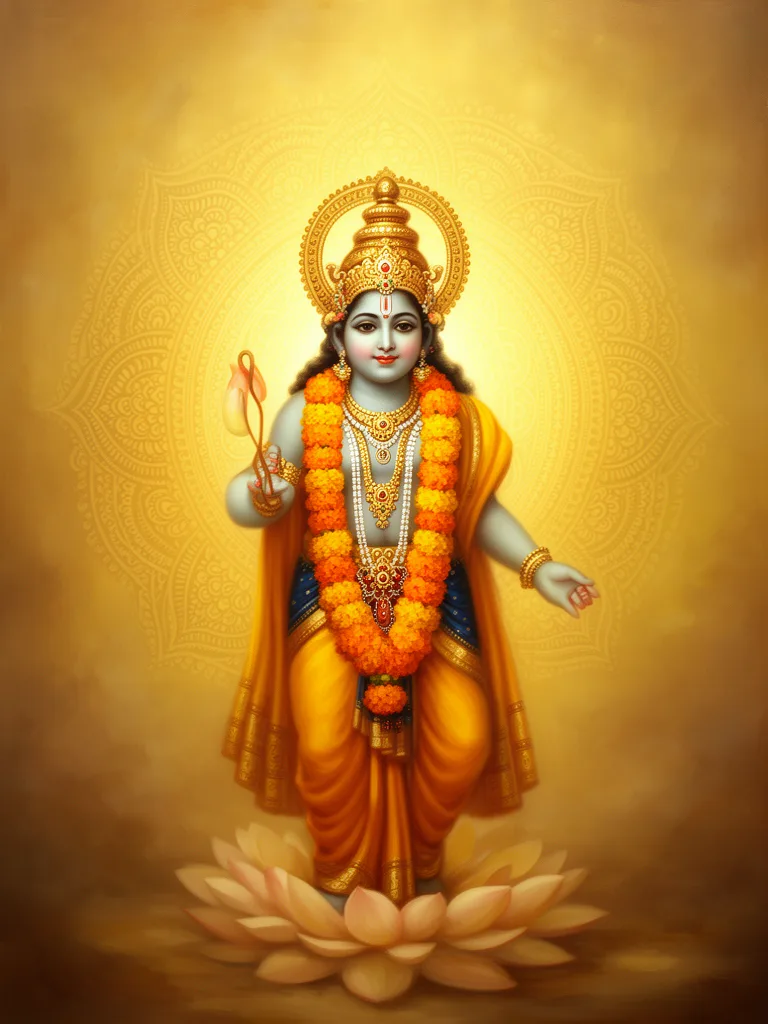
Where the word comes from
The Sanskrit word sudhā (सुधा) derives from roots signifying "sweetness" or "pure." It is cognate with the Greek ambrosia, the food of the gods, suggesting a universal concept of divine sustenance. The term appears in ancient Vedic texts and Puranic literature.
In depth
The food of tlie gods, akin to <nnrit(i t\w substance tiiat gives immortality. S'udra (Skj. The last of tlie four castes that sprang from Brahma's body. The "servile caste" that issued from the foot of the deity.
How different paths see it
What it means today
The notion of sudhā, the nectar of immortality, resonates deeply within the Hindu tradition, offering a rich metaphor for the pursuit of spiritual liberation. Mircea Eliade, in his seminal works on religion, often explored the symbolic weight of such divine elixirs, which represent not just an absence of death but a qualitative transformation of existence, a state of being beyond the limitations of the mortal coil. This celestial drink, churned from the cosmic ocean, signifies the profound effort and divine grace required to achieve a higher state of consciousness. It is not merely a potion but a symbol of the ultimate reward for spiritual striving, a taste of the divine that can be experienced even within this life through practices like yoga and meditation, which aim to purify the mind and body, making them receptive to inner illumination. Carl Jung might have seen it as an archetypal symbol of individuation, the process of becoming whole and realizing one's true, divine potential. The sudhā is the fruit of cosmic labor, a reminder that profound spiritual realization is often the culmination of immense effort and the harmonious interplay of opposing forces, much like the churning of the ocean. It speaks to the possibility of transcending the ordinary, of imbibing a substance that fundamentally alters one's nature, transforming the ephemeral into the eternal. The aspiration towards sudhā is an aspiration towards an unblemished, luminous existence, a state of perfect awareness and bliss. It is the promise of an inner nectar, waiting to be discovered through the arduous yet ultimately rewarding journey of self-realization. This divine draught suggests that immortality is not merely an escape from physical demise, but an awakening to a boundless, eternal consciousness.
RELATED_TERMS: Amrita, Soma, Moksha, Nirvana, Enlightenment, Deva, Brahman, Atman
Related esoteric terms
Books on this concept






No reflections yet. Be the first.
Share your interpretation, experience, or question.
