Nath
A spiritual master or accomplished yogi, particularly within the influential Nath tradition of Hinduism. The term signifies "lord" or "master," denoting one who has attained spiritual sovereignty and often possesses profound yogic powers and esoteric knowledge.
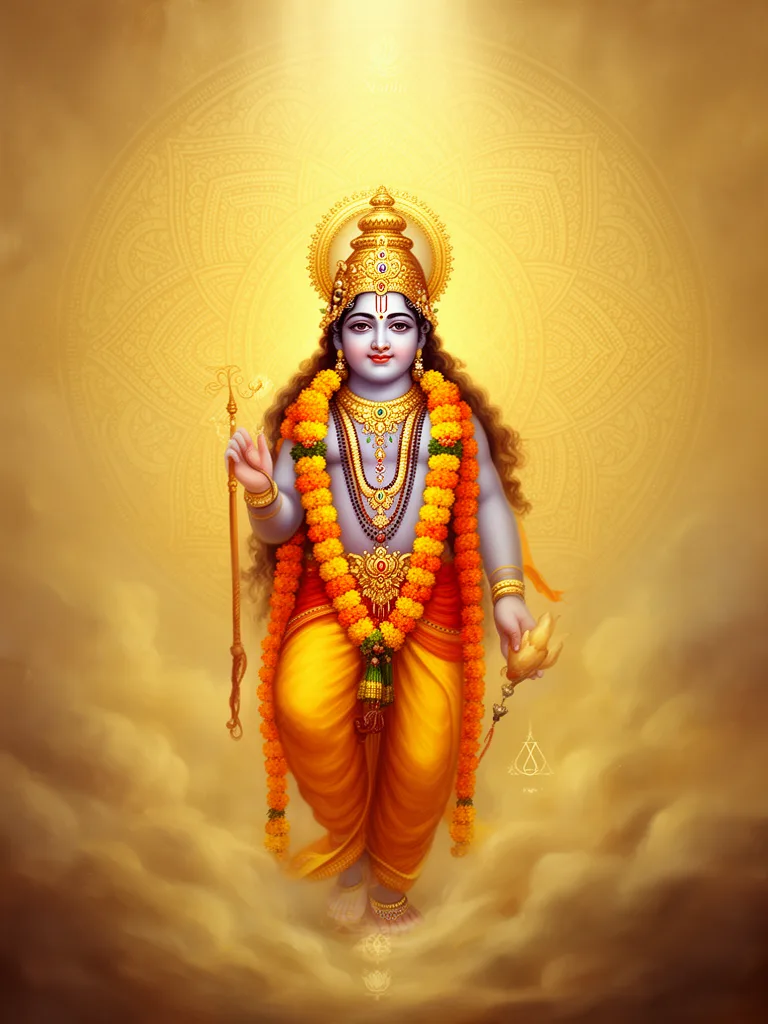
Where the word comes from
Derived from the Sanskrit word "nātha" (नाथ), meaning "lord," "master," or "protector." It is related to the root "nāh," signifying "to bind" or "to rule." The term has been in use for centuries, appearing in various Hindu scriptures and yogic lineages.
In depth
A Lord: used of gods and men; a title added to the first name of men and things as Badrinath (lord of mountains), a famous place of pilgrimage; Gopinath (lord of the shepherdesses), used of Krishna.
How different paths see it
What it means today
Blavatsky's definition, while accurate in its etymological sense of "lord," hints at a deeper resonance when applied to the Nath yogis. They are not merely lords of something, but lords unto themselves, having achieved a profound mastery over the self, the ultimate dominion. This mastery is not born of external power but of internal discipline, a rigorous application of yogic science that, as Mircea Eliade observed in his seminal work "Yoga: Immortality and Freedom," aims at the transformation of the practitioner's entire being. The Nath tradition, with its roots in tantra and Hatha Yoga, seeks a holistic liberation, a union of the individual soul (Atman) with the universal consciousness (Brahman). The practices associated with the Nath, such as specific pranayama, mudras, and bandhas, are designed to purify the body and mind, making them fit vessels for the divine spark, the kundalini, which, when awakened, is said to lead to samadhi, or profound meditative absorption. The Nath yogi, therefore, is not just a teacher but a living embodiment of the spiritual path, a testament to the transformative power of dedicated practice and the potential for human consciousness to achieve a state of supreme self-possession. Their existence serves as a beacon, demonstrating that true sovereignty lies not in ruling others, but in mastering the self.
Related esoteric terms
Books on this concept







No reflections yet. Be the first.
Share your interpretation, experience, or question.
