Tantra
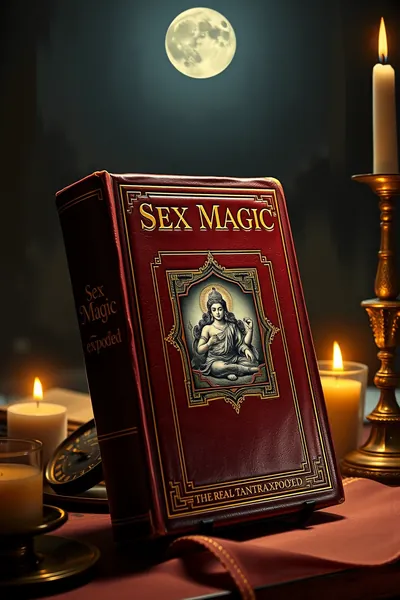
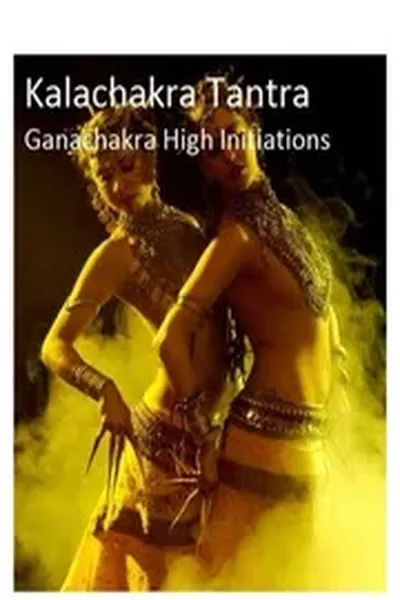
Tantra refers to a set of esoteric traditions originating in India, encompassing spiritual practices, rituals, and philosophies aimed at harnessing inner energies for liberation or spiritual attainment. It often involves symbolic rituals, meditation, and sometimes unconventional methods to transcend ordinary consciousness.
Where the word comes from
The Sanskrit word "Tantra" (तन्त्र) literally means "loom," "warp," or "system," suggesting a framework or woven structure. Its etymological roots imply continuity, extension, and the underlying principle of a tradition or doctrine. The term emerged in Indian religious literature around the 5th century CE.
In depth
Lit., "rule or ritual". Certain mystical and magical works, who.se chief peculiarity is the worship of the female power, personified in Sakti. Devi or Durga (KTili, Siva's wife) is the special energy connected with .sexual rites and magical powers — the worst form of black magic or sorcery.
How different paths see it
What it means today
Blavatsky's definition, though tinged with the Victorian apprehension of the "occult" and prone to conflating Tantra with its more sensationalist or "black magic" manifestations, touches upon a core aspect: the potent use of energy. The Sanskrit root, "tantra," meaning "loom" or "warp," evokes a sense of intricate weaving, of creating a fabric of reality through deliberate practice. Mircea Eliade, in his seminal works on yoga and shamanism, recognized Tantra as a system that sought to "recreate the cosmos within the microcosm of the body."
This is not about escaping the world, but about re-enchanting it from within. The emphasis on Shakti, the divine feminine energy, is crucial. It’s the primordial creative force, often personified as Devi or Durga, whose worship, in its authentic forms, is not about subjugation but about recognizing the universe's inherent dynamism and intelligence. The practices, which can include visualization, mantra recitation, and yogic postures, are designed to awaken and channel this energy, not for personal power in a crude sense, but for spiritual liberation—moksha.
The association with "sexual rites," while often sensationalized, points to Tantra's embrace of the totality of human experience. It posits that the energies of life, including those of sexuality, are divine sparks that can be transmuted and directed towards spiritual goals, rather than suppressed or seen as inherently sinful. This is a radical departure from ascetic traditions that advocate for the renunciation of the body. As Carl Jung observed in his exploration of alchemy and the unconscious, such transformations often involve confronting and integrating what is repressed or deemed "shadow." The Tantric path, in its most profound sense, is an embodiment of the sacred, a recognition that the divine is not an external entity to be worshipped, but an immanent reality to be realized through the very fabric of one's being. It invites us to see the universe, and ourselves, not as separate entities, but as interconnected expressions of a single, vibrant consciousness.
RELATED_TERMS: Shakti, Kundalini, Yoga, Mantra, Yantra, Samadhi, Moksha, Vajrayana ---
Related esoteric terms
Books on this concept




No reflections yet. Be the first.
Share your interpretation, experience, or question.
