100% Free & Public Domain 16,000+ Esoteric Books No Registration Needed
Home Collections Transcendental Meditation
📖

Transcendental Meditation: Path to Inner Peace & Enlightenment

Welcome to the Esoteric Library's collection on Transcendental Meditation, a unique space dedicated to exploring one of the most widely practiced and researched forms of meditation in the world. Originating from the ancient Vedic tradition of India, Transcendental Meditation (TM) was introduced to the West by Maharishi Mahesh Yogi in the late 1950s. This simple, natural, and effortless technique involves silently repeating a mantra, allowing the mind to settle inward beyond thought to experience pure consciousness, often described as a state of restful alertness.

The journey of Transcendental Meditation is one of profound self-discovery and inner peace. Unlike some forms of concentration or contemplation, TM does not require focused attention or control of the mind. Instead, it leverages the natural tendency of the mind to seek greater happiness and deeper levels of awareness. Practitioners often report reduced stress, increased creativity, improved health, and a greater sense of well-being. The principles underlying Transcendental Meditation are rooted in ancient spiritual philosophies, seeking to connect the individual mind with a universal field of intelligence.

While Transcendental Meditation itself is a specific technique, its underlying philosophy of accessing deeper states of consciousness and understanding the self resonates with many esoteric and spiritual traditions. Our collection, though featuring public domain works that predate or are tangential to the modern TM movement, offers a rich context for understanding the broader spiritual landscape from which such practices emerge. For instance, texts like The Upanishads provide foundational insights into the Vedic thought that informs Transcendental Meditation, discussing the nature of the Self (Atman) and ultimate reality (Brahman).

Exploring related concepts in our Meditation and Zen Meditation collections can further illuminate the diverse paths to inner stillness. Authors like Annie Besant, a prominent Theosophist, explored similar themes of consciousness, thought-forms, and spiritual evolution, offering perspectives on how our mental states shape our reality—a concept implicitly addressed by the transformative power of Transcendental Meditation. This library invites you to explore the historical and philosophical underpinnings of practices aimed at expanding human potential and achieving a harmonious existence, much like the promise of Transcendental Meditation.

Whether you are new to spiritual exploration or a seasoned seeker, this collection provides a unique vantage point into the world of inner wisdom, offering texts that, while not explicitly teaching Transcendental Meditation, share its spirit of inquiry into the nature of mind, reality, and the path to enlightenment. Discover how ancient insights continue to inform contemporary spiritual practices, including the profound benefits attributed to Transcendental Meditation.

Top Transcendental Meditation Books

25 Transcendental Meditation books
PAGE-TURNER
The Road to Oz
📖
The Road to Oz
Baum, L. Frank (Lyman Frank)
4.3
71
Ozma of Oz
📖
Ozma of Oz
Baum, L. Frank (Lyman Frank)
4.3
71
The Prophet
📖
The Prophet
Gibran, Kahlil
4.4
73
Daemonologie.
📖
Daemonologie.
James I, King of England
4.3
71
Satan
📖
Satan
Lewis Sperry Chafer
4.6
82
❤️ HEARTBREAKER
The Green Mouse
📖
The Green Mouse
Robert W. (Robert William) Chambers
4.4
75
🧠 MIND-EXPANDING
The Upanishads
📖
The Upanishads
Swami [Translator] Paramananda
4.5
76
The Pursuit of God
📖
The Pursuit of God
Tozer, A. W. (Aiden Wilson)
4.3
72

Reading Order

Three paths · pick by your level

🌱

Beginner

  1. The Upanishads Offers foundational Vedic philosophy, essential for understanding the spiritual context of Transcendental Meditation's origins and principles.
  2. The Prophet Provides accessible spiritual wisdom and insights into universal truths, encouraging introspection relevant to any meditation practice.
  3. The Vital Message Explores concepts of life force and inner vitality, aligning with the energetic benefits often associated with Transcendental Meditation.

🌿

Intermediate

  1. Thought-Forms Delves into the nature of thought and its impact, offering a Theosophical perspective on mental states that complements meditation experiences.
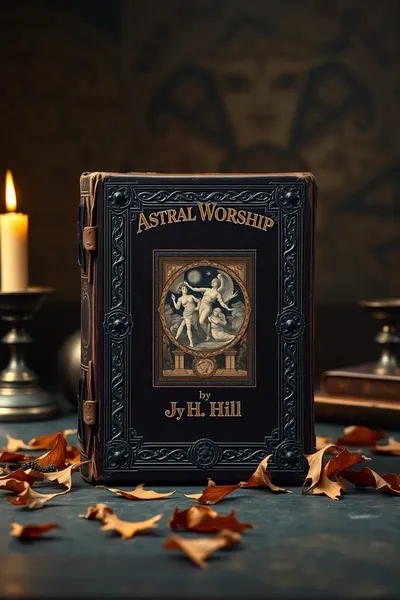
  2. Astral Worship Explores ancient spiritual systems and celestial influences, broadening understanding of consciousness beyond the physical realm.
  3. The Pursuit of God A devotional work that inspires a deep yearning for spiritual connection, mirroring the inner quest fostered by Transcendental Meditation.
🌳

Advanced

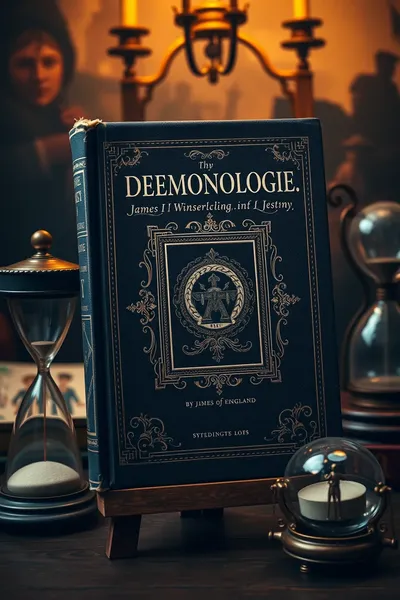
  1. Daemonologie. Provides historical context on the perception of esoteric practices, offering a contrast to the modern scientific acceptance of Transcendental Meditation.
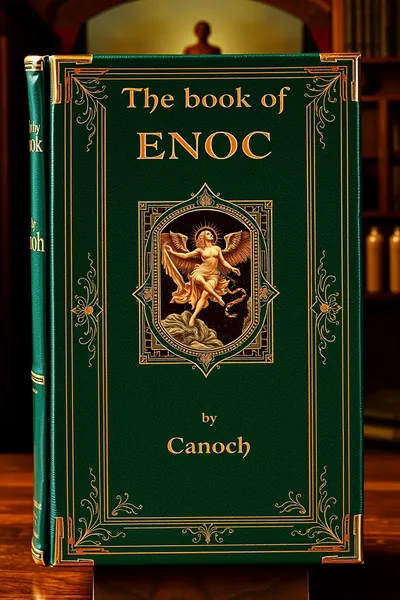
  2. The book of Enoch Explores complex cosmic and spiritual narratives, challenging the mind to grasp deeper realities, suitable for experienced esoteric readers.
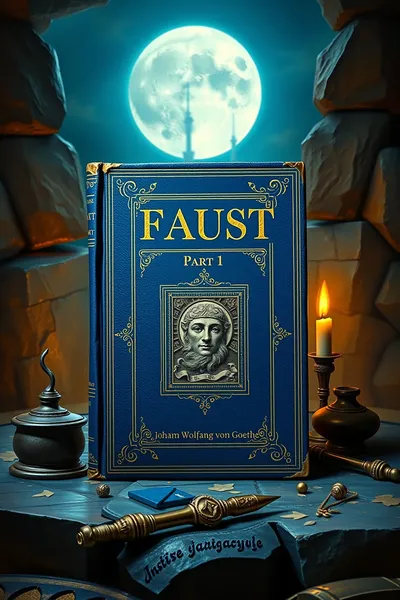
  3. Faust — Part 1 A profound philosophical drama exploring human ambition, knowledge, and spiritual pacts, offering a rich allegorical backdrop for advanced spiritual inquiry.

Why Each Book Matters

The book of Enoch

The book of Enoch

The anonymous *The book of Enoch*, an ancient Jewish religious work from the 3rd century BCE, delves into apocalyptic visions, angelic realms, and cosmic secrets. This apocryphal text offers a fascinating glimpse into early mystical thought, exploring dimensions of reality beyond ordinary perception. Its complex narratives of heavenly journeys and hidden knowledge provide a rich, advanced reading for those interested in the esoteric foundations of spiritual understanding.

The Pagans

The Pagans

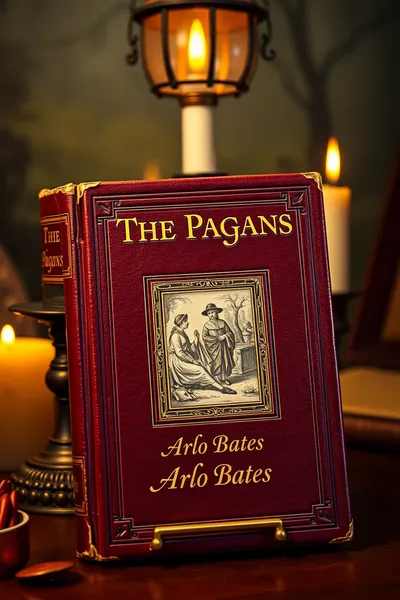
by Arlo Bates

Arlo Bates's *The Pagans*, published in 1884, explores a group of Boston bohemians who reject conventional society and seek alternative forms of artistic and personal expression. This novel touches upon the search for meaning outside established norms, reflecting a spirit of inquiry that can lead individuals to explore esoteric practices like Transcendental Meditation. It portrays characters grappling with their spiritual and intellectual identities in a changing world.
The Vital Message

The Vital Message

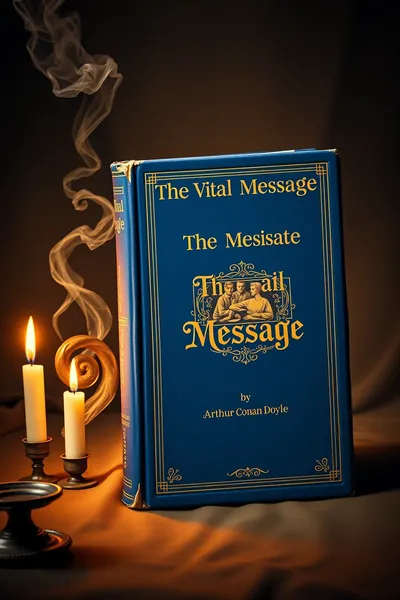
by Arthur Conan Doyle

Arthur Conan Doyle's *The Vital Message*, published in 1919, explores spiritualism and the concept of a universal life force or unseen energies that permeate existence. As an advocate for spiritualism, Doyle delves into the idea of consciousness beyond the physical body. This work resonates with the broader goals of Transcendental Meditation in seeking to understand and connect with deeper, more subtle aspects of reality and consciousness.

The Road to Oz

The Road to Oz

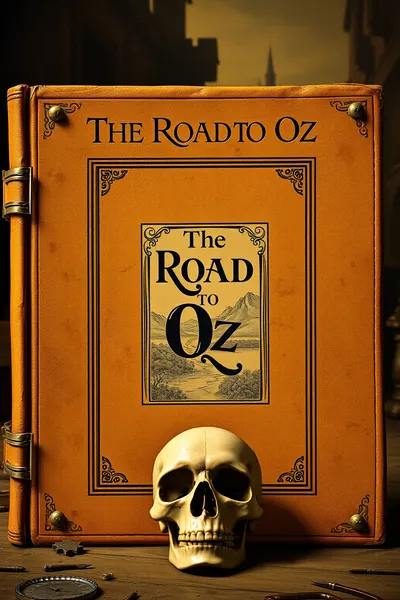
by Baum, L. Frank (Lyman Frank)

Another edition of L. Frank Baum's *The Road to Oz*, this 1909 classic continues the whimsical adventures of Dorothy and her friends. These journeys through fantastical landscapes are often interpreted as allegories for personal growth and the discovery of inner resources. The imaginative quest for truth and happiness within the Oz universe provides a playful parallel to the inner journey undertaken in practices like Transcendental Meditation.
Ozma of Oz

Ozma of Oz

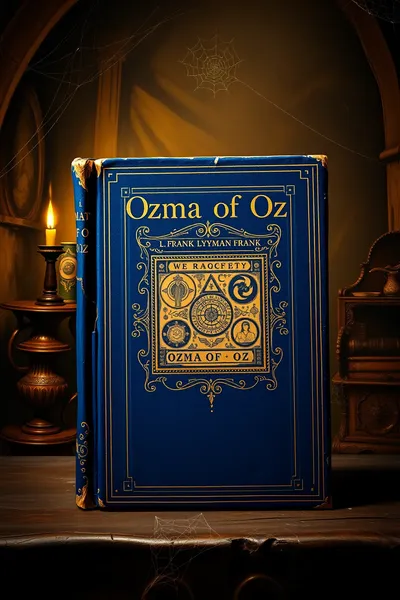
by Baum, L. Frank (Lyman Frank)

In L. Frank Baum's *Ozma of Oz*, first published in 1907, Dorothy returns to the magical land of Oz, embarking on another fantastic journey of self-discovery and friendship. The allegorical nature of the Oz books, with their quests and encounters with unique beings, can be seen as metaphors for the inner journey of spiritual awakening. This adventure subtly mirrors the exploration of consciousness that Transcendental Meditation facilitates.

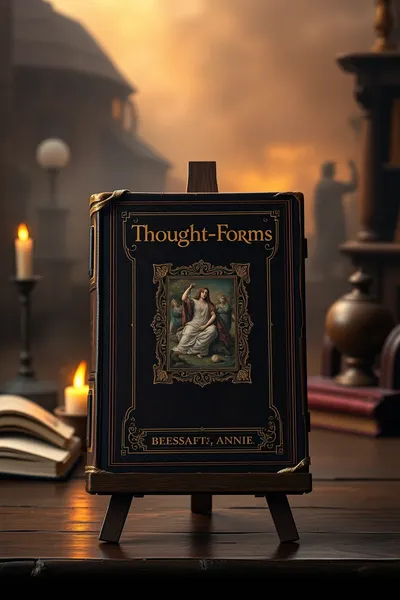
Thought-Forms

Thought-Forms

by Besant, Annie

Annie Besant's *Thought-Forms*, co-authored with C.W. Leadbeater and published in 1901, is a seminal work in Theosophy that visually depicts the energetic manifestations of human thoughts and emotions. This book provides a unique perspective on the subtle energies that meditation practices, including Transcendental Meditation, aim to purify and harmonize. It illustrates how mental states, if left unchecked, can create chaotic forms, emphasizing the importance of inner clarity.

Palmistry for All

Palmistry for All

by Cheiro

Cheiro's *Palmistry for All*, published in 1916, is a popular guide to the art of palmistry, a practice rooted in ancient traditions, including those from India. This book offers a method for self-knowledge and understanding one's potential through the lines and mounts of the hand. While distinct from meditation, it represents a facet of esoteric study focused on understanding the individual's unique path and inner nature, aligning with the self-discovery aspect of spiritual practices.

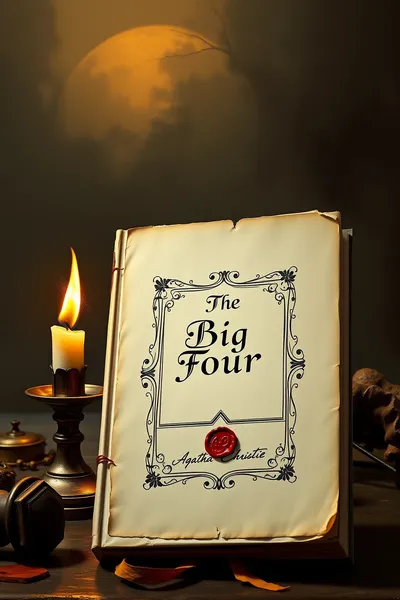
The Big Four

The Big Four

by Christie, Agatha

Agatha Christie's *The Big Four*, published in 1927, features Hercule Poirot investigating a powerful international crime syndicate. While a detective novel, it showcases the power of mental acuity, observation, and deduction—faculties that can be enhanced through practices that clarify the mind. Though not directly related to Transcendental Meditation, the pursuit of clarity and understanding in the face of complexity is a shared theme with spiritual disciplines.

Indian Palmistry

Indian Palmistry

by Dale, J. B., Mrs.

Mrs. J. B. Dale's *Indian Palmistry*, published in 1895, offers insights into the ancient Indian tradition of reading palms to understand character and destiny. This practice is part of a broader system of Indian esoteric knowledge focused on self-understanding and the subtle energies influencing human life. While distinct from Transcendental Meditation, it shares a common cultural heritage of seeking profound truths about the individual.

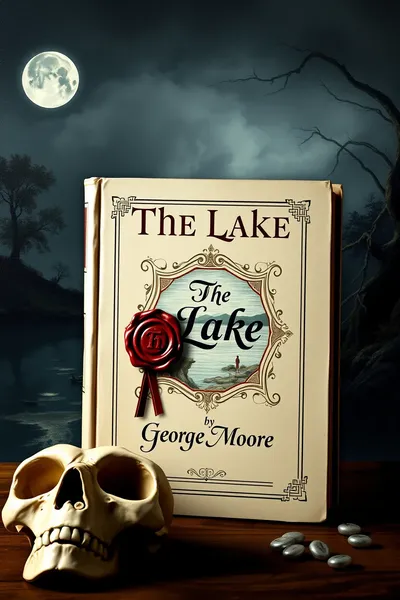
The Lake

The Lake

by George Moore

George Moore's *The Lake*, a novel from 1905, beautifully captures themes of nature, introspection, and the quiet yearning for a different life. The protagonist's reflections by the lake mirror the contemplative states sought in meditation, where the mind finds solace and clarity amidst natural beauty. While not directly about Transcendental Meditation, the book's emphasis on inner stillness and the search for personal truth resonates deeply with the meditative journey.

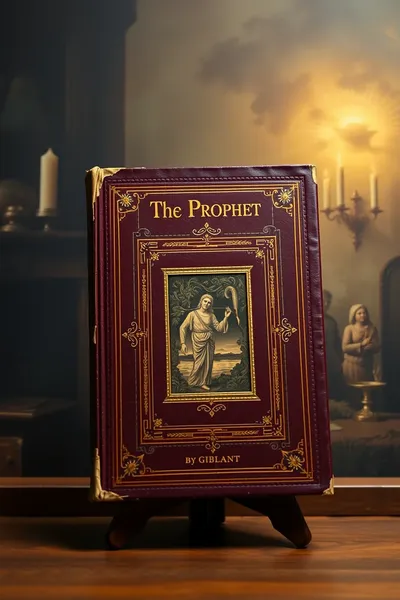
The Prophet

The Prophet

by Gibran, Kahlil

Kahlil Gibran's timeless classic, *The Prophet*, published in 1923, offers profound spiritual wisdom on love, marriage, work, joy, sorrow, and more. Narrated by the prophet Almustafa, who shares his insights before departing Orphalese, the book’s lyrical prose encourages introspection and a deeper understanding of life's fundamental truths. Its universal messages resonate with the quest for inner wisdom and enlightenment that Transcendental Meditation aims to cultivate.

The Magic Skin

The Magic Skin

by Honoré de Balzac

Honoré de Balzac's *The Magic Skin* (La Peau de chagrin), a philosophical novel from 1831, explores the corrosive effects of desire and the ultimate futility of material pursuits. The protagonist's Faustian pact and his rapid decline highlight the inner conflicts that arise from unchecked desires, offering a powerful narrative counterpoint to the inner balance and contentment sought through practices like Transcendental Meditation.

Astral Worship

Astral Worship

by J. H. Hill

J. H. Hill's *Astral Worship*, published in 1895, delves into ancient spiritual systems, celestial influences, and the concept of astral bodies. This work explores the esoteric connections between humanity and the cosmos, touching upon altered states of consciousness and the hidden dimensions of existence. Such explorations provide a broader context for understanding the subtle realms of experience that can be accessed through deep meditative practices.

Daemonologie.

Daemonologie.

by James I, King of England

King James I, King of England's *Daemonologie.*, published in 1597, is a philosophical dissertation on witchcraft and demonology, reflecting the prevailing beliefs and fears of the late Renaissance. This historical text provides a stark contrast to the benign and scientifically validated practice of Transcendental Meditation. It offers insight into how esoteric knowledge was perceived and persecuted in earlier eras, highlighting the journey of spiritual practices from suspicion to acceptance.

Faust — Part 1

Faust — Part 1

by Johann Wolfgang von Goethe

Johann Wolfgang von Goethe's *Faust — Part 1*, first published in 1808, is a monumental drama exploring themes of human ambition, the quest for knowledge, and a spiritual pact with the devil. Faust's relentless pursuit of ultimate truth and experience, even at great cost, reflects a profound spiritual yearning. This classic work offers a rich allegorical backdrop for understanding the deep-seated human desire for transcendence, a desire that Transcendental Meditation aims to fulfill constructively.

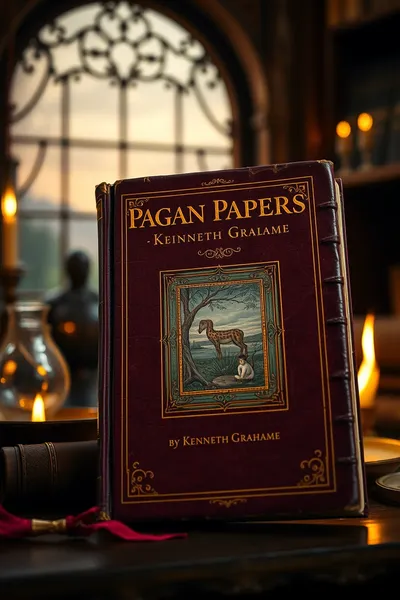
Pagan Papers

Pagan Papers

by Kenneth Grahame

Kenneth Grahame's *Pagan Papers*, a collection of essays first published in 1893, celebrates the beauty of nature, ancient beliefs, and a return to simpler, more harmonious ways of living. Grahame's evocative descriptions of the natural world and his meditations on life offer a sense of quietude and connection that aligns with the inner peace sought through practices like Transcendental Meditation. The essays reflect a longing for a deeper, more intuitive understanding of existence.
The Road to Oz

The Road to Oz

by L. Frank (Lyman Frank) Baum

In L. Frank Baum's *The Road to Oz*, published in 1909, Dorothy and her companions embark on another whimsical adventure through the fantastical lands surrounding the Emerald City. Like other Oz books, this tale is rich with allegorical elements, representing a journey of self-discovery and the encountering of diverse aspects of consciousness. Such imaginative narratives can inspire the inner exploration that Transcendental Meditation encourages.

Satan

Satan

by Lewis Sperry Chafer

In Lewis Sperry Chafer's *Satan*, published in 1919, readers encounter a theological examination of evil and its role in the spiritual world. This work delves into Christian doctrine concerning the adversary, providing a stark contrast to the pursuit of inner peace and harmony central to practices like Transcendental Meditation. Chafer’s detailed analysis of biblical texts offers a specific viewpoint on spiritual conflict, which can be compared with Eastern philosophies emphasizing the transcendence of duality through meditation.
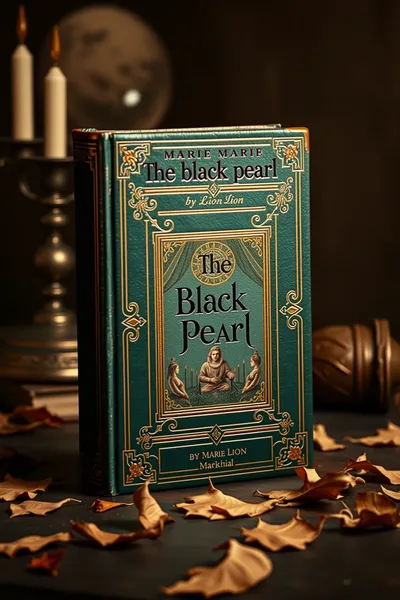
The black pearl

The black pearl

by Lion, Marie

Marie Lion's *The black pearl*, published in 1910, is a story that likely uses the pearl as a powerful symbol of hidden value, purity, or a profound discovery. In esoteric traditions, the pearl often represents spiritual wisdom or the awakened self. The quest for such a treasure can be seen as an allegory for the inner journey and the pursuit of spiritual enlightenment, much like the transformative process sought through Transcendental Meditation.
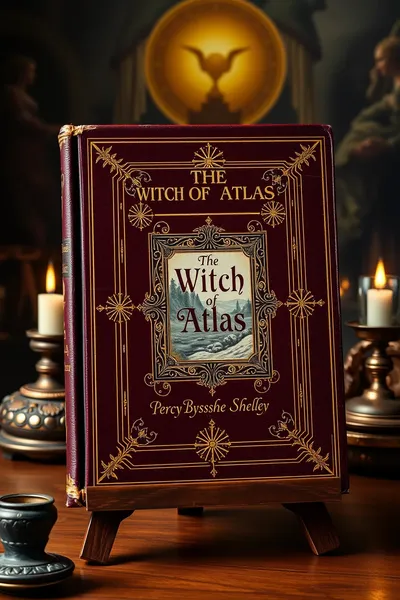
The Witch of Atlas

The Witch of Atlas

by Percy Bysshe Shelley

Percy Bysshe Shelley's *The Witch of Atlas*, a lyrical poem from 1820, describes the journey of a mystical enchantress who navigates the cosmos and interacts with spirits. This work is rich in symbolism and explores themes of nature, spiritual power, and the unseen forces of the universe. Shelley's imaginative portrayal of a being connected to universal energies offers a poetic parallel to the expanded states of consciousness sought in deep meditation.

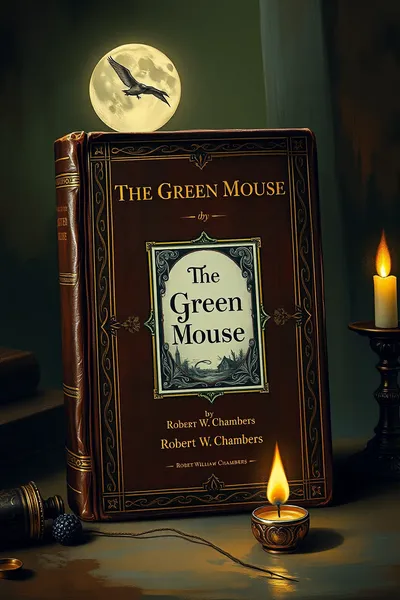
The Green Mouse

The Green Mouse

by Robert W. (Robert William) Chambers

Robert W. Chambers's *The Green Mouse*, a science fiction novel from 1910, explores themes of technology, invention, and perhaps even altered states of reality. While a work of speculative fiction, it touches upon the power of the mind and the potential for human ingenuity to shape perception. This narrative can spark reflection on how consciousness itself is a powerful force, a concept central to the understanding of Transcendental Meditation.
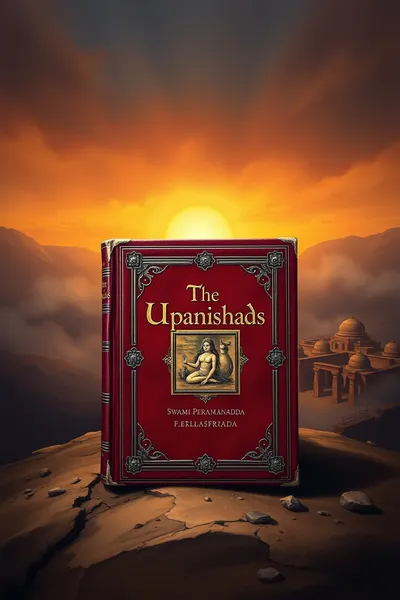
The Upanishads

The Upanishads

by Swami [Translator] Paramananda

Swami Paramananda's translation of *The Upanishads*, published in 1919, offers direct access to the foundational philosophical texts of the Vedic tradition. These sacred scriptures are central to understanding the spiritual and metaphysical roots of practices like Transcendental Meditation, discussing concepts such as Brahman (ultimate reality), Atman (the individual soul), and the path to liberation. This collection is indispensable for grasping the intellectual heritage of Indian spirituality.

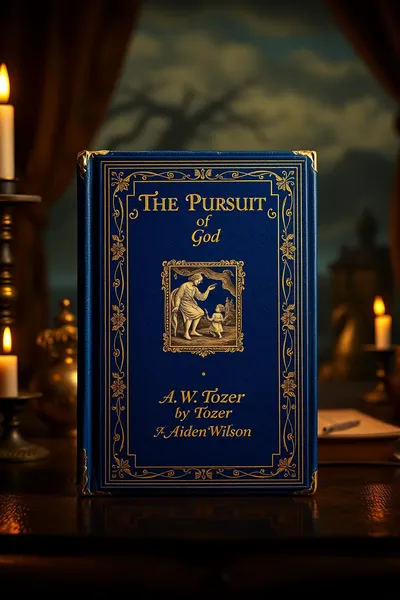
The Pursuit of God

The Pursuit of God

by Tozer, A. W. (Aiden Wilson)

A. W. Tozer's *The Pursuit of God*, published in 1948, is a profound Christian devotional work that calls for a deeper, more intimate relationship with the divine. Tozer emphasizes the importance of inner surrender and seeking God with one's whole being, reflecting a universal spiritual yearning. This book's focus on the inner spiritual journey and the quest for divine connection aligns with the core principles of seeking higher consciousness through practices like Transcendental Meditation.
Guy Mannering

Guy Mannering

by Walter Scott

Sir Walter Scott's *Guy Mannering*, a novel from 1815, weaves a tale of Scottish folklore, destiny, and hidden knowledge, featuring a central character whose life is shaped by prophecy and mysterious circumstances. The book's exploration of fate and the unseen forces at play in human lives touches upon esoteric themes, offering a narrative context for understanding the deeper, often hidden, aspects of reality that spiritual seekers explore through practices like Transcendental Meditation.
Blind Love

Blind Love

by Wilkie Collins

Wilkie Collins's *Blind Love*, his final novel published posthumously in 1889, is a dramatic tale exploring human passions, deception, and the often-unseen struggles within the human heart. The intricate plot and character motivations highlight the complexities of the mind, which meditation practices, including Transcendental Meditation, aim to simplify and bring into balance. It offers a glimpse into the psychological landscapes that spiritual disciplines seek to navigate and transform.

Glossary

Mantra
A sound, word, or phrase repeated silently during meditation to aid concentration and facilitate a meditative state. In Transcendental Meditation, a specific, personalized mantra is given to the practitioner to help the mind settle.
Maharishi Mahesh Yogi
The founder of the Transcendental Meditation technique and the global TM movement. He introduced the practice to the West in the late 1950s and early 1960s, bringing ancient Vedic wisdom to a modern audience.
Vedic Tradition
The ancient Indian spiritual and philosophical system from which Transcendental Meditation draws its roots. It encompasses a vast body of knowledge, including the Upanishads and other sacred texts, focusing on universal truths and self-realization.
Samadhi
A state of meditative absorption or spiritual enlightenment in which the meditator's mind becomes completely still and unified with the object of meditation, leading to profound inner peace and a sense of oneness.
Consciousness
The state of being aware of one's own existence and surroundings. Transcendental Meditation aims to expand and purify consciousness, allowing access to deeper, more subtle levels of awareness beyond the ordinary waking state.

FAQ

What is Transcendental Meditation?

Transcendental Meditation is a simple, natural, and effortless mantra-based technique to settle the mind to its quietest state. It involves silently repeating a specific mantra, allowing the mind to transcend thought and experience pure consciousness. This practice aims to reduce stress, promote relaxation, and foster inner peace and personal growth.

How do I start with Transcendental Meditation?

To officially learn Transcendental Meditation, one typically receives instruction from a certified TM teacher, who provides a personalized mantra and guidance. While our library offers contextual books, the technique itself requires direct instruction. Many resources are available online for finding a local TM center to begin your journey.

What's the best book on Transcendental Meditation?

The best book on Transcendental Meditation itself would be an official guide or a biography of Maharishi Mahesh Yogi. For understanding its philosophical roots, The Upanishads is foundational, offering ancient Vedic wisdom. For broader spiritual context, Kahlil Gibran's *The Prophet* provides universal insights into self-discovery and inner truth.

Is Transcendental Meditation difficult to learn?

No, Transcendental Meditation is designed to be effortless and natural, making it accessible to anyone, regardless of background or belief. It does not require concentration or control of the mind, but rather a simple, silent repetition of a mantra. The technique allows the mind to settle naturally, making it easy to integrate into daily life.

Can I download Transcendental Meditation books for free?

Yes, on Esoteric Library, you can download public-domain books that provide historical, philosophical, and spiritual context related to Transcendental Meditation and broader meditative practices. While direct instructional materials for the TM technique might be copyrighted, our collection offers free access to classic texts that illuminate the rich spiritual heritage from which Transcendental Meditation emerged.

Esoteric Library
Browse Esoteric Library
📚 All 16,000+ Books 🜍 Alchemy & Hermeticism 🔮 Magic & Ritual 🌙 Witchcraft & Paganism Astrology & Cosmology 🃏 Divination & Tarot 📜 Occult Philosophy ✡️ Kabbalah & Jewish Mysticism 🕉️ Mysticism & Contemplation 🕊️ Theosophy & Anthroposophy 🏛️ Freemasonry & Secret Societies 👻 Spiritualism & Afterlife 📖 Sacred Texts & Gnosticism 👁️ Supernatural & Occult Fiction 🧘 Spiritual Development 📚 Esoteric History & Biography
Esoteric Library
📑 Collections 📤 Upload Your Book
Account
🔑 Sign In Create Account
Info
About Esoteric Library